Carpal tunnel has a way of getting dismissed until it doesn't. At first it's the odd bit of numbness you shake off. Then you're waking at night with a buzzing hand. Then you're dropping your keys and fumbling buttons. Somewhere in there, people decide it's finally worth doing something about.
The earlier you get to that point, the better, because early carpal tunnel usually responds without surgery.
The Basic Problem
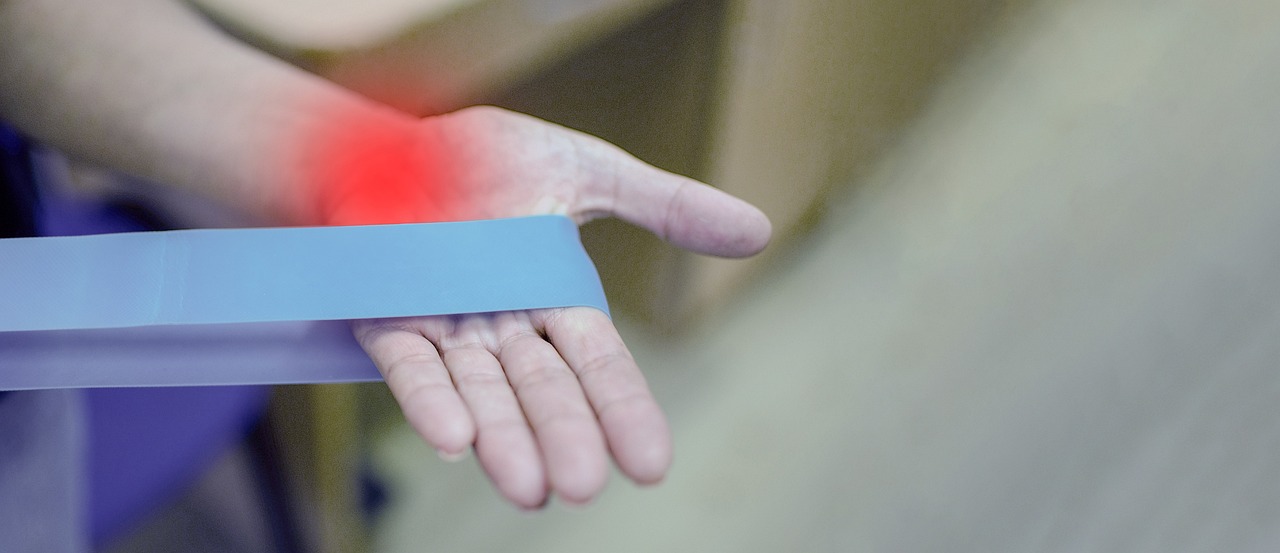
There's a narrow passage on the palm side of your wrist, the carpal tunnel, and your median nerve runs through it beside a bundle of tendons. When the space gets crowded or the tendons swell, the nerve gets squeezed. That pressure shows up as numbness, tingling, and a weak, clumsy grip in the thumb, index, and middle fingers.
Nights are usually worst, because a curled sleeping wrist pinches the nerve even more.
Why An Orthopedic Clinic Starts Conservative
For early and moderate carpal tunnel, the smart first move is taking pressure off the nerve and clearing whatever's crowding the tunnel. That works often enough that surgery is usually held in reserve.
- A wrist splint, mostly overnight, to keep the wrist neutral while you sleep
- Habit and workspace changes so the wrist isn't stuck at bad angles
- Nerve and tendon gliding to keep everything sliding freely
- Wrist and forearm stretching and strengthening
- Sorting out any swelling that's feeding it
That overnight splint alone turns things around for a lot of people. Holding the wrist straight through the night stops the wake-ups and gives the nerve a real break.
Why The Gliding Exercises Earn Their Keep
People sometimes shrug off the nerve gliding moves as too gentle to matter. They earn their spot. The median nerve is meant to slide a little as you bend the wrist and fingers, and when the tunnel's tight it stops moving freely and gets stuck. Gliding exercises coax it back into sliding smoothly through its channel. Done consistently, they're one of the quiet workhorses of getting a hand back.
The Clock Matters
Timing is the thing to respect. Caught early, the gentle approach works well. Let it drag on and the nerve can take lasting damage that's much harder to reverse, and once muscle starts wasting from a nerve that isn't firing, that's tough to undo. Constant numbness or a hand that's clearly weakening means stop toughing it out and get it looked at.
Hand going numb or waking you up? Modern Medicine of Gilbert, AZ can start settling the nerve before it gets worse. Reach us by phone or the online booking form.