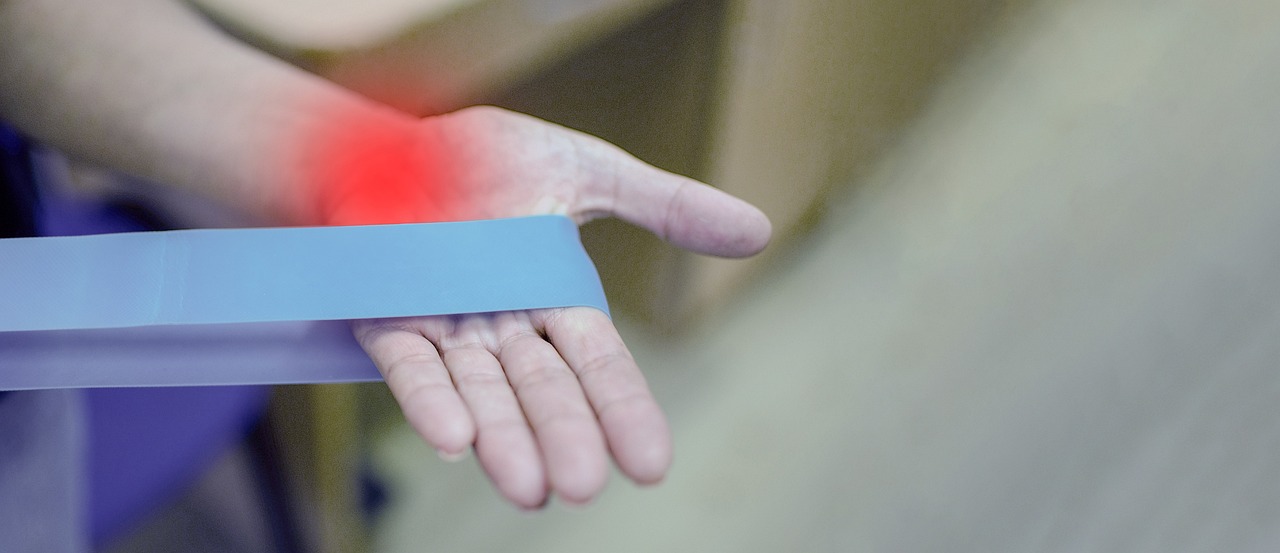
"Rotator cuff injury" gets used like it's one thing. It isn't. It covers everything from mild tendon irritation to a full tear, and the treatment for each end of that range looks completely different. So the first job at an orthopedic clinic isn't treatment, it's figuring out exactly what you're dealing with.
Get that right and the plan falls into place.
The Range Of Cuff Problems
The rotator cuff is a group of four muscles and their tendons that keep the ball of your shoulder centered in its socket. Trouble with it spans a spectrum:
- Tendinitis, where the tendon is irritated and inflamed
- Impingement, where the tendon gets pinched during overhead motion
- A partial tear, where some of the tendon fibers are damaged
- A full-thickness tear, where the tendon is torn all the way through
These share symptoms: weakness, an ache down the outer arm, pain sleeping on that side, but they're not the same injury, and they don't get the same plan.
Sorting Out What You Have
A clinic starts by pinning down the problem. We test your shoulder's strength and motion, check which movements reproduce the pain, and get a feel for how much the cuff can actually do. Imaging comes in when we need to confirm whether there's a tear and how big it is.
That workup matters because it splits the road. Irritation and small tears usually respond well to conservative care. Large tears in the right patient are the ones that may need a surgeon.
Treating It Without Surgery
Most cuff problems, the irritation and partial tears especially, do well without an operation. The plan calms the pain first, then rebuilds the shoulder so the cuff isn't overloaded.
We strengthen the cuff to control the ball in the socket, build the shoulder blade for a stable base, stretch the tight spots, and fix the posture and movement habits that keep feeding it. Then a gradual return to lifting and reaching. A lot of the fix is teaching the shoulder to move well again so the tendons stop taking the brunt.
When Surgery Enters The Picture
Some tears do need repair, mainly large or full-thickness ones, or a cuff that isn't improving with solid conservative care. A good clinic knows when you've reached that line and gets you to the right surgeon. It's not surgery versus therapy but matching the treatment to the actual injury.
Staying Ahead Of It
Once the shoulder settles, the goal is keeping it there. That means holding onto the strength and the better mechanics, so the cuff keeps doing its job without getting overloaded again.
Shoulder weak, achy, or wrecking your sleep? Modern Medicine of Gilbert, AZ can pin down the injury and build the right plan. Reach us by phone or the online booking form.