Gilbert, AZ — How a Non-Surgical Orthopedic Clinic Treats Chronic Knee Pain
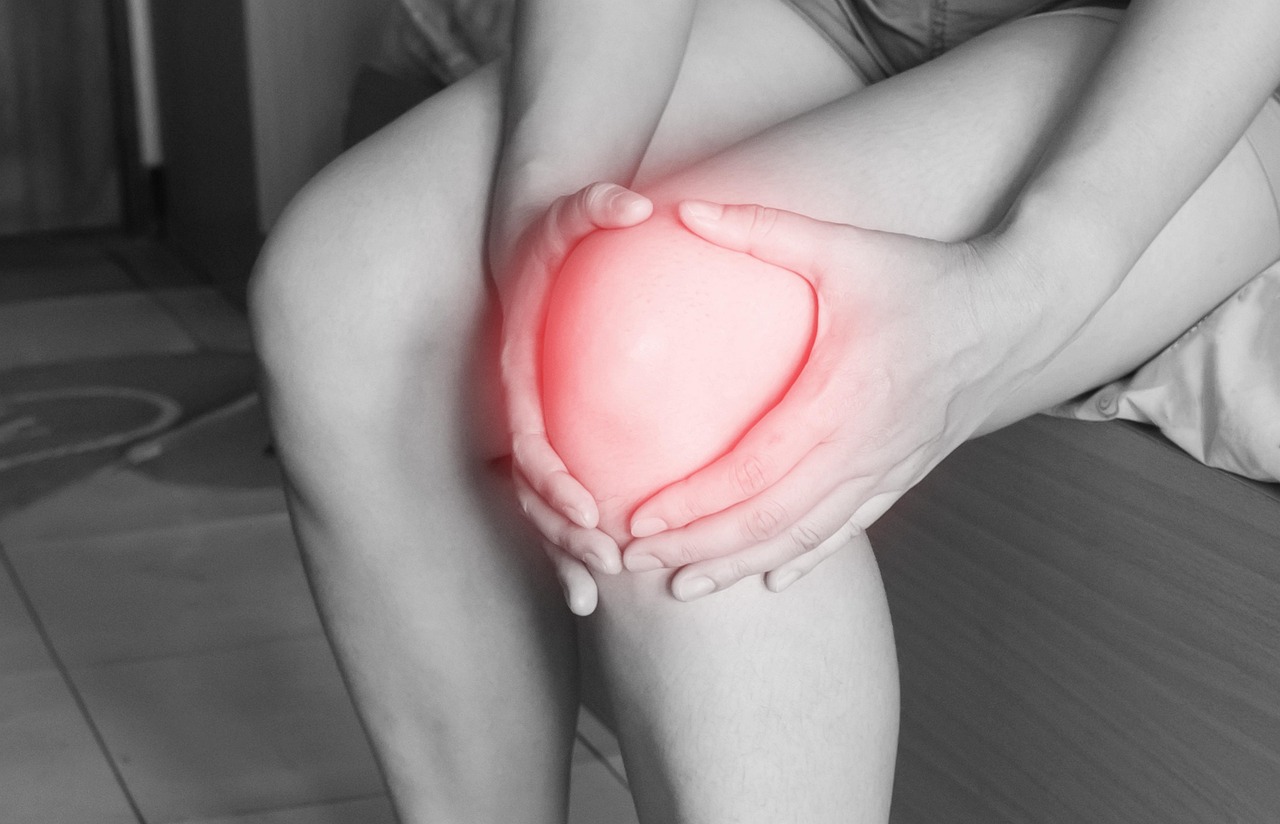
When a knee hurts for months, the problem stops being just the knee. You start favoring it without deciding to. The muscles around it weaken from you babying it. Your gait shifts to dodge the pain. The other leg and the hips pick up the slack. So by the time someone comes in with a year-old knee problem, there’s a whole web of changes wrapped around the original issue.
That’s why you can’t treat chronic knee pain like a new injury. The knee itself might be only part of what’s going on. The compensation that built up around it is often just as much of the problem.
Untangling the Real Cause
A non-surgical clinic starts by figuring out what’s actually driving it, which with a chronic knee takes some digging. The source might be the joint itself, worn cartilage or arthritis. It might be weak hips letting the knee cave and grind. It might be a tracking problem with the kneecap, or an old injury that never fully rehabbed and quietly changed how you move.
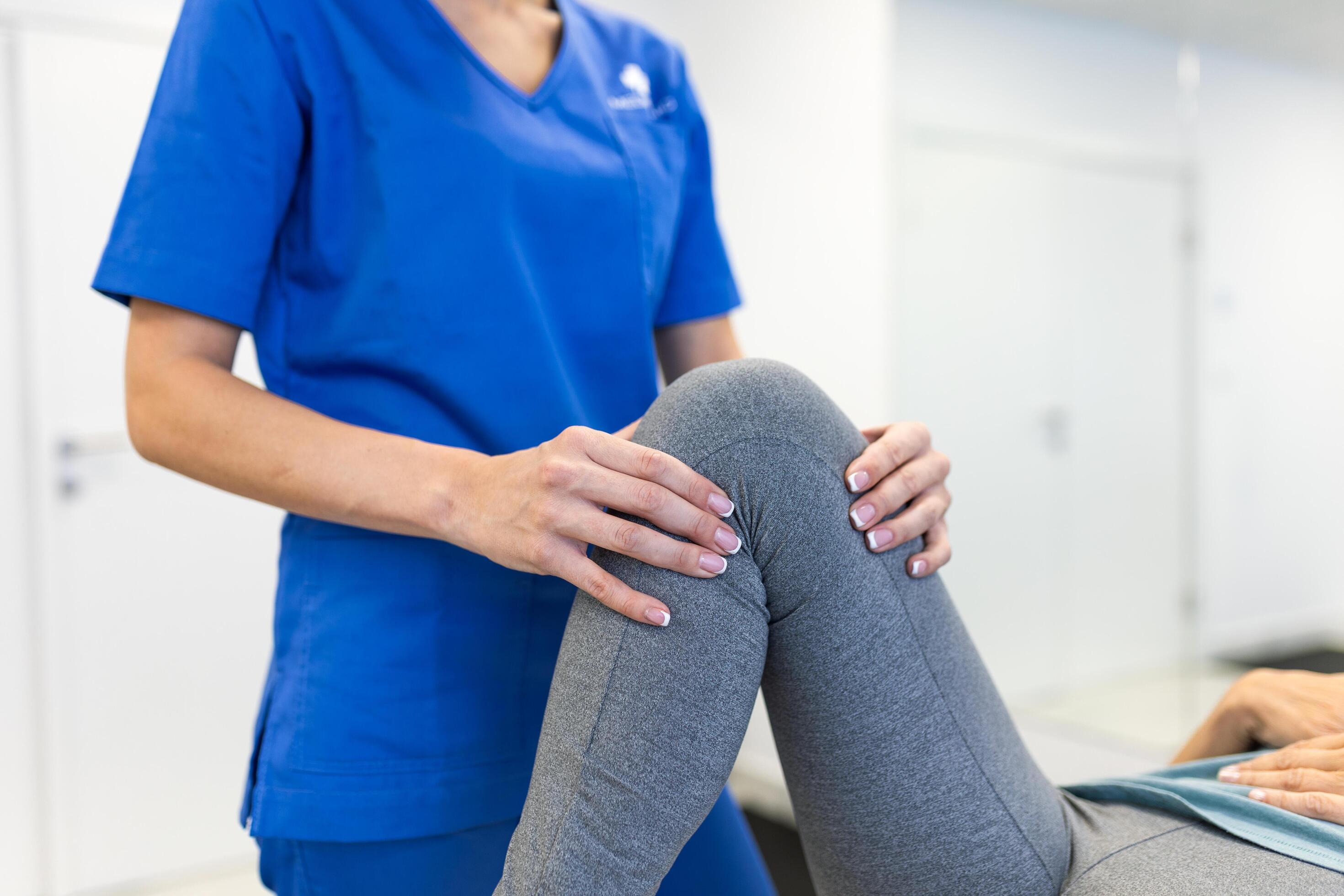
Often it’s several of those at once, layered together. So the assessment looks at the whole leg, watching how you walk, squat, and load the knee, not just poking the sore spot. Getting that picture right is what separates a real fix from another round of temporary relief.
What Treatment Looks Like
Non-surgical care for a chronic knee is active, and it works several angles:
- Strengthening the muscles around the knee so they take load off the joint
- Targeting weak hips and glutes, since a chronic knee often traces to weakness above it
- Hands-on work to free up the stiffness that built up over months of guarding
- Retraining your gait, since the limp usually sticks around after the pain eases
- Injections when inflammation is driving the pain and won’t settle on its own
The strengthening does the heavy lifting. A knee with strong muscle and good support around it takes far less strain, which is what brings the pain down and keeps it down.
Why It Works Without Surgery
Most chronic knee pain, even the long-standing kind, isn’t a structural problem that only a surgeon can fix. It’s a mechanical one: weak muscles, bad loading, stiffness, compensation. All of that responds to the right conservative work. Surgery stays reserved for the specific cases that need it: a locking meniscus, an unstable ligament, arthritis worn past what anything else helps.
When to Get In
It’s worth getting looked at when knee pain has hung on for months, when it’s changed how you walk, when stairs and getting up from a chair set it off, or when it’s steering you off things you used to do. New aches in the other knee or the hips count too, since that’s the compensation spreading.
If your knee’s been hurting for a long time, Modern Medicine of Gilbert, AZ can untangle what’s driving it and build a plan to settle it.