The Knots Behind a Lot of Chronic Pain
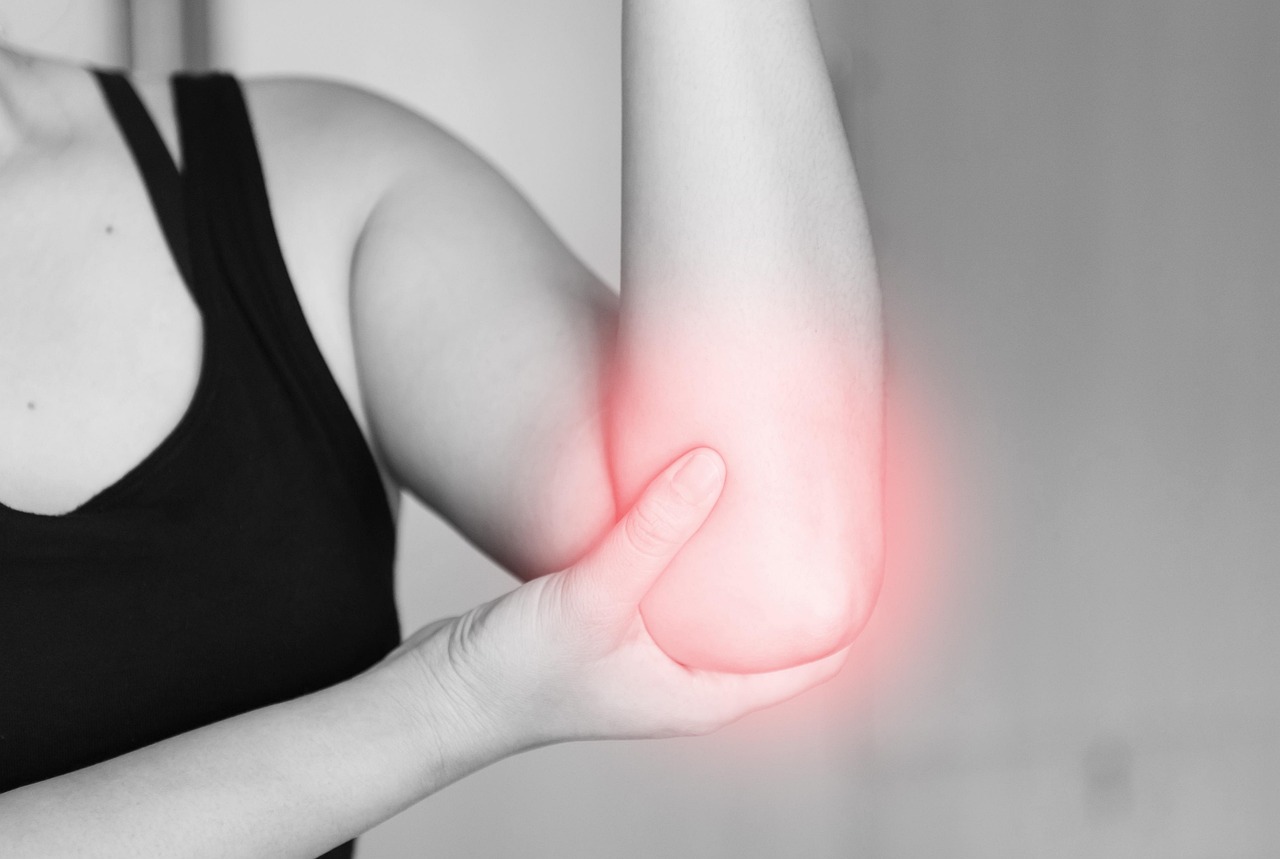
Inside an aching muscle, there are often these tight, ropey bands that won't release. Trigger points. They form when a patch of muscle fiber clamps down and stays clamped, choking off blood flow and turning tender.
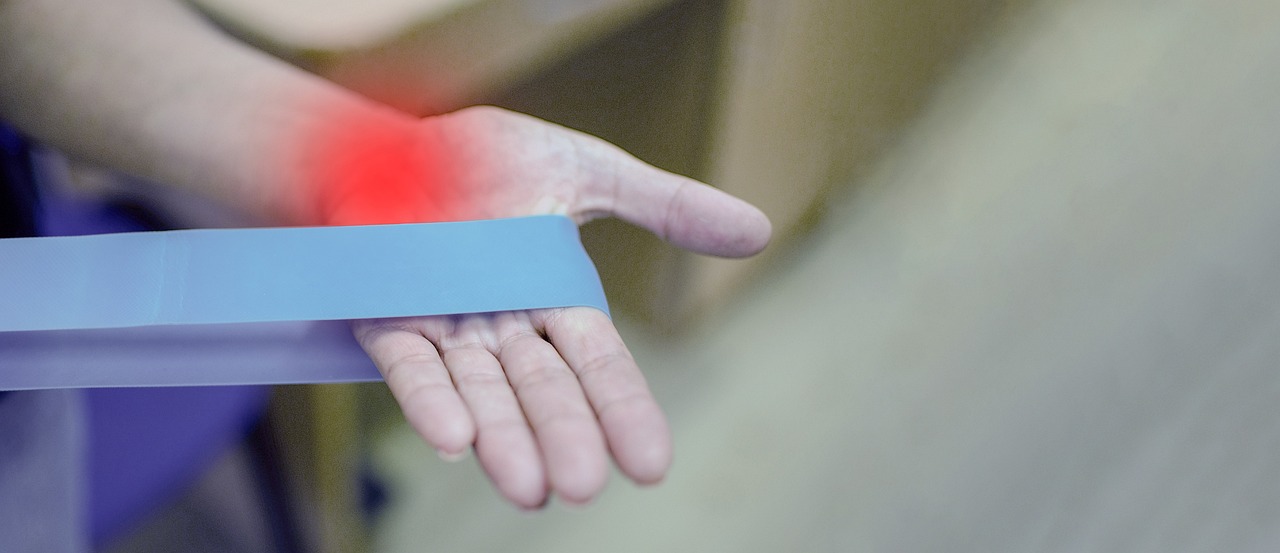
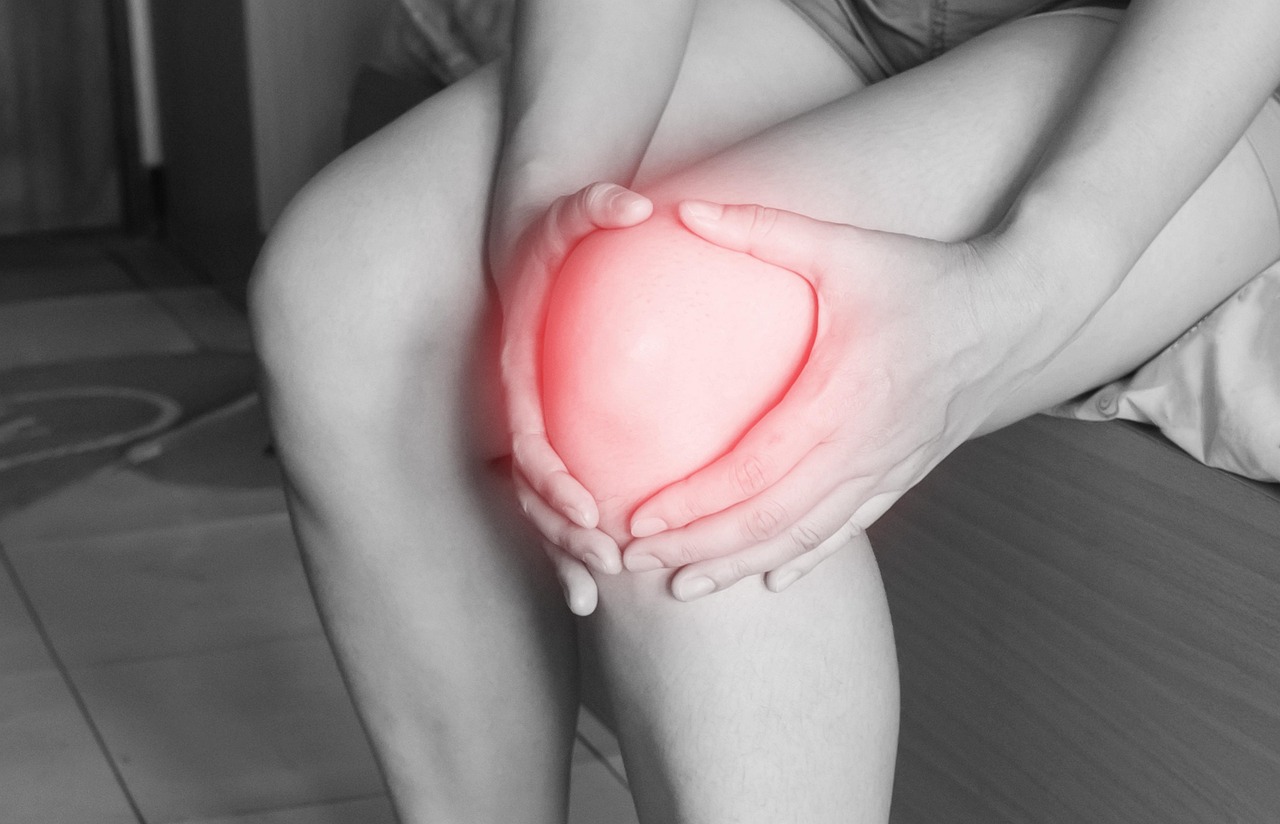
What makes them sneaky is that they mean pain. The knot sits in one place but throws the ache somewhere else entirely. A tight spot in the upper back can fire pain into the shoulder blade. One in the neck can wrap into a headache. So you keep rubbing where it hurts and never touch the thing causing it.
Massage and stretching work the surface of the muscle. These bands sit deeper, which is why they shrug off most of what you throw at them.
How the Needle Changes Things
Dry needling puts a thin needle directly into that trigger point. Nothing's injected, which is where the name comes from. The whole idea is reaching the knot at its actual depth instead of working around it from the outside.
When the needle finds the right spot, the muscle usually answers with a fast little twitch. That twitch is what you're after. It's the band releasing the grip it's been holding. Once it lets go, blood moves back in, the tightness drops, and the pain it was referring tends to ease off with it.
It's a direct line to the source in a way that hands and foam rollers can't quite manage.
What a Session Actually Feels Like
Fair to wonder if it hurts. The needle is thin enough that going in is often barely noticeable. The twitch is the part you feel, a quick, deep cramp that grabs and releases in about a second. Odd at first, but a lot of people find it weirdly satisfying once they connect it to the knot, letting go. Afterward, the muscle can feel sore, close to the day-after feeling from a tough workout. That fades within a day or two.
When Dry Needling Makes Sense
It's not a cure-all, and it's not right for every ache. Where it earns its place is muscle-driven pain with those trigger points behind it:
- Neck and shoulder tension that's lingered for months
- Lower back pain with knots referring to the hip
- Headaches tied to tightness where the neck meets the skull
- Stubborn hip, calf, or hamstring tightness that won't stretch loose
- Old injuries where the muscle never fully let go of its guard
It works best as part of a plan rather than a one-off. The needle releases the knot. The movement and strength work that follows is what keeps it from clamping right back down.
Want to Give it a Try
If you've got pain that's lived in the same spot for weeks and nothing at home reaches it for long, dry needling is worth asking about. It gets at the deep, stubborn tightness that surface methods tend to glide right over.
Come see us at Modern Medicine of Gilbert, AZ. We'll figure out whether trigger points are behind your pain and talk through whether dry needling is a good fit.