SYNOPSIS: This article covers sprain recovery, the sports medicine treatments that actually move things along, and how our team helps people get back to normal without dragging it out.
Sports Medicine Care That Gets Sprains Healing Faster
BY: Josh Adams, Modern Medicine of Gilbert, AZ
Sprains are sneaky. One wrong step off a curb, one awkward landing on the basketball court, one slip on a wet pool deck, and suddenly walking feels like a project. Most people in Phoenix try to push through. Ice it, wrap it, hope it goes away by Monday.
Sometimes that works. A lot of times it doesn’t.
A sprain is a stretched or torn ligament. Ligaments do not get blood flow the way muscles do, which is why they heal slowly if you leave them alone. The right care speeds things up. The wrong care, or no care at all, can leave you limping for weeks.
What People Usually Notice First
Sprains do not always announce themselves loudly. Sometimes the pain shows up later that night, or the next morning, when you swing your legs out of bed.
Watch for:
Swelling that builds over a few hours
Bruising that creeps in around the joint
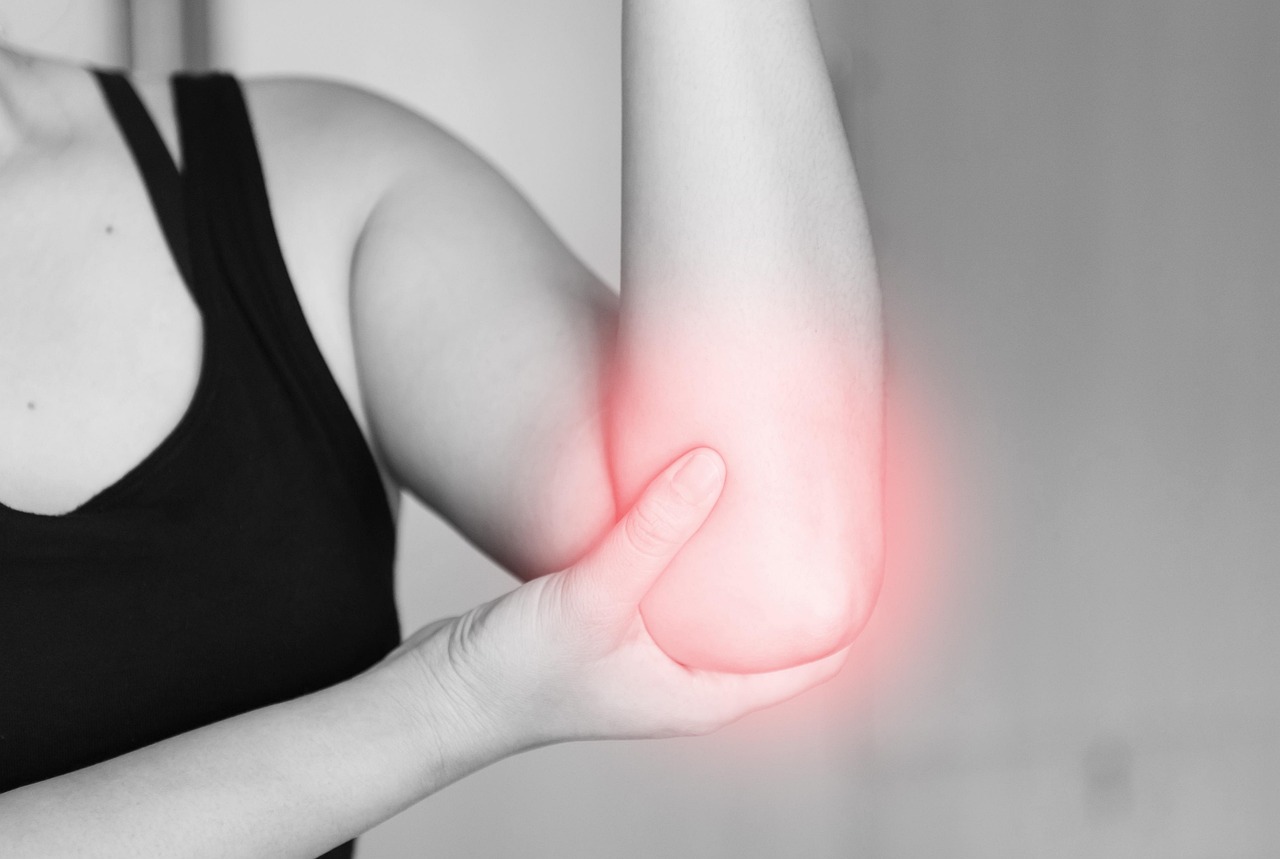
Pain when you put weight on it or twist
A loose or wobbly feeling
Stiffness that gets worse if you sit still too long
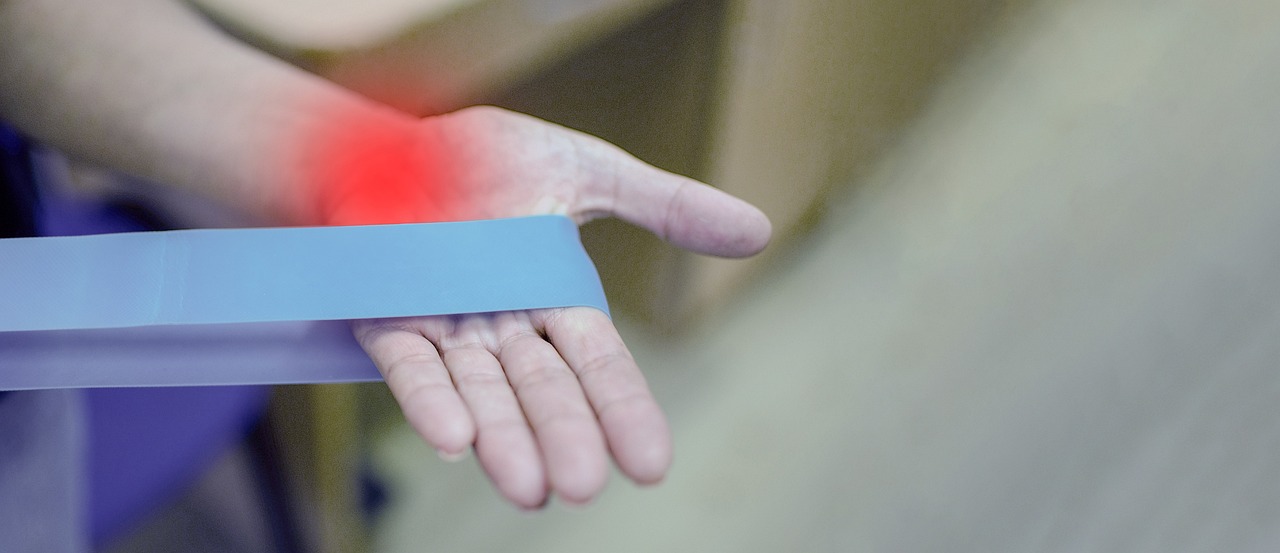
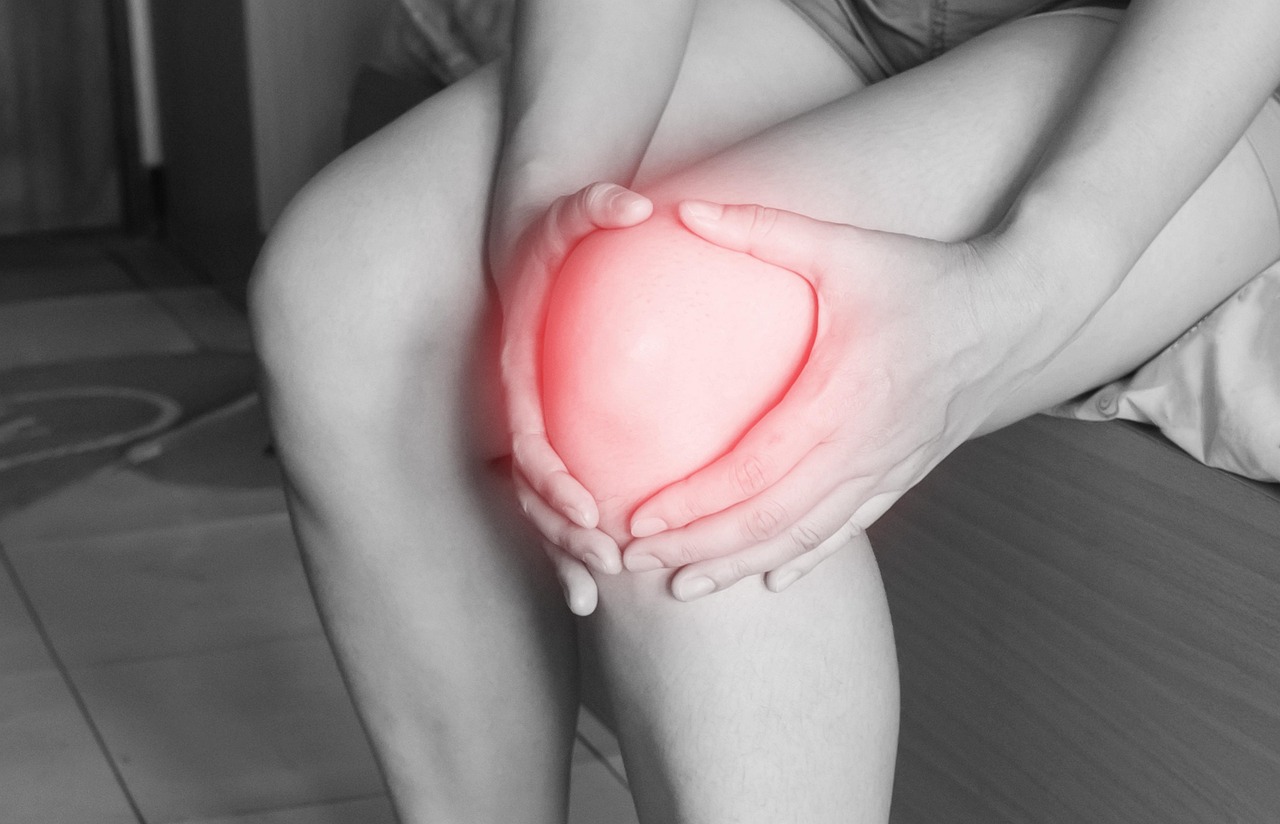
Ankles take the biggest hit. Knees, wrists, and thumbs are close behind. In Phoenix, we see a lot of hiking sprains from Camelback and South Mountain, plus the usual weekend warrior stuff, kids landing wrong at practice, and falls around the house.
Why Faster Care Matters
The first few days set the tone. If you keep moving on a sprain that needs rest, you stretch the ligament more. If you rest too long without rebuilding strength, the joint gets weak and sprains again the next time you twist it.
There is a window where the right treatment really matters. Catch it early, and you cut weeks off the recovery.
Sports Medicine Treatments That Actually Help
Real sprain care goes beyond ice and a wrap. Here is what tends to make the biggest difference:
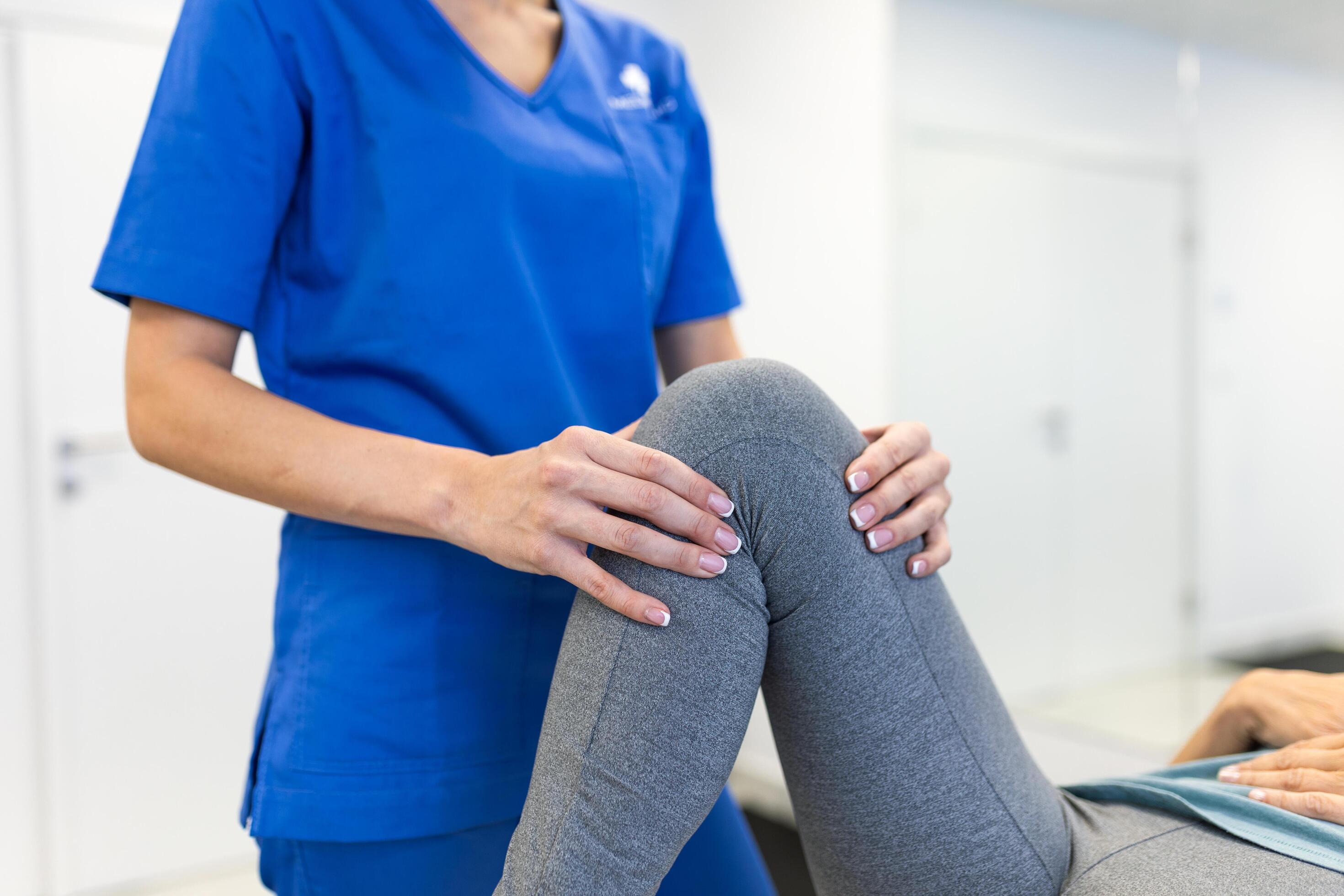
Manual therapy: to reduce swelling and get the joint moving in a controlled way
Targeted strengthening: for the muscles around the joint, not just the joint itself
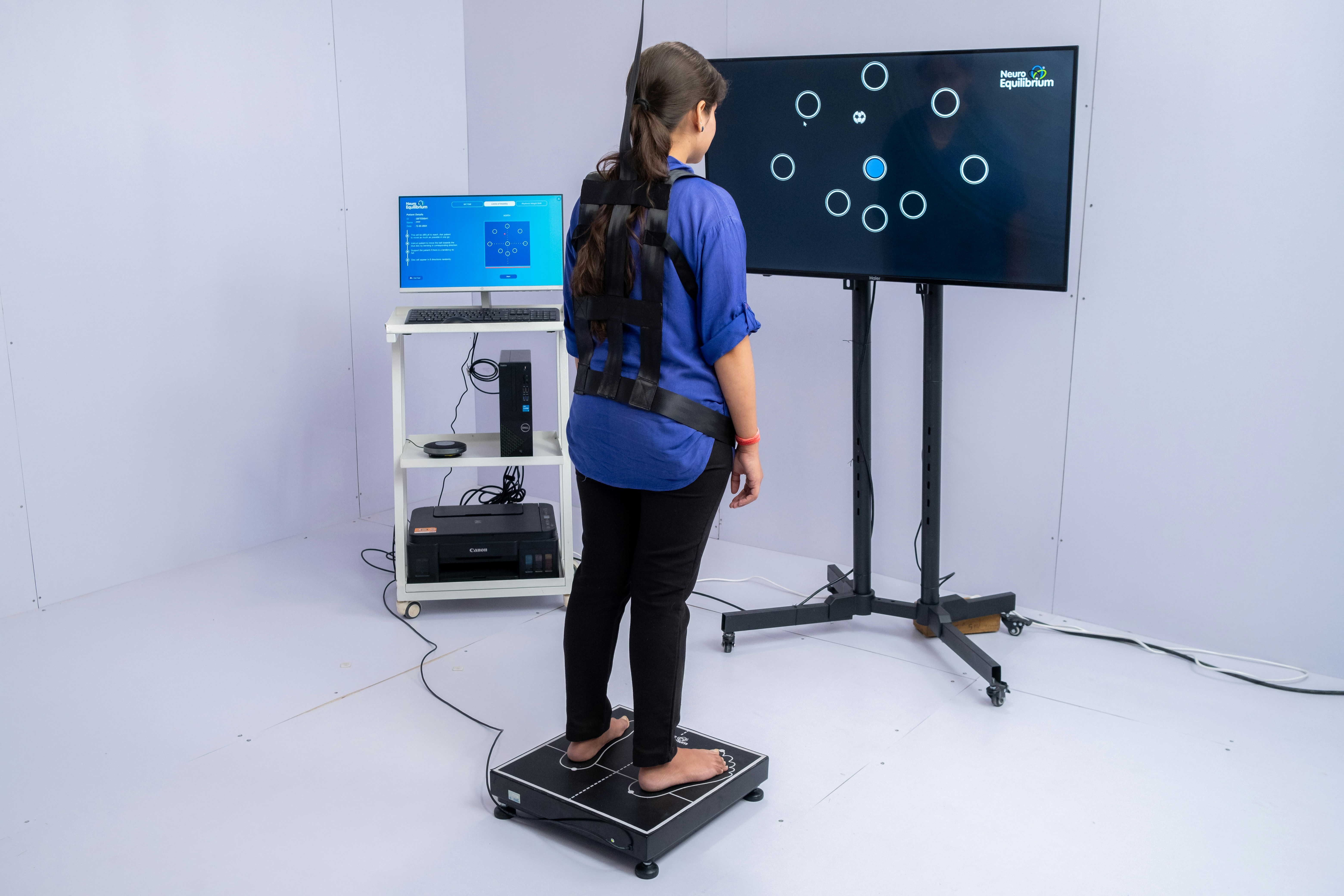
Balance and proprioception work: teaches the joint how to react before it rolls again
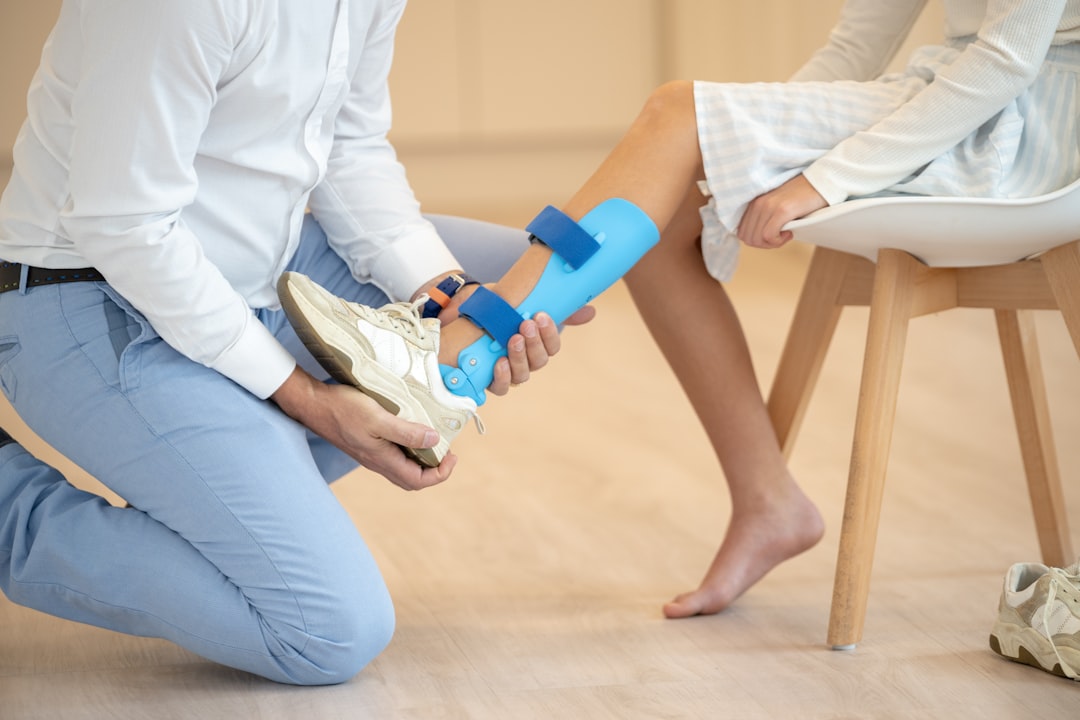
Taping or bracing: for the right amount of time, not too long
Gradual return to activity: with a real plan, not a guess
For more stubborn sprains, treatments like dry needling, blood flow restriction training, or injections can help when the swelling or pain prevents movement from returning.
What People Get Wrong
A few things slow people down more than they realize:
Resting for too long with no movement at all
Going back to running, lifting, or pickup games before the joint is ready
Skipping the strength work once the pain fades
Ignoring the other side of the body, which often compensates and starts hurting too
Pain going away is not the same as healing. The joint can feel fine and still be weak underneath.
When to Come In
Some sprains heal on their own with a few quiet days. Others need help. If you are still limping after a week, if swelling is not going down, or if the joint feels unstable, that is the sign.
Modern Medicine of Gilbert puts together sprain recovery plans built around what your body actually needs. Reach out to get evaluated and start moving in the right direction.
“Best Orthopedic Surgeon in Gilbert, AZ”
Top Rated Local Orthopedic Surgeon / Doctor / Clinic / Specialist
Phoenix Valley : Gilbert, Chandler, Queen Creek, AZ
This article covers orthopedic care for IT band syndrome and chronic hip pain, what causes the outer-leg burn, and how treatment addresses the real so…
This article covers how tennis elbow is treated as a repetitive strain injury, why the outer elbow flares, and the care that calms it and keeps it fro…
This article covers how an orthopedic clinic treats painful rotator cuff injuries, what the different injuries involve, and how care matches the probl…
This article covers non-surgical meniscus tear treatment for athletes, how the injury behaves in active people, and the care that gets you back to you…
“Best Orthopedic Surgeon in Gilbert, AZ”
Top Rated Local Orthopedic Surgeon / Doctor / Clinic / Specialist
Phoenix Valley : Gilbert, Chandler, Queen Creek, AZ
CityScoop is the top ranked local business news network in the United States. Established in 2008, CityScoop has been providing local communities with high quality news about local businesses and their most recent projects.