 Balance Problems Build Quietly
Most people do not notice until something makes them notice. A stumble on a sidewalk that used to be automatic. A hand on the wall going downstairs at night. A pause before stepping off a curb that was not part of the routine a year ago. None of it feels serious at first. Then the hesitation shows up somewhere else. Then somewhere else again.
Why Balance Fails
The inner ear tracks movement. The eyes read the position. The joints feed the brain constant information about where the body is in space. The muscles take all of that and make small corrections in real time, hundreds of them, without conscious input.
One piece stops working right and the rest have to cover. An ankle that rolled badly two years ago and never got properly rehabbed is still sending inaccurate position signals. Weak hips mean the corrective response comes too late. A medication nobody flagged is affecting the inner ear. These things stack.
Age turns down the volume on all of it. Reaction time slows. Muscle mass drops. The corrections that used to arrive automatically start coming just a beat too late.
How Physical Therapy Addresses It
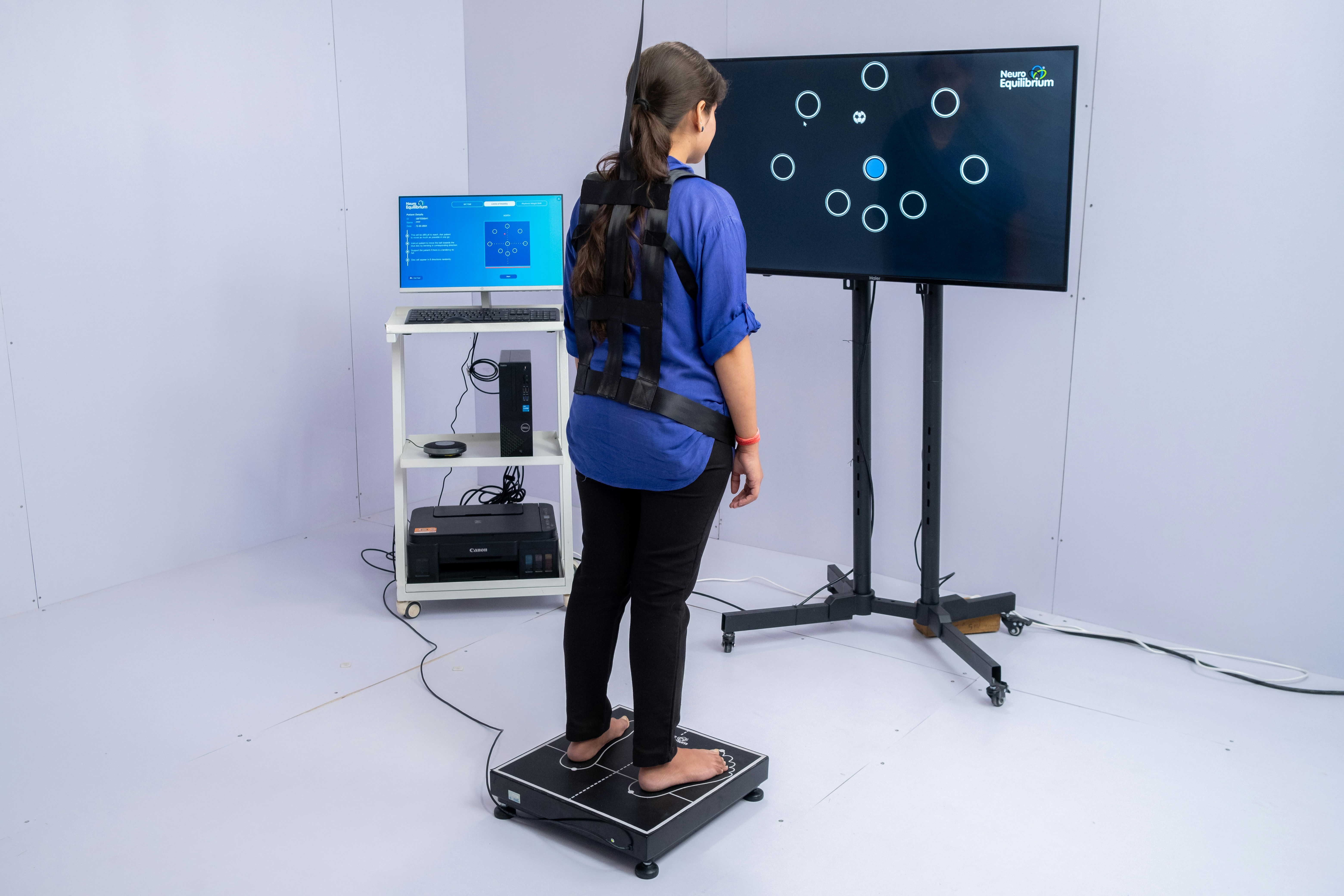
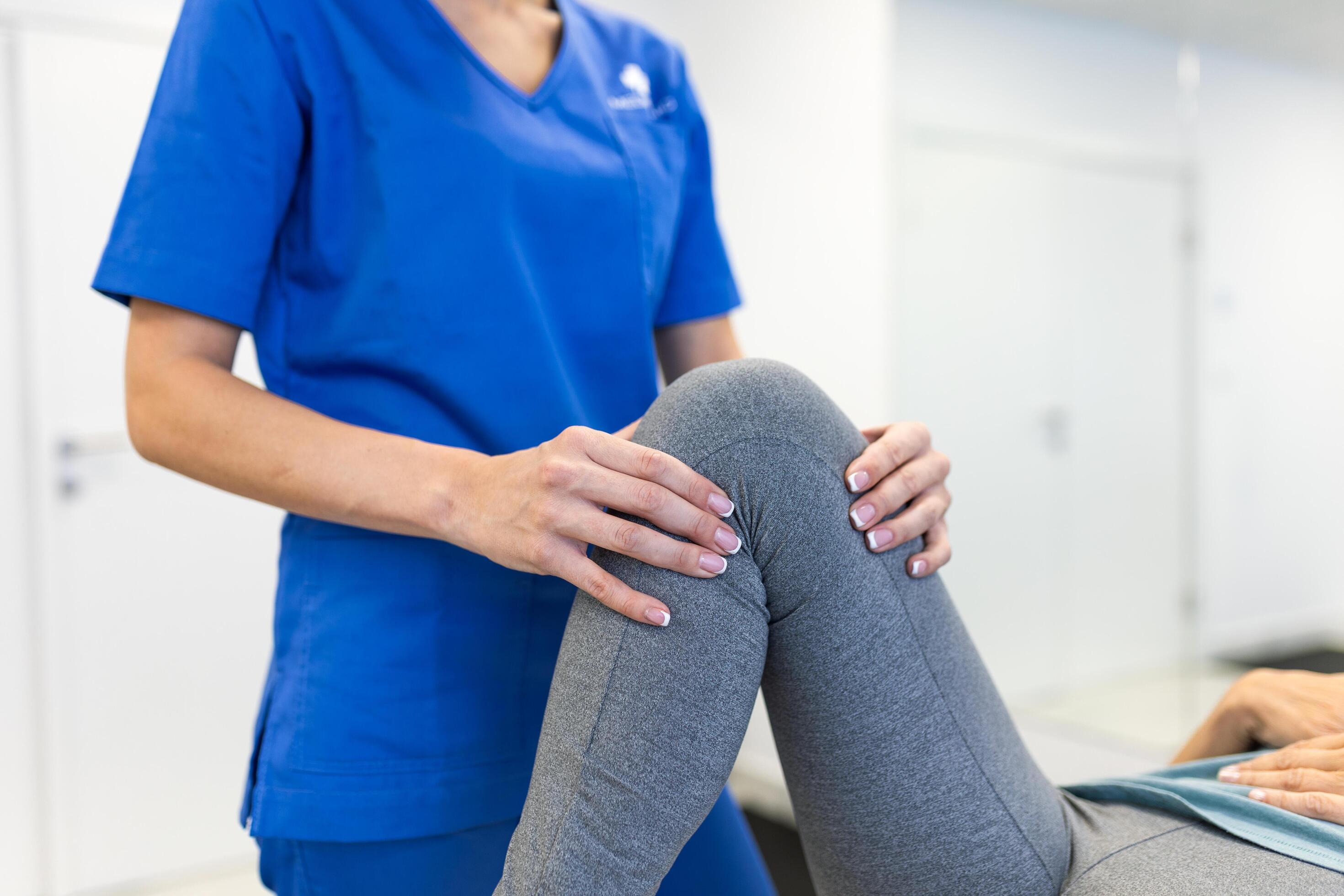
The first step is finding where the system is actually breaking down. Single-leg drills, unstable surfaces, and reactive tasks expose it quickly. The hip that cannot hold position under load. The ankle that gives on an uneven surface. The patient can stand fine, but loses it the moment they turn their head.
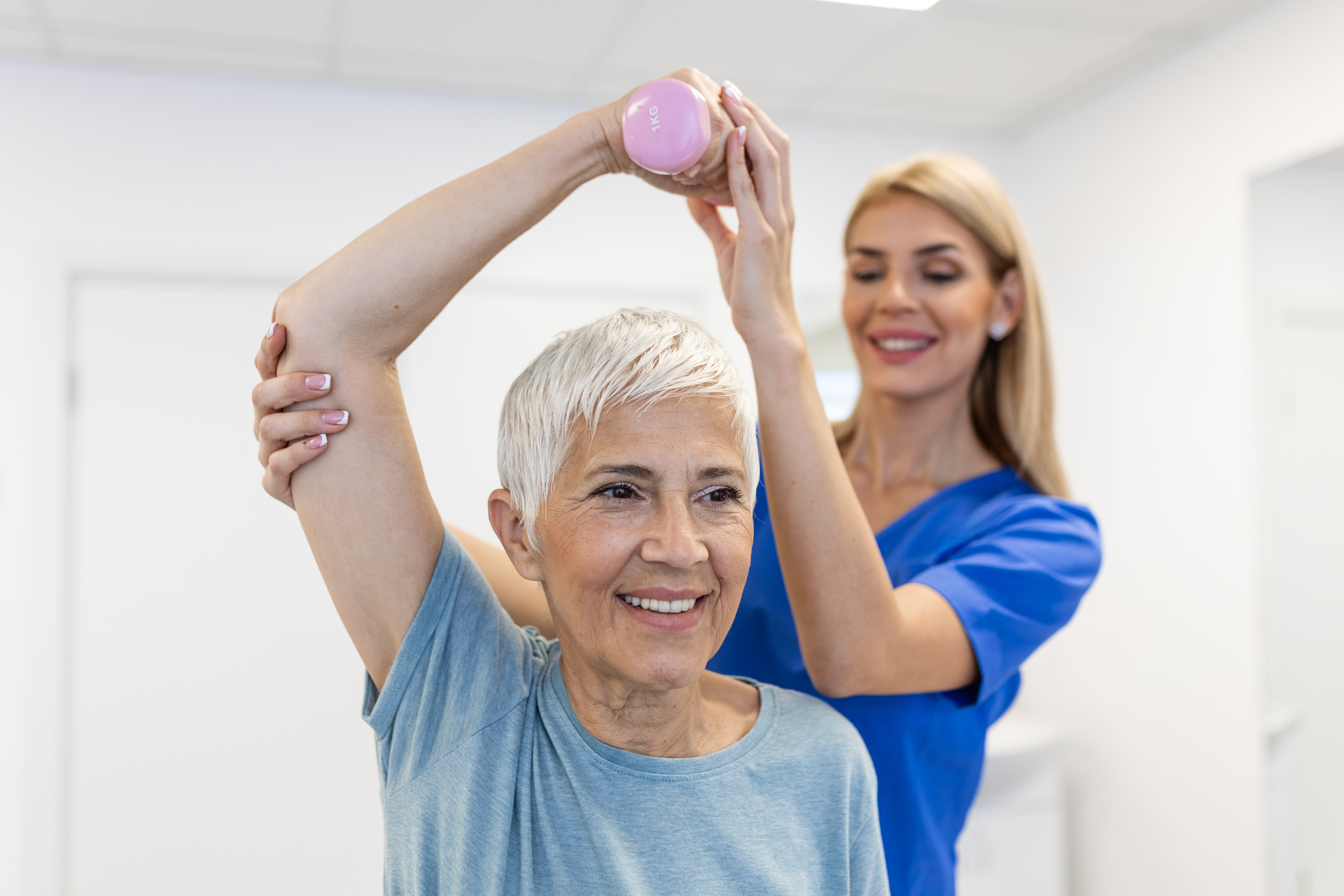
From there, the work targets the specific deficit. Strengthening the hip and ankle for patients whose corrective response is too slow. Vestibular rehab for inner ear problems. Proprioceptive retraining for joints that have lost their sensory function after old injuries. A generic balance routine does none of this. Thirty seconds of single-leg standing every morning is not a program.
The Goal Of Sessions
Early sessions keep things controlled. Feet closer together. Weight shifting deliberately. Different surfaces. The goal is to expose the weak point clearly so the program can target it.
As things improve, the sessions get harder and more realistic:
- Walking on grass and uneven ground
- Managing steps without holding on
- Carrying something while walking through the house
- Recovering from an unexpected bump or stumble
- Moving through a dark room without freezing up
These are the situations that create real fall risk on a real Tuesday afternoon. The rehab has to look like them.
Who Is It Best For?
People managing Parkinson's disease or neuropathy that has dulled sensation in the feet. Anyone coming out of surgery or a long illness who has lost conditioning faster than expected. Older adults in Phoenix whose families noticed the hesitation before they did.
Also, people in their fifties who feel less steady than they used to and would rather deal with it now than wait for a fall to make the decision for them.
If balance has become a concern, call Modern Medicine of Gilbert, AZ to schedule a physical therapy evaluation.