 Most Injuries Have a Warning Sign Nobody Read
A tight hip that has been there for months. A shoulder that clicks on certain movements but never quite hurts enough to deal with. A knee that feels off on longer runs but settles down after a few days.
Most people file these away. They are annoying but manageable. Then one Saturday morning, something gives and what seemed minor turns into weeks on the sideline.
These are not random events. They are patterns. And most of them are readable before the injury happens.
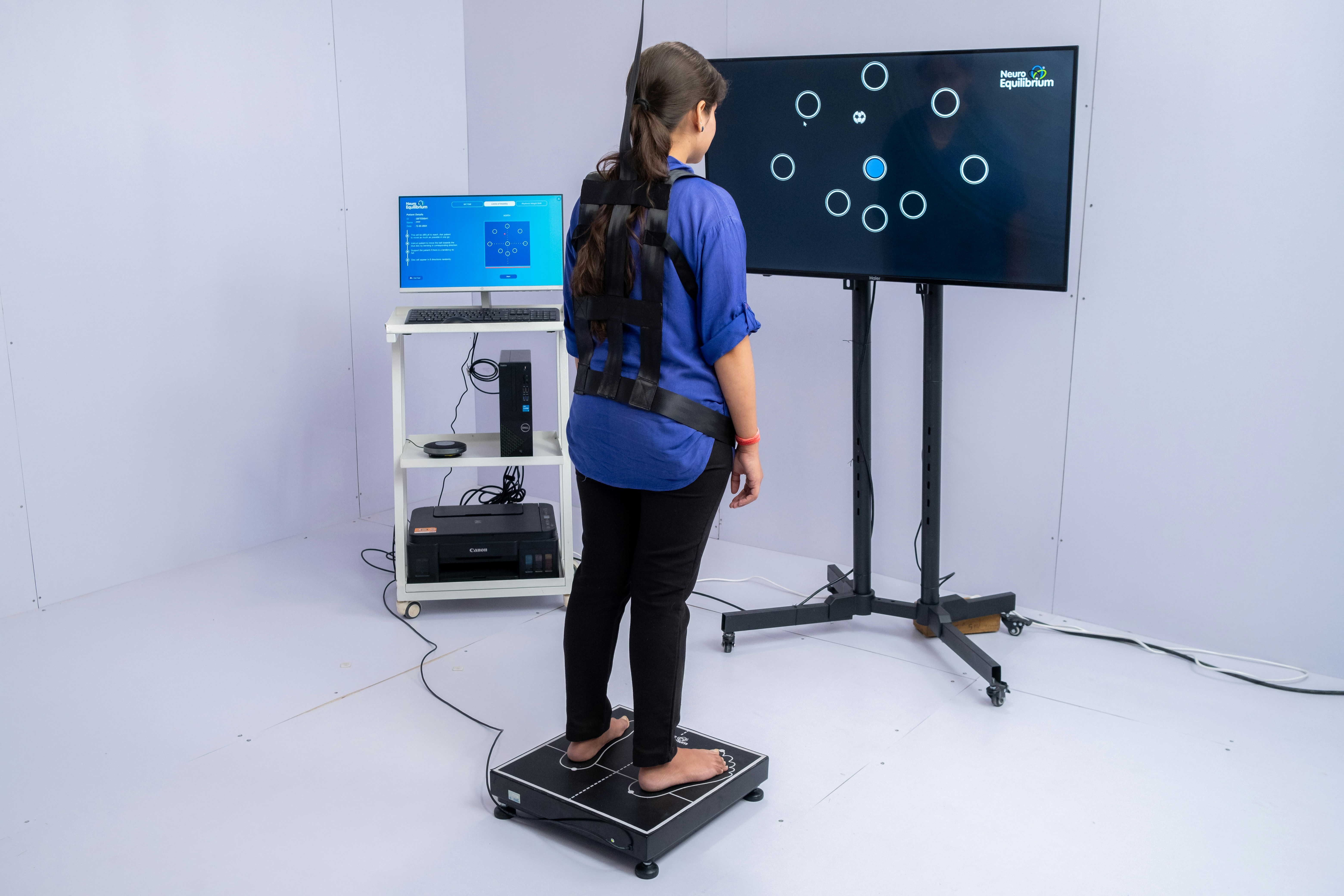
What a Movement Assessment Is Looking For
Strength deficits that leave a joint without support during activity. Movement patterns that load certain structures unevenly on every step or every rep. Flexibility restrictions that push adjacent joints into compensating. Imbalances between left and right, or between opposing muscle groups, that get exposed under fatigue.
None of these causes obvious pain early on. They show up as vague discomfort, reduced performance, or that nagging feeling in a specific spot that never quite goes away. A physical therapist trained in movement screening finds them before they turn into something that requires actual recovery time.
Previous Injuries Make the Next One More Likely
An ankle sprain from two years ago that felt fine after a few weeks. A hamstring pull that settled down and got left alone. These injuries leave things behind. Muscle weakness. Altered movement patterns. Reduced joint awareness. None of it feels like a problem until the body gets pushed hard enough to expose it.
Previous injury is one of the strongest predictors of future injury. The compensation patterns that develop around an injury that was never fully addressed are not neutral. They are loading something else every single time the person moves.
What Preventive Care Actually Involves
It starts with understanding what the body is being asked to do and where it currently falls short of that demand.
Treatment focuses on:
- Strengthening the specific muscle groups that are insufficient for the activity level
- Retraining movement patterns that are putting structures under repeated uneven load
- Addressing flexibility restrictions that are forcing compensations in adjacent joints
- Building tissue tolerance progressively before the activity fully demands it
This is not a generic workout plan. It is built around the specific person, the specific activity, and the specific gaps the assessment identified.
Who Should Consider Preventive Physical Therapy
Preventive physical therapy is worth considering for a range of patients:
- Runners and hikers who deal with recurring hip or knee issues that derail training every few months
- People returning to sport or activity after time off who are loading tissue that has not been stressed in a while
- Anyone with a physically demanding job whose body absorbs repetitive load all week
- Patients who had a previous injury that felt fine after a few weeks, but never went through proper rehab
- Active adults who want to stay consistent with their activity level without the cycle of injury and recovery interrupting it
If you are active and want to stay that way, contact Modern Medicine of Gilbert, AZ to schedule a movement assessment.