 What Happens at the First Visit
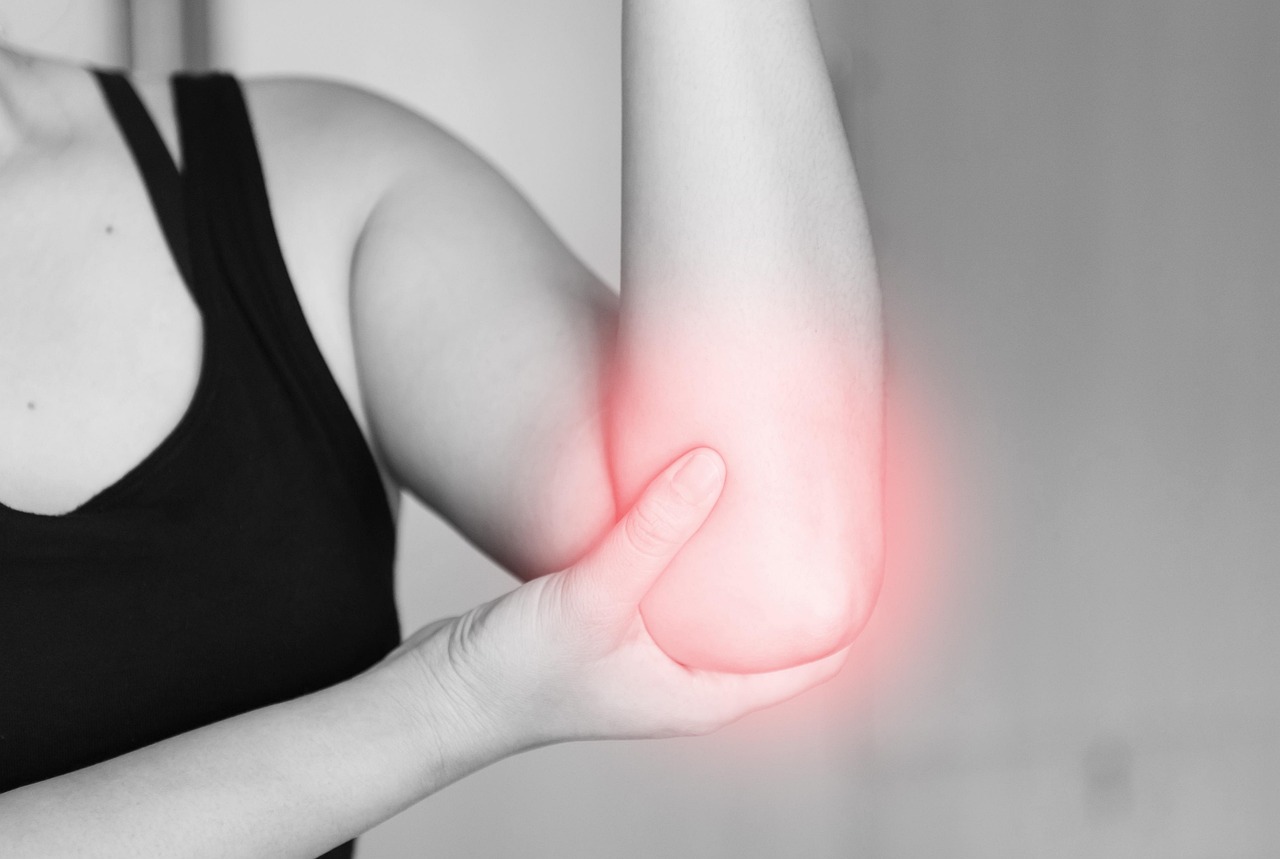
Chronic joint pain usually sends people in after weeks or months of trying to manage it on their own.
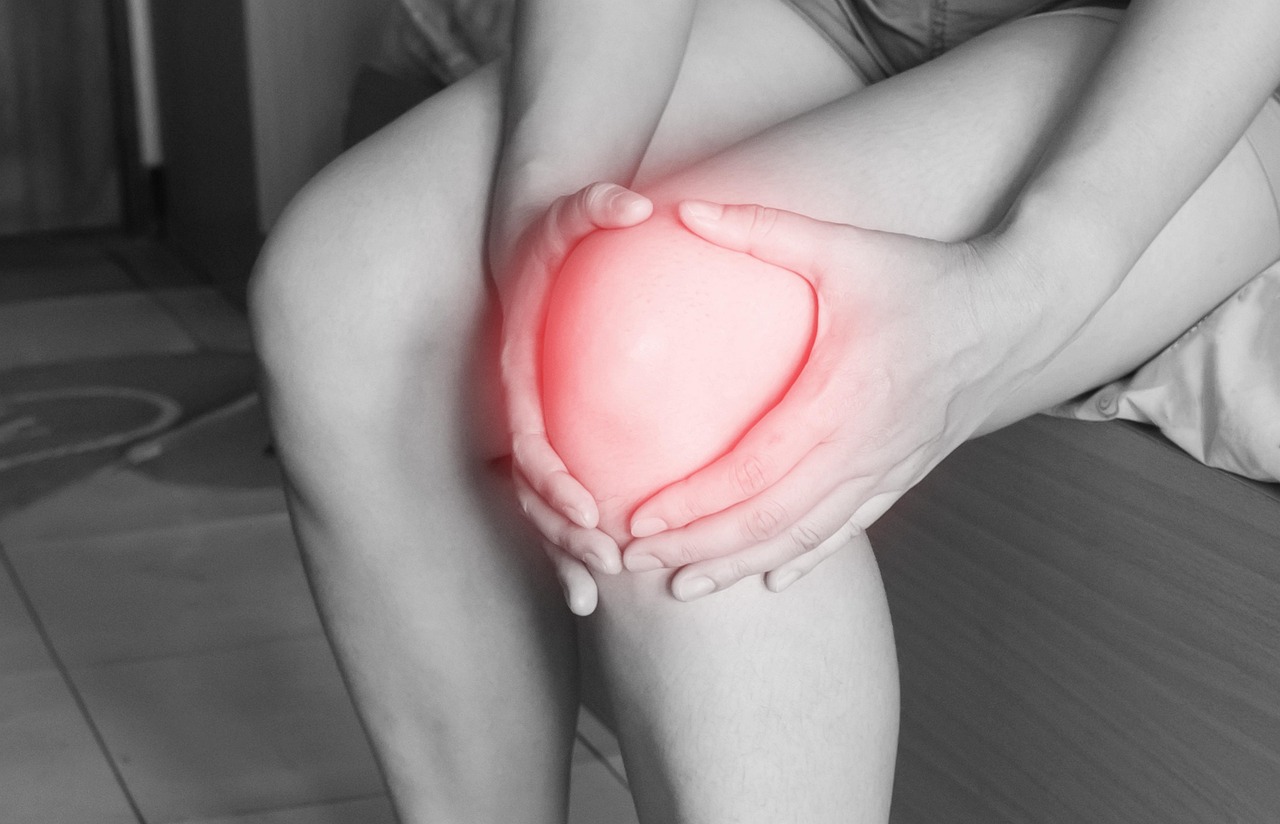
By the time they come in, the pain may be affecting stairs, sleep, walking, workouts, or simple things like getting dressed and standing up from a chair. Some patients are dealing with knee pain. Others have pain in the hip, shoulder, or another joint that keeps getting irritated.
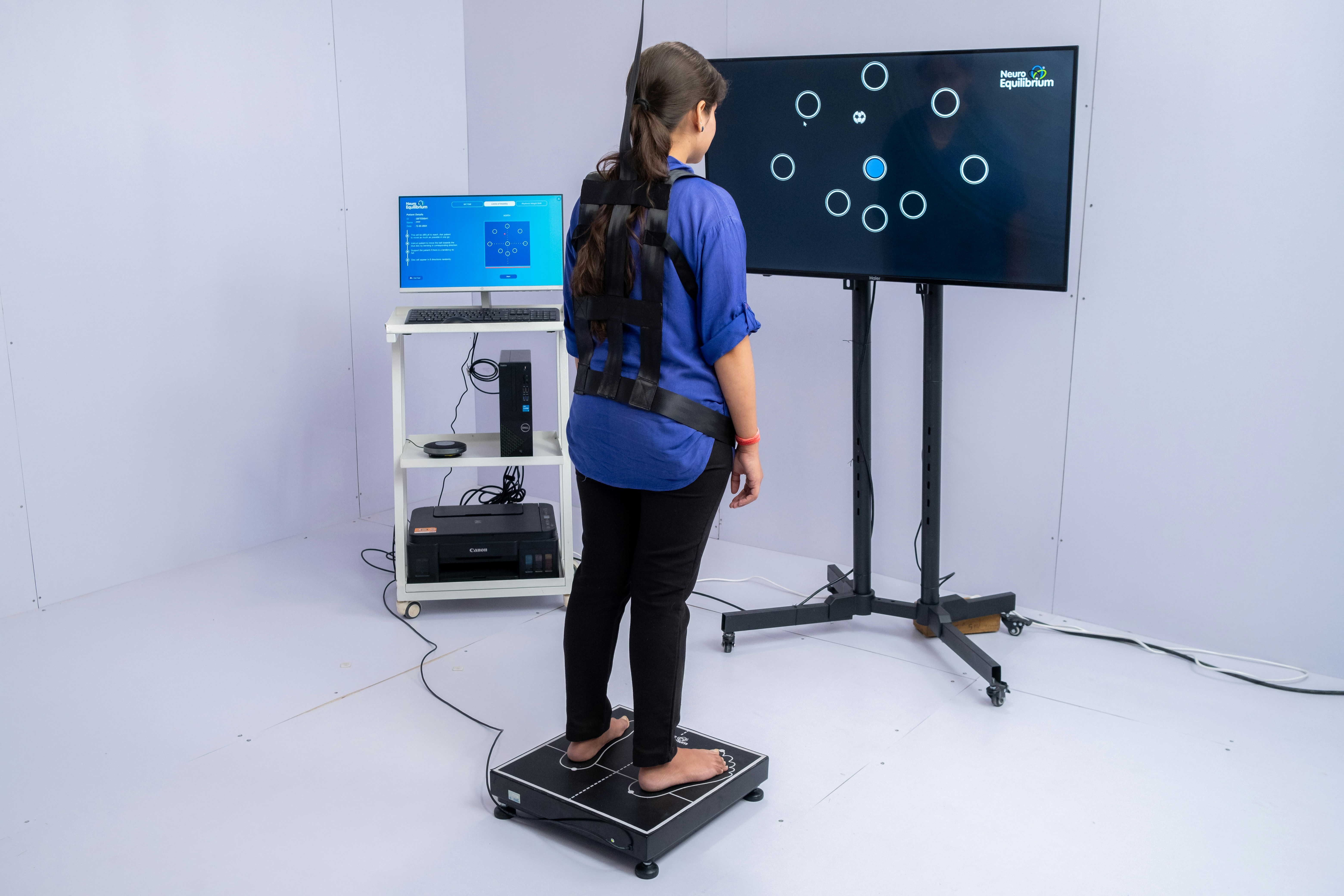
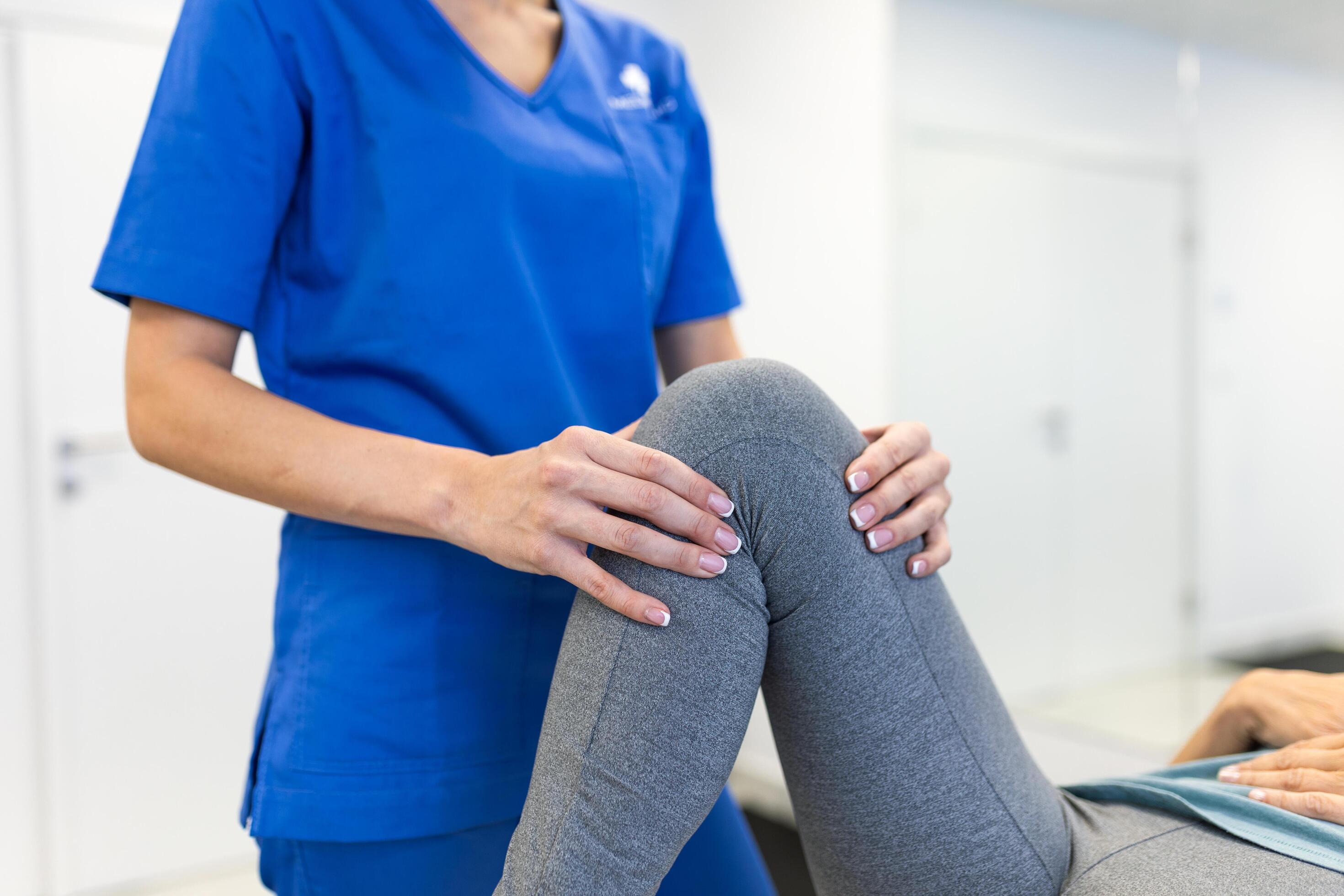
An expert non-surgical orthopedic visit starts with the basics, but the useful kind. We look at where the pain is, what motions set it off, how long it has been going on, and how it is changing daily life. We also look at how the joint moves and whether nearby muscles are helping enough or adding more strain.
What The Doctor May Suggest
The treatment plan depends on the joint and the cause, but most patients are not sent home with one simple answer.
A non-surgical orthopedic doctor may suggest:
- Physical therapy
- Strength work
- Mobility exercises
- Changes to activity
- Anti-inflammatory treatment
- Bracing in some cases
- Injections
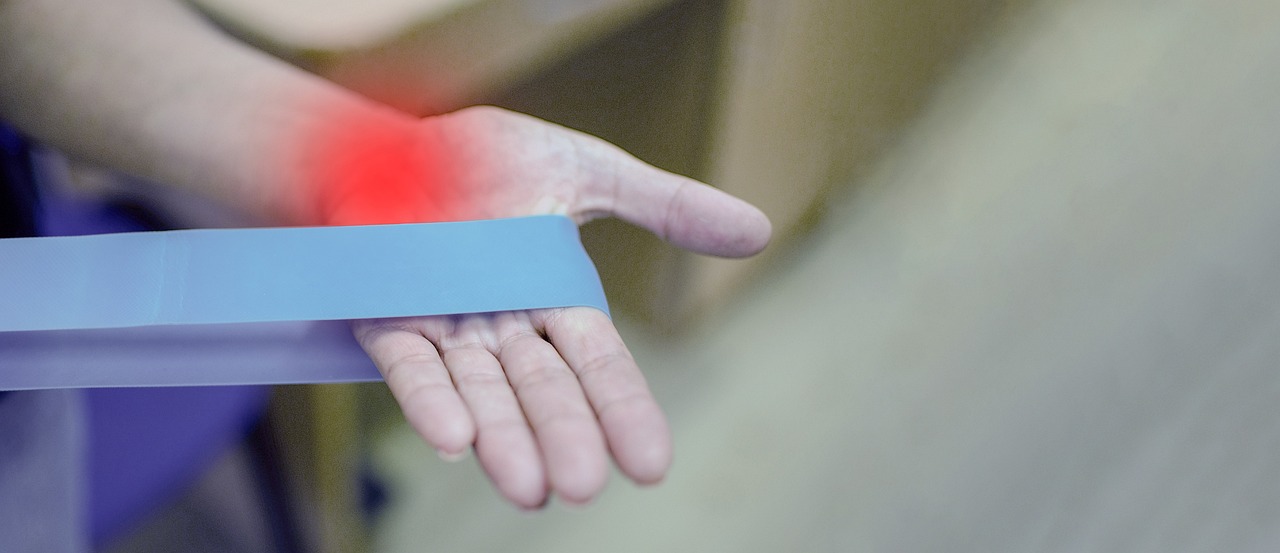
Each option has a job. Physical therapy may help the joint move better and build support around it. Strength work can take pressure off the painful area. Mobility work may help with stiffness that makes daily movement hard. Activity changes can calm things down while the body catches up. In some cases, injections may be suggested when pain is making progress harder.
Why Following The Plan Matters
A lot of people feel a little better, then stop too early. That is one of the biggest reasons chronic joint pain drags on. The pain drops just enough to make it tempting to go back to everything at once. Then the flare comes back. It is a frustrating cycle.
Making the most of treatment usually means staying steady even after the worst symptoms ease up. If the doctor suggests therapy, go consistently. If exercises are part of the plan, do them the way they were given. If certain activities need to be reduced for now, take that seriously. Small choices add up.
What Helps At Home
Home habits matter more than people think. The joint has to deal with real life between visits, not just treatment sessions. That means the way you move at home can either help progress or keep the problem going.
A few things usually help patients stay on track:
- Keep up with home exercises
- Avoid jumping back into heavy activity too fast
- Use good support shoes when needed
- Break up long periods of sitting
- Pay attention to motions that trigger repeat flare-ups
It also helps to notice patterns. If your knee always hurts more after stairs, or your shoulder flares every time you lift overhead, that is useful. Bring that information back to the doctor or therapist. It can help shape the next step.
At Modern Medicine of Gilbert, AZ, we help patients with chronic joint pain build a treatment plan they can actually follow. If a joint has been hurting for weeks, limiting movement, or changing the way you get through the day, getting it checked is a smart first step.