 What Orthopedic Doctors Do
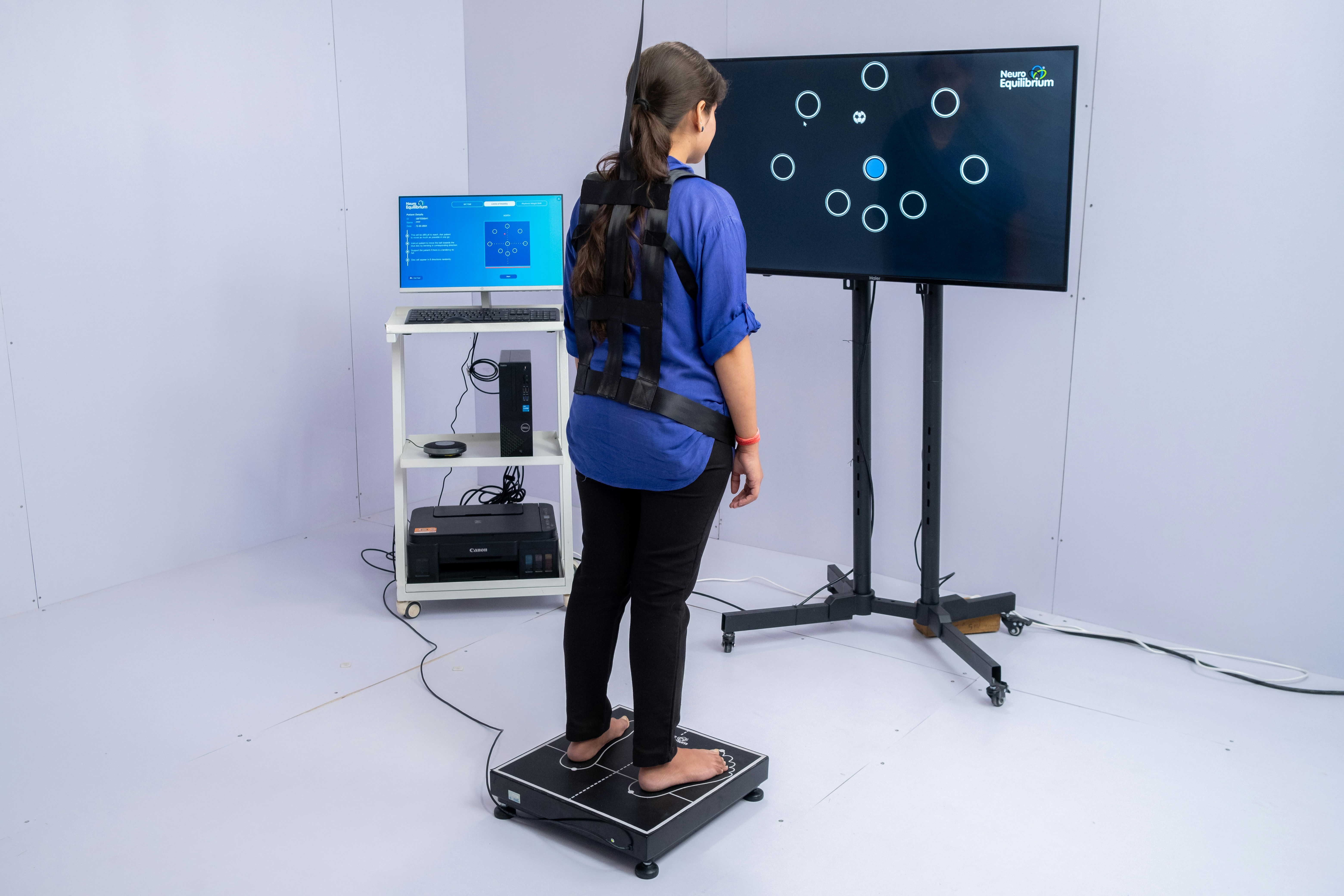
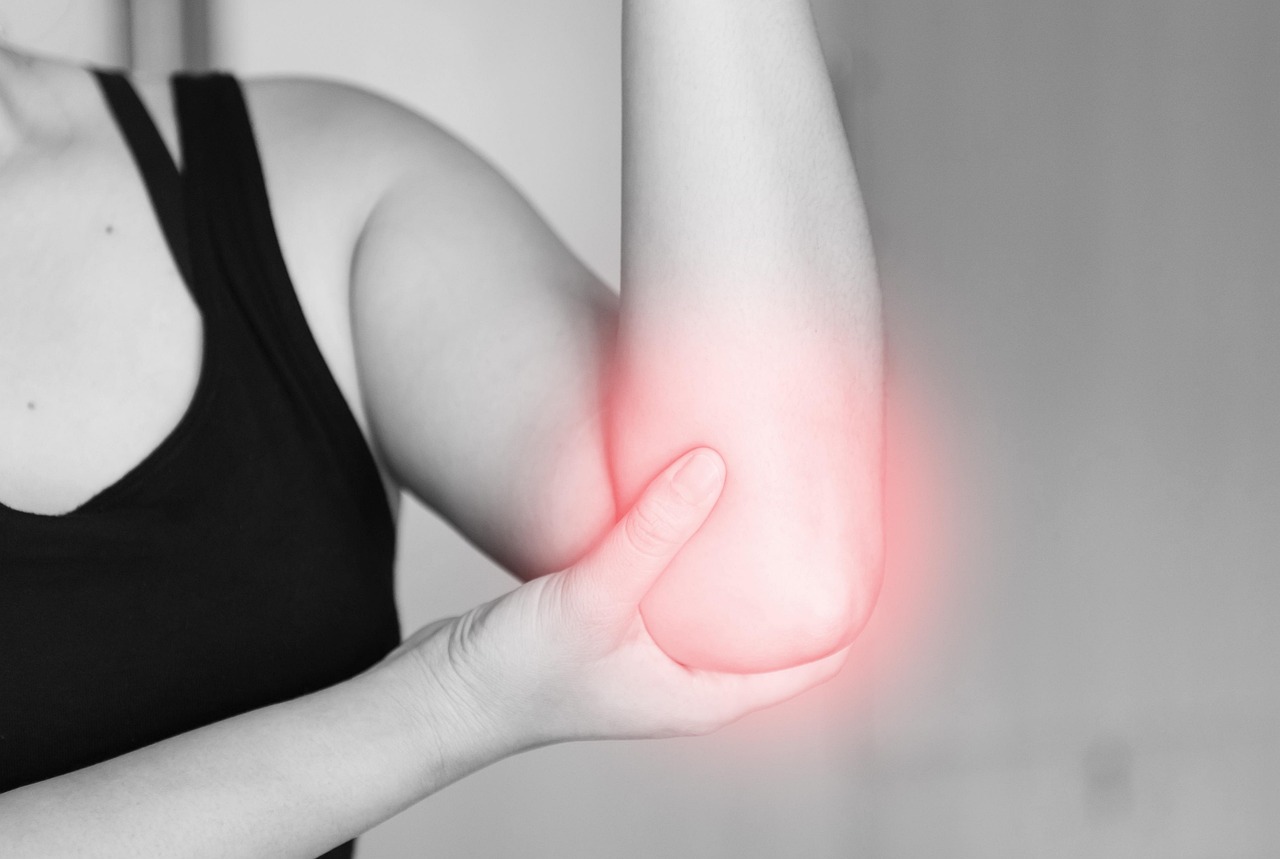
A non-surgical orthopedic doctor looks at joint pain, movement problems, and function. For hip pain, that means figuring out what is bothering the joint, what is making it stick around, and what can be done before talking about surgery. The visit is meant to answer real questions. Why does it hurt here? Why does it flare after walking? Why does it keep coming back?
At Modern Medicine of Gilbert, AZ, that process starts with a close look at how the hip feels and how it moves. We also look at what daily tasks are getting harder. That matters because hip pain usually shows up in regular life before people decide to get help.
The Ways Hip Pain Starts Showing Up
Hip pain does not always hit hard at the start. A lot of times it sneaks in.
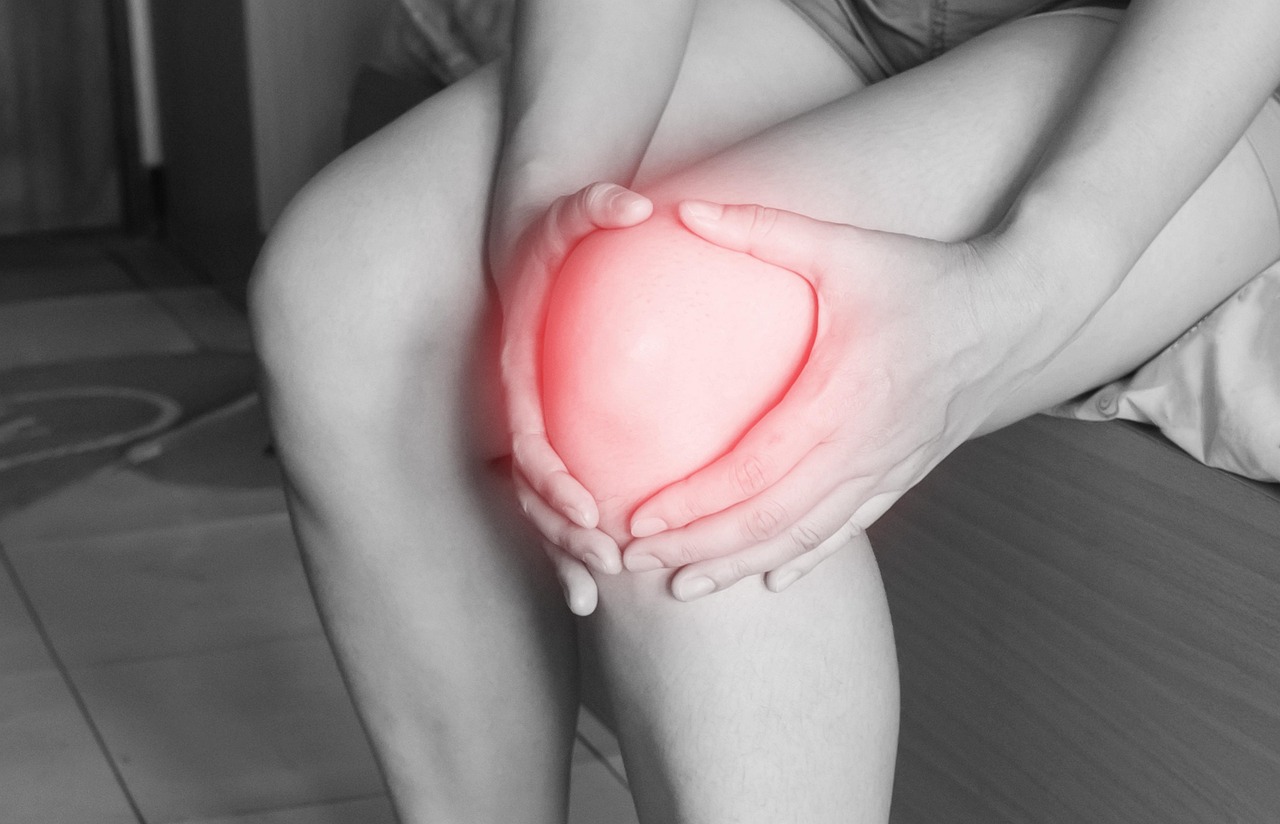
You may feel a pinch getting out of the car. You may notice stiffness after sitting through dinner. You may start taking stairs slower without really thinking about it. Some people feel it in the groin. Some feel it on the outside of the hip. Some just say the joint feels off.
Common complaints include:
- Pain after longer walks
- Stiffness in the morning
- Soreness when rolling in bed
- Trouble bending to put on shoes or socks
- Aching after standing too long
That mix is part of what makes hip pain annoying. It gets into little parts of the day and stays there.
What We Check During The Evaluation
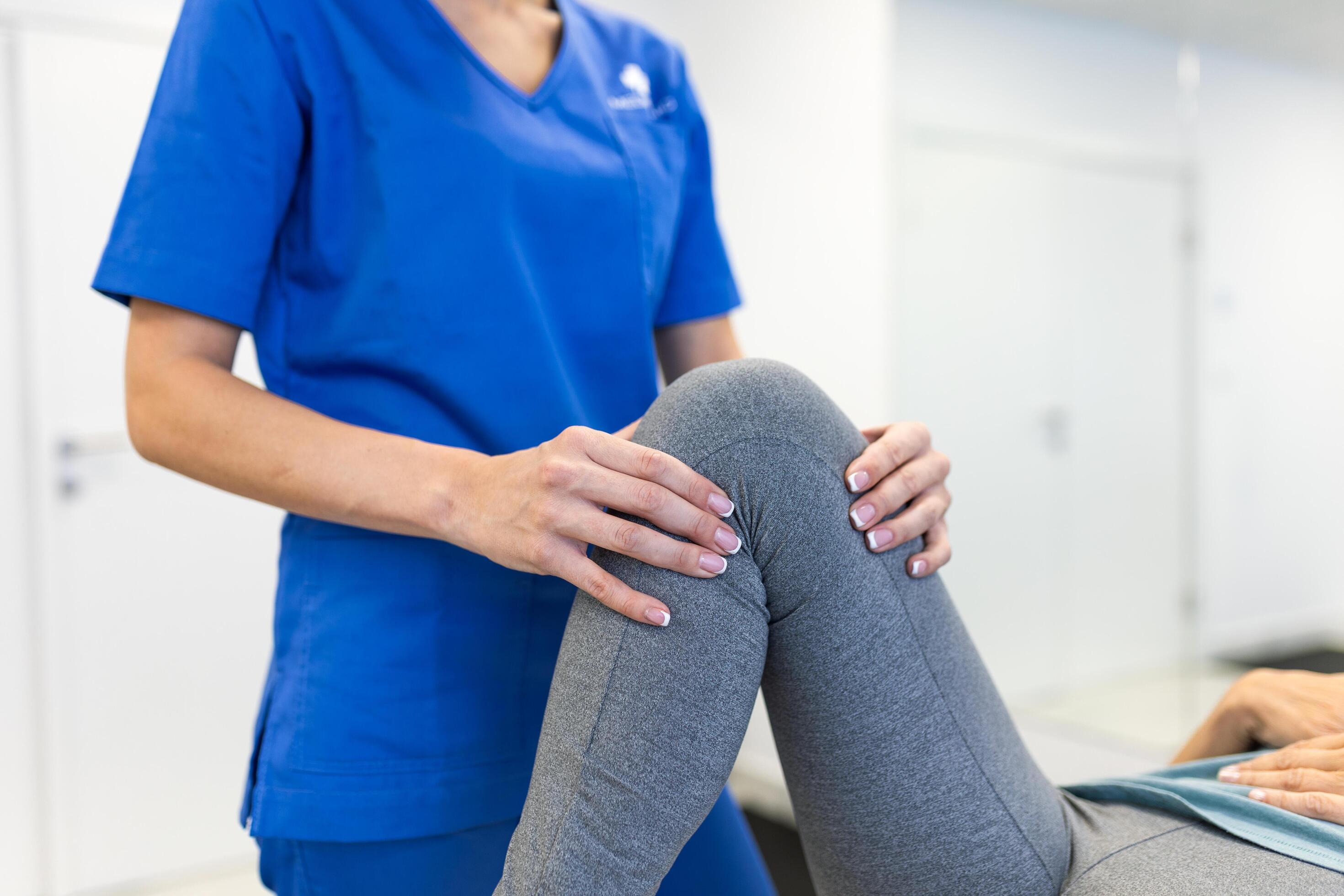
We look at when the pain started, what makes it worse, and how the hip handles weight, motion, and daily movement. We may also look at the lower back, pelvis, and muscles around the hip. Sometimes the joint is the main issue. Sometimes the hip is doing extra work because something nearby is not helping enough.
That is why a proper exam can save time. It helps narrow down whether the pain seems more related to joint wear, tendon irritation, weakness, inflammation, or an old problem that never fully settled down.
Treatment Options
A lot of hip problems can be treated without surgery.
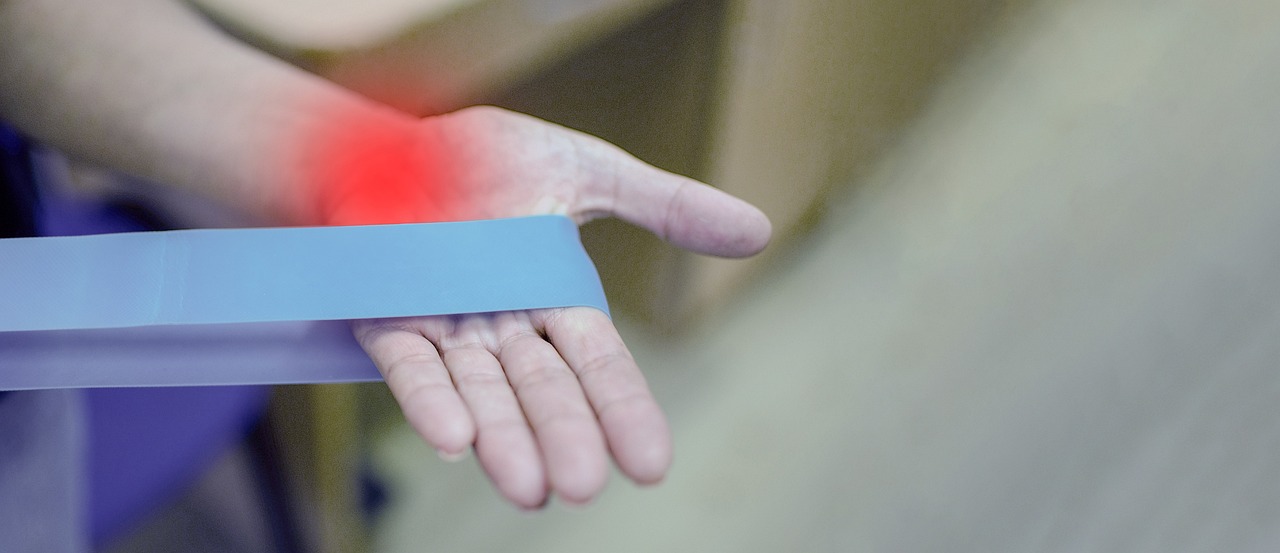
The next step may include physical therapy, strength work, mobility exercises, changes to activity, or other conservative care based on what the exam shows. Some people need better support through the glutes and core. Some need the joint to move more freely. Some need both.
The point is not to throw random advice at the problem. The point is to build a plan that fits the way the hip is acting now.
When It Is Time To Stop Waiting
People wait on hip pain for all kinds of reasons. They stay busy. They hope it passes. They tell themselves it is not that bad. Then weeks turn into months.
It is a good time to get the hip checked when pain keeps coming back, sleep is getting interrupted, walking distance is getting shorter, or daily movement feels more limited than it used to. Pain does not have to be severe to matter. If it keeps changing how you move, it is worth getting looked at.
At Modern Medicine of Gilbert, AZ, we help patients get a clear answer and a plan that makes sense. If hip pain has been hanging around, a non-surgical orthopedic evaluation may be a smart place to start.