 What Frozen Shoulder is Like
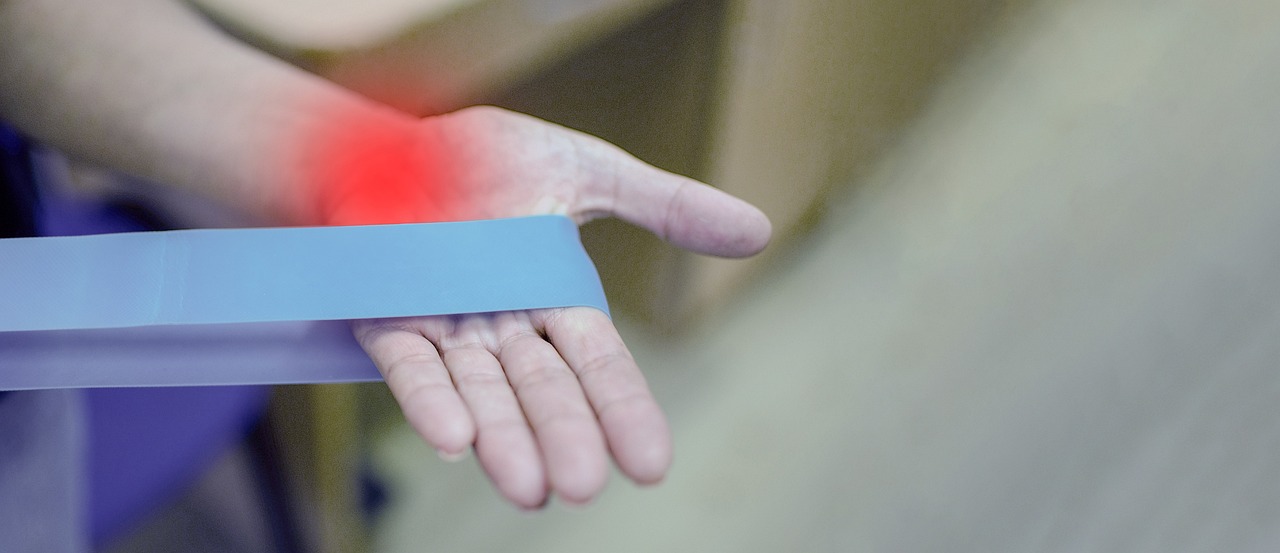
Frozen shoulder often creeps in. First, it is a sore shoulder at night. Then it hurts to reach into the back seat. Putting on a jacket gets frustrating. You stop lifting your arm to wash your hair because it feels stuck. After a while, the shoulder tightens more, and the arm feels weaker since you are using it less.
The Treatments Most People Start With
Many frozen shoulder plans begin with a few simple steps. They aim to lower irritation, keep the joint moving, and stop the shoulder from locking down more.
- Short-term pain medicine when it fits your health history
- Activity changes that limit flare-ups but still keep you moving
- A structured physical therapy plan with stretching and hands-on work
- A home program that matches your current pain level
- Guidance on sleep positions that reduce night pain
- Follow-up visits that adjust the plan as motion returns
Why Physical Therapy Matters So Much
Physical therapy gives you a steady way to reclaim motion without fighting your shoulder every day. A therapist helps you find the right stretch angle and the right intensity. Too hard can flare you up. Too light can feel like nothing changes. Therapy also includes joint mobilization in many cases, which can help when the capsule feels thick and tight.
When Injections Can Help
Some people cannot get traction because pain blocks everything. A corticosteroid injection can reduce inflammation and pain for many patients, especially early on. It is not a cure by itself. Think of it as making room for progress. When pain drops, you can stretch more consistently and take full advantage of therapy.
Hydrodilatation As A Middle Step
Hydrodilatation is a procedure where fluid is placed into the shoulder joint to stretch the tight capsule. Some clinics pair this with medication to reduce irritation. It is often used when stiffness is a major limit and progress has stalled. Rehab after the procedure matters a lot, since the shoulder needs guided motion while it is more flexible.
Do You Need Surgery For Frozen Shoulder?
Most people do not. Surgery is usually reserved for cases that stay stiff and painful after a full trial of non-surgical care. Two procedures come up most often. One involves stretching the shoulder while you are asleep under anesthesia. The other releases the tight tissue with a scope. Both require rehab after, or the shoulder can tighten again.
Home Steps That Help Without Making It Worse
- Use heat for ten minutes before stretching
- Stretch two to four times per day in short sets
- Stay out of sharp pain and avoid forcing the end range
- Support the arm at night with a pillow so it does not hang forward
- Add gentle reach tasks during the day, like sliding your hand up a wall
What Real Progress Looks Like
Early progress often shows up in sleep. Then you notice simple wins, like reaching the seat belt or washing your hair with less strain. Range usually returns in stages, not all at once. Strength comes later, once the shoulder moves without a strong pain response. A good orthopedic plan sets clear targets so you can tell the difference between a normal sore day and a true flare.
Modern Physical Therapy & Sports Medicine of Gilbert is here to help. Set up an appointment to review your best options for frozen shoulder today.