 Why Overuse Injuries Keep Coming Back
Overuse pain often starts when training changes faster than your tissues can handle. A new route with more hills can do it. A jump in weekly mileage can do it too. Many runners also carry small form issues for years, then one busy month pushes things over the edge. A sports medicine visit can help you find the driver, so you stop repeating the same cycle.
Overuse Injuries Runners Commonly Deal With
Runners often show up with pain that builds over time, not a single moment injury. The location matters, but the pattern matters more, like pain that starts at mile two every run.
- Achilles tendon pain that stiffens in the morning
- Shin pain that worsens with impact days
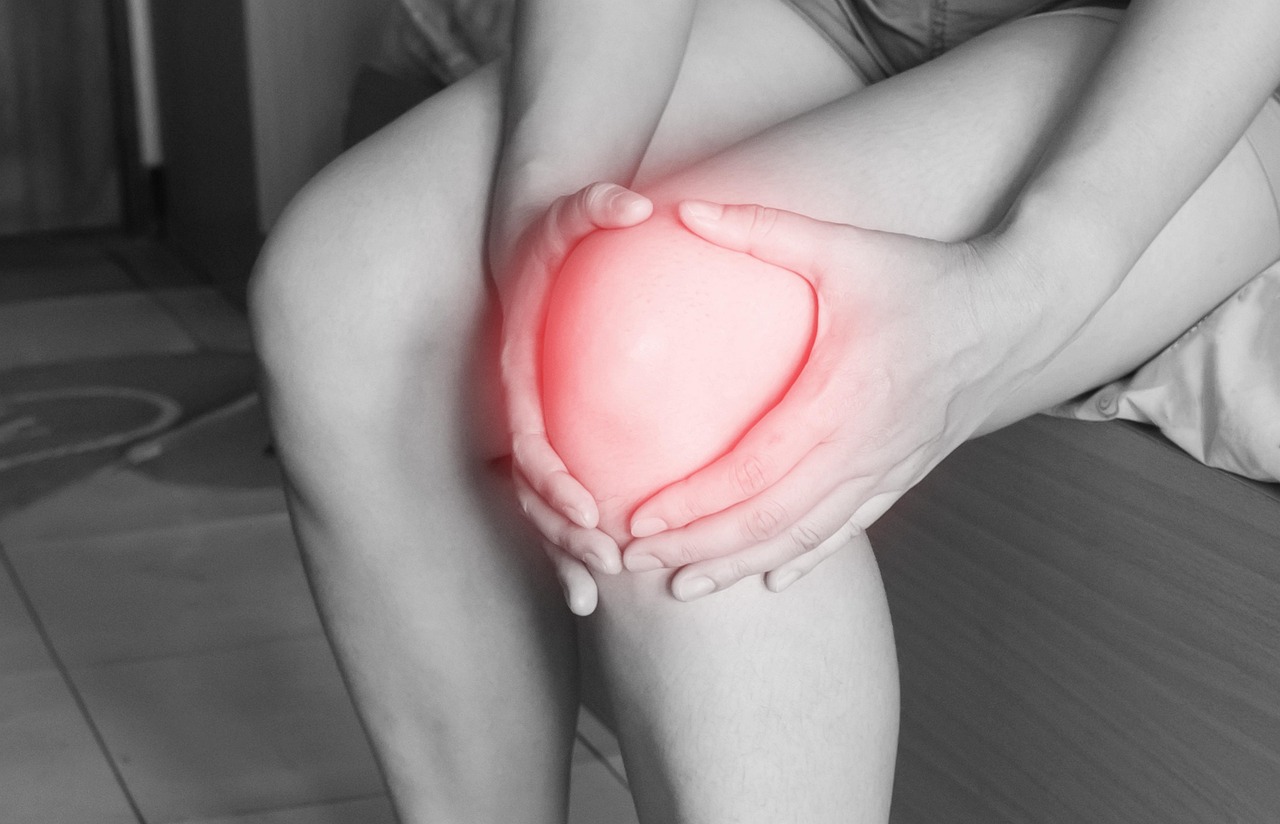
- Runner’s knee pain that flares on stairs and hills
- IT band pain on the outside of the knee
- Plantar heel pain that hurts on the first steps
- Hip tendon pain that shows up after longer runs
What A Sports Medicine Exam Focuses On
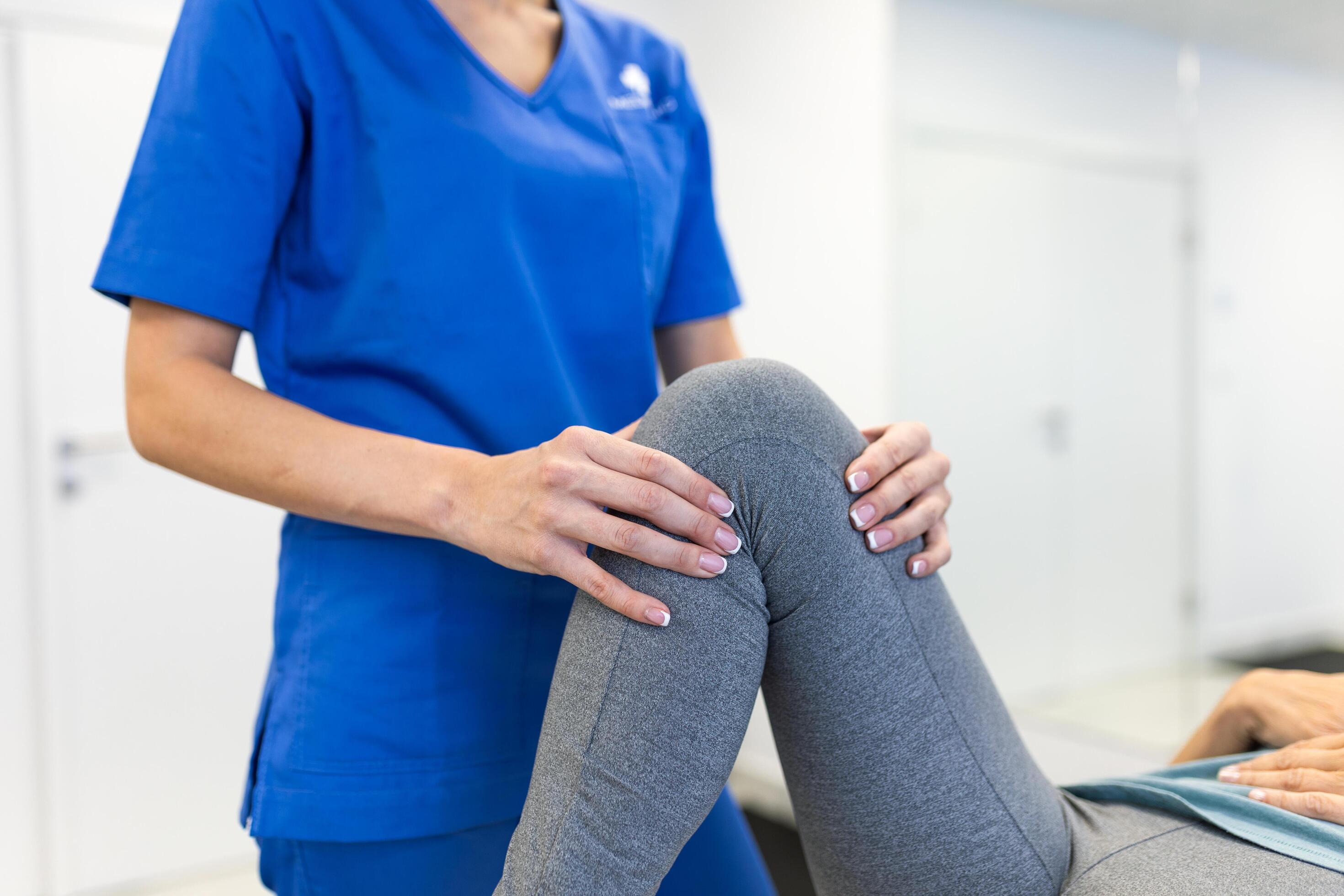
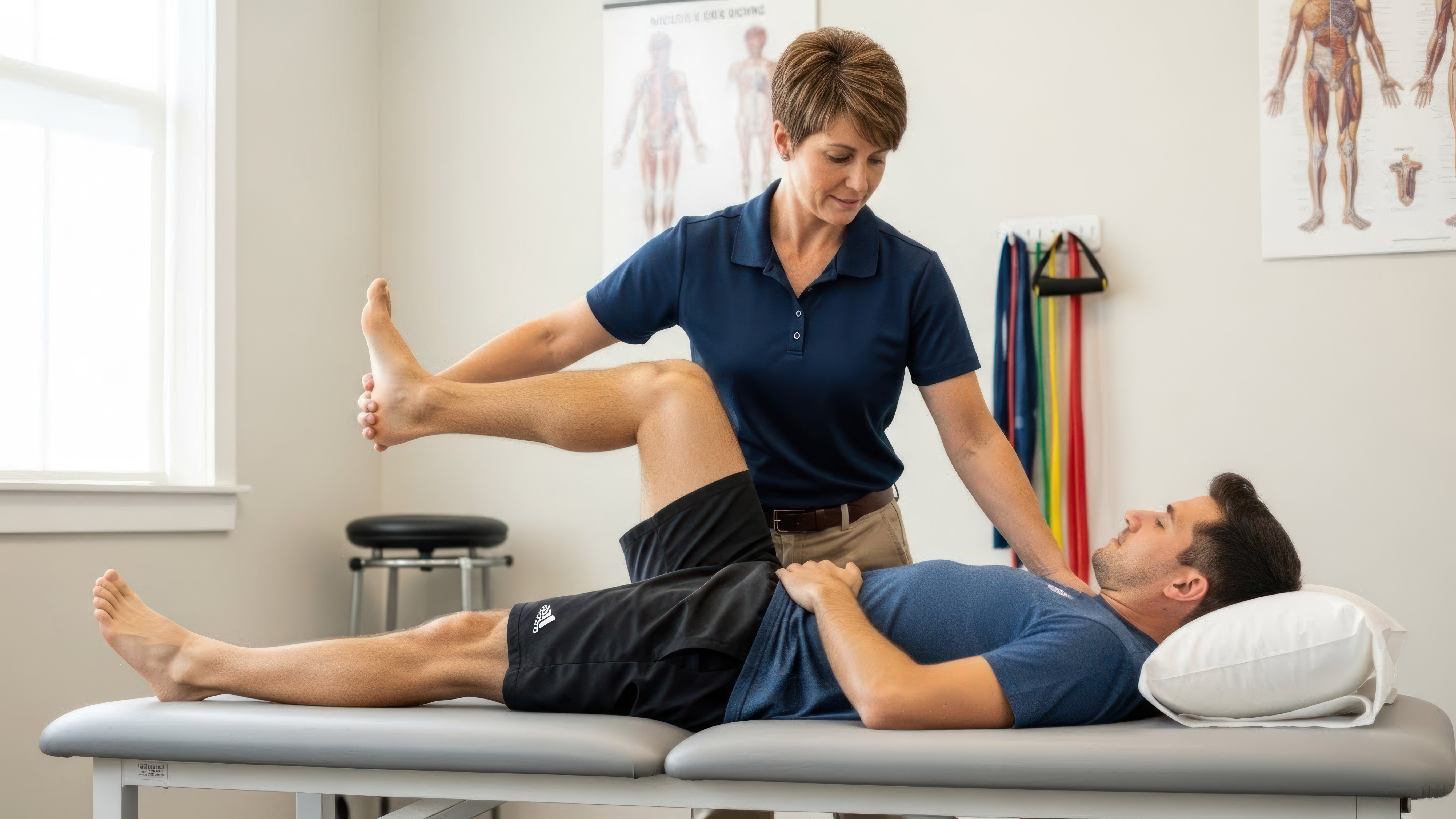
A useful exam does more than press on the sore spot. The clinician looks at your ankle motion, hip strength, and knee control. They also check how you load the leg during a squat, a step down, and a single-leg balance task. Many clinics will ask about shoes, surfaces, and recent training changes. Those details help connect the dots between your schedule and your symptoms.
Service Options That Can Help Runners Heal
Modern Physical Therapy & Sports Medicine of Gilbert blends physical therapy with non-surgical orthopedics, so runners can get both rehab and medical guidance in one place. Some clinics also use advanced imaging as part of evaluation and care planning.
- Sports rehab plans that rebuild strength and control
- Foot and ankle rehab for stride support and push-off pain
- Orthopedic exams to sort out stubborn cases
- Steroid injections for select cases when pain blocks rehab
- Physical therapy visits that guide the return to running
How Physical Therapy Helps Runners Train Again
Therapy for runners usually starts by calming the irritated tissue, then rebuilding tolerance. You may begin with isometrics and short-range strength work that does not spike pain. Next, you build calf, quad, and hip strength with slow control. Then you add impact prep, like small hops, faster step-downs, and short run/walk intervals. This is how many runners return without guessing when it is safe to push.
A Simple Way To Avoid Another Flare
Runners often want a single rule to follow. Use a pain limit and a next-day check. Keep pain during a run low and steady, and make sure it does not rise the next morning. If it does, cut the next session, then adjust pace, distance, or hills before you build again.
If you are dealing with an overuse injury that keeps ruining your training week, a sports medicine visit can help you get a clear plan and a safer return to running.