 What is Overuse?
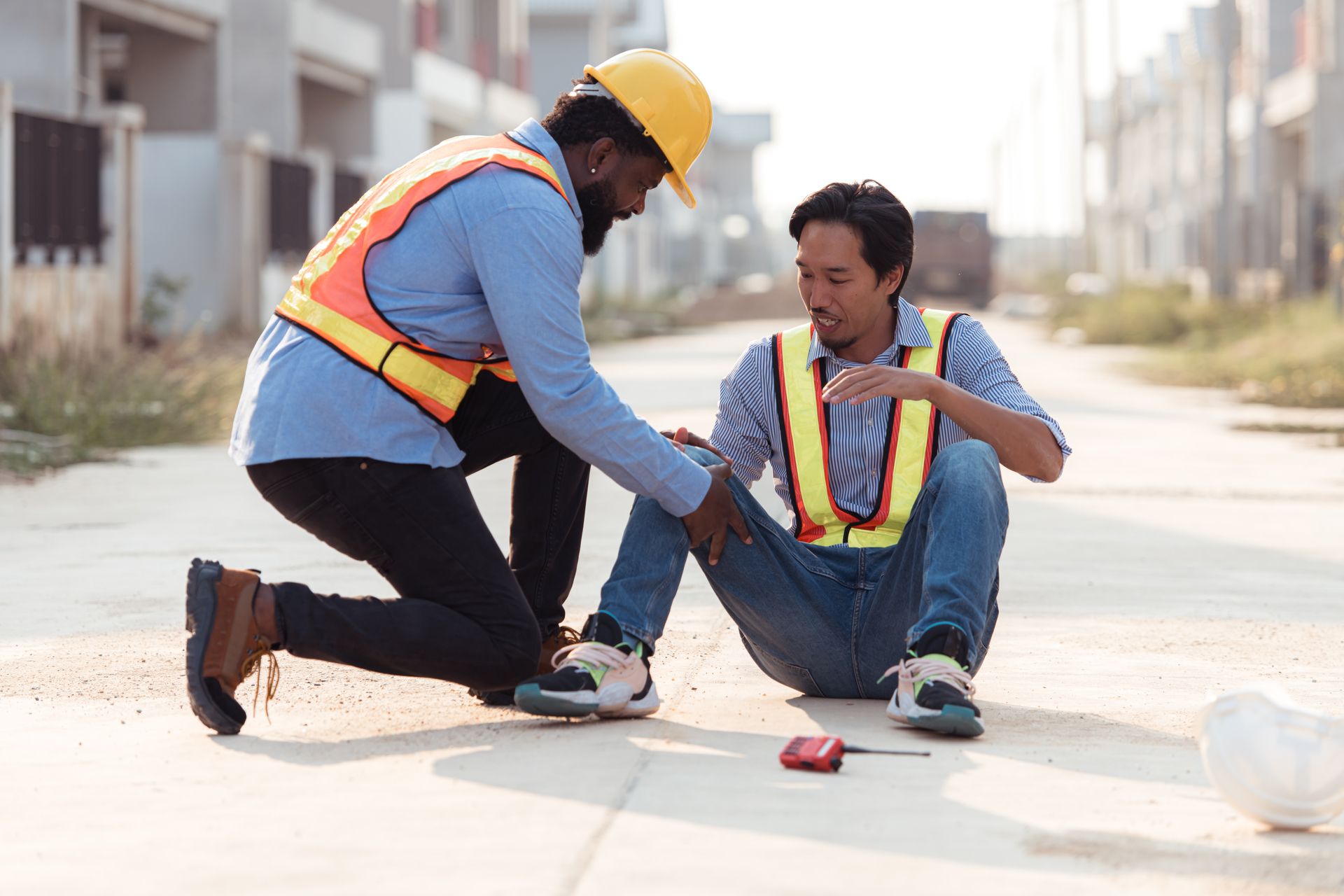
Overuse injuries build from repetition. The same reach, the same lift, the same grip, the same posture. If recovery never catches up, tissues stay irritated. People often push through because they need the paycheck, and the ache becomes the baseline.
Where Do People Notice Overuse?
Work overuse shows up in predictable places because those areas take repeated loads. Common trouble spots include:
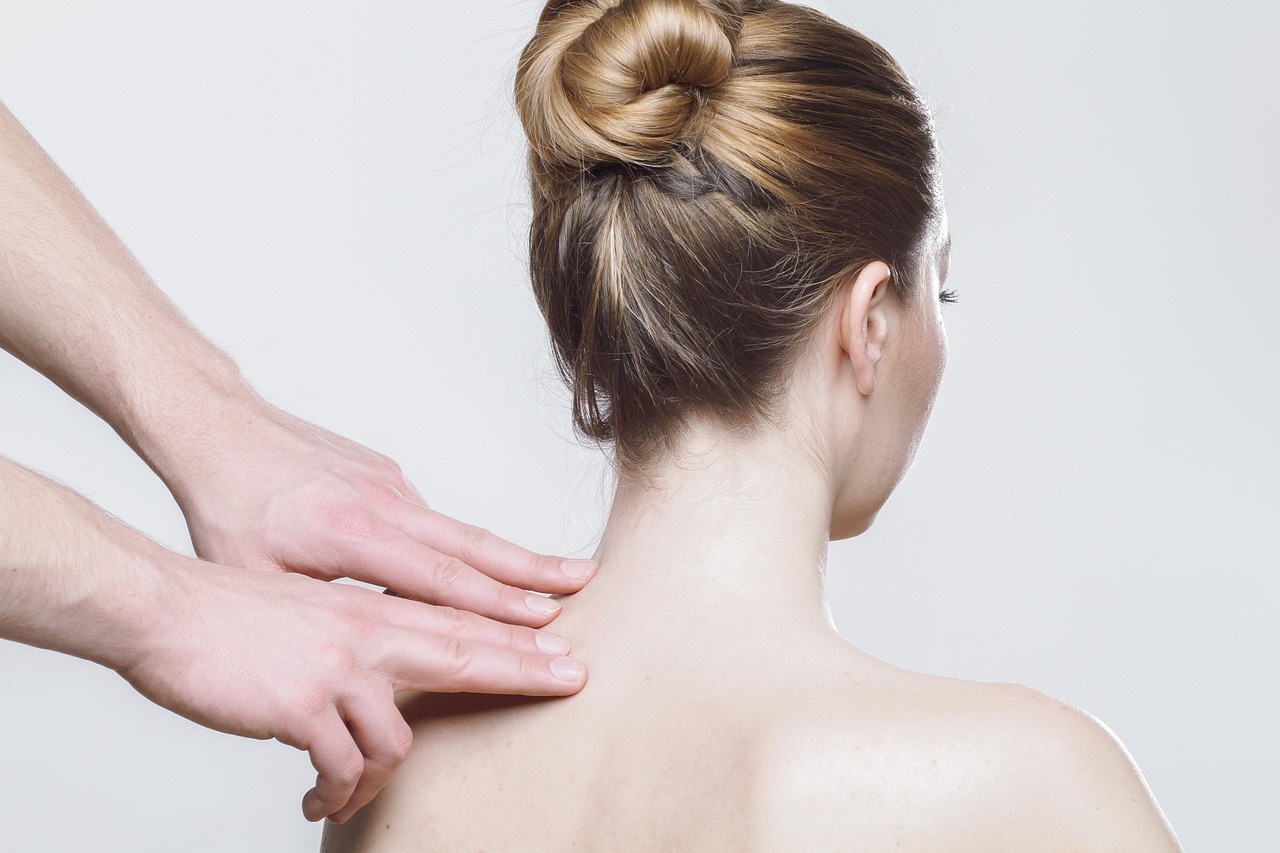
- Neck and upper back from long computer time or looking down
- Shoulders from overhead work, lifting, or repeated push and pull
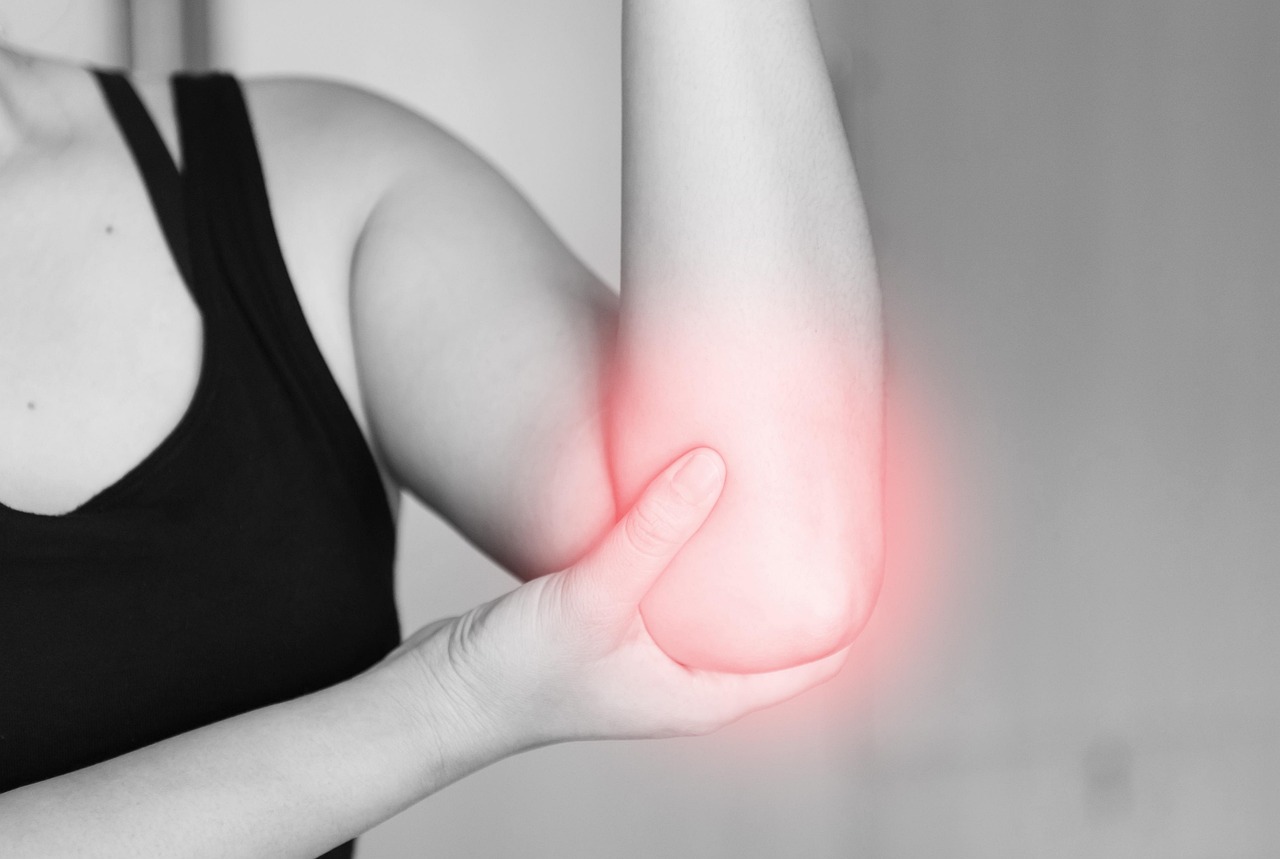
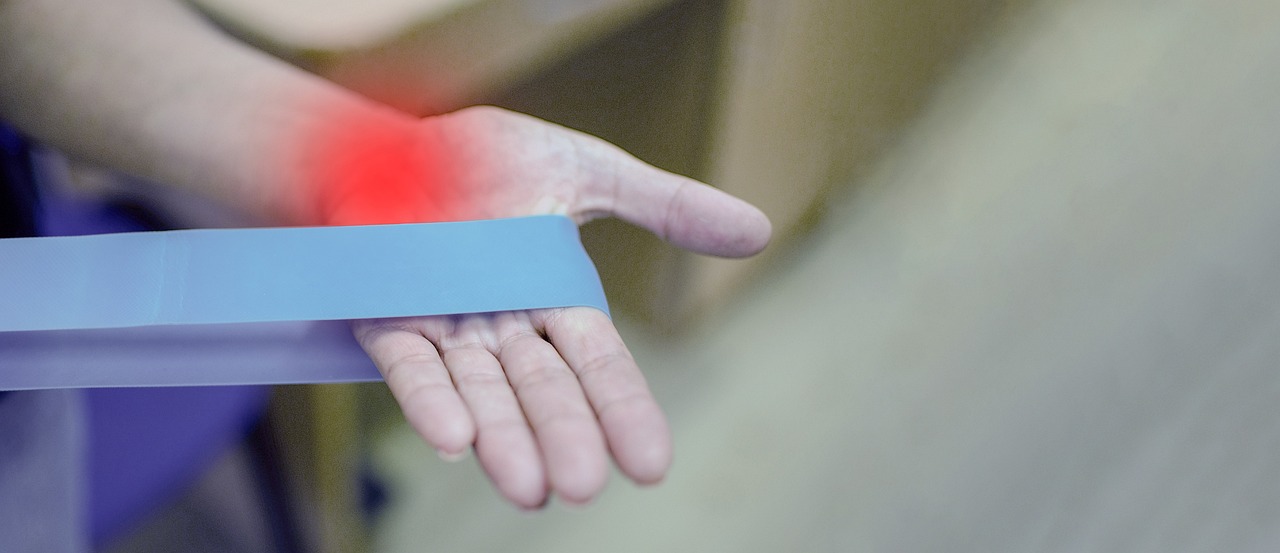
- Elbows and wrists from gripping tools, typing, or repetitive hand use
- Low back from bending, twisting, lifting, and long standing
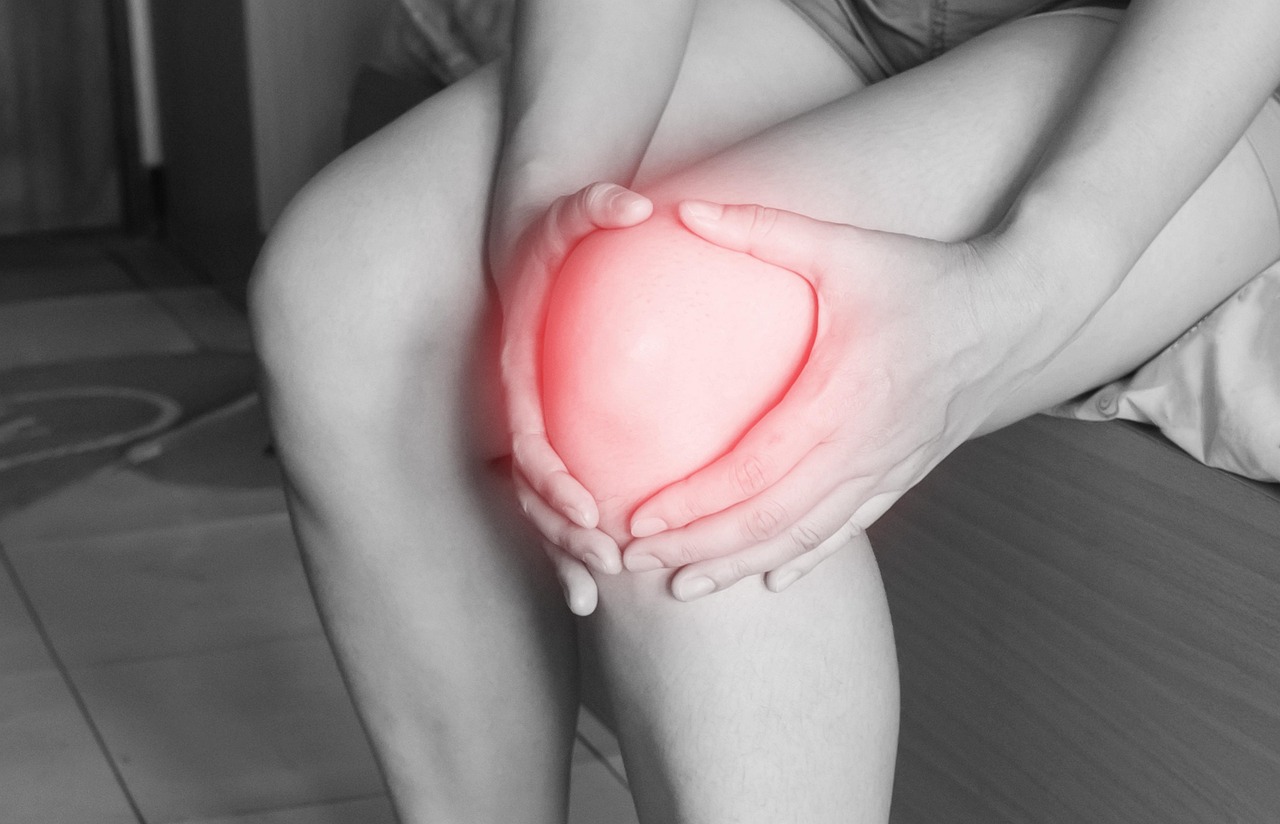
- Knees, ankles, and feet from concrete floors and long shifts
What Does It Feel Like?
At first, it’s end-of-day soreness. Then it shows up earlier. By midweek, you feel tight before lunch. On the weekend, it eases, then Monday brings it back. Some people notice weakness or faster fatigue in one arm or one side of the back. Others feel tingling or a burning ache that makes them change how they move. Small compensations add up, like favoring one leg, lifting with one shoulder, or twisting to avoid pain.
When to Stop by Modern Physical Therapy & Sports Medicine of Gilbert, AZ
- Symptoms lasting more than two weeks or recurring often
- Pain that starts earlier in the shift over time
- Numbness, tingling, or weakness in an arm or leg
- Pain that disrupts sleep or wakes you up
- Needing to change tasks or posture to get through the day
How We Can Help
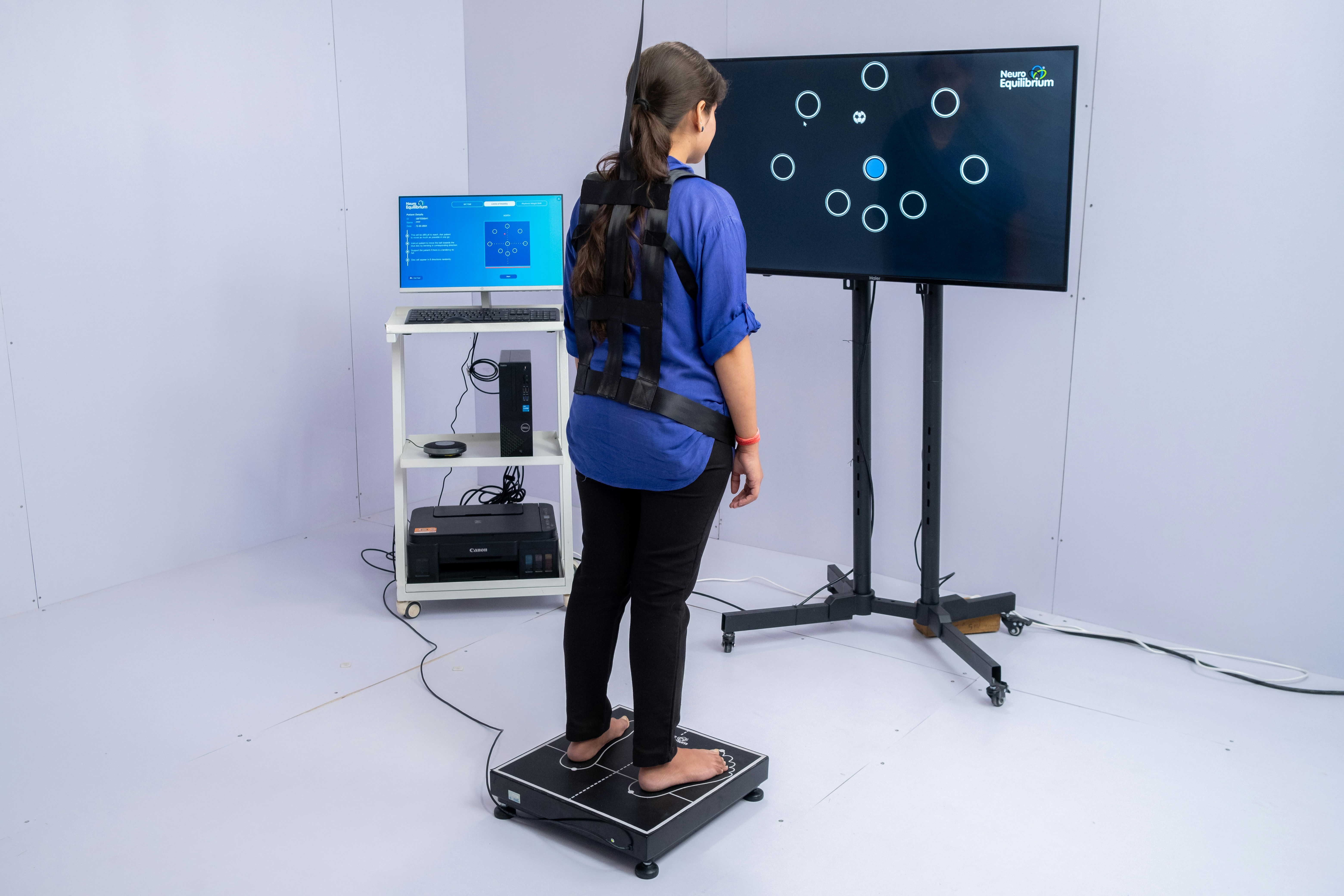
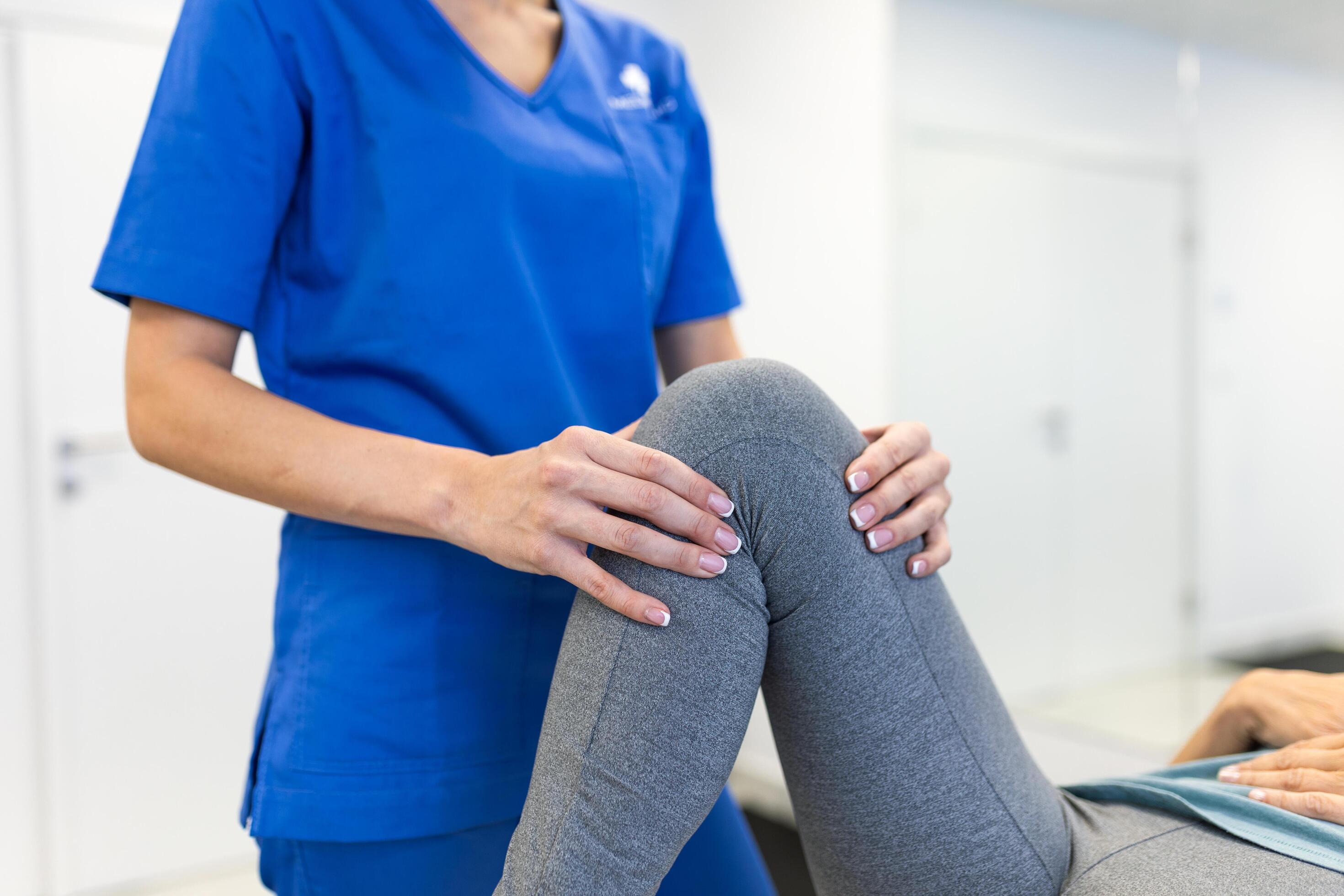
Sports medicine care starts with the cause, not just the sore spot. We look at your work tasks and the positions you repeat. We assess mobility, strength, and how your joints handle load. Treatment focuses on calming irritation and building the support you’re missing so the same tasks stop setting you off. The goal isn’t “stop working.” The goal is to help you work with less pain and fewer flare-ups.
Types of PT That Often Help Overuse Injuries
Treatment depends on your job and symptoms, but plans often include:
- Mobility work for stiff areas that force compensation
- Strengthening the muscles that should be taking the load
- Endurance training so tissues tolerate a full shift
- Hands-on treatment when pain and tightness limit movement
- Body mechanics coaching for lifting, reaching, and tool use
- A short home routine that fits your week
What Recovery is Like
First, symptoms calm down and flare less. Then you notice you can get through more of the day without bracing. Later, your endurance improves, and you stop relying on compensation. It’s common to have a bad day now and then, especially during busy weeks, but you should recover faster and feel more stable overall.