A lot of people feel fine sitting still. Then they stand up and something pinches, pulls, or aches. It can show up when you roll over in bed, step into the shower, or bend to grab laundry. Some notice it halfway through a grocery run. Others feel it after, like the pelvis “complains” later that night. The location can be confusing. It might feel low in the abdomen, deep in the pelvis, near the tailbone, into the hips, or even like a dull low back ache that won’t quit. People often say, “I can’t predict it,” which is true at first.
Why Movement Can Trigger Pelvic Pain
Pelvic pain with movement is often a load and coordination problem, not a toughness problem. If the pelvic floor stays tight or if it turns on too early, normal movement can feel irritating. If the hips don’t move well, the pelvis often takes extra strain. If you brace your belly or hold your breath without noticing, pressure pushes down and things can flare. Past events matter too. Childbirth, surgery, infections, falls, back pain, or long constipation cycles can all leave the area more tense. Stress can keep that protective setting turned up. Then the body starts treating normal movement like something it needs to defend against.
The Tasks That Commonly Set It Off
People usually don’t connect the trigger until we talk it through. These are the patterns we hear the most:
- Getting up from a chair or out of the car, especially after sitting awhile
- Bending and twisting during chores, like laundry, dishes, or yard work
- Longer walks, standing in line, or a busy errand day
- Lifting kids, groceries, or anything awkward and close to the body
- Bathroom strain or holding your breath during effort
- Workdays where you feel tense and “held” in your pelvis
What Pelvic PT Does Differently
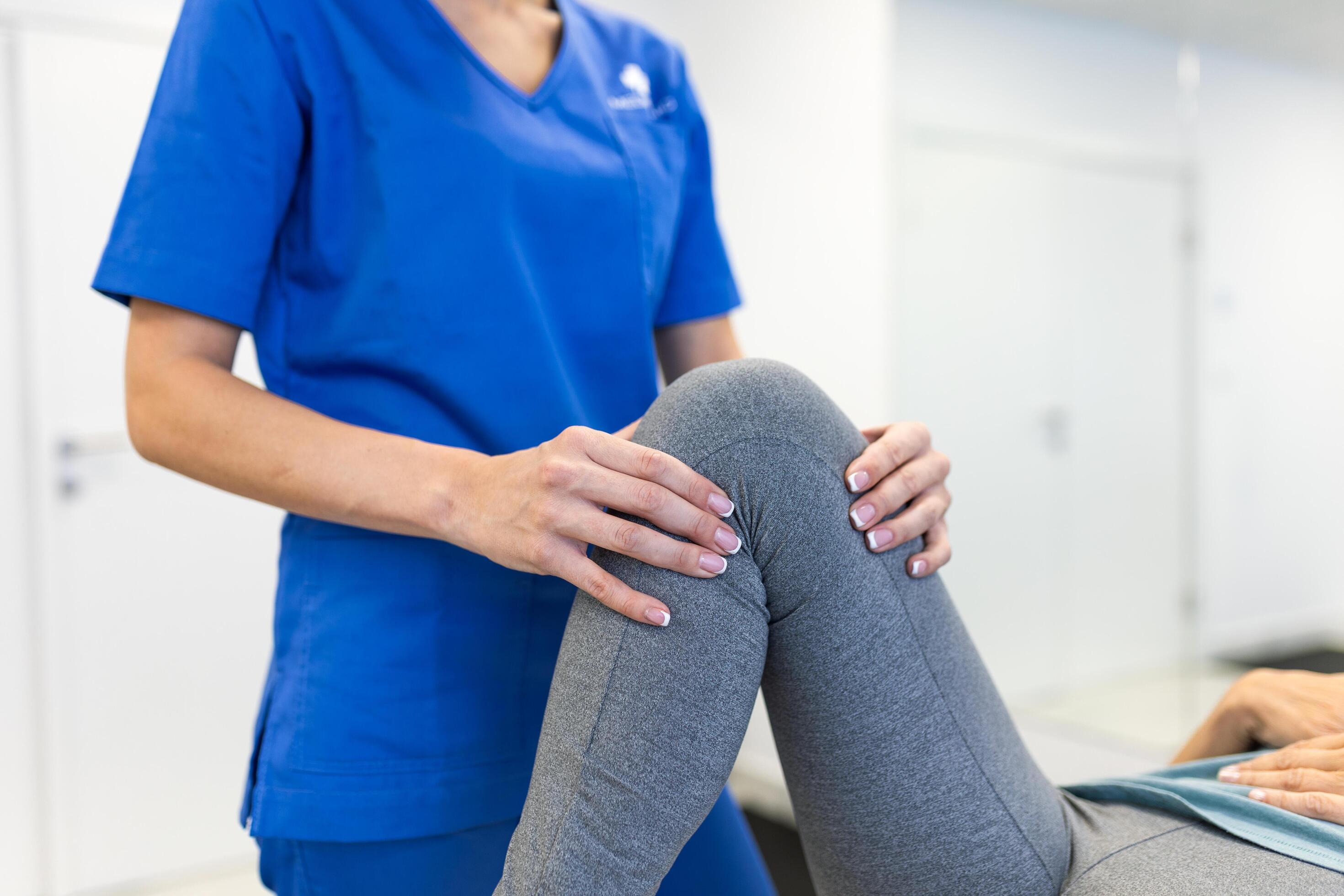
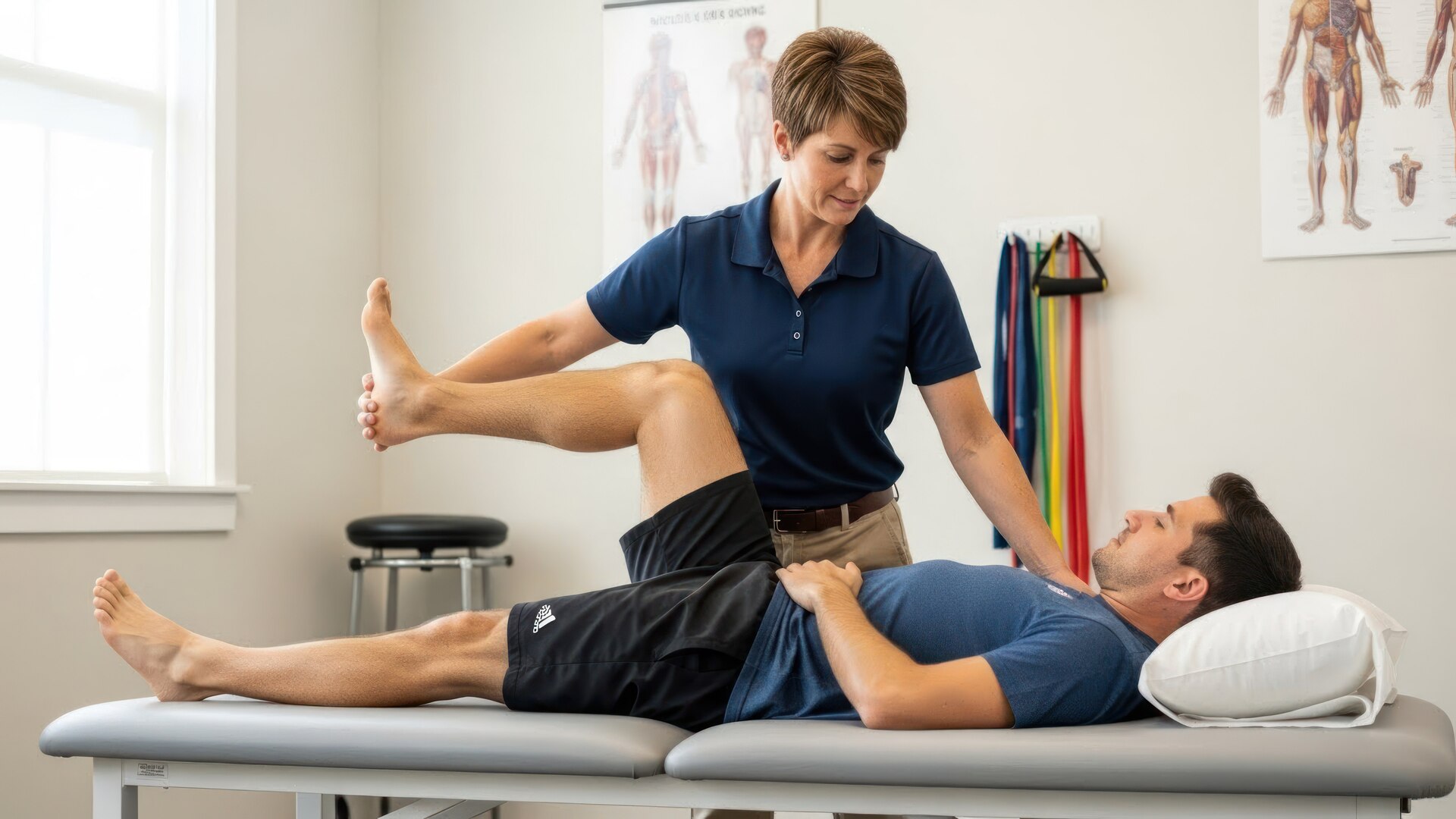
Pelvic physical therapy doesn’t start with “do these exercises and hope.” We start with your actual triggers. What makes it worse? What makes it better? What you’ve stopped doing. We look at breathing, posture, hip motion, and how you manage pressure when you stand, bend, and lift. We also look for guarding habits, like clenching the glutes, tensing the lower belly, or holding your breath during small efforts. Many patients don’t realize they do it until we point it out. Treatment usually starts by helping the system calm down. Then we rebuild coordination so movement stops feeling like a threat.
What We Usually Work On in Treatment
Your plan depends on your exam and your comfort level, but these are common focus areas when pain shows up during daily movement:
- Reducing pelvic floor tension and teaching the muscles how to release
- Breathing and pressure control so effort doesn’t push down into the pelvis
- Hip mobility and trunk control, so the pelvis isn’t doing all the work
- Graded strengthening that supports walking, bending, and lifting
- Practice with your real triggers, like sit-to-stand, stairs, or carrying
- Simple home steps that fit a normal week, not a perfect week
Reach out to our expert team today and help say goodbye to pelvic pain.