Most runners do not remember the run that caused their injury. They remember the week it stopped going away. The ache that used to loosen up after a mile. The tight calf lingered longer with each run. At some point, training turns into adjusting to pain.
Running injuries usually come from repetition, not accidents. The same stride, over and over, exposes small issues in strength and control. Physical therapy helps runners catch those issues before they turn into long breaks from training.
The Injuries Runners Usually Try To Ignore First
Certain pains show up again and again. They often start quietly and become part of the run until they are not.
Runners commonly deal with:
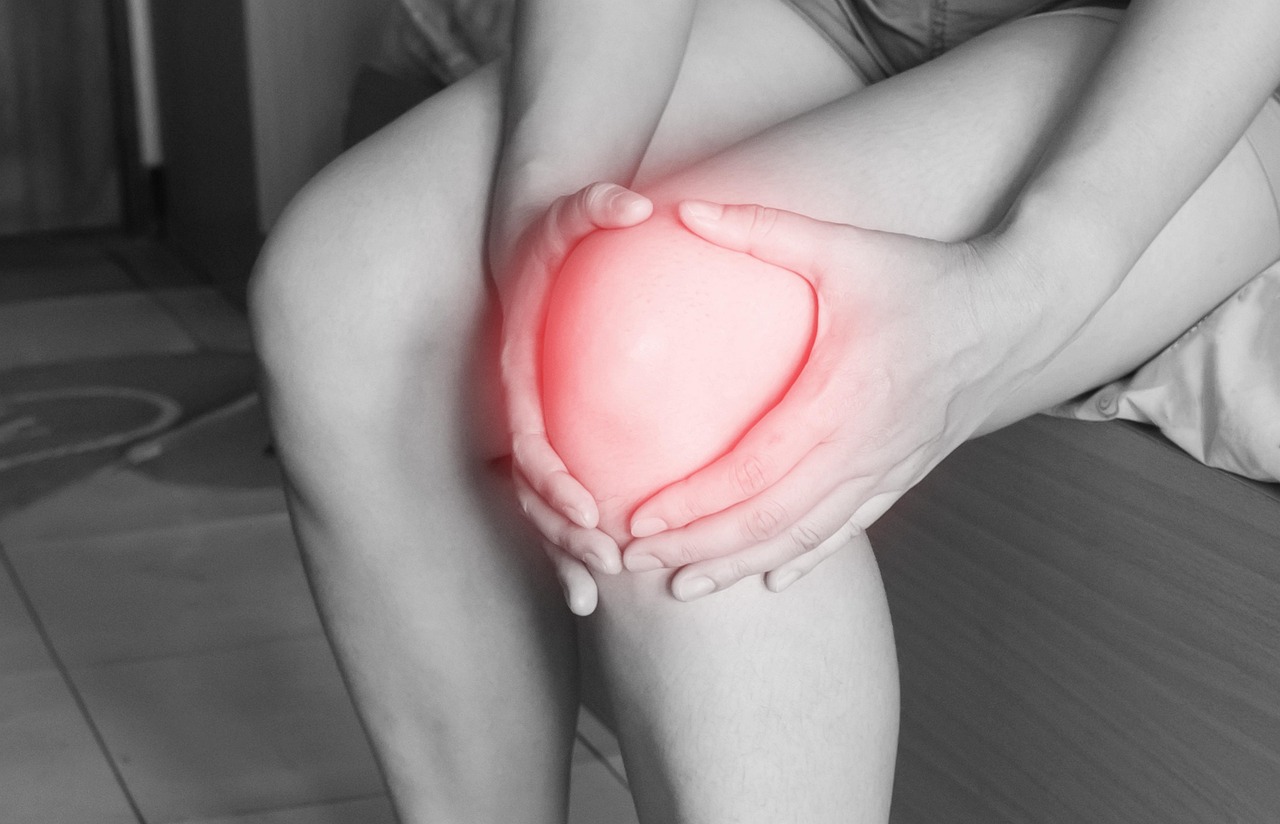
- Knee pain that feels worse on hills or downhills
- Achilles pain that tightens as mileage increases
- Heel pain that hits hardest in the morning
- Hip soreness during longer or faster runs
- Shin pain that flares after impact days
These problems tend to stick around because the body keeps absorbing the load the same way.
Why “Just Resting” Rarely Fixes Running Pain
Time off can calm things down, but it does not change how you run. When training resumes, the same stress usually lands in the same spot.
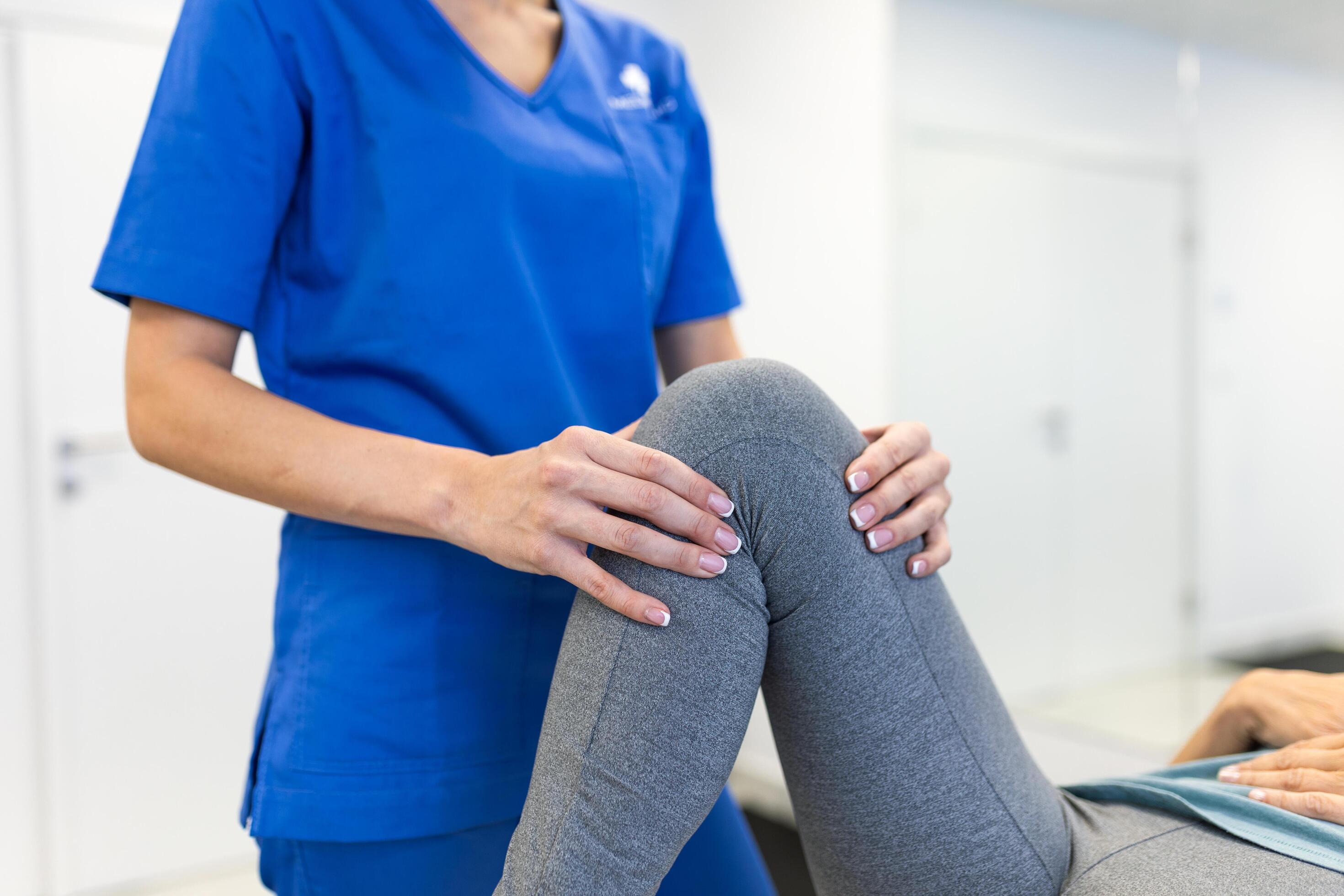
In physical therapy, we look at what happens before the pain shows up. How your hips control each step. How your ankles move. How one side may be doing more work than the other. Small issues matter when they repeat thousands of times.
How Physical Therapy Helps Runners Stay Ahead Of Injuries
Prevention is not about stopping running. It is about helping the body handle it better.
Physical therapy often focuses on:
- Strength where runners tend to lose it first
- Mobility where stiffness limits the stride
- Control during single-leg loading
- Smarter progressions when mileage builds
These changes reduce strain without asking runners to give up the sport.
Why Mechanics Matter More Than Miles
Many runners blame mileage. In reality, two runners can handle the same distance very differently. One stays healthy. One keeps breaking down. Limited ankle motion, weak hip support, or poor foot control can quietly overload tissue. Physical therapy helps clean that up, so each step costs less.
What Runners Notice When Things Start Working Again
As things improve, runners usually notice changes during normal weeks, not just on good days. Easy runs feel easier again. Long runs stop requiring constant adjustments. Recovery between runs becomes more predictable, which makes planning training simpler. Over time, running starts to feel like something you do, not something you manage around pain.
Who This Approach Tends To Help Most
This approach works well for runners who want to stay consistent. That includes newer runners building mileage, experienced runners dealing with recurring issues, and runners returning after injury who want a smoother restart. Care is based on how you train now and what your body needs to handle that workload moving forward.
Stay On The Road In Gilbert
If running pain keeps interrupting your training, physical therapy can help you stay ahead of it. Schedule an evaluation with Modern Medicine Physical Therapy & Sports Medicine of Gilbert, AZ, and keep your miles moving forward.