 Jewelry Through the Ages: A Journey in Style and Craftsmanship
At Judy’s Jewelry, we believe every antique piece tells a story—not just about its owner, but about the era it came from. For our collectors in Estero and surrounding areas, understanding the history behind a ring, brooch, or bracelet can make owning it that much more meaningful.
Jewelry has evolved in fascinating ways over the centuries. From the intricate craftsmanship of the Georgian era to the bold glamour of the Retro period, each style reflects the culture and values of its time. If you’re passionate about collecting or just curious about what’s in your jewelry box, here’s a look at the major eras and what makes them distinct.
Georgian Era (1714–1837)
Jewelry from the Georgian era is among the rarest and most handcrafted in history. Pieces were made entirely by hand using techniques like repoussé and chasing, with intricate details and ornate metalwork. Natural motifs such as leaves, flowers, and birds were popular, and gems were often foil-backed to enhance sparkle under candlelight.
Because surviving Georgian jewelry is scarce, pieces in good condition are highly valuable today. Collectors prize them for their historic charm and unmatched handcraftsmanship.
Victorian Era (1837–1901)
Queen Victoria’s long reign influenced jewelry in both design and sentiment. Early Victorian pieces were romantic and floral, mid-Victorian designs leaned toward somber mourning styles with jet and onyx, and later pieces introduced more bold and colorful looks with garnets, amethysts, and turquoise.
This era saw the rise of symbolic jewelry—lockets, hearts, snakes (representing eternal love)—and elaborate gold work. Many Victorian items remain in circulation and are highly collectible due to their emotional depth and detailed artistry.
Edwardian Era (1901–1915)
The Edwardian era brought a breath of elegance and lightness. Jewelry from this period is characterized by lacy filigree, platinum settings, and delicate combinations of diamonds and pearls. Techniques like milgrain (tiny bead-like details) gave a soft, refined texture to rings, pendants, and tiaras.
Because of the use of fine materials and superb craftsmanship, Edwardian pieces hold significant value and continue to be favorites among vintage collectors.
Art Nouveau (1890–1915)
Running parallel to the Edwardian period, Art Nouveau was an artistic rebellion. Designs featured flowing, organic lines and themes from nature, like dragonflies, peacocks, and feminine figures. Materials included enamel, moonstone, and opal.
Art Nouveau jewelry was more about expression than formality. Authentic pieces are now considered wearable art and are sought after for their unique, one-of-a-kind designs.
Art Deco (1920s–1930s)
A dramatic shift followed WWI with Art Deco. This era celebrated geometry, symmetry, and bold contrast. Jewelry from this time featured diamonds, onyx, sapphires, and emeralds in sleek, angular settings. Platinum was still widely used, along with white gold and crisp design lines.
Art Deco remains one of the most popular antique styles. It blends vintage elegance with a timeless modern edge, making pieces from this era highly collectible and wearable.
Retro Era (1935–1950s)
The Retro era emerged during and after WWII. Platinum became scarce, so yellow and rose gold dominated. Jewelry got bigger and bolder, with large synthetic stones and dramatic, sculptural forms. Designs were inspired by Hollywood glamour, with cocktail rings, chunky bracelets, and oversized brooches taking center stage.
Retro pieces are increasingly gaining popularity for their personality and accessibility, offering a bridge between antique and modern fashion.
Discover Historic Styles at Judy’s Jewelry
Whether you’re drawn to delicate Edwardian lacework or the glamor of Retro rings, Judy’s Jewelry in Fort Myers offers a wide variety of authentic pieces from every major era. If you're in the Estero area and want to learn more about historic jewelry—or start your collection—we're here to guide you every step of the way.
Stop by our shop today to explore the elegance of eras past—and maybe even take a piece of history home with you.
Jewelry Through the Ages: A Journey in Style and Craftsmanship
At Judy’s Jewelry, we believe every antique piece tells a story—not just about its owner, but about the era it came from. For our collectors in Estero and surrounding areas, understanding the history behind a ring, brooch, or bracelet can make owning it that much more meaningful.
Jewelry has evolved in fascinating ways over the centuries. From the intricate craftsmanship of the Georgian era to the bold glamour of the Retro period, each style reflects the culture and values of its time. If you’re passionate about collecting or just curious about what’s in your jewelry box, here’s a look at the major eras and what makes them distinct.
Georgian Era (1714–1837)
Jewelry from the Georgian era is among the rarest and most handcrafted in history. Pieces were made entirely by hand using techniques like repoussé and chasing, with intricate details and ornate metalwork. Natural motifs such as leaves, flowers, and birds were popular, and gems were often foil-backed to enhance sparkle under candlelight.
Because surviving Georgian jewelry is scarce, pieces in good condition are highly valuable today. Collectors prize them for their historic charm and unmatched handcraftsmanship.
Victorian Era (1837–1901)
Queen Victoria’s long reign influenced jewelry in both design and sentiment. Early Victorian pieces were romantic and floral, mid-Victorian designs leaned toward somber mourning styles with jet and onyx, and later pieces introduced more bold and colorful looks with garnets, amethysts, and turquoise.
This era saw the rise of symbolic jewelry—lockets, hearts, snakes (representing eternal love)—and elaborate gold work. Many Victorian items remain in circulation and are highly collectible due to their emotional depth and detailed artistry.
Edwardian Era (1901–1915)
The Edwardian era brought a breath of elegance and lightness. Jewelry from this period is characterized by lacy filigree, platinum settings, and delicate combinations of diamonds and pearls. Techniques like milgrain (tiny bead-like details) gave a soft, refined texture to rings, pendants, and tiaras.
Because of the use of fine materials and superb craftsmanship, Edwardian pieces hold significant value and continue to be favorites among vintage collectors.
Art Nouveau (1890–1915)
Running parallel to the Edwardian period, Art Nouveau was an artistic rebellion. Designs featured flowing, organic lines and themes from nature, like dragonflies, peacocks, and feminine figures. Materials included enamel, moonstone, and opal.
Art Nouveau jewelry was more about expression than formality. Authentic pieces are now considered wearable art and are sought after for their unique, one-of-a-kind designs.
Art Deco (1920s–1930s)
A dramatic shift followed WWI with Art Deco. This era celebrated geometry, symmetry, and bold contrast. Jewelry from this time featured diamonds, onyx, sapphires, and emeralds in sleek, angular settings. Platinum was still widely used, along with white gold and crisp design lines.
Art Deco remains one of the most popular antique styles. It blends vintage elegance with a timeless modern edge, making pieces from this era highly collectible and wearable.
Retro Era (1935–1950s)
The Retro era emerged during and after WWII. Platinum became scarce, so yellow and rose gold dominated. Jewelry got bigger and bolder, with large synthetic stones and dramatic, sculptural forms. Designs were inspired by Hollywood glamour, with cocktail rings, chunky bracelets, and oversized brooches taking center stage.
Retro pieces are increasingly gaining popularity for their personality and accessibility, offering a bridge between antique and modern fashion.
Discover Historic Styles at Judy’s Jewelry
Whether you’re drawn to delicate Edwardian lacework or the glamor of Retro rings, Judy’s Jewelry in Fort Myers offers a wide variety of authentic pieces from every major era. If you're in the Estero area and want to learn more about historic jewelry—or start your collection—we're here to guide you every step of the way.
Stop by our shop today to explore the elegance of eras past—and maybe even take a piece of history home with you.
Estero, FL - The Evolution of Jewelry Styles: From Georgian to Retro Eras
SYNOPSIS: Explore how jewelry styles have changed over time. Judy’s Jewelry near Estero walks you through the defining eras from Georgian to Retro and what makes each one collectible.
A Timeline of Historic Jewelry Eras and Their Traits
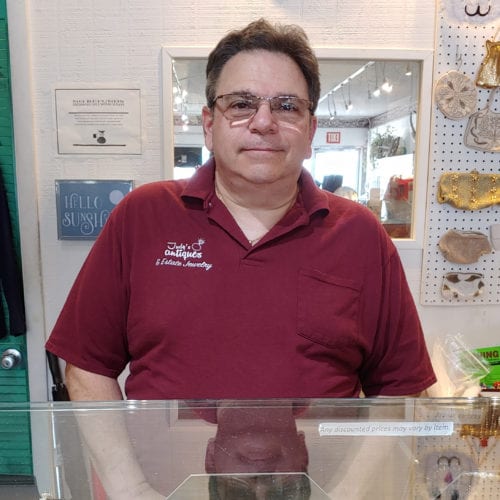
BY: Sal Lanzieri, Judy's Jewelry
Jewelry Through the Ages: A Journey in Style and Craftsmanship
At Judy’s Jewelry, we believe every antique piece tells a story—not just about its owner, but about the era it came from. For our collectors in Estero and surrounding areas, understanding the history behind a ring, brooch, or bracelet can make owning it that much more meaningful.
Jewelry has evolved in fascinating ways over the centuries. From the intricate craftsmanship of the Georgian era to the bold glamour of the Retro period, each style reflects the culture and values of its time. If you’re passionate about collecting or just curious about what’s in your jewelry box, here’s a look at the major eras and what makes them distinct.
Georgian Era (1714–1837)
Jewelry from the Georgian era is among the rarest and most handcrafted in history. Pieces were made entirely by hand using techniques like repoussé and chasing, with intricate details and ornate metalwork. Natural motifs such as leaves, flowers, and birds were popular, and gems were often foil-backed to enhance sparkle under candlelight.
Because surviving Georgian jewelry is scarce, pieces in good condition are highly valuable today. Collectors prize them for their historic charm and unmatched handcraftsmanship.
Victorian Era (1837–1901)
Queen Victoria’s long reign influenced jewelry in both design and sentiment. Early Victorian pieces were romantic and floral, mid-Victorian designs leaned toward somber mourning styles with jet and onyx, and later pieces introduced more bold and colorful looks with garnets, amethysts, and turquoise.
This era saw the rise of symbolic jewelry—lockets, hearts, snakes (representing eternal love)—and elaborate gold work. Many Victorian items remain in circulation and are highly collectible due to their emotional depth and detailed artistry.
Edwardian Era (1901–1915)
The Edwardian era brought a breath of elegance and lightness. Jewelry from this period is characterized by lacy filigree, platinum settings, and delicate combinations of diamonds and pearls. Techniques like milgrain (tiny bead-like details) gave a soft, refined texture to rings, pendants, and tiaras.
Because of the use of fine materials and superb craftsmanship, Edwardian pieces hold significant value and continue to be favorites among vintage collectors.
Art Nouveau (1890–1915)
Running parallel to the Edwardian period, Art Nouveau was an artistic rebellion. Designs featured flowing, organic lines and themes from nature, like dragonflies, peacocks, and feminine figures. Materials included enamel, moonstone, and opal.
Art Nouveau jewelry was more about expression than formality. Authentic pieces are now considered wearable art and are sought after for their unique, one-of-a-kind designs.
Art Deco (1920s–1930s)
A dramatic shift followed WWI with Art Deco. This era celebrated geometry, symmetry, and bold contrast. Jewelry from this time featured diamonds, onyx, sapphires, and emeralds in sleek, angular settings. Platinum was still widely used, along with white gold and crisp design lines.
Art Deco remains one of the most popular antique styles. It blends vintage elegance with a timeless modern edge, making pieces from this era highly collectible and wearable.
Retro Era (1935–1950s)
The Retro era emerged during and after WWII. Platinum became scarce, so yellow and rose gold dominated. Jewelry got bigger and bolder, with large synthetic stones and dramatic, sculptural forms. Designs were inspired by Hollywood glamour, with cocktail rings, chunky bracelets, and oversized brooches taking center stage.
Retro pieces are increasingly gaining popularity for their personality and accessibility, offering a bridge between antique and modern fashion.
Discover Historic Styles at Judy’s Jewelry
Whether you’re drawn to delicate Edwardian lacework or the glamor of Retro rings, Judy’s Jewelry in Fort Myers offers a wide variety of authentic pieces from every major era. If you're in the Estero area and want to learn more about historic jewelry—or start your collection—we're here to guide you every step of the way.
Stop by our shop today to explore the elegance of eras past—and maybe even take a piece of history home with you.