Two Morgan dollars struck between 1878 and 1921 can share a date on the front and still carry different values as collectibles. Part of the difference sits on the back, in a small letter below the wreath and above the "DO" in DOLLAR. That letter is the mint mark, and it shows which mint struck the coin. An S there stands for San Francisco and an O for New Orleans, and a CC marks Carson City. A coin with no letter there was struck in Philadelphia, which left its dollars unmarked. At Judy's Jewelry in Fort Myers, we read the date and the letter together.
Every Morgan of those years was struck to the same silver standard. So between two coins of one date, much of the difference lies in the mint letter and in each coin's condition. The value a coin carries as a collectible, above the silver it contains, is its numismatic premium. To find it, we judge how fully each coin was struck and how much wear it carries, along with the shine left on its surface.
The Date And The Letter As One Issue
An issue is all the Morgans one mint struck in one year, so the date and the letter together name the issue a coin belongs to. Collector values for Morgans are listed by issue and then by grade, with mirror-surfaced coins listed apart. So an 1880 dollar struck in San Francisco and an 1880 dollar struck in Carson City are two different issues, each with its own collector value. Carson City struck Morgans of the 1878 to 1921 series from 1878 through 1885 and again from 1889 through 1893. Denver struck them only in 1921, so 1921 is the only date in the series with a D. The first 1878 Philadelphia Morgans show eight tail feathers on the eagle, and the design changed to seven that same year. So even two of your coins from one issue can be different coins.
Liberty's Cheek And The Eagle's Breast
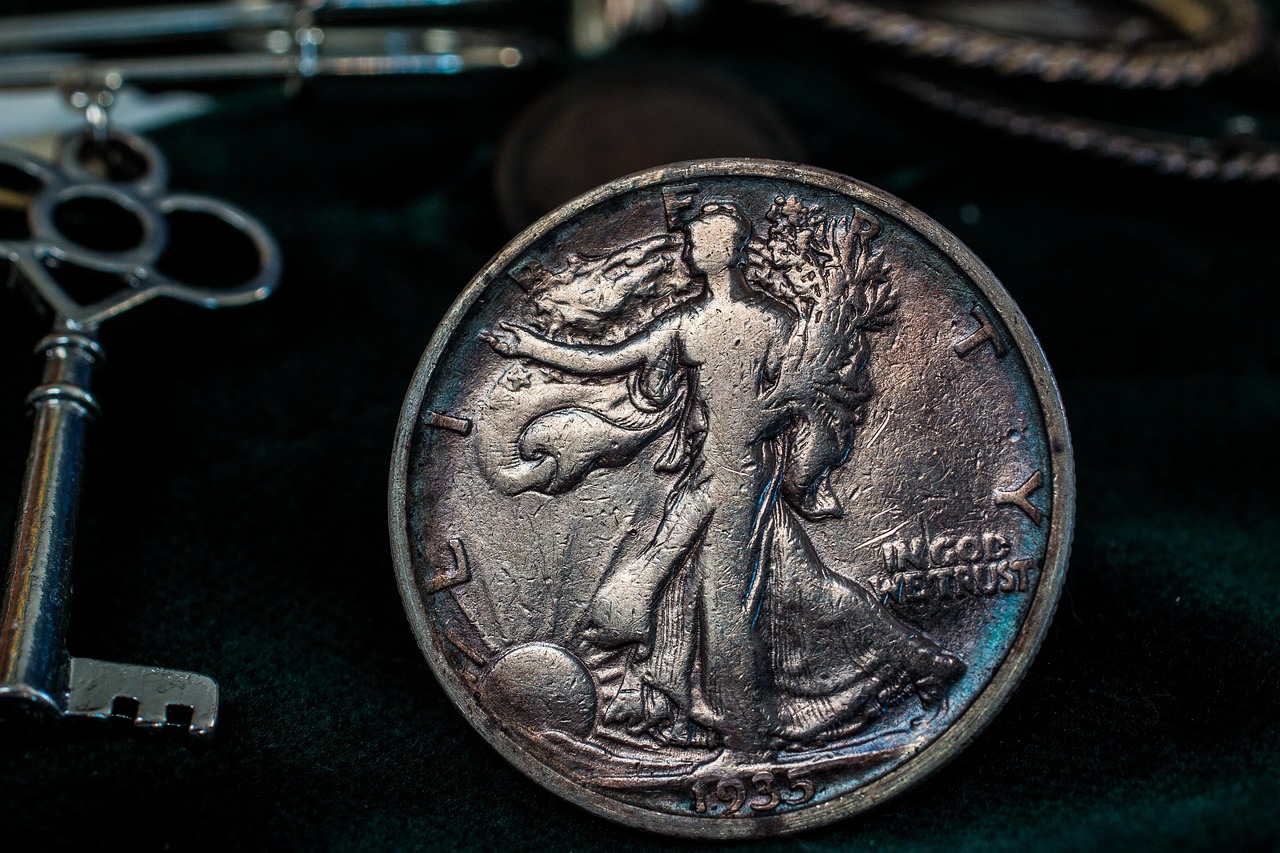
Wear shows first on the highest points of the design, which rub against whatever the coin touches. On the front, those points are Liberty's cheek and the hair above her ear. The eagle's breast feathers are the high point on the back. When the hair lines above the ear are still separate and the cheek keeps its frosty shine, more of the coin's struck surface has survived.
Flat Hair Above Liberty's Ear
Flat hair above the ear can come from the mint itself as well as from years in a pocket. Strike is how fully the dies pressed the design into the silver. At New Orleans in the late 1880s and 1890s, the dies were set slightly too far apart. With that extra gap, the silver did not flow into the deepest parts of the dies, which form the highest points on the finished coin. So an O-mint Morgan could leave the press with soft hair and flat breast feathers before it ever reached a pocket. On a coin that never circulated, the weakly struck spot keeps its mint luster, while wear takes the luster off the spot it flattens.
Marks On A Coin That Never Circulated
A coin does not have to circulate to pick up marks. Contact marks are the small nicks a coin takes from knocking against other coins, and they can sit on a coin with no wear at all. Two unworn Morgans can have noticeably different surfaces, one with a few small scattered marks and the other with many large ones. Those marks help set one uncirculated grade apart from the next, alongside the coin's luster and the fullness of its strike. Because we judge luster and strike on every coin, each unworn Morgan in your lot is judged as its own coin.
The Shine Across The Fields
Fields are the flat, open areas around Liberty's portrait and the eagle. Luster is the original frosty shine the press left on that surface. Some Morgans struck for circulation came out with mirror-like fields, and those coins are called prooflike, or deep mirror prooflike when the reflection runs deeper. Cleaning removes luster along with the original toning, and a cloth or brush leaves fine hairline scratches. Those changes are permanent, so we are glad to see your coins as they were kept, toning and all.
Your Coins On Our Fort Myers Counter
Bring your Morgan dollars to Judy's Jewelry in Fort Myers just as they are. Call us first at (239) 481-9600 if you like. At our counter, each coin is judged on its own, and we make an immediate cash offer based on numismatic demand and the current spot price.