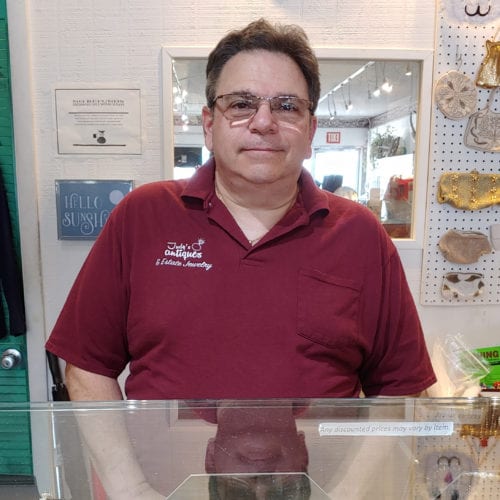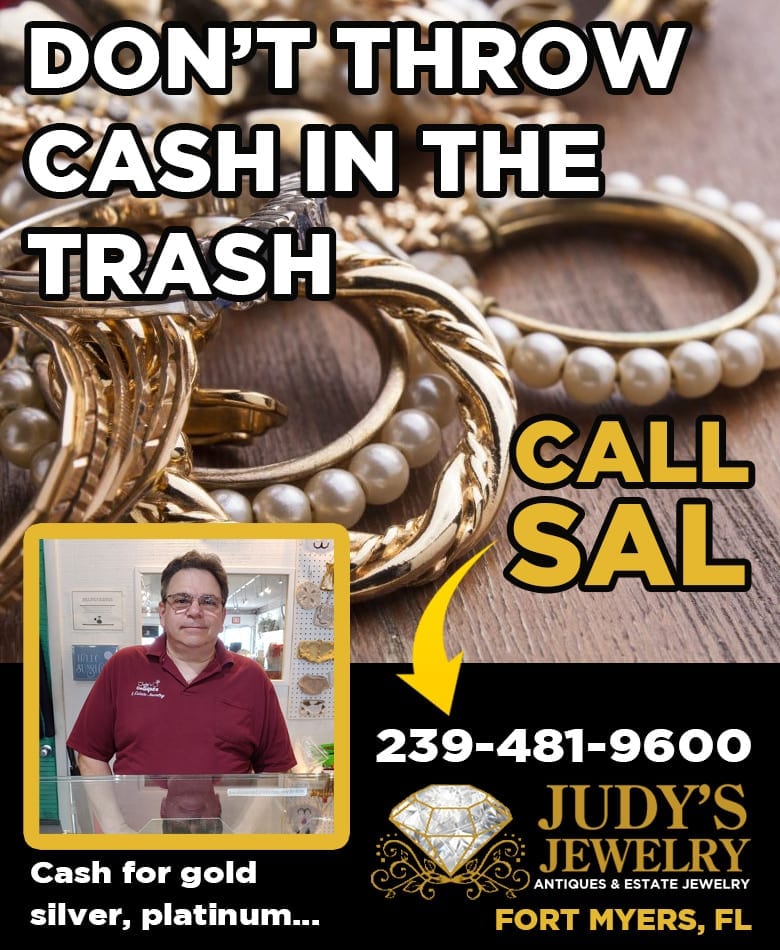

A pouch of old gold from your Naples home spreads into one mixed pile on our counter. White gold bands lie across yellow chains, and a few stamps have worn down to a faint line. At Judy's Jewelry, we first examine every piece in that pile as jewelry, before any of it counts as metal. Then we test the karat of each one in our shop and build the offer from what we find.
Every Broken Or Single Piece Belongs In The Pile
Scrap gold is gold valued for the metal it contains, whatever shape the piece is in. Your chain with a broken link holds the same gold it held when whole, and so does an earring without its partner. We buy broken jewelry and single earrings, and we buy dental gold along with them. Crowns are cast from alloys whose gold content varies from one crown to the next, so we test a crown the same way we test a ring. White gold and rose gold count too, because their color comes from the other metals mixed with the gold. A white gold band marked 14k holds the same share of gold as a yellow 14k band. Nothing in the pouch needs to be sorted or taken apart before you come in.
We Look At Each Piece As Jewelry First
A bracelet with a broken link can still carry a maker's signature, and a worn locket can still show hand etching from its period. We examine each piece for its maker and its era, and we tell you when it has value as jewelry beyond its gold. Signed and period pieces can be worth more than their weight in metal, so every piece gets that examination before it is counted as scrap. Pieces we value for their metal then go on to the karat test.
Karat Is The Share Of Gold In Each Piece
Karat measures gold purity in twenty-fourths, with other metals making up the rest. Pure gold is 24k, so a 14k ring is 14 parts gold out of 24 and an 18k piece is 18 parts. Some pieces carry a three-digit number in place of a karat stamp, and that number marks the same purity in thousandths. On those pieces, 585 is the mark for 14k and 750 is the mark for 18k. Stamps wear thin after years on a finger, so we test the purity of gold and platinum in our shop. Our non-invasive methods cover 10k through 24k and .950 platinum, and each piece leaves the test as it came in.
From Your Pieces To The Pure Gold They Contain
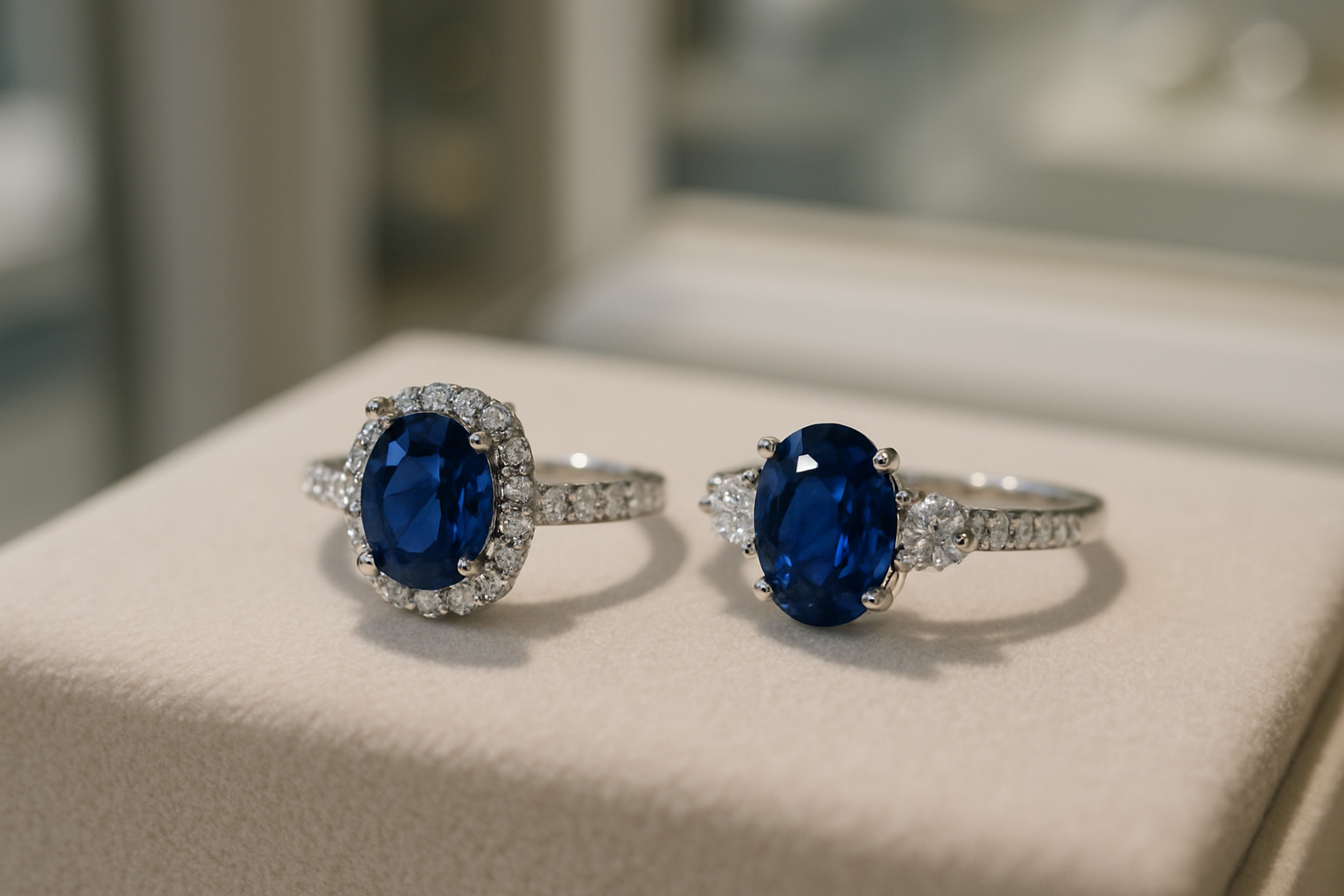
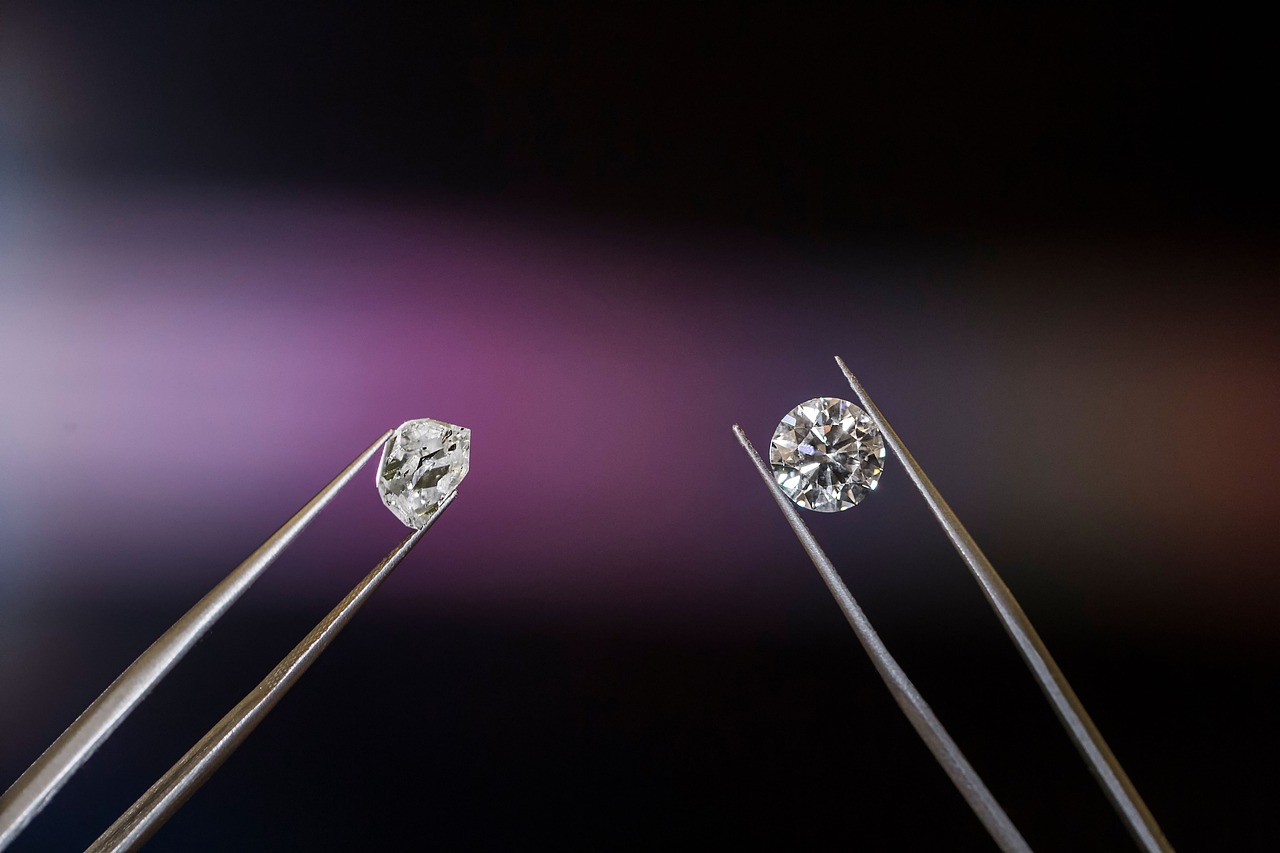
Two weights matter for the metal in your pieces. First comes the weight of the gold alloy, with stones and the small steel spring inside a clasp set apart, because those parts are not gold. Diamonds in those settings are something we buy as well. The second weight is the pure gold inside the alloy, which is its weight multiplied by its karat share out of 24. Pieces of different karats are weighed separately, because each karat carries a different share of gold. That is how a slim 18k ring can hold as much pure gold as a 10k chain nearly twice its weight.
The Spot Price Behind Your Offer
Gold's spot price is the current market price of pure gold, quoted per troy ounce. That troy ounce is the one precious metals are weighed and priced in, and it is heavier than the ounce on a kitchen scale. Because the spot price refers to pure gold, we test the karat first and measure only the pure gold against it. We show you the current spot price and explain how each item's condition and rarity affect its final value. Pieces we value for their metal start from their pure gold against that price, and pieces with value as jewelry are priced for their maker and era.
Stop In With The Whole Drawer
Stop in at Judy's Jewelry in Fort Myers with the whole drawer from your Naples home, broken pieces included. Every piece is examined as jewelry and tested for karat in our shop, and you see the spot price your gold is measured against. When you accept our offer, you leave with cash in hand. Call (239) 481-9600 to plan your visit.