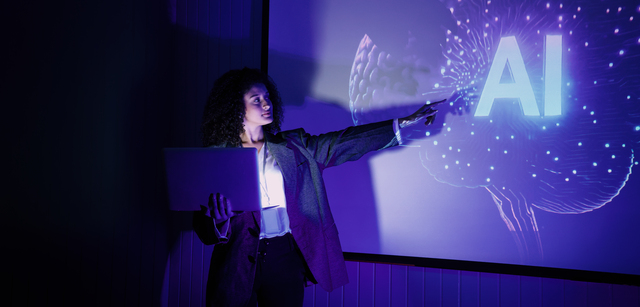
 Newark, California, is a city with a mix of sectors including biotechnology, high technology, and electronics. With all the various industries introducing automation, we see an evolving workforce that incorporates Artificial intelligence (AI), computer vision, and wearable technologies. These technologies are spawning opportunities to help better identify ergonomic risk factors present within jobs to helping employers design safer and more efficient workstations.
Work-related musculoskeletal disorders (WMSDs) develop when employees are repeatedly subjected to ergonomic risk factors which are not always observed by the untrained eye.
Currently ergonomic assessments rely heavily on the direct observation of employees performing their work and analyzing the information collected to plug into epidemiological data related tools. These approaches are the meat and potatoes of ergonomic assessments since they are fundamentally connected the dots between the interaction between people, tasks, tools, and the work environment. AI is now changing the process a bit.
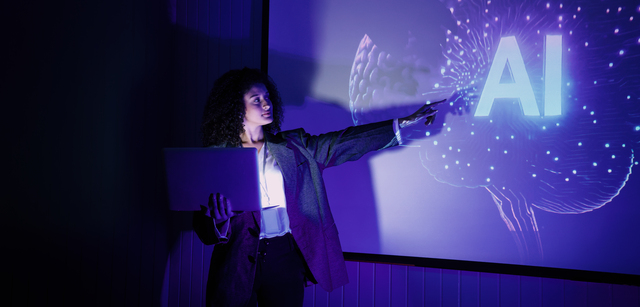
Artificial intelligence, machine learning, and workplace ergonomic assessment can be joined at the hip now. Applications such as computer vision, wearable sensors, posture recognition, and prediction of musculoskeletal disorder risk. Recent research has investigated AI systems capable of recognizing worker postures from video and in 2026 a systematic review and meta-analysis found that deep-learning approaches demonstrated strong performance for recognizing occupational postures. This tech could allow organizations to analyze an enormous amount of workplace activity much more efficiently. For instance, computer vision may assist in identifying awkward postures, repetitive reaching, and other potentially important exposure patterns of employees across manufacturing or laboratory areas.
Ergonomic specialists get all bent out of shape when AI is mentioned within the realm of ergonomics. Despite its potential, AI is not at all a stand-alone ergonomics solution. A commercial AI-powered ergonomic assessment system could produce inaccurate estimates during lifting activities without a professional in the field acting as a gatekeeper and guide for the AI tools to work properly. Commercial AI ergonomic assessment technology are challenged with workstations having any complexity to them. An algorithm might be able to identify a posture but an experienced ergonomist will be needed to determine why the posture occurred and what the best route to fix the issues. Effective interventions are needed for such improvements such as tool redesign, workstation adjustments and employee training.
For employers in Newark and throughout the East Bay, the future of ergonomics will likely combine the traditional human ergonomics assessment with the increasingly sophisticated technologies AI brings to the table. AI does a great job of collecting and analyzing information, while the professional ergonomist provides the biomechanical, human-factors, and ergonomics piece to translate data into practical workplace controls.
Ergobility provides professional ergonomic consulting, workplace ergonomic assessments, training, and risk-reduction strategies for offices, laboratories, manufacturing environments, and other workplaces throughout Newark, California and the greater Bay Area.