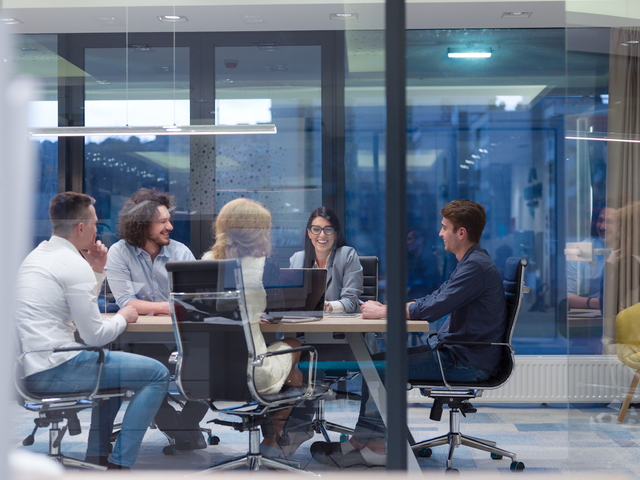
Office Designs Create Corporate Personality: The design of an office, and how it runs, form a sort of personality for the organization and in a way the office is the company's brick and mortar motif. The workspace should reflect what the organization is passionate about and all while ensuring worker style and preferences. An office that is designed to account for their employees' needs will increase all of the following: productivity, collaboration, engagement, health, and happiness. Put another way, people shape offices and office designs in turn have an effect on the way we feel and work as well. Imagine you being the owner of a midsized business and you are hiring a company to do your advertising for you. You might be considering a highly impactful for your radio ads and expect to find a stylized and irreverent office stocked with pool tables and cappuccino machines. On the other end, if you are hiring a Law firm to handle a trust dispute, you might prefer a company office with a more traditional old fashioned classy office look.
There are a multitude of office designs and they vary from small to giant and open to very compartmental spaces such as cubicles. These just depend on the type of work that will be performed in the office and the types of requirements the individual users have to perform the type of work they do.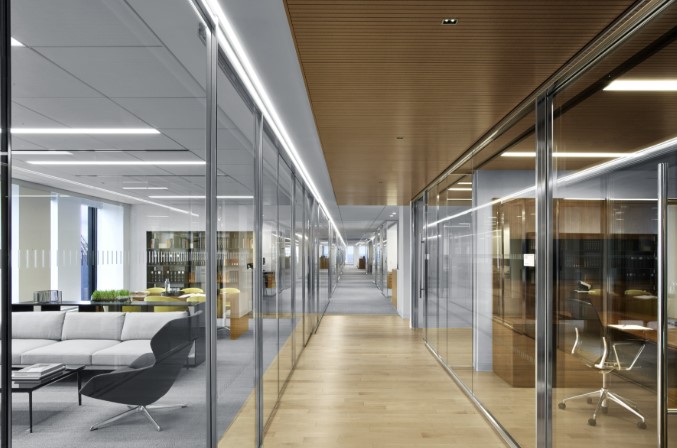 The office is originally an idea that came about 75 years ago. The objective of this environment was to ensure efficiencies when your workforce is comprised primarily of computer-based tasks. The design was aimed at maximizing both the use of leased space and facilitate communication connections between the workers within your group that need to interact in order to conduct business operations. The arrangement of desks, chairs, office machines, and the gardening or style all create the appearance a natural space. Aesthetically appealing office environments that have high ceilings, multiple windows, areas of collaboration and large break areas.
The office layout depends on the type of work performed. So, there is a need to first evaluate the degree of interaction required by the employees and also the overall privacy required. Since there are both pros and cons to different types of office designs, we may have to consider tradeoffs and decide on the best. the advantages of more open spaces are that they are less costly than separate closed offices in terms of building costs and utility usage for lighting and climate control. Also, open spaces often improve communication and collaboration. If you would like to know more about office design, speak to an ergonomic consultant with Ergobility today.
The office is originally an idea that came about 75 years ago. The objective of this environment was to ensure efficiencies when your workforce is comprised primarily of computer-based tasks. The design was aimed at maximizing both the use of leased space and facilitate communication connections between the workers within your group that need to interact in order to conduct business operations. The arrangement of desks, chairs, office machines, and the gardening or style all create the appearance a natural space. Aesthetically appealing office environments that have high ceilings, multiple windows, areas of collaboration and large break areas.
The office layout depends on the type of work performed. So, there is a need to first evaluate the degree of interaction required by the employees and also the overall privacy required. Since there are both pros and cons to different types of office designs, we may have to consider tradeoffs and decide on the best. the advantages of more open spaces are that they are less costly than separate closed offices in terms of building costs and utility usage for lighting and climate control. Also, open spaces often improve communication and collaboration. If you would like to know more about office design, speak to an ergonomic consultant with Ergobility today.