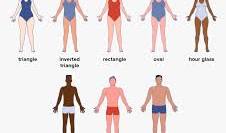
 There are many sources of variation in body sizes. This is anther interesting aspect of anthropometry. Looking at genetic, biological, and physiological factors and how they differ from one another with respect to body dimensions can influence how design and industry is built. Human centered design is key, especially in the field of ergonomics and human factors. If you are looking for help with designing a process, tool, or interface you can reach out to an ergonomic consultant with Ergobility. They will account for the anthropometrics when optimizing your workplace.
San Francisco, CA - Best Ergonomic Assessments in SF by Ergonomics Consultants
SYNOPSIS: What would over a net billion dollar startup company have for chairs, desks, computers, etc. Well known giants and unicorn companies have pretty decent equipment offerings.
New settings have some of the best tech ergonomics.
BY: Allen Yagjian, Ergobility LLC
Anthropometry can be spelled out as body sizes. It is used a great deal by ergonomic professionals. Anthropometrists are measurers of the human body and over the years have collected a good deal of body size data. One such is the measuring of the feet and hands. It's the segments that are measured such as you may measure a building and its structure dimensions and sections. The term anthropometry was derived from the Greek meaning human measurements literally. This study is used extensively by ergonomic consultants when designing tools, equipment, plants, manufacturing lines, clothes, shoes, you name it! Ergonomists use it essentially to ensure the proper fit to not usually just one person but a group of people. So, to get proper fit it is important to have all the dimensions of every relevant body part. For instance, the size of the thigh is used to design the dimensions of a chair, while the details of arm reach are necessary to position where to distance an airplane cockpit control.
There are two primary types of anthropometric data that interest ergonomists. These are the structural anthropometry also known as static anthropometry or static dimensions. These are the types of measurements taken when the body at a standstill for example a person's full stature, body weight, or arm length. The other type of anthropometric measurements relate to functional anthropometry or dynamic anthropometry (dynamic dimensions). These are measured when a person is engaged in various work postures which helps practitioners understand the range of motion related to each body segments. One example that is relevant is arm reach.
Static anthropometry data are typically measured on unclothed individuals and typically done in the past on military personnel. This is mainly to ensure consistent results. Thus anthropometric measurements are evolving and getting more accurate as people sizes can evolve or differ over time and place. In some cases removal of clothing is not an option for measurements.
There are many sources of variation in body sizes. This is anther interesting aspect of anthropometry. Looking at genetic, biological, and physiological factors and how they differ from one another with respect to body dimensions can influence how design and industry is built. Human centered design is key, especially in the field of ergonomics and human factors. If you are looking for help with designing a process, tool, or interface you can reach out to an ergonomic consultant with Ergobility. They will account for the anthropometrics when optimizing your workplace.
There are many sources of variation in body sizes. This is anther interesting aspect of anthropometry. Looking at genetic, biological, and physiological factors and how they differ from one another with respect to body dimensions can influence how design and industry is built. Human centered design is key, especially in the field of ergonomics and human factors. If you are looking for help with designing a process, tool, or interface you can reach out to an ergonomic consultant with Ergobility. They will account for the anthropometrics when optimizing your workplace.