 Successes of ergonomic effort is based on the acceptance of the system design as well as the improved design implementation itself. The office runs on humans and without them nothing gets done. Well until significant strides in AI are developed that is. However, until then, ergonomic professionals rely on a science that takes into consideration health effects of sedentary work. Higher cholesterol, metabolism, and cardiovascular disease are all concerns in addition to the hand, wrist, and shoulder disorders from excessive keyboard and mouse use.
The office is associated with having a lack of whole body movement and reduced blood flow. These are the ills of the workstation that are seemingly inevitable and the solutions are seen as only behavioral and limited. It would be more possible to get more movement having a home office, but this is not the case for a lot of workers.
Office design combines a bit of the science, some technology, and mastering the art of application. Thinking how to use a large toolbox, ergonomic specialists may implement numerous solutions to a similar issue. The reason is because that everyone is different and each scenario is different. People are different in behavior as well as shape and condition. There are a lot of human factors to consider. If you want to learn more about ergonomics or human factors engineering, speak to a consultant with Ergobility today.
Successes of ergonomic effort is based on the acceptance of the system design as well as the improved design implementation itself. The office runs on humans and without them nothing gets done. Well until significant strides in AI are developed that is. However, until then, ergonomic professionals rely on a science that takes into consideration health effects of sedentary work. Higher cholesterol, metabolism, and cardiovascular disease are all concerns in addition to the hand, wrist, and shoulder disorders from excessive keyboard and mouse use.
The office is associated with having a lack of whole body movement and reduced blood flow. These are the ills of the workstation that are seemingly inevitable and the solutions are seen as only behavioral and limited. It would be more possible to get more movement having a home office, but this is not the case for a lot of workers.
Office design combines a bit of the science, some technology, and mastering the art of application. Thinking how to use a large toolbox, ergonomic specialists may implement numerous solutions to a similar issue. The reason is because that everyone is different and each scenario is different. People are different in behavior as well as shape and condition. There are a lot of human factors to consider. If you want to learn more about ergonomics or human factors engineering, speak to a consultant with Ergobility today.
San Francisco, CA - Ergonomist proves best ergonomic specialist consultant in SF
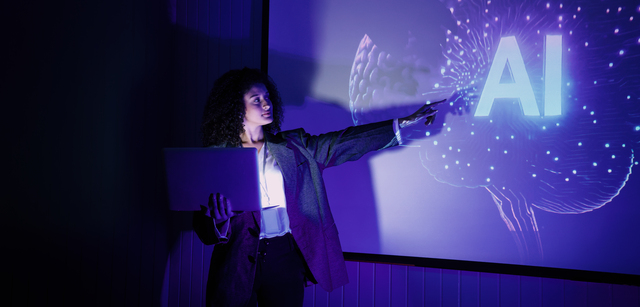
SYNOPSIS: We all know it takes a team to make the dream. However, with the assistance of AI and software, it may not take more than one really versed ergonomic specialist go above and beyond.
Use of online tools assists ergonomic specialist.
BY: Allen Yagjian, Ergobility LLC
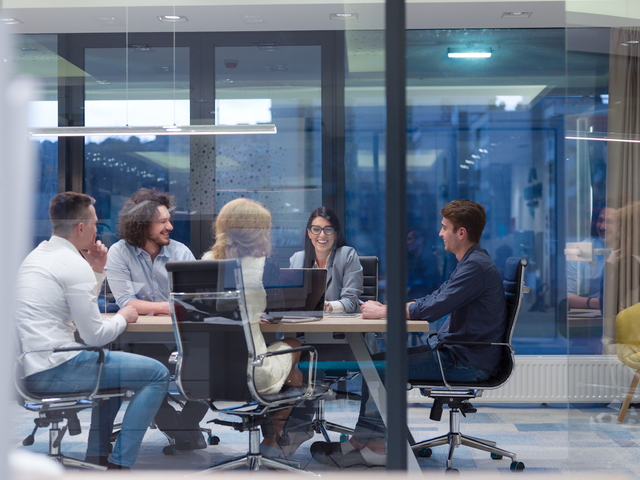
Office design consists of macroergonomics and microergonomics taking on big projects such as the design of an entire office building. Medium projects such as assisting with individual workstation setups, and small ones such as placing work station components on as a need basis. The person trained for these types of design work is an ergonomic specialist or ergonomist by trade and their goal should be to arrange the office in a way that enhances people's ability to work efficiently and safely within harm of an cumulative related disorder.
The designs have changed over time in the last 5 years. Even the term office has changed to a open shared work environment, a person's home, or even rented space. We work nowadays anywhere we can and the application of ergonomic principles can be applied across these many changing environments and behaviors.
Ergonomics is under the umbrella of human factors engineering. This practice takes not the side of the employer nor the employee which is a scientific discipline and technology that designs processes, products and systems with the focus on improving the interaction between them and the people that use them. Today's significant changes to how business in conducted, now moves beyond the traditional office and the ergonomic challenge becomes teaching the remote worker how to apply ergonomics to his or her workstation wherever it may be.
Successes of ergonomic effort is based on the acceptance of the system design as well as the improved design implementation itself. The office runs on humans and without them nothing gets done. Well until significant strides in AI are developed that is. However, until then, ergonomic professionals rely on a science that takes into consideration health effects of sedentary work. Higher cholesterol, metabolism, and cardiovascular disease are all concerns in addition to the hand, wrist, and shoulder disorders from excessive keyboard and mouse use.
The office is associated with having a lack of whole body movement and reduced blood flow. These are the ills of the workstation that are seemingly inevitable and the solutions are seen as only behavioral and limited. It would be more possible to get more movement having a home office, but this is not the case for a lot of workers.
Office design combines a bit of the science, some technology, and mastering the art of application. Thinking how to use a large toolbox, ergonomic specialists may implement numerous solutions to a similar issue. The reason is because that everyone is different and each scenario is different. People are different in behavior as well as shape and condition. There are a lot of human factors to consider. If you want to learn more about ergonomics or human factors engineering, speak to a consultant with Ergobility today.
Successes of ergonomic effort is based on the acceptance of the system design as well as the improved design implementation itself. The office runs on humans and without them nothing gets done. Well until significant strides in AI are developed that is. However, until then, ergonomic professionals rely on a science that takes into consideration health effects of sedentary work. Higher cholesterol, metabolism, and cardiovascular disease are all concerns in addition to the hand, wrist, and shoulder disorders from excessive keyboard and mouse use.
The office is associated with having a lack of whole body movement and reduced blood flow. These are the ills of the workstation that are seemingly inevitable and the solutions are seen as only behavioral and limited. It would be more possible to get more movement having a home office, but this is not the case for a lot of workers.
Office design combines a bit of the science, some technology, and mastering the art of application. Thinking how to use a large toolbox, ergonomic specialists may implement numerous solutions to a similar issue. The reason is because that everyone is different and each scenario is different. People are different in behavior as well as shape and condition. There are a lot of human factors to consider. If you want to learn more about ergonomics or human factors engineering, speak to a consultant with Ergobility today.