
 One such example was the use of an automated enclosed assay that increased the output efficiencies of a the research process. However, the operators interacted with an interface for various short periods during the automation. They had to setup and place the assay trays into the enclosure which was a demanding process. All while expected to perform simultaneous other bench top laboratory processes. In the end, the employee were experiencing overuse related discomfort of the upper extremities and neck.
It is evident that with the increasing advances on technology and specialized equipment, it is actually more critical to ensure that the physical and cognitive demands do not exceed the capabilities of the laboratory workers. Managing a balance requires analysis from experts that understand a broad spectrum of human capabilities including how it relates to multiple ergonomic risk factors.
Laboratory ergonomics improves the design and organization of laboratory work environment. It not only minimizes the risk of an ergonomic related injuries but improves productivity in the long run. By analysis of work flows, ergonomics with a background in process manufacturing or six sigma methodologies, introduce new tools, propose new ways to automate, and how to setup the space in a way that benefits the output and reduces the overall risks of injury. Typically, we see a significant improvement in morale as well, especially if employees are asked to engage in the process improvement process.
All while laboratory ergonomics research improves including emerging technologies like automation and artificial intelligence. These technologies are are changing the nature of laboratory work. There is a need for interdisciplinary research that brings together insights from engineering, psychology, health sciences, and design to create holistic ergonomic solutions that optimize both the physical and cognitive aspects of laboratory work. If your business could use an ergonomic expert, call Ergobility today.
One such example was the use of an automated enclosed assay that increased the output efficiencies of a the research process. However, the operators interacted with an interface for various short periods during the automation. They had to setup and place the assay trays into the enclosure which was a demanding process. All while expected to perform simultaneous other bench top laboratory processes. In the end, the employee were experiencing overuse related discomfort of the upper extremities and neck.
It is evident that with the increasing advances on technology and specialized equipment, it is actually more critical to ensure that the physical and cognitive demands do not exceed the capabilities of the laboratory workers. Managing a balance requires analysis from experts that understand a broad spectrum of human capabilities including how it relates to multiple ergonomic risk factors.
Laboratory ergonomics improves the design and organization of laboratory work environment. It not only minimizes the risk of an ergonomic related injuries but improves productivity in the long run. By analysis of work flows, ergonomics with a background in process manufacturing or six sigma methodologies, introduce new tools, propose new ways to automate, and how to setup the space in a way that benefits the output and reduces the overall risks of injury. Typically, we see a significant improvement in morale as well, especially if employees are asked to engage in the process improvement process.
All while laboratory ergonomics research improves including emerging technologies like automation and artificial intelligence. These technologies are are changing the nature of laboratory work. There is a need for interdisciplinary research that brings together insights from engineering, psychology, health sciences, and design to create holistic ergonomic solutions that optimize both the physical and cognitive aspects of laboratory work. If your business could use an ergonomic expert, call Ergobility today.
Emeryville, CA - Best Ergonomic Assessment, Evaluations, and Ergonomic Training
SYNOPSIS: Modern tech hubs in the SF Bay Area has brought about great changes to the physical and cognitive demands on lab workers are effectively managed. Lab ergonomics efforts to help with this.
The Evolving Field of Laboratory Ergonomics
BY: Allen Yagjian, Ergobility LLC
Laboratory ergonomics is a niche developed skill. Ergonomists can refer to blogs, peer groups, and collaborative projects in their toolbox. Conferences explain how various quantitative and qualitative methods for determining musculoskeletal risks (MSDs) so for an individual to effectively assess the laboratory environment, it isn't as cookie-cutter as office ergonomics.
Automation, especially around the biotechnology sector, has rooted substantial changes to the nature of labor in the laboratory setting. Laboratory ergonomics has become such an understanding of various moving parts including liquid transfer which can be non-automated to fully automated. Various scales of technology applied in such cases brings about it's own ergonomic risks. We expect as the level of automation is augmented, we would see a decline in awkward postures, repetitive motions, etc. however, this is not always the case. Typically, as the level of automation is increased, laboratory technicians have yet to interact with a novel system which can incur such use of computer systems, and design fabrication of integrated tools.
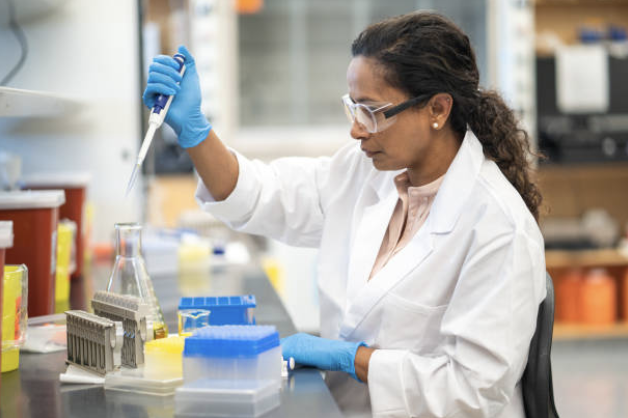
One such example was the use of an automated enclosed assay that increased the output efficiencies of a the research process. However, the operators interacted with an interface for various short periods during the automation. They had to setup and place the assay trays into the enclosure which was a demanding process. All while expected to perform simultaneous other bench top laboratory processes. In the end, the employee were experiencing overuse related discomfort of the upper extremities and neck.
It is evident that with the increasing advances on technology and specialized equipment, it is actually more critical to ensure that the physical and cognitive demands do not exceed the capabilities of the laboratory workers. Managing a balance requires analysis from experts that understand a broad spectrum of human capabilities including how it relates to multiple ergonomic risk factors.
Laboratory ergonomics improves the design and organization of laboratory work environment. It not only minimizes the risk of an ergonomic related injuries but improves productivity in the long run. By analysis of work flows, ergonomics with a background in process manufacturing or six sigma methodologies, introduce new tools, propose new ways to automate, and how to setup the space in a way that benefits the output and reduces the overall risks of injury. Typically, we see a significant improvement in morale as well, especially if employees are asked to engage in the process improvement process.
All while laboratory ergonomics research improves including emerging technologies like automation and artificial intelligence. These technologies are are changing the nature of laboratory work. There is a need for interdisciplinary research that brings together insights from engineering, psychology, health sciences, and design to create holistic ergonomic solutions that optimize both the physical and cognitive aspects of laboratory work. If your business could use an ergonomic expert, call Ergobility today.
One such example was the use of an automated enclosed assay that increased the output efficiencies of a the research process. However, the operators interacted with an interface for various short periods during the automation. They had to setup and place the assay trays into the enclosure which was a demanding process. All while expected to perform simultaneous other bench top laboratory processes. In the end, the employee were experiencing overuse related discomfort of the upper extremities and neck.
It is evident that with the increasing advances on technology and specialized equipment, it is actually more critical to ensure that the physical and cognitive demands do not exceed the capabilities of the laboratory workers. Managing a balance requires analysis from experts that understand a broad spectrum of human capabilities including how it relates to multiple ergonomic risk factors.
Laboratory ergonomics improves the design and organization of laboratory work environment. It not only minimizes the risk of an ergonomic related injuries but improves productivity in the long run. By analysis of work flows, ergonomics with a background in process manufacturing or six sigma methodologies, introduce new tools, propose new ways to automate, and how to setup the space in a way that benefits the output and reduces the overall risks of injury. Typically, we see a significant improvement in morale as well, especially if employees are asked to engage in the process improvement process.
All while laboratory ergonomics research improves including emerging technologies like automation and artificial intelligence. These technologies are are changing the nature of laboratory work. There is a need for interdisciplinary research that brings together insights from engineering, psychology, health sciences, and design to create holistic ergonomic solutions that optimize both the physical and cognitive aspects of laboratory work. If your business could use an ergonomic expert, call Ergobility today.