 Biomechanics trainers are experts at training employees to understand concepts including neutral posture, muscle memory, utilization of larger muscles of the body, etc. These as well as specialized techniques for manual materials handling such as safe lifting techniques and pushing carts. Trainers demonstrate how to perform tasks in a manner that keeps them safe from cumulative related injuries. Typically, at the end of biomechanics training session will follow a stretch and flex. This provides staff the knowledge on how to properly prepare the body for the work they do throughout the day. Stretches are based on the type of work they do and a sample regiment is explained. Leaders can lead groups of individuals throughout the year to guide staff on a stretching program from there.
If your business can benefit from either biomechanics training or in the development of a stretch and flex program, reach out to Ergobility to find out how to best service your staff onsite. An annual program will help staff work smarter, more efficiently, and ensure that you retain the health and knowledge of your entire staff. This will impact job satisfaction in a very positive way and reduce workers compensation costs.
Biomechanics trainers are experts at training employees to understand concepts including neutral posture, muscle memory, utilization of larger muscles of the body, etc. These as well as specialized techniques for manual materials handling such as safe lifting techniques and pushing carts. Trainers demonstrate how to perform tasks in a manner that keeps them safe from cumulative related injuries. Typically, at the end of biomechanics training session will follow a stretch and flex. This provides staff the knowledge on how to properly prepare the body for the work they do throughout the day. Stretches are based on the type of work they do and a sample regiment is explained. Leaders can lead groups of individuals throughout the year to guide staff on a stretching program from there.
If your business can benefit from either biomechanics training or in the development of a stretch and flex program, reach out to Ergobility to find out how to best service your staff onsite. An annual program will help staff work smarter, more efficiently, and ensure that you retain the health and knowledge of your entire staff. This will impact job satisfaction in a very positive way and reduce workers compensation costs.
Oakland, CA - Biomechanics Training From Top Ergonomic Evaluation Trainers
SYNOPSIS: Provide your staff with biomechanics and ergonomics training to help them work efficiently and safely. Ergonomic injuries require both proper tools as well as an understanding of how to use them.
Ergonomics and biomechanics trainers help staff.
BY: Allen Yagjian, Ergobility LLC
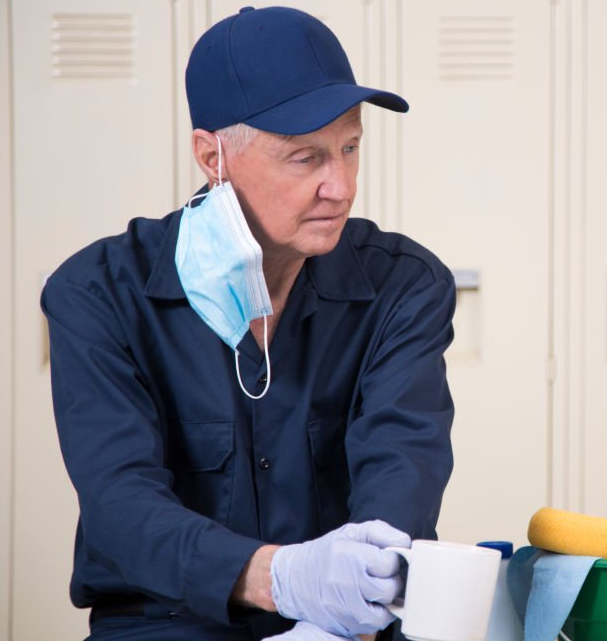
Some job tasks require a great deal of manual labor. Jobs such as janitor positions or materials management are just a couple of the plethora of job types that involve manual materials handling. These tasks should be investigated by an ergonomic specialist in two ways. First, the job tasks should be assessed for risks to which the job demands could exceed the capabilities of the staff. Then controls such as design, tools, and task rotation should be implemented to intrinsically control the demands.
Not all the risks can be corrected with engineering controls as mentioned before. Some require training or administrative related controls. The most effective training is job specific ergonomics and biomechanics blended with a stretch and flex program. This way employees are able to shield themselves from cumulative related risk factors including the following: repetitive motions, vibration, force, and posture. Initial and annual training should be offered staff, especially in workplaces such as schools as it helps remind employees to remind them the importance and techniques to protect them from strains and strains of the lower back and shoulders. It also helps spread positive safety culture amongst the workplace and help them understand that they are the most important asset the business has.
Biomechanics trainers are experts at training employees to understand concepts including neutral posture, muscle memory, utilization of larger muscles of the body, etc. These as well as specialized techniques for manual materials handling such as safe lifting techniques and pushing carts. Trainers demonstrate how to perform tasks in a manner that keeps them safe from cumulative related injuries. Typically, at the end of biomechanics training session will follow a stretch and flex. This provides staff the knowledge on how to properly prepare the body for the work they do throughout the day. Stretches are based on the type of work they do and a sample regiment is explained. Leaders can lead groups of individuals throughout the year to guide staff on a stretching program from there.
If your business can benefit from either biomechanics training or in the development of a stretch and flex program, reach out to Ergobility to find out how to best service your staff onsite. An annual program will help staff work smarter, more efficiently, and ensure that you retain the health and knowledge of your entire staff. This will impact job satisfaction in a very positive way and reduce workers compensation costs.
Biomechanics trainers are experts at training employees to understand concepts including neutral posture, muscle memory, utilization of larger muscles of the body, etc. These as well as specialized techniques for manual materials handling such as safe lifting techniques and pushing carts. Trainers demonstrate how to perform tasks in a manner that keeps them safe from cumulative related injuries. Typically, at the end of biomechanics training session will follow a stretch and flex. This provides staff the knowledge on how to properly prepare the body for the work they do throughout the day. Stretches are based on the type of work they do and a sample regiment is explained. Leaders can lead groups of individuals throughout the year to guide staff on a stretching program from there.
If your business can benefit from either biomechanics training or in the development of a stretch and flex program, reach out to Ergobility to find out how to best service your staff onsite. An annual program will help staff work smarter, more efficiently, and ensure that you retain the health and knowledge of your entire staff. This will impact job satisfaction in a very positive way and reduce workers compensation costs.