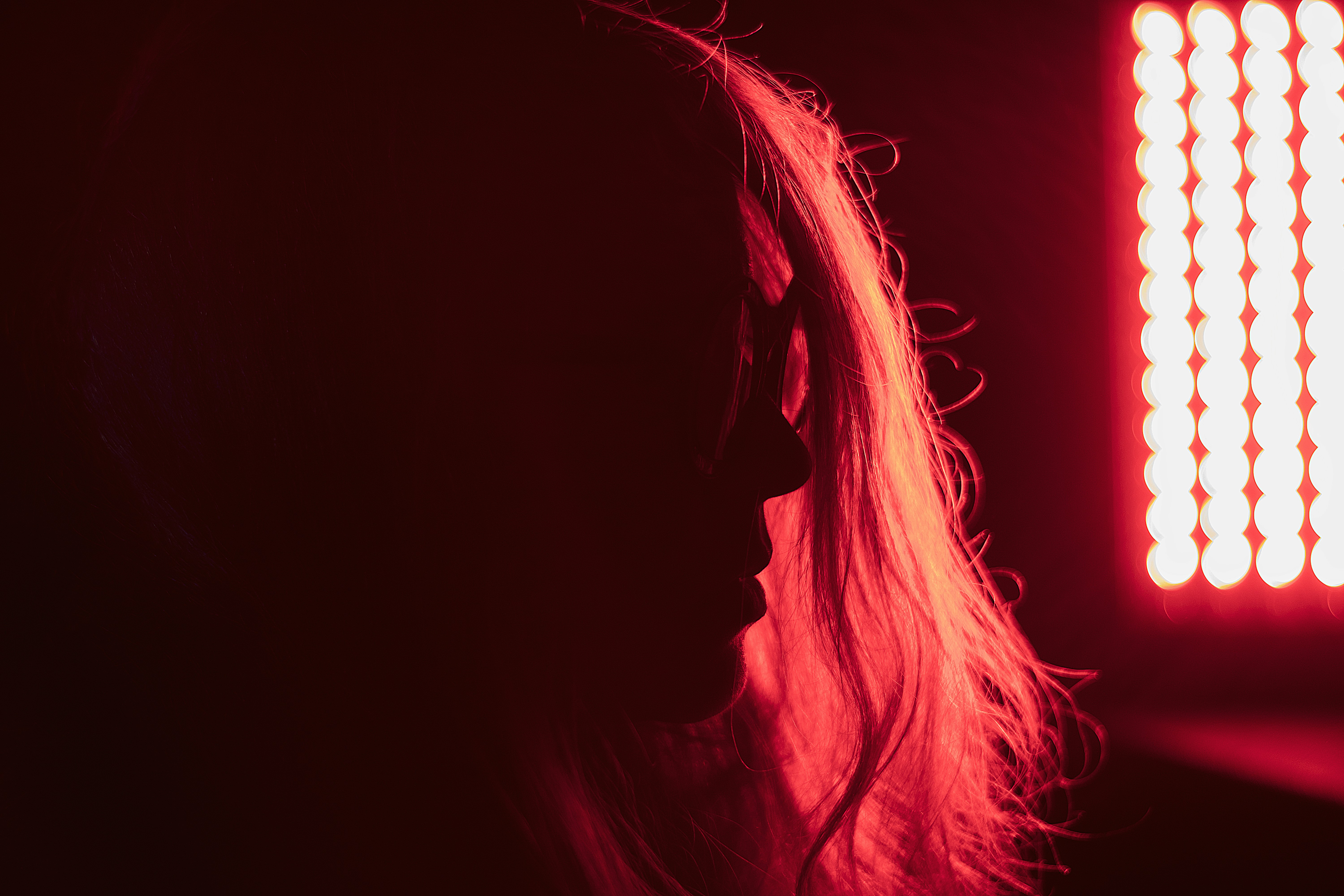
With a sore knee propped up, you might expect red light therapy to feel like sitting in front of a space heater. Once the panels switch on, a deep red glow fills the room while the light on your skin doesn't feel hot. At Recovery Lab of Corona, CA, our commercial-grade LED panels give off low-level red and near-infrared light. You sit near or lie under the panels, wearing eye protection, for 30 minutes or less.
The light is absorbed by an enzyme inside your cells, and that absorption is the proposed basis for the joint comfort you're hoping to find. For a sore knee or a stiff hand, what counts is how far the light gets into the tissue and what happens once it's there. A session feels mild because skin warmth plays no part in it.
What Comes Off The Panel
Our panels use two kinds of light, both at a low level. One is visible red, the deep color you see filling the room. Near-infrared is light just past visible red, and your eyes can't pick it up at all. Neither the red nor the near-infrared is ultraviolet light. So the color in the room looks like a heat lamp, but the session has none of a heat lamp's warmth on your skin.
How Deep The Light Goes
Red and near-infrared light travel different distances into tissue, and that difference shapes what each one reaches. Visible red light is absorbed closer to the surface, so it suits the outer layers of skin and the tissue just beneath it. Near-infrared light travels deeper into tissue than visible red does, though the distance is still measured in millimeters. Together they let a single session cover the surface and the layers just below it.
Once the light is in the tissue, an enzyme in the mitochondria of your cells absorbs it. Mitochondria are the small structures that make energy for each cell. This absorption is the proposed starting point for red light's effects, and researchers call the whole process photobiomodulation.
What The Research Supports For Knees
The research we point to here is a review of placebo-controlled knee trials. In those trials, the light eased knee pain compared with a placebo session. The same review supports red light as a complement to other care for knee discomfort, so it fits best as one part of how you look after a sore knee.
Those trials used a series of repeated sessions rather than a single exposure. At our studio, red light therapy supports muscle recovery around exercise and knee comfort as one part of other care. It also helps reduce muscle fatigue around exercise as part of the same session under the panels.
Your Session Under The Panels
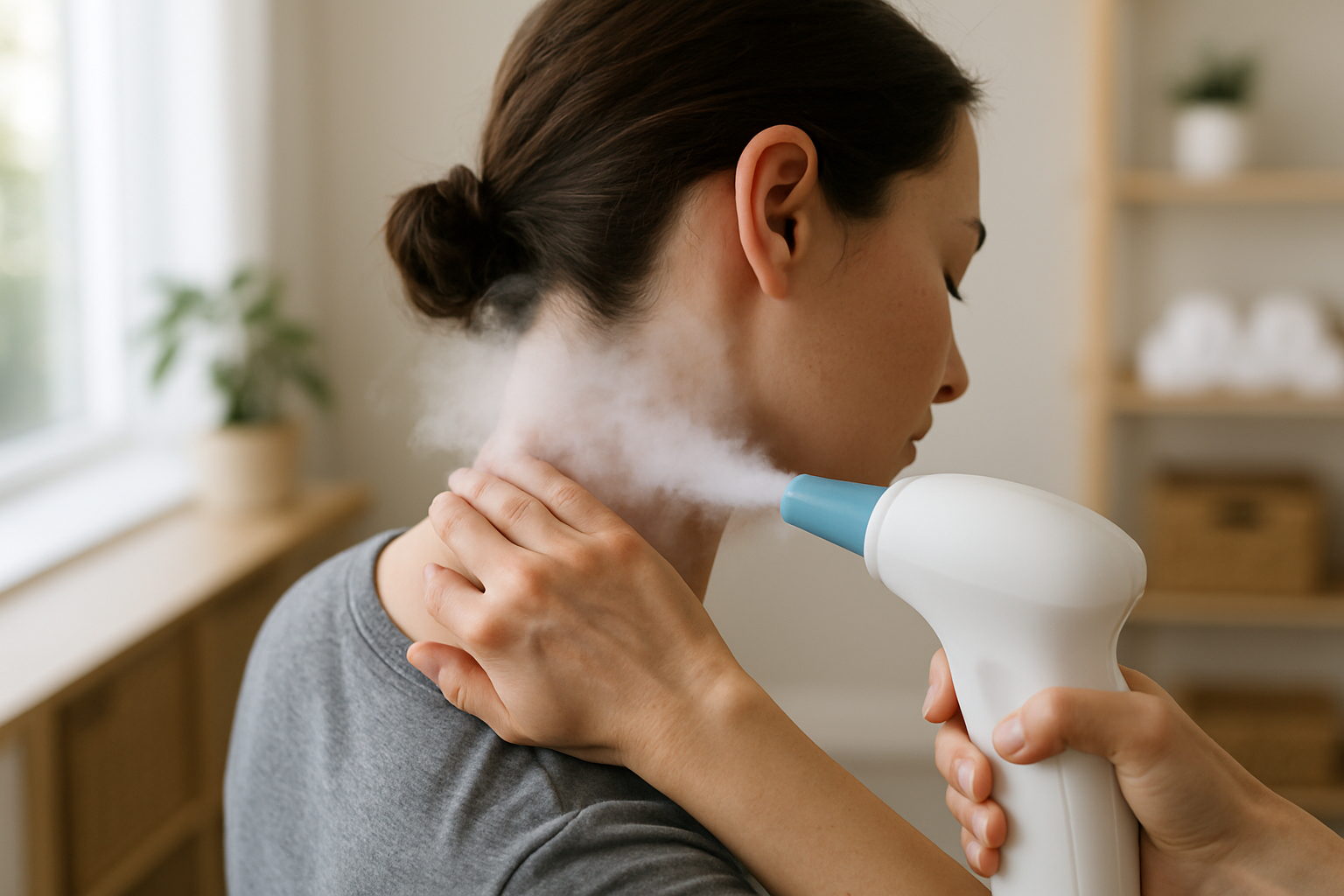
We set the exposure and timing before the session and keep it to 30 minutes or less. You'll put on eye protection, and then you sit near the panels or lie under them. For the whole session you rest still, and nothing presses on the joint. With a knee or a wrist that's already tender, there's no contact to brace against. You don't need a referral or a medical note to book a red light session.
Light Sensitivity And Joints That Need Medical Care
Light sensitivity is the caution we name for red light therapy. If you have a condition that makes you sensitive to light, or you take a medication that raises light sensitivity, check with your doctor before your first session. Some joint pain calls for a doctor before any session. If a joint is hot and swollen, see your doctor before you book. A joint that is warm and red, or comes with a fever, calls for a doctor's appointment as well. Following an injury, care is needed right away for severe pain and for sudden swelling. That same urgency after an injury applies to a joint that looks misshapen or one you can't use.
Book Your First Red Light Session
Book a red light session with Recovery Lab of Corona, CA at (951) 460-8009. On your first visit, you'll put on eye protection and settle in near or under our panels for 30 minutes or less. You rest still the whole time, with nothing pressing on a sore joint.