The muscle that aches after a long day at the desk begins right at the base of your skull. It's the upper trapezius, and it spreads from the back of your neck across the top of your shoulder, with the levator scapulae running beside it down to your shoulder blade. Those two muscles carry the weight of your head and steady your shoulder blade, and the levator scapulae is a familiar site of neck muscle soreness. At Recovery Lab of Corona, CA, localized cryotherapy puts cold air on that one area, and our team oversees each session and its timing. A guided stretch is one treatment you can add on the same day or a later one. Here is how each part of your visit works for a sore neck.
The Ache Runs From Your Skull To Your Shoulder Blade
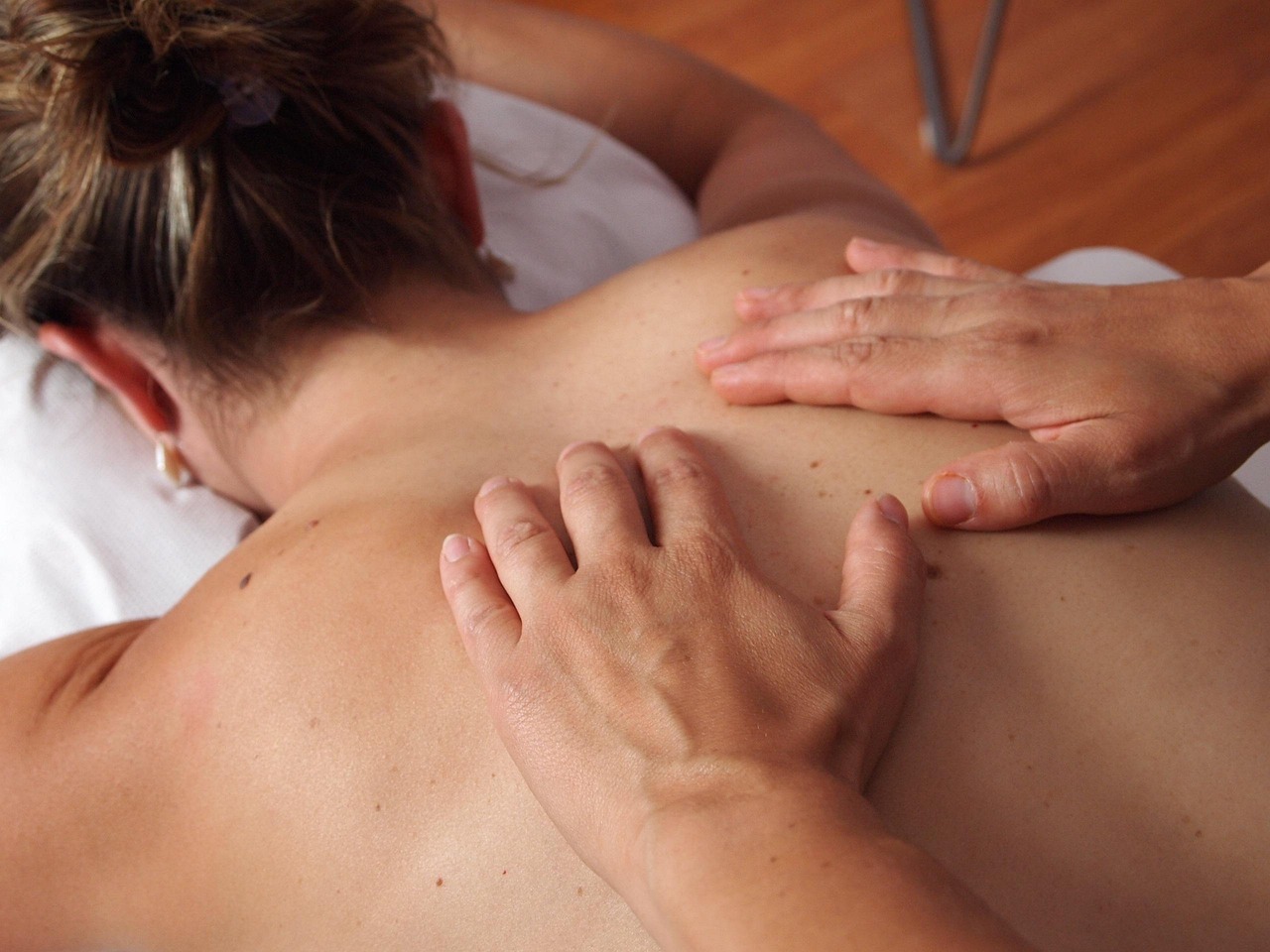
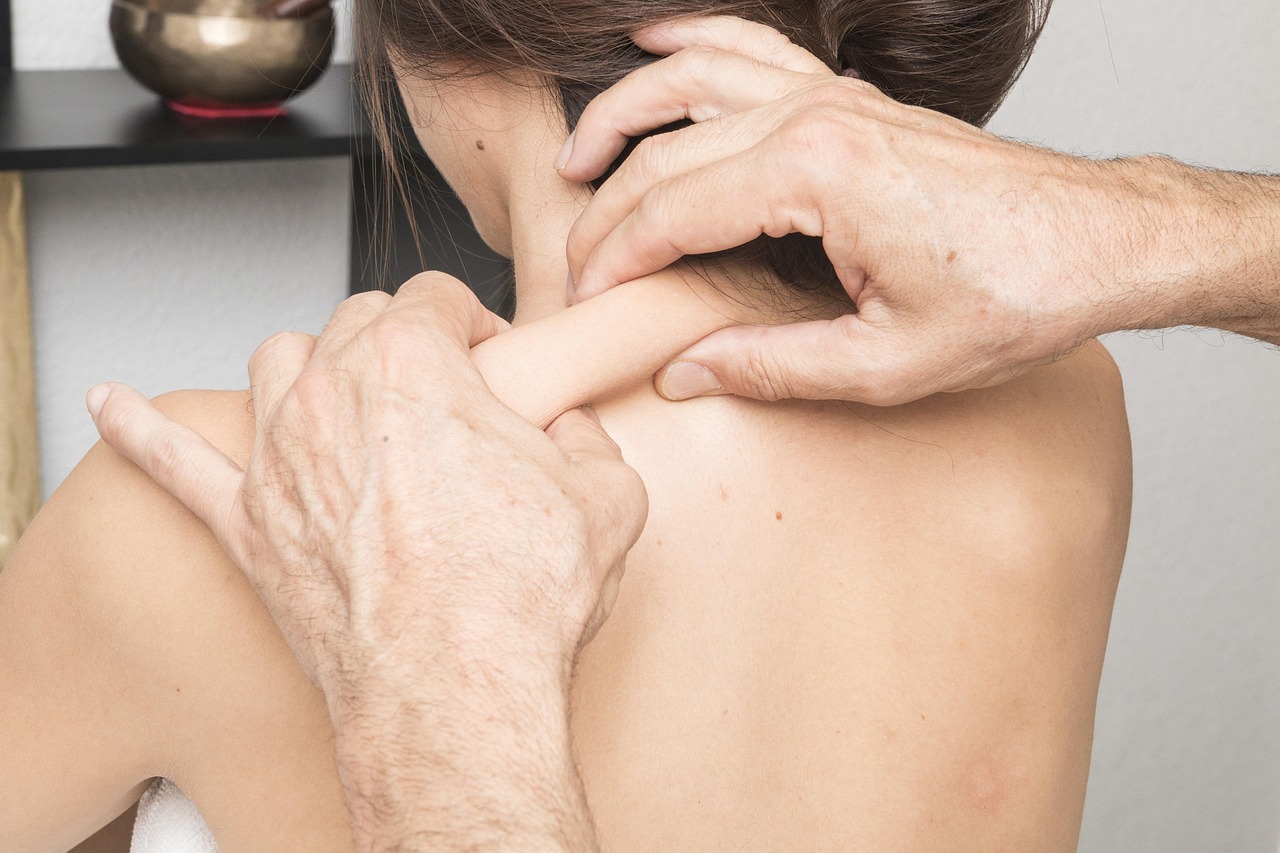
Long hours hunched over a computer or a phone are a common cause of neck muscle strain. Your head sits forward of your shoulders in that position, so the muscles behind it work longer to hold it up. Across the top of your shoulder, the upper trapezius is the broad, flat muscle that tightens when you shrug. Deeper along the side of your neck, the levator scapulae runs down to the top corner of your shoulder blade. That is why the band from the upper neck to the shoulder blade is the area your session cools.
What Cold Does Inside The Sore Muscle
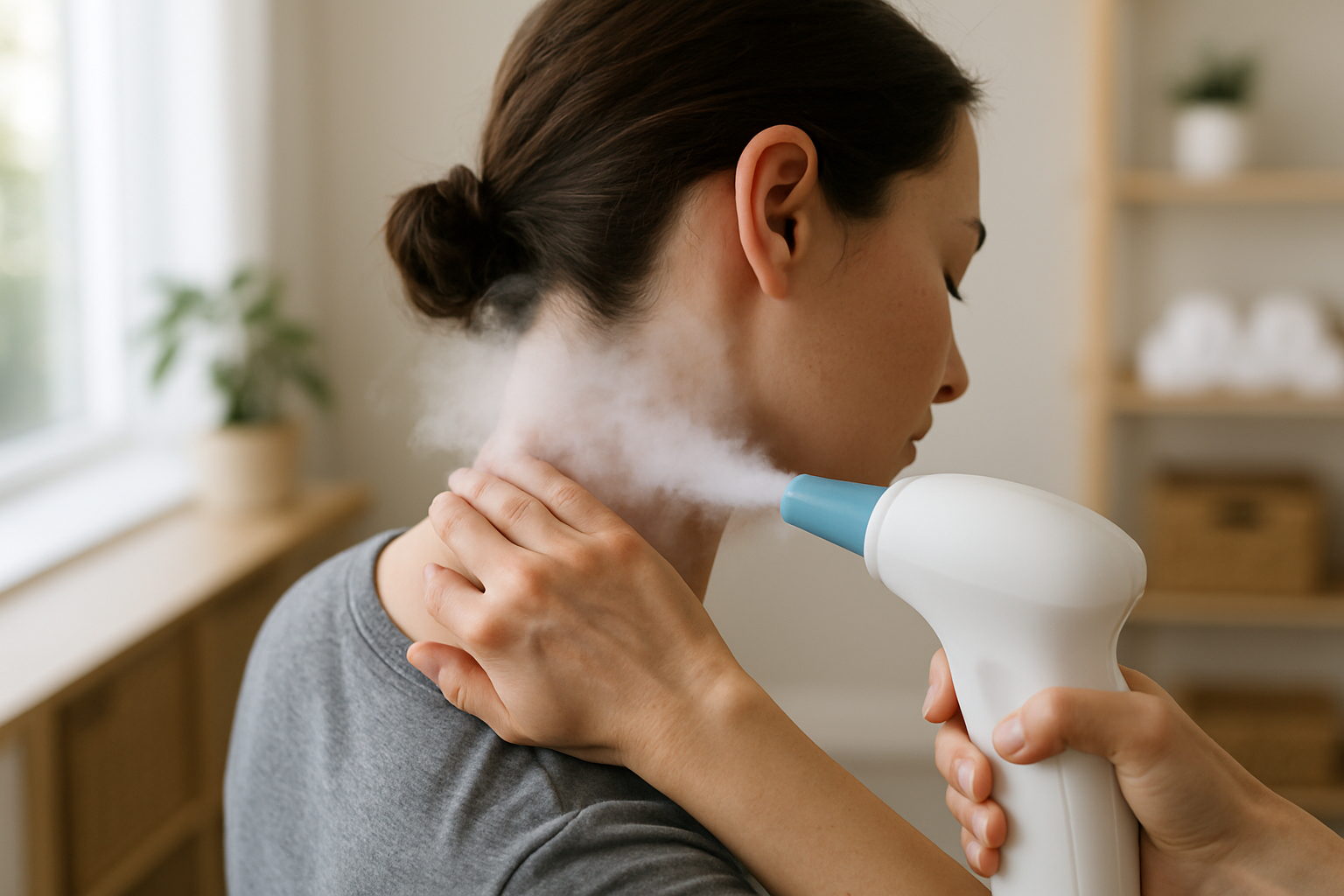
When cold air reaches the skin over a tense muscle, the blood vessels in the cooled tissue narrow. Cells in that tissue slow their metabolism, and the nerves under the cooled skin carry their signals more slowly. Those changes are the basis for the short-term pain relief localized cold provides, and they happen only in the area we cool.
At first, the cold feels sharp on your skin. As the minutes pass, the area begins to feel numb and the ache under it feels farther away. Cryotherapy eases neck pain by temporarily numbing the soreness in the cooled band, and the session is meant to help the tense muscle there relax.
Your Localized Session, Timed By Our Team
In a localized session, cold air is applied to one area of the body for about five to ten minutes. For a sore neck, that area is the band from your upper neck to your shoulder blade. Our team oversees each cryotherapy session and its timing, so you simply rest through it. You can tell us during the application whenever the cold feels uncomfortable. Since the session is short and covers one area, it fits easily into an evening after work.
Adding A Guided Stretch To Your Visit
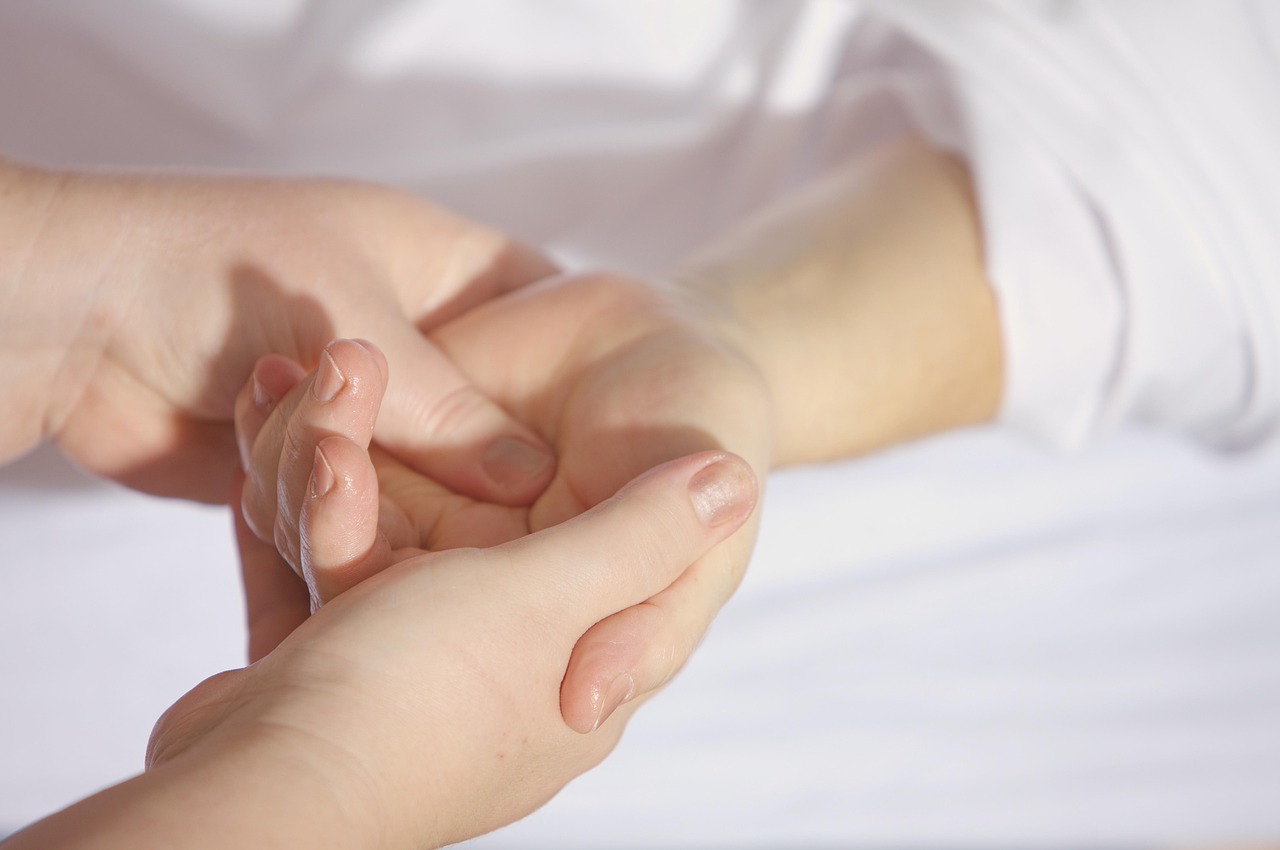
Relief from cryotherapy is temporary, so it helps to plan what comes after the cold. Guests commonly pair different treatments on the same day or on successive days, and a guided mobility stretch is one of them. You move actively through each position while our specialist assists and guides each motion within a range that feels comfortable. That stretching is meant to help range of motion and ease stiffness, which suits a neck that feels tight when you turn and tilt your head.
Who Should Check With A Doctor First
A few health conditions call for care before any cold session. People with nerve disorders or Raynaud's disease are advised to avoid cryotherapy. The same advice applies to people with severe hypertension or cardiovascular disease. Guests under 18 or who are pregnant may not be suited to it, and rare effects include skin irritation, lightheadedness and temporary numbness or tingling.
If your neck pain comes with numbness or weakness in an arm or hand, or pain shooting down an arm, see a doctor before booking cryotherapy. Severe neck pain after a car crash or a diving accident, or after a fall, also calls for a doctor's assessment first. No medical note or referral is needed to book with us, and checking with your doctor is a good idea whenever you're unsure.
Book Cold For Your Neck And Shoulder
Call Recovery Lab of Corona, CA at (951) 460-8009 to book a localized cryotherapy session for your neck. Our team oversees each session on the band from your upper neck to your shoulder blade and keeps its time. A guided stretch can be added the same day.