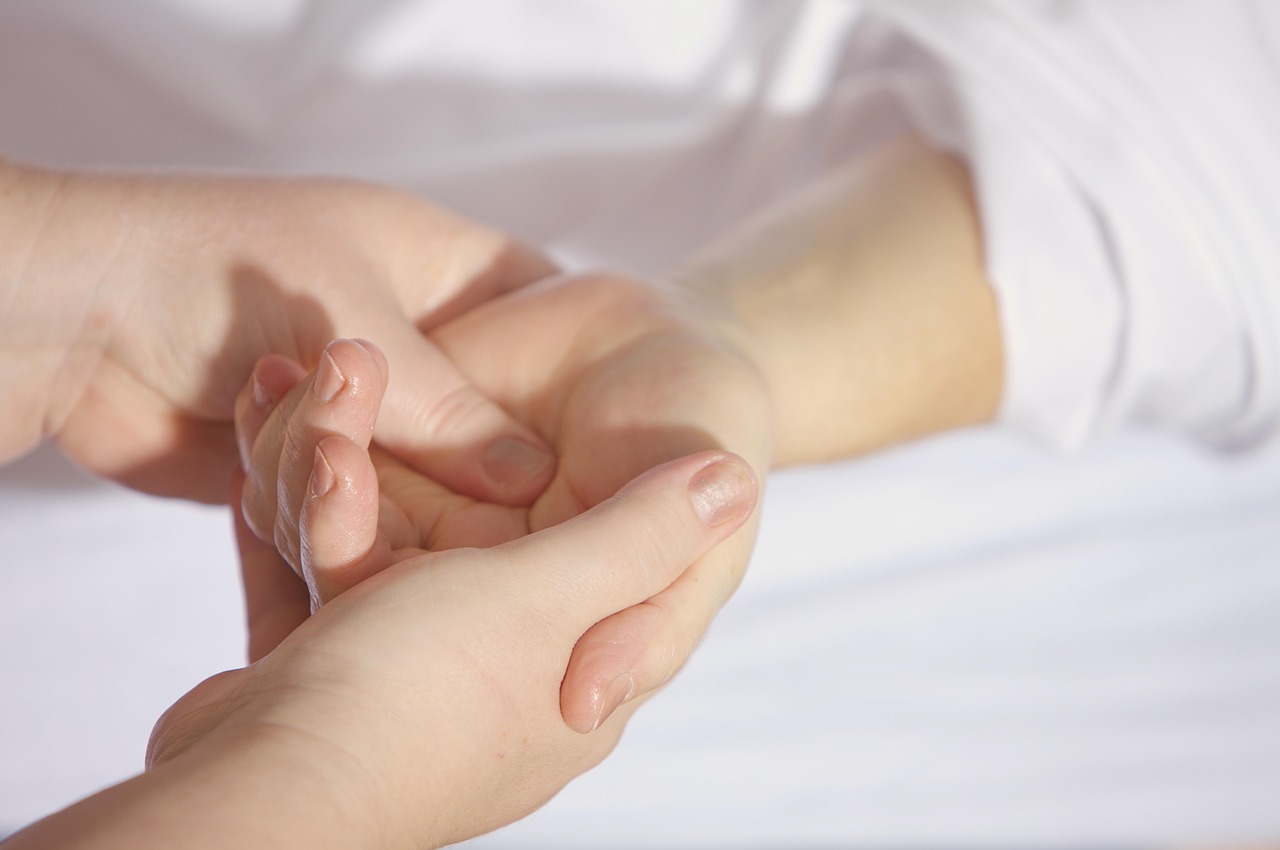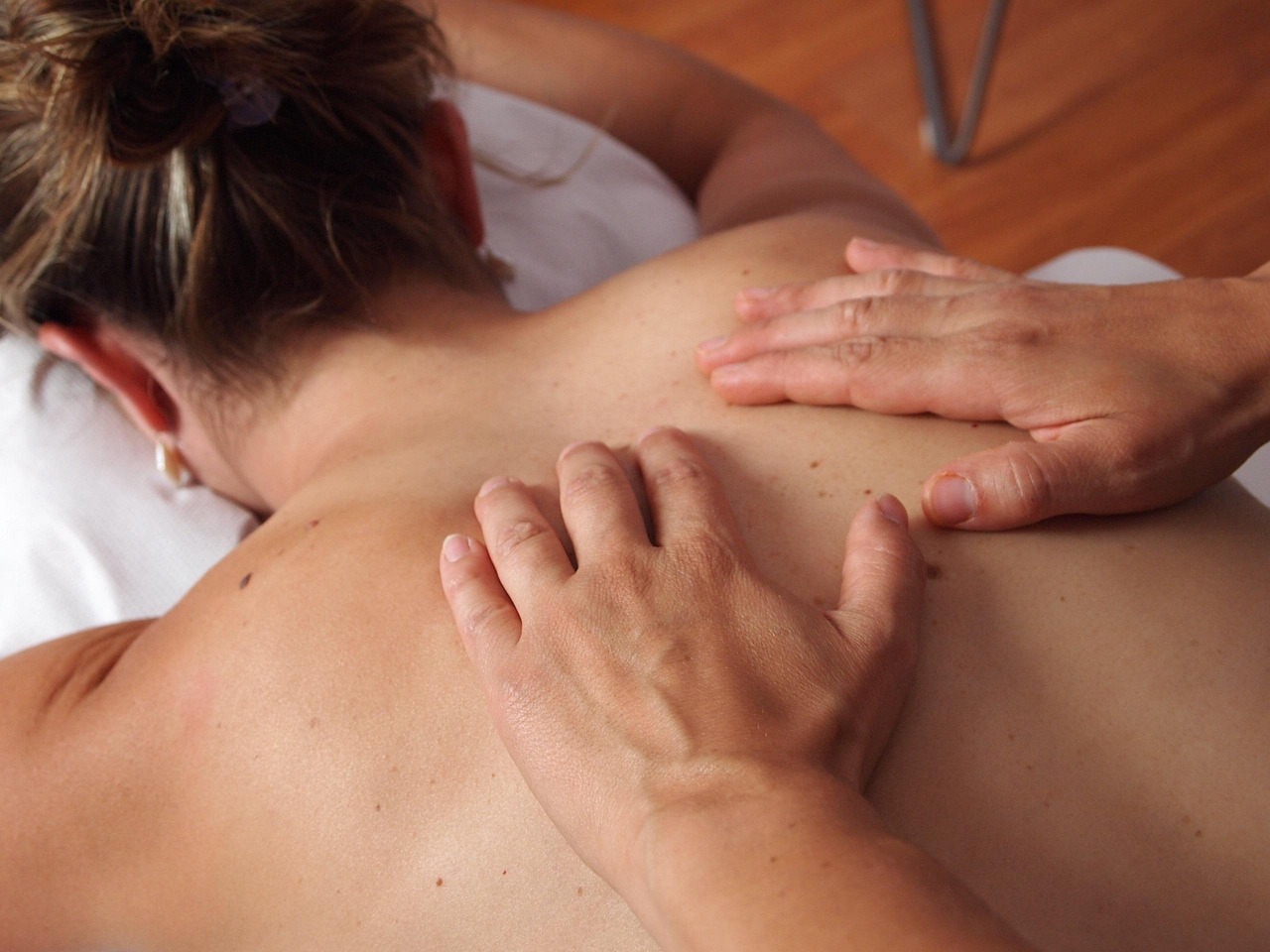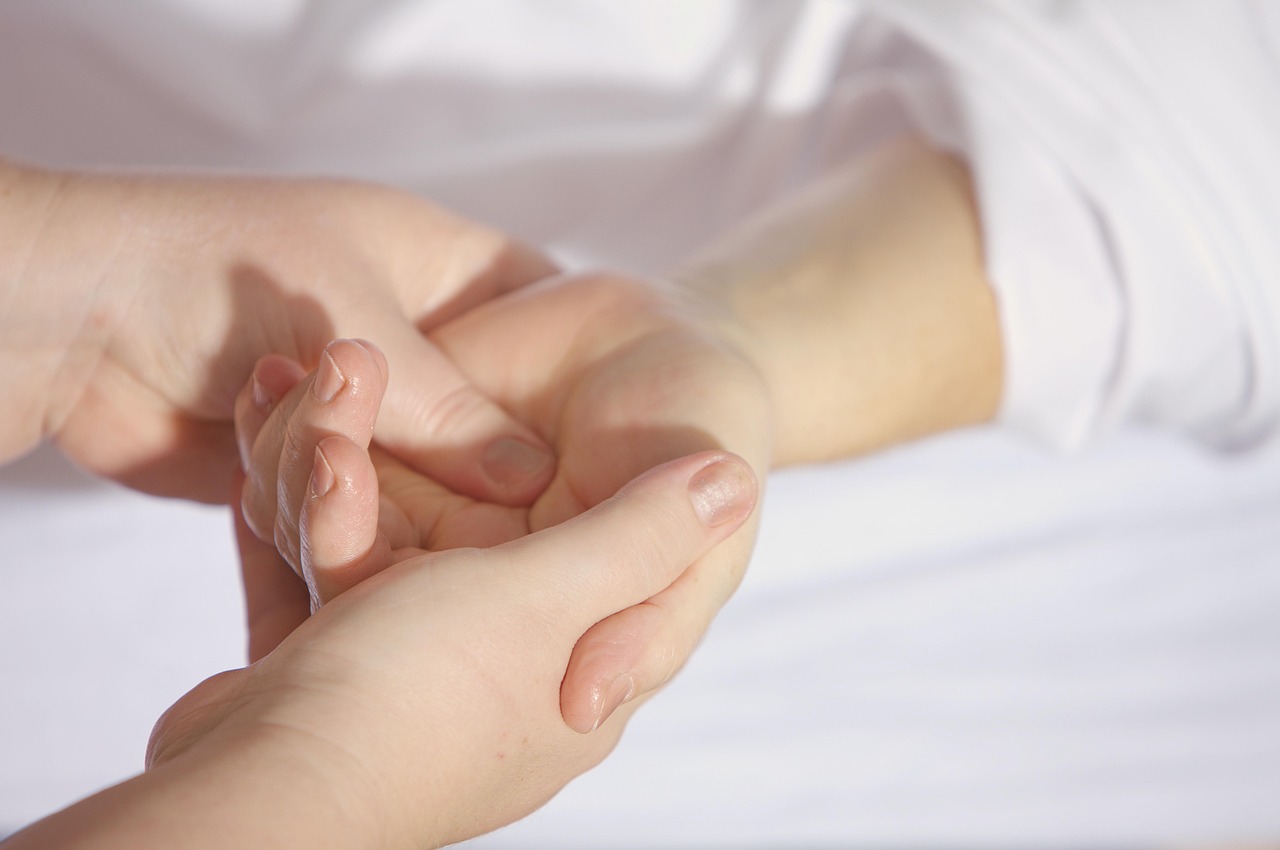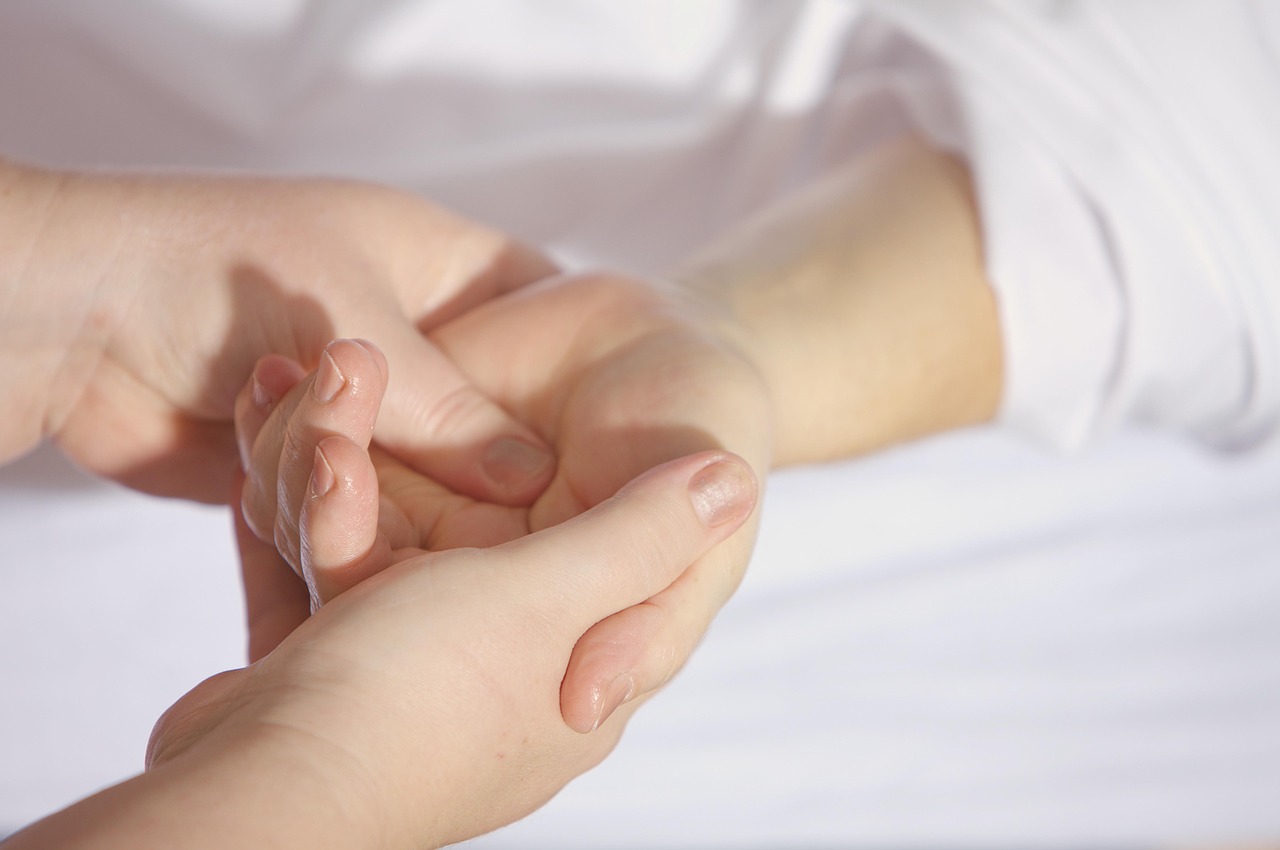
You stretch it every morning and it feels better for an hour. Months pass, nothing tore, no scan shows anything, and the tightness sits right where it always has. A muscle that got injured and a muscle that's being held tight can feel similar from the outside, though they need different things from you. Here at Recovery Lab of Corona, CA, located in Corona, we work with the second kind often. What follows covers why that tightness stays and what shifts it.
What Deep Refers To in Your Body
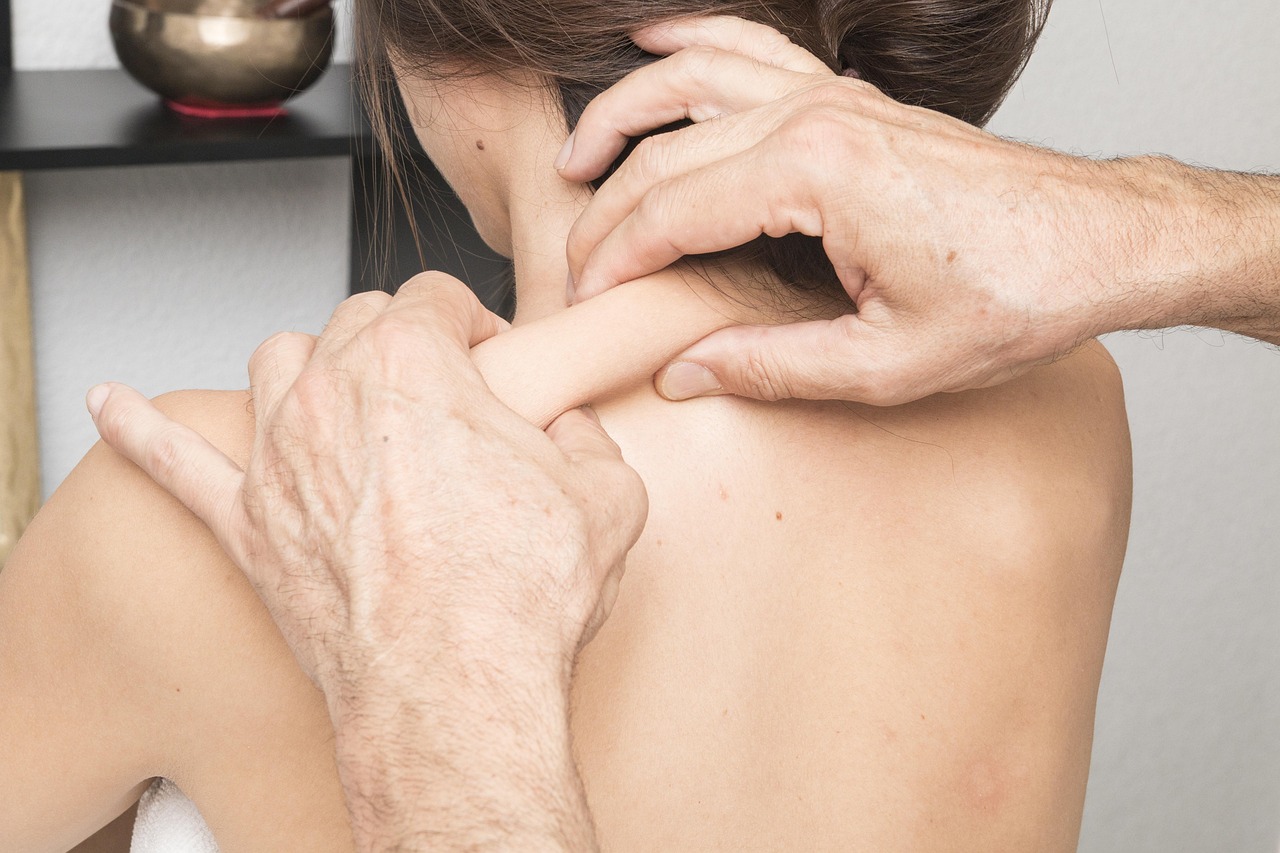
Surface muscle sits over deeper muscle, and connective tissue called fascia wraps and separates every one of those layers. Deep tissue work means reaching past the layer a hand meets first. Fascia holds free nerve endings that carry information to your nervous system, so it plays a real part in how tight an area feels. Working at depth means working on tissue you can't see and can barely feel from outside. Fascia also connects different sections of your body, so tightness in one spot sometimes traces back to a restriction further along that line. Our specialists account for that when they decide where to start.
Why It Stays Tight When Nothing Is Torn
Tightness that lasts for months points to a specific situation. Layers that normally slide across each other have stopped moving freely, and your nervous system holds that area loaded as a protective habit. The muscle isn't choosing this and neither are you. Stretching gives you temporary length once that habit sets in, and by the next morning the tightness has returned. The signal stays the same, so the muscle goes back to where it was. How fast that shifts depends on your activity level and how long the area has been tight, which varies from one person to the next.
Why Pressing Harder Stops Working
Most people push harder when a muscle won't let go, and that instinct makes sense. Force is what you'd apply to anything else that seems stuck. Your body responds to quick hard pressure by guarding more, which is why two minutes with a massage gun buys an evening and no more. Steady pressure held in one place stimulates sensors inside the tissue, and your nervous system reads those sensors directly. The length of time pressure stays put is what does the work. Some of our clients describe percussion therapy as soothing, closer to a massage than anything clinical. Your specialist adjusts pressure and speed through the session, so the work stays inside what you can handle comfortably.
How We Reach Depth at Our Corona Studio
Our percussion therapy combines pressure with vibration, and one of our recovery specialists sets the angle and the speed for you. Cupping works from the opposite direction, since the suction lifts your tissue upward. We also use Rockblade, a metal blade our specialists glide along fascia inside your own pain tolerance. Our specialists often reach for it when the restriction shows up during a movement. Cupping suits the back, shoulders, and legs, and the reddened circles it leaves fade over the following days. Where your tightness sits determines which of these suits you best.
Range of Motion Improves Before the Ache Does
Range of motion usually returns before the pain fades. A shoulder reaches higher before it stops hurting, and a low back bends further before it feels comfortable. That sequence is normal and it's the earliest sign the work is landing. Watch what you can do as the sessions add up, since movement often comes back while some soreness is still present. Many of our clients pair two treatments in the same visit, because combining them boosts what each one does alone.
Bring Us the Spot That Hasn't Moved
Ask yourself one question about your tight area. Does it loosen for an evening and come back by morning, every time? A yes means you're managing the symptom while something else keeps driving it, and that's a solvable problem. We'll ask which movements bring it on and how long you've been working around it. Call Recovery Lab of Corona, CA at (951) 460-8009 and tell us how long it's been there.