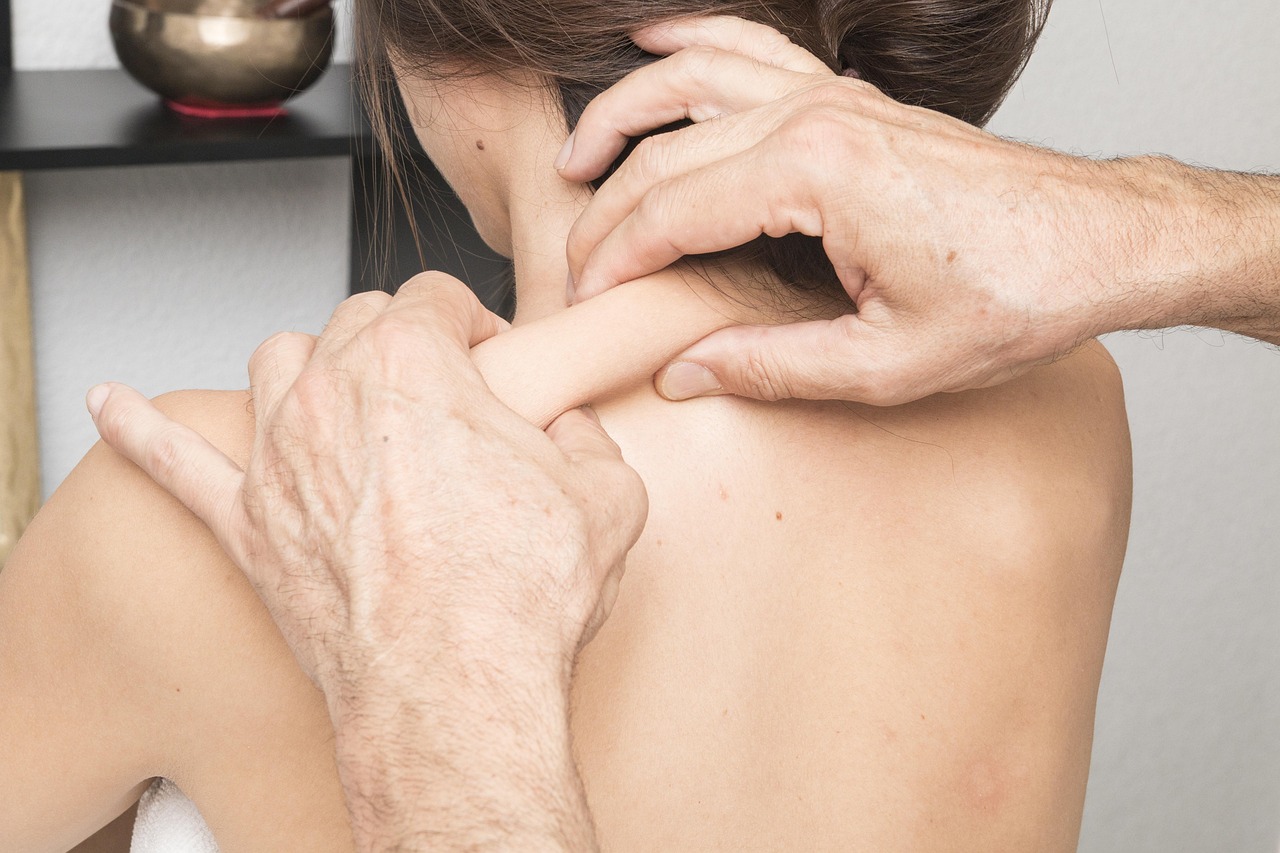
A tight spot across your upper back can be difficult to reach with a massage gun. You lift your elbow and turn your wrist while trying to let the sore shoulder relax. At Recovery Lab of Corona, CA, our specialists apply percussion for you. You can rest the area while we work on the muscle. For discomfort that feels like a nerve problem, we start with a clear distinction: percussion helps with muscular tension, while numbness or shooting pain needs a doctor's assessment first.
What We Work On With Percussion
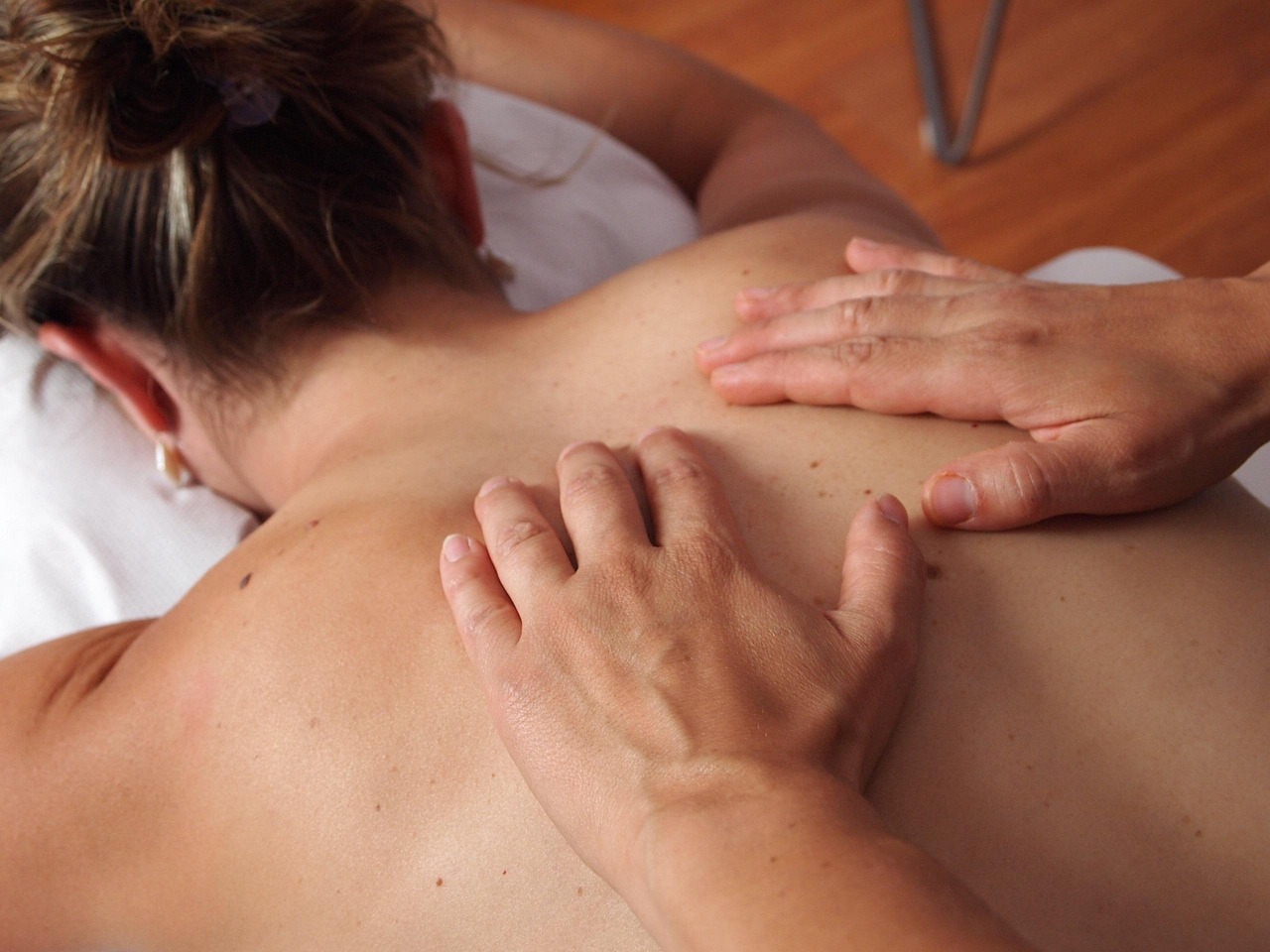
The device delivers rapid taps against muscle tissue. Its moving head combines pressure with vibration, which can ease muscular tightness and improve flexibility. We apply it to the muscle or muscle group being worked on while you sit or lie down. The tapping reaches the tissue through direct contact, so placement makes a difference. A broad muscle across your back gives us a different surface from a smaller area of your lower leg. Our specialist keeps control of the device as the application moves from one area to another.
Why Nerve Symptoms Come First
A burning sensation or pain that shoots along an arm needs an explanation before massage. Numbness also makes pressure harder to judge: reduced sensation can keep you from feeling when an application is too much. A healthcare professional can assess those symptoms and their cause.
People with nerve disorders need a doctor's okay before percussion therapy. The device doesn't repair damaged nerves or diagnose nerve pain. Once percussion is cleared, we can work on muscle tightness alongside your care, even when the muscle and nerve symptoms occur in the same area.
Pressure Adjusted To The Muscle
Pressure and speed are adjustable, so the session can change with the area we are working on. A tender muscle may need a lighter application than the surrounding tissue. We make those adjustments during the work, with your comfort guiding the intensity.
You don't have to operate the device or hold the setting steady. If the tapping feels too strong, tell us and we can ease it. That feedback helps us adjust the work to how the muscle feels during the session, including areas that are more sensitive than you expected.
What Percussion Feels Like
Percussion has a noticeable tapping sensation. Some people find it soothing, and a tight area can feel tender when the work begins. Discomfort is a reason to adjust the application; sharp pain is a reason to stop. More pressure does not automatically produce more relief.
We avoid percussion on bruised or inflamed tissue because repeated pressure can aggravate it. A spot can be too irritated for percussion even when the surrounding muscle feels tight. Mild soreness can also follow a session, even if the muscle felt better during the work.
Moving With Less Muscle Tension
Turning your head to speak to someone beside you uses muscles that can feel restricted across the neck and shoulders. Washing your hair involves raising your arms and moving those areas differently. Easing muscle tightness can make those everyday turns and reaches feel less restricted.
We work on muscle tension from exercise and work-related activity. For help using a stiff range of motion, we also offer guided mobility stretching. Our specialist assists with the stretch and guides your movement. That adds work on how you move the area, beyond the muscle contact provided by percussion.
Let Us Help With The Tight Area
Call Recovery Lab of Corona, CA at (951) 460-8009 to ask about a percussion appointment. You can describe the tight area and the movement that brings it to your attention. Our team will help arrange a session once any needed medical clearance is in place. At the session, our specialist operates the device while you let the area rest. For the tight spot you have been trying to reach yourself, you can keep your arm down and leave the application to us.