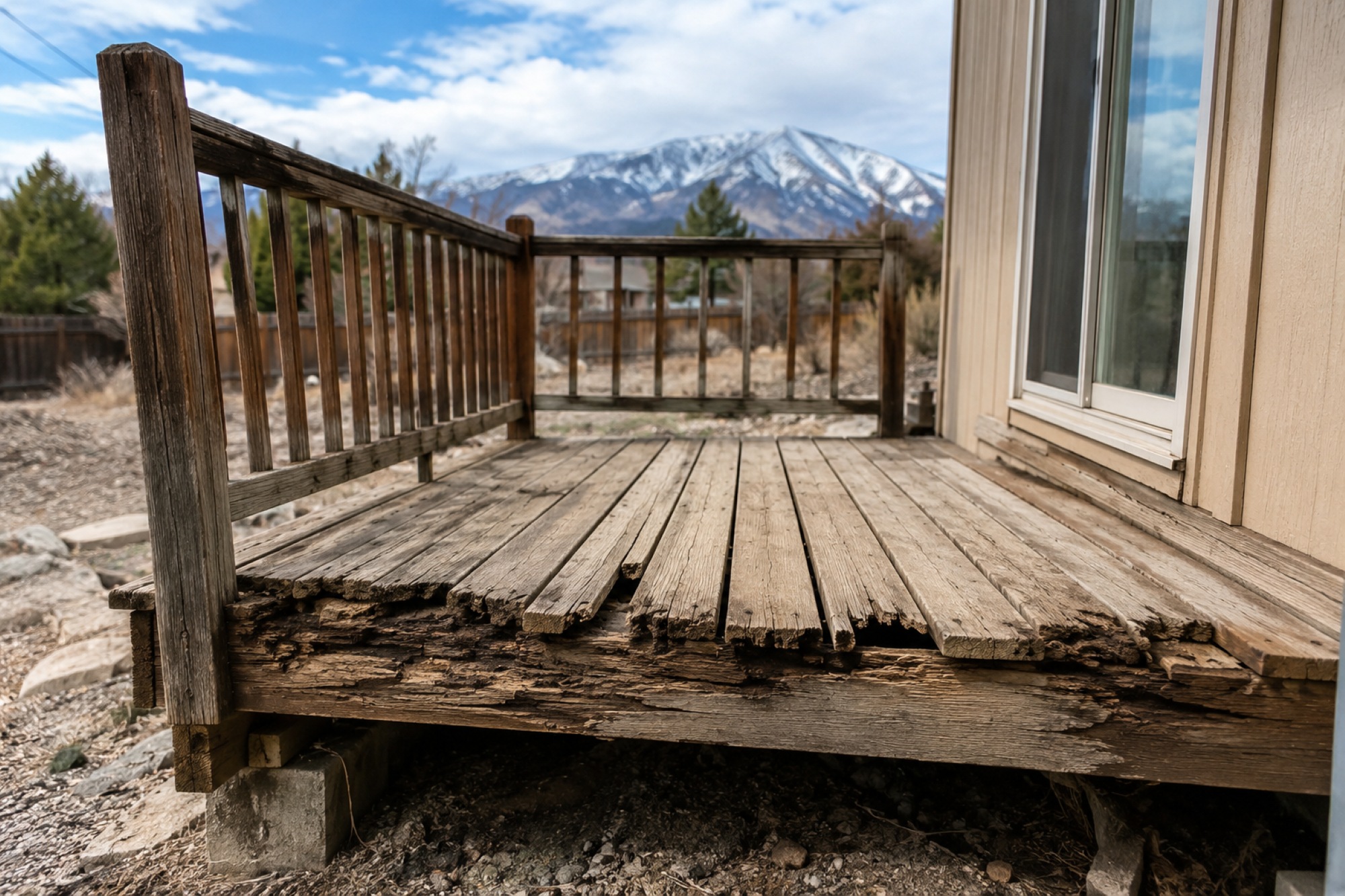
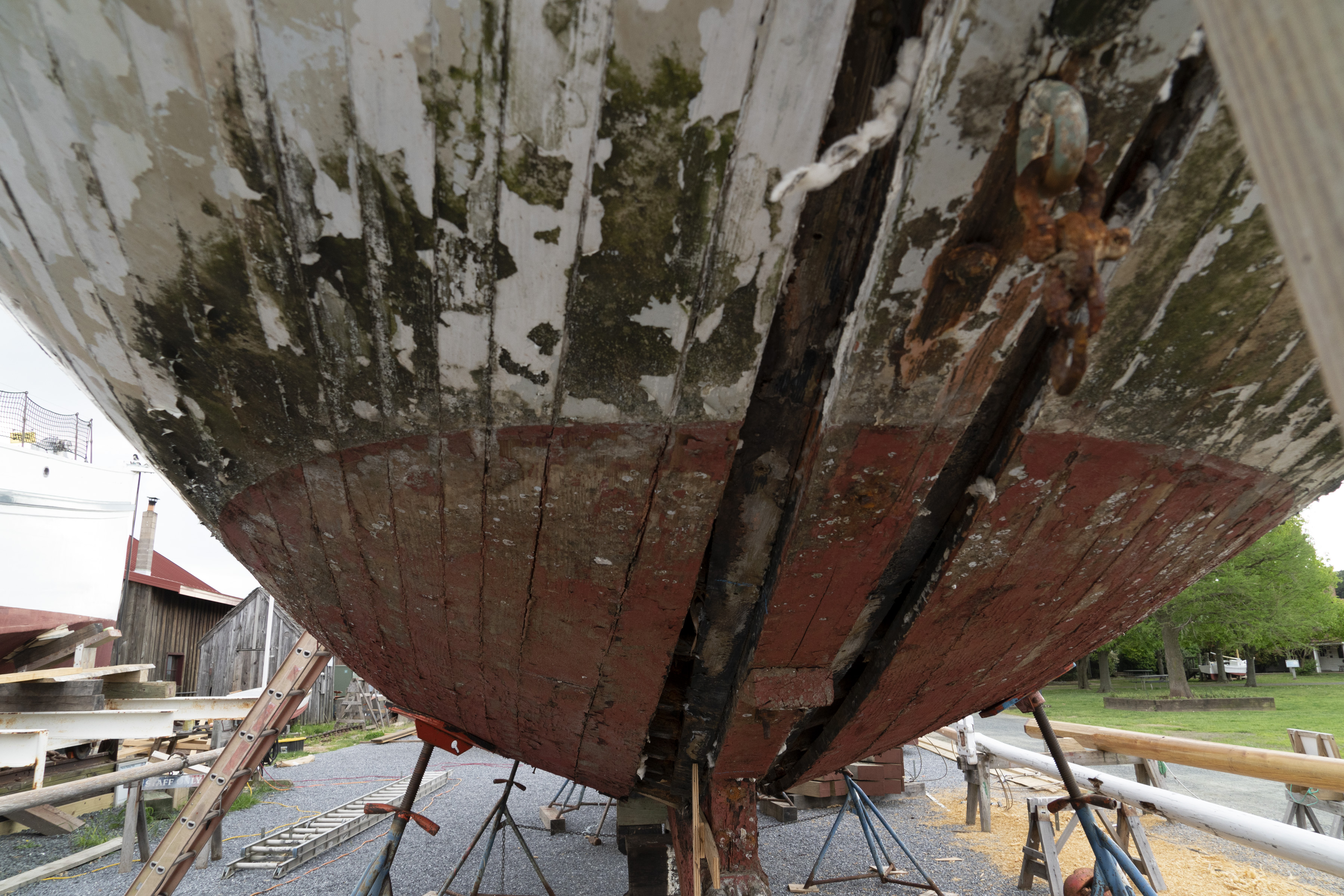
 You trailered your runabout home to Carson City last fall, covered it up, and figured it would be fine until spring. That's what most wooden boat owners do, and it makes sense. But the high desert air around Carson City sits well below 40% humidity for months at a stretch, and that dry climate does something to wooden hulls that you can't see from the outside. Planking shrinks as moisture leaves the wood grain, seams pull open at the plank edges, and the fit between wood and fastenings changes in ways that affect the whole structure.
What Dry Storage Does to a Runabout's Bones
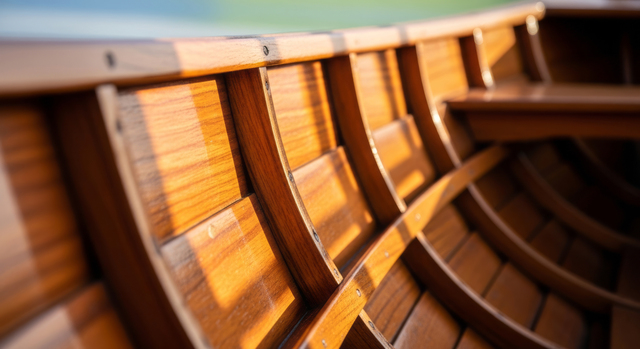
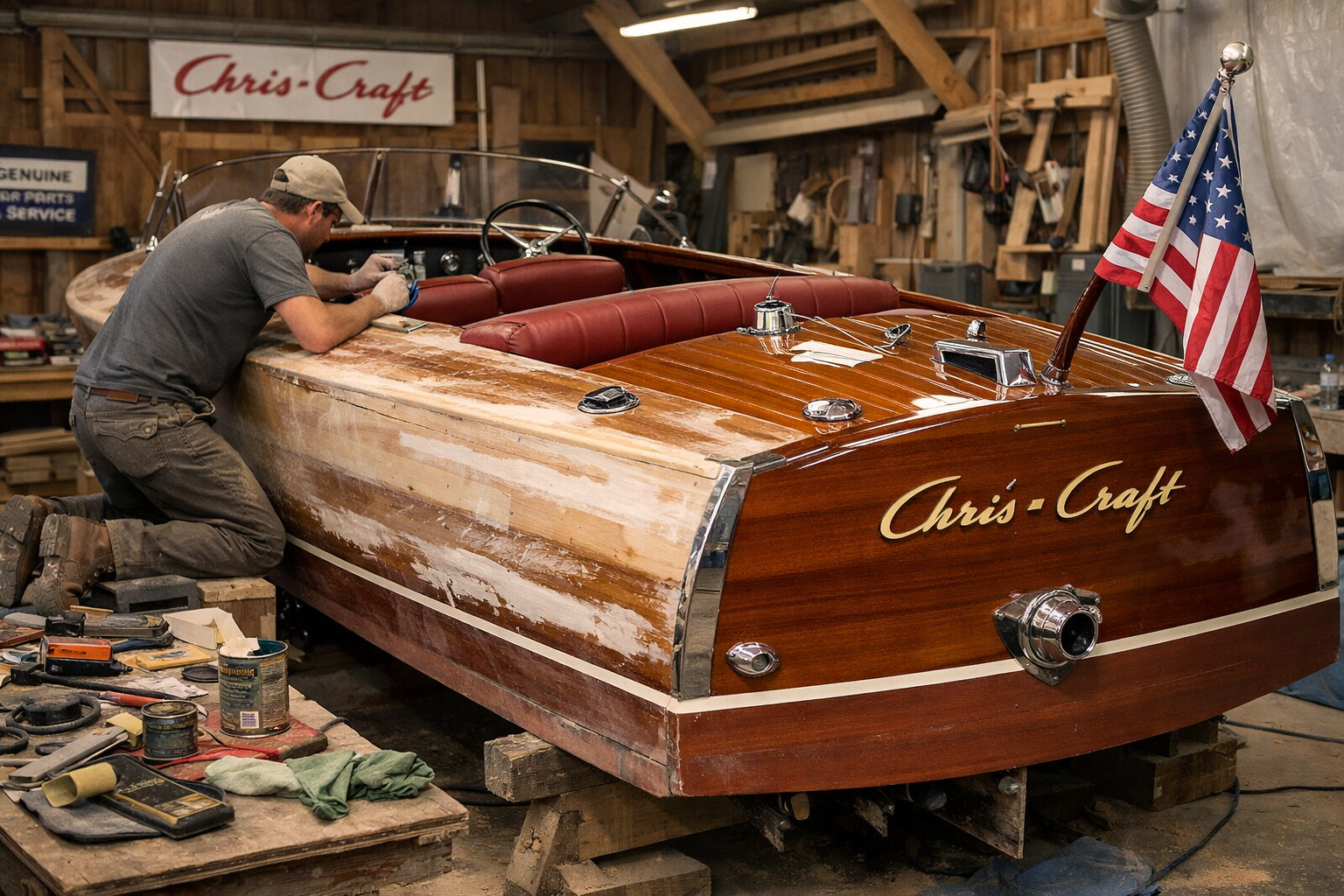
Classic runabouts built by Chris-Craft, Century, and Gar Wood each carry their own hull geometry, from flat-bottom utility designs to moderate-V configurations that became standard through the 1950s and 1960s. Every one of those hull shapes responds to moisture loss differently, because plank thickness, frame spacing, and fastener patterns vary by maker and era. When the wood dries and contracts, it doesn't crack apart all at once. The change is gradual, and it starts at the plank-to-frame connection where bronze fastenings hold the hull together.
Why Fastenings Lose Their Grip Before They Fail
Here's something most owners don't realize about bronze screws in a wooden hull. The screw itself doesn't corrode or break in dry storage; the wood around the shaft shrinks and loosens its grip on the threads. That means a fastening can look perfect on the surface while its holding power has dropped enough to let the plank shift under load. We check this by testing withdrawal resistance at multiple points along the hull, which tells us whether the plank-to-frame bond still carries the stress it was designed to handle.
Stem and Transom Joints Take a Beating on the Trailer
Trailering a runabout over mountain roads between Tahoe and Carson City puts stress on the stem and transom joints every trip. The stem is the forward-most vertical timber where the hull planks meet at the bow, and the transom is the flat section at the stern where the planks terminate. Both joints absorb road vibration and load shifting during transport, and over several seasons of trailering, those joints can develop separation that's invisible until the boat goes back in the water. We inspect these joints with a thin blade and a moisture meter to find gaps before they become a problem on the lake.
Varnish at Altitude Wears Out Faster Than You'd Expect
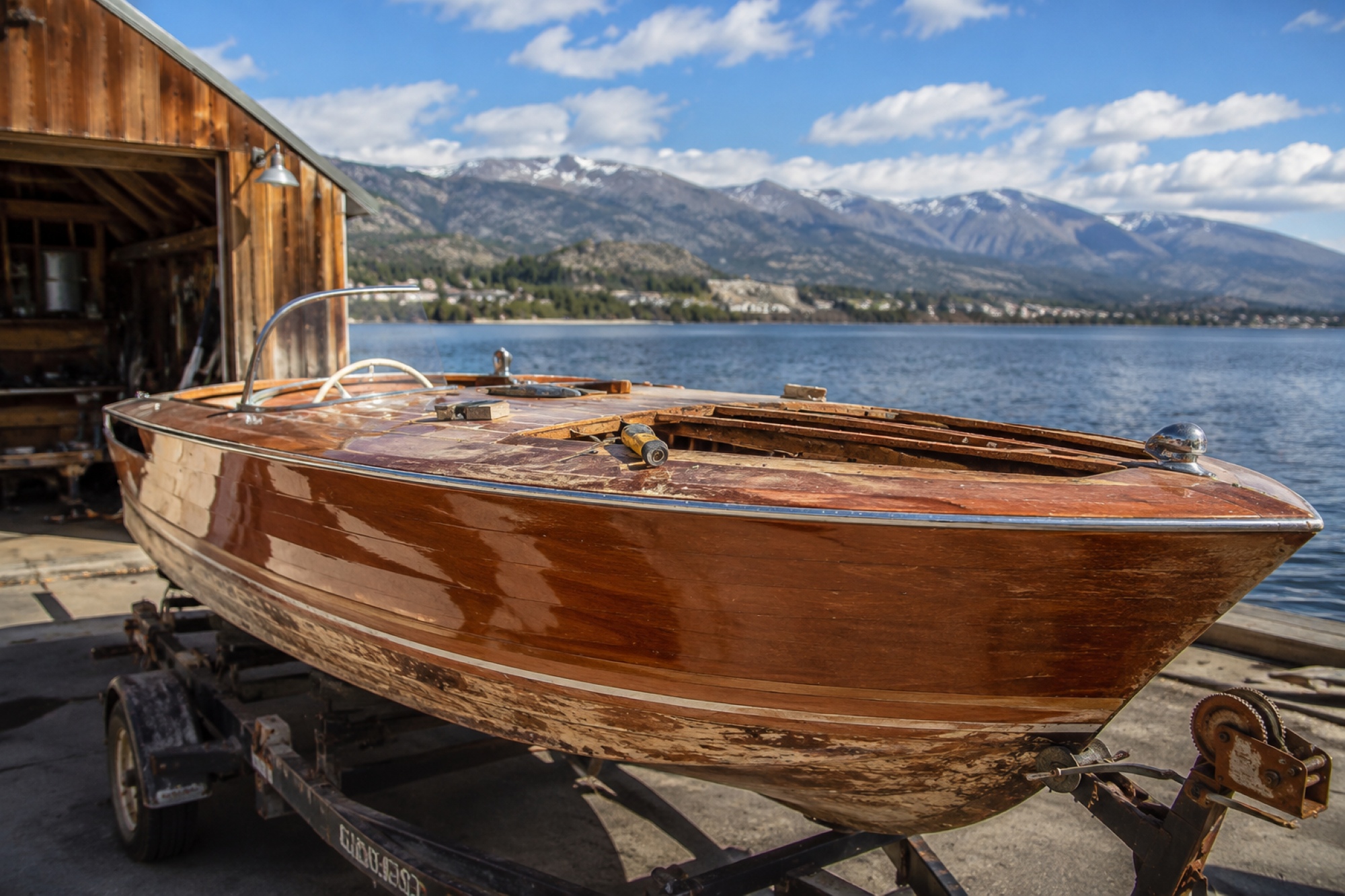
Tahoe sits above 6,200 feet, and UV intensity at that elevation breaks down marine varnish faster than it would at sea level. A finish that might hold three seasons on a coastal boat can start checking and peeling after two seasons of Tahoe sun. We assess the existing varnish system before stripping anything, because a well-maintained base coat can sometimes accept fresh coats without a full strip and rebuild.
Your Runabout Deserves an Honest Look Before Any Work Starts
Tahoe Runabout Co. is based in Lake Tahoe, CA, and we work with Carson City runabout owners who want a straight answer about their boat's condition. We'll walk through every plank, every fastening, and every joint with you so you can decide what's worth doing and what can wait. Give us a call at (775) 315-0309 and let's set up a time to look at your boat together.
You trailered your runabout home to Carson City last fall, covered it up, and figured it would be fine until spring. That's what most wooden boat owners do, and it makes sense. But the high desert air around Carson City sits well below 40% humidity for months at a stretch, and that dry climate does something to wooden hulls that you can't see from the outside. Planking shrinks as moisture leaves the wood grain, seams pull open at the plank edges, and the fit between wood and fastenings changes in ways that affect the whole structure.
What Dry Storage Does to a Runabout's Bones
Classic runabouts built by Chris-Craft, Century, and Gar Wood each carry their own hull geometry, from flat-bottom utility designs to moderate-V configurations that became standard through the 1950s and 1960s. Every one of those hull shapes responds to moisture loss differently, because plank thickness, frame spacing, and fastener patterns vary by maker and era. When the wood dries and contracts, it doesn't crack apart all at once. The change is gradual, and it starts at the plank-to-frame connection where bronze fastenings hold the hull together.
Why Fastenings Lose Their Grip Before They Fail
Here's something most owners don't realize about bronze screws in a wooden hull. The screw itself doesn't corrode or break in dry storage; the wood around the shaft shrinks and loosens its grip on the threads. That means a fastening can look perfect on the surface while its holding power has dropped enough to let the plank shift under load. We check this by testing withdrawal resistance at multiple points along the hull, which tells us whether the plank-to-frame bond still carries the stress it was designed to handle.
Stem and Transom Joints Take a Beating on the Trailer
Trailering a runabout over mountain roads between Tahoe and Carson City puts stress on the stem and transom joints every trip. The stem is the forward-most vertical timber where the hull planks meet at the bow, and the transom is the flat section at the stern where the planks terminate. Both joints absorb road vibration and load shifting during transport, and over several seasons of trailering, those joints can develop separation that's invisible until the boat goes back in the water. We inspect these joints with a thin blade and a moisture meter to find gaps before they become a problem on the lake.
Varnish at Altitude Wears Out Faster Than You'd Expect
Tahoe sits above 6,200 feet, and UV intensity at that elevation breaks down marine varnish faster than it would at sea level. A finish that might hold three seasons on a coastal boat can start checking and peeling after two seasons of Tahoe sun. We assess the existing varnish system before stripping anything, because a well-maintained base coat can sometimes accept fresh coats without a full strip and rebuild.
Your Runabout Deserves an Honest Look Before Any Work Starts
Tahoe Runabout Co. is based in Lake Tahoe, CA, and we work with Carson City runabout owners who want a straight answer about their boat's condition. We'll walk through every plank, every fastening, and every joint with you so you can decide what's worth doing and what can wait. Give us a call at (775) 315-0309 and let's set up a time to look at your boat together.
Carson City, NV - Classic Runabout Renewal with Expert Wooden Boat Repair
SYNOPSIS: Tahoe Runabout Co. helps Carson City wooden boat owners restore classic runabouts to water-ready condition through expert evaluation and skilled repairs. Humidity affects your boat structure.
Renew Your Classic Runabout with Confidence
BY: Brian Richards, Tahoe Runabout Company
You trailered your runabout home to Carson City last fall, covered it up, and figured it would be fine until spring. That's what most wooden boat owners do, and it makes sense. But the high desert air around Carson City sits well below 40% humidity for months at a stretch, and that dry climate does something to wooden hulls that you can't see from the outside. Planking shrinks as moisture leaves the wood grain, seams pull open at the plank edges, and the fit between wood and fastenings changes in ways that affect the whole structure.
What Dry Storage Does to a Runabout's Bones
Classic runabouts built by Chris-Craft, Century, and Gar Wood each carry their own hull geometry, from flat-bottom utility designs to moderate-V configurations that became standard through the 1950s and 1960s. Every one of those hull shapes responds to moisture loss differently, because plank thickness, frame spacing, and fastener patterns vary by maker and era. When the wood dries and contracts, it doesn't crack apart all at once. The change is gradual, and it starts at the plank-to-frame connection where bronze fastenings hold the hull together.
Why Fastenings Lose Their Grip Before They Fail
Here's something most owners don't realize about bronze screws in a wooden hull. The screw itself doesn't corrode or break in dry storage; the wood around the shaft shrinks and loosens its grip on the threads. That means a fastening can look perfect on the surface while its holding power has dropped enough to let the plank shift under load. We check this by testing withdrawal resistance at multiple points along the hull, which tells us whether the plank-to-frame bond still carries the stress it was designed to handle.
Stem and Transom Joints Take a Beating on the Trailer
Trailering a runabout over mountain roads between Tahoe and Carson City puts stress on the stem and transom joints every trip. The stem is the forward-most vertical timber where the hull planks meet at the bow, and the transom is the flat section at the stern where the planks terminate. Both joints absorb road vibration and load shifting during transport, and over several seasons of trailering, those joints can develop separation that's invisible until the boat goes back in the water. We inspect these joints with a thin blade and a moisture meter to find gaps before they become a problem on the lake.
Varnish at Altitude Wears Out Faster Than You'd Expect
Tahoe sits above 6,200 feet, and UV intensity at that elevation breaks down marine varnish faster than it would at sea level. A finish that might hold three seasons on a coastal boat can start checking and peeling after two seasons of Tahoe sun. We assess the existing varnish system before stripping anything, because a well-maintained base coat can sometimes accept fresh coats without a full strip and rebuild.
Your Runabout Deserves an Honest Look Before Any Work Starts
Tahoe Runabout Co. is based in Lake Tahoe, CA, and we work with Carson City runabout owners who want a straight answer about their boat's condition. We'll walk through every plank, every fastening, and every joint with you so you can decide what's worth doing and what can wait. Give us a call at (775) 315-0309 and let's set up a time to look at your boat together.