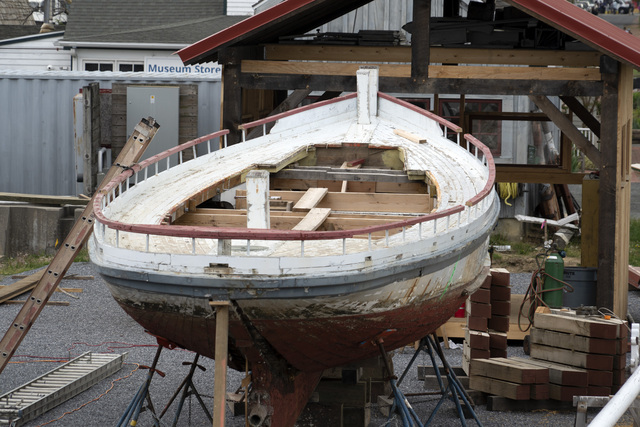
 Nobody wants to pour thousands into a wooden runabout and discover halfway through that the keel was soft from the start. That fear keeps more Carson City boat owners stuck than any other single concern, and it's the reason most of them have been sitting on the decision for months instead of picking up the phone. The good news is that the boat itself can answer the question, and it answers clearly if someone knows where and how to look.
The Wood In Your Hull May Be Worth More Than You Think
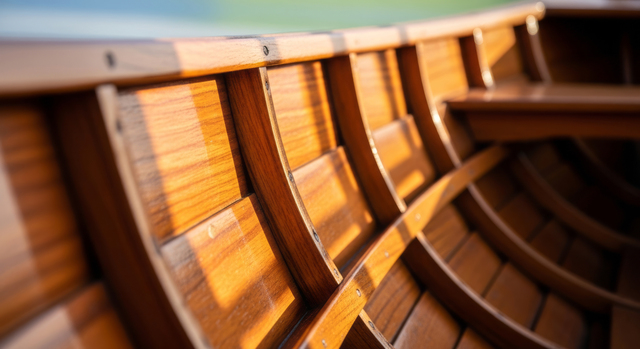
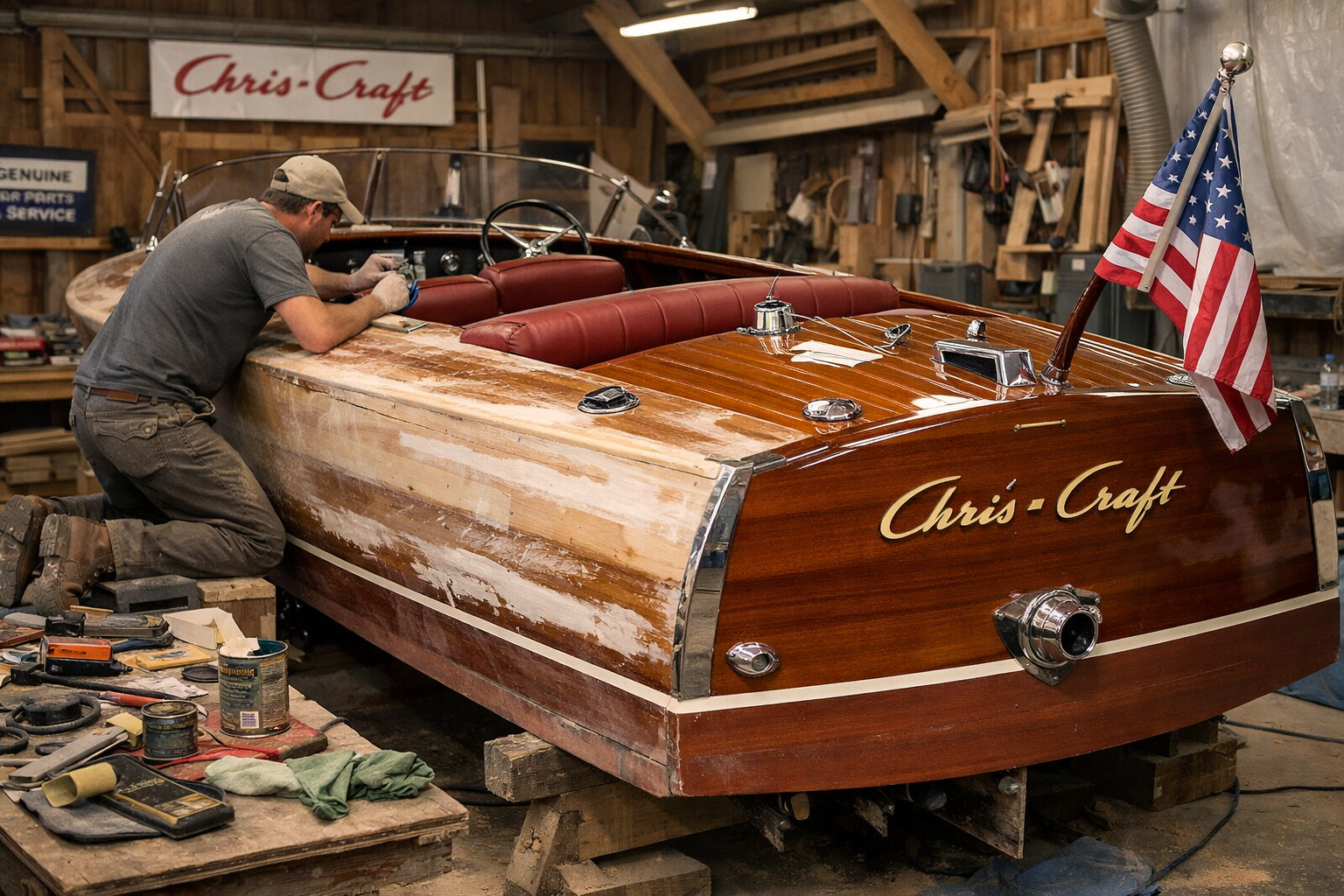
The old-growth mahogany and white oak that builders like Chris-Craft, Gar Wood, and Century used during the 1940s through 1960s came from timber stocks that no longer exist on the commercial market. That wood has a grain density, a natural rot resistance, and a structural character that nothing from a modern lumber supplier can match, period. Owners who assume their boat's planking and frames are "just old wood" are usually surprised to learn that the material inside their hull is irreplaceable, and that a new build using today's available lumber will never duplicate what a mid-century runabout already carries in its bones. Understanding this changes the math on restoration, because you're not spending money to fix up old material; you're investing in wood that can't be sourced again at any number.
How You Plan To Use The Boat Changes The Entire Scope
A runabout heading back on open water for regular summer use needs planking, fastenings, and bottom structure built to handle wave impact, engine vibration, and the constant stress of repeated wet-dry cycling season after season. A boat being preserved for occasional outings and lakeside display can accept a lighter structural standard in specific non-critical areas, which changes both the scope of the work and the extent of the disassembly involved. Most owners haven't thought about restoration in these terms, but the distinction matters enormously because it determines how deep the work goes and which components need full replacement versus careful repair. Tahoe Runabout Co., located in Lake Tahoe, CA, works with Carson City owners on both paths, and the conversation starts with understanding what the owner wants the boat to do after the work is finished.
What Owners Don't Expect To Hear During An Evaluation
The most common reaction we see during a hands-on evaluation is surprise, and it goes both ways. Owners who assumed the worst often find out that their keel and most of their original white oak frames are still firm when probed with an awl, which means the most labor-intensive and difficult-to-replace structural foundation is already intact. Owners who thought the boat just needed cosmetic freshening sometimes learn that fastenings have corroded below the surface, or that planking has separated from frames in areas hidden behind trim and hardware. Storage history is the biggest variable in how well the wood has survived; a runabout stored under cover in dry conditions will almost always have stronger structural timber than one left sitting in a damp boathouse or out in the weather for years. Either way, the evaluation replaces uncertainty with concrete information, which makes a sound decision possible.
The Boat Can Answer This, If You Let It
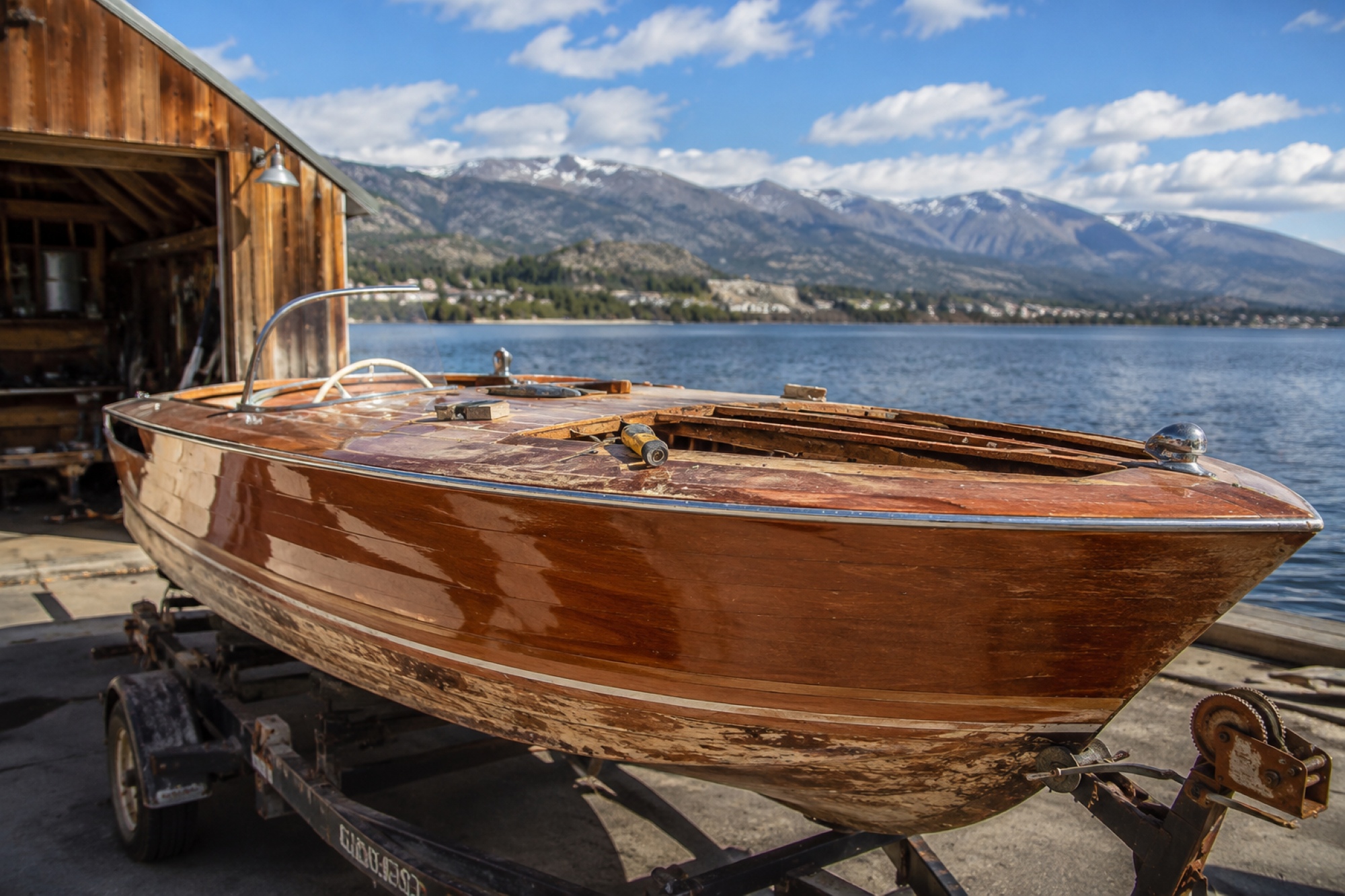
If you're in Carson City and the restoration question has been keeping you stuck, call Tahoe Runabout Co. at (775) 315-0309 and let us put an awl to the wood. We'll show you what your runabout has kept solid, where it needs help, and whether the boat under the old varnish is the one worth bringing back.
Nobody wants to pour thousands into a wooden runabout and discover halfway through that the keel was soft from the start. That fear keeps more Carson City boat owners stuck than any other single concern, and it's the reason most of them have been sitting on the decision for months instead of picking up the phone. The good news is that the boat itself can answer the question, and it answers clearly if someone knows where and how to look.
The Wood In Your Hull May Be Worth More Than You Think
The old-growth mahogany and white oak that builders like Chris-Craft, Gar Wood, and Century used during the 1940s through 1960s came from timber stocks that no longer exist on the commercial market. That wood has a grain density, a natural rot resistance, and a structural character that nothing from a modern lumber supplier can match, period. Owners who assume their boat's planking and frames are "just old wood" are usually surprised to learn that the material inside their hull is irreplaceable, and that a new build using today's available lumber will never duplicate what a mid-century runabout already carries in its bones. Understanding this changes the math on restoration, because you're not spending money to fix up old material; you're investing in wood that can't be sourced again at any number.
How You Plan To Use The Boat Changes The Entire Scope
A runabout heading back on open water for regular summer use needs planking, fastenings, and bottom structure built to handle wave impact, engine vibration, and the constant stress of repeated wet-dry cycling season after season. A boat being preserved for occasional outings and lakeside display can accept a lighter structural standard in specific non-critical areas, which changes both the scope of the work and the extent of the disassembly involved. Most owners haven't thought about restoration in these terms, but the distinction matters enormously because it determines how deep the work goes and which components need full replacement versus careful repair. Tahoe Runabout Co., located in Lake Tahoe, CA, works with Carson City owners on both paths, and the conversation starts with understanding what the owner wants the boat to do after the work is finished.
What Owners Don't Expect To Hear During An Evaluation
The most common reaction we see during a hands-on evaluation is surprise, and it goes both ways. Owners who assumed the worst often find out that their keel and most of their original white oak frames are still firm when probed with an awl, which means the most labor-intensive and difficult-to-replace structural foundation is already intact. Owners who thought the boat just needed cosmetic freshening sometimes learn that fastenings have corroded below the surface, or that planking has separated from frames in areas hidden behind trim and hardware. Storage history is the biggest variable in how well the wood has survived; a runabout stored under cover in dry conditions will almost always have stronger structural timber than one left sitting in a damp boathouse or out in the weather for years. Either way, the evaluation replaces uncertainty with concrete information, which makes a sound decision possible.
The Boat Can Answer This, If You Let It
If you're in Carson City and the restoration question has been keeping you stuck, call Tahoe Runabout Co. at (775) 315-0309 and let us put an awl to the wood. We'll show you what your runabout has kept solid, where it needs help, and whether the boat under the old varnish is the one worth bringing back.
Carson City, NV - Is Wooden Boat Restoration Worth It For Older Runabouts?
SYNOPSIS: Tahoe Runabout Co., located in Lake Tahoe, CA, helps Carson City runabout owners determine whether their older wooden boat is worth restoring by explaining how the wood reacts.
How to Know: Is Your Runabout Worth Restoring?
BY: Brian Richards, Tahoe Runabout Company
Nobody wants to pour thousands into a wooden runabout and discover halfway through that the keel was soft from the start. That fear keeps more Carson City boat owners stuck than any other single concern, and it's the reason most of them have been sitting on the decision for months instead of picking up the phone. The good news is that the boat itself can answer the question, and it answers clearly if someone knows where and how to look.
The Wood In Your Hull May Be Worth More Than You Think
The old-growth mahogany and white oak that builders like Chris-Craft, Gar Wood, and Century used during the 1940s through 1960s came from timber stocks that no longer exist on the commercial market. That wood has a grain density, a natural rot resistance, and a structural character that nothing from a modern lumber supplier can match, period. Owners who assume their boat's planking and frames are "just old wood" are usually surprised to learn that the material inside their hull is irreplaceable, and that a new build using today's available lumber will never duplicate what a mid-century runabout already carries in its bones. Understanding this changes the math on restoration, because you're not spending money to fix up old material; you're investing in wood that can't be sourced again at any number.
How You Plan To Use The Boat Changes The Entire Scope
A runabout heading back on open water for regular summer use needs planking, fastenings, and bottom structure built to handle wave impact, engine vibration, and the constant stress of repeated wet-dry cycling season after season. A boat being preserved for occasional outings and lakeside display can accept a lighter structural standard in specific non-critical areas, which changes both the scope of the work and the extent of the disassembly involved. Most owners haven't thought about restoration in these terms, but the distinction matters enormously because it determines how deep the work goes and which components need full replacement versus careful repair. Tahoe Runabout Co., located in Lake Tahoe, CA, works with Carson City owners on both paths, and the conversation starts with understanding what the owner wants the boat to do after the work is finished.
What Owners Don't Expect To Hear During An Evaluation
The most common reaction we see during a hands-on evaluation is surprise, and it goes both ways. Owners who assumed the worst often find out that their keel and most of their original white oak frames are still firm when probed with an awl, which means the most labor-intensive and difficult-to-replace structural foundation is already intact. Owners who thought the boat just needed cosmetic freshening sometimes learn that fastenings have corroded below the surface, or that planking has separated from frames in areas hidden behind trim and hardware. Storage history is the biggest variable in how well the wood has survived; a runabout stored under cover in dry conditions will almost always have stronger structural timber than one left sitting in a damp boathouse or out in the weather for years. Either way, the evaluation replaces uncertainty with concrete information, which makes a sound decision possible.
The Boat Can Answer This, If You Let It
If you're in Carson City and the restoration question has been keeping you stuck, call Tahoe Runabout Co. at (775) 315-0309 and let us put an awl to the wood. We'll show you what your runabout has kept solid, where it needs help, and whether the boat under the old varnish is the one worth bringing back.