 The first warning rarely shows up in a photograph; it usually shows up in your stomach during a run across Lake Tahoe, CA. You feel the hull hit a wake differently, or you notice the boat keeps shuddering long after it should have settled. We hear owners describe it as the moment a trusted boat suddenly feels unfamiliar, and that description matters more than they realize. When your boat stops feeling like itself, the structure has already started sending signals that deserve a closer look.
How Tahoe Conditions Push Wooden Hulls To Their Limits
Wooden boats on this lake live with sharp temperature swings, intense high altitude sunlight, and very clear, cold water that exposes every weakness. Those conditions make planks swell hard in spring, dry fast in summer, and shrink more than many owners expect between seasons. We watch for seams that open in long, even lines along the hull, because that pattern usually means the wood has been cycling past its comfort zone. A hull that keeps chasing those extremes for too many years often ends up needing major restoration instead of another quick repair.
Finish Patterns That Point To Deeper Trouble
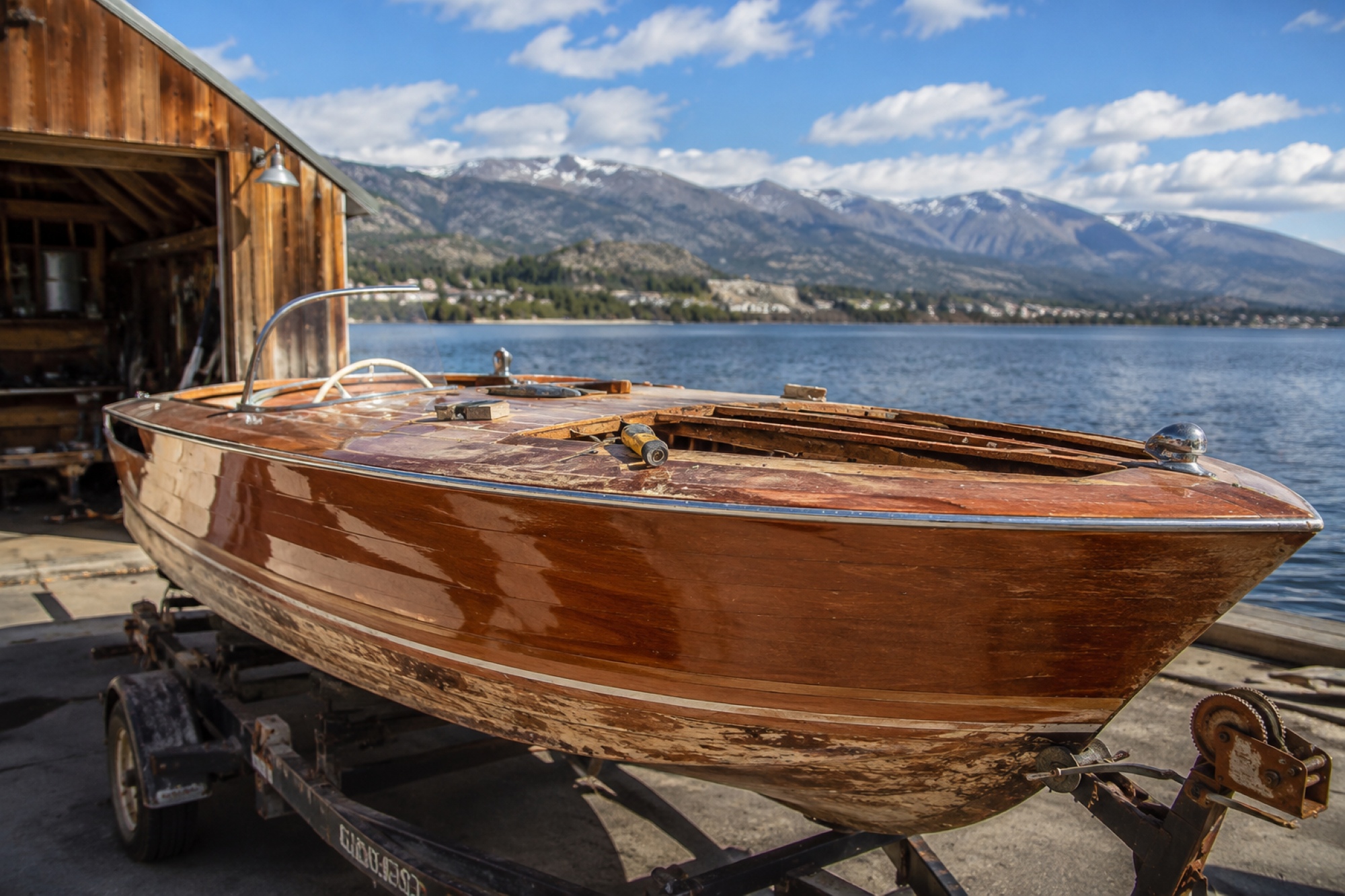
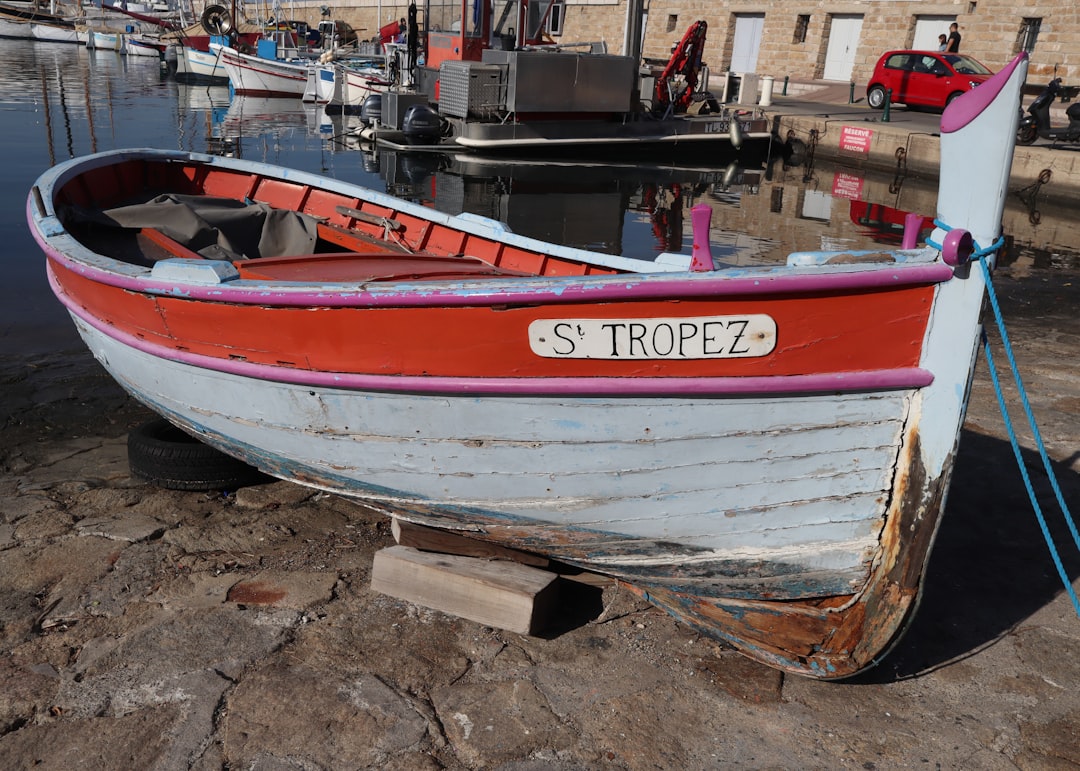
When varnish fails in the same spots every season, the boat is telling you where the stress lives. We pay attention to cloudy patches along frames, dull rings around fastenings, and strips near the waterline where the gloss never lasts, because those marks usually track moisture moving through the planks. Tahoe sunlight breaks down finish faster on sharp edges and raised grain, and we read that pattern like a weather map for the wood underneath. The taboo truth is that many beautiful boats with fresh varnish are already soft where it matters, so finish alone never tells the whole story.
Fastenings And Frames That Quietly Give The Game Away
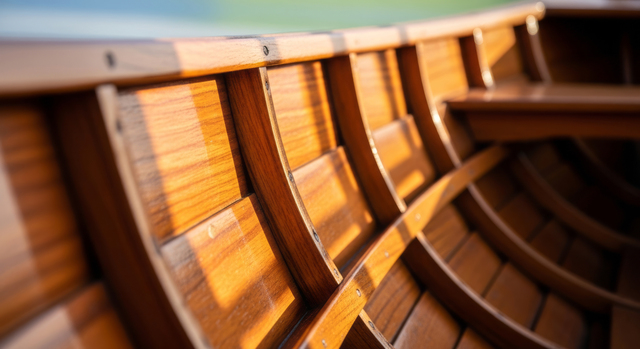
If we want to know whether a wooden boat is heading toward major restoration, we start by testing how the fastenings actually hold. We look for bronze screws that have turned black and crusted around the heads, for crushed fibers where hardware has been working loose, and for small gaps around frame landings where there used to be solid contact. Owners rarely see these details because they sit under seats, under trim, and under deck panels that are easy to ignore during routine cleaning. A tired hull is like a hinged door that has lost its frame; it still swings, but it no longer guides the motion safely.
Handling Changes You Should Never Ignore On The Lake
A boat that once tracked straight but now wanders at low speed is giving you useful data, and that data should never be dismissed as simple age. You might notice the bow hunting in small waves, the stern sitting lower than last season, or the boat leaning harder to one side when passengers shift. We connect those behaviors to specific structural areas, such as frames that have lost stiffness or bottoms that have started to relax between supports. Most owners never hear it said plainly, yet postponing real structural work usually means paying more later to chase the same damage across a wider area.
Why Catching These Signs Early Changes The Whole Project
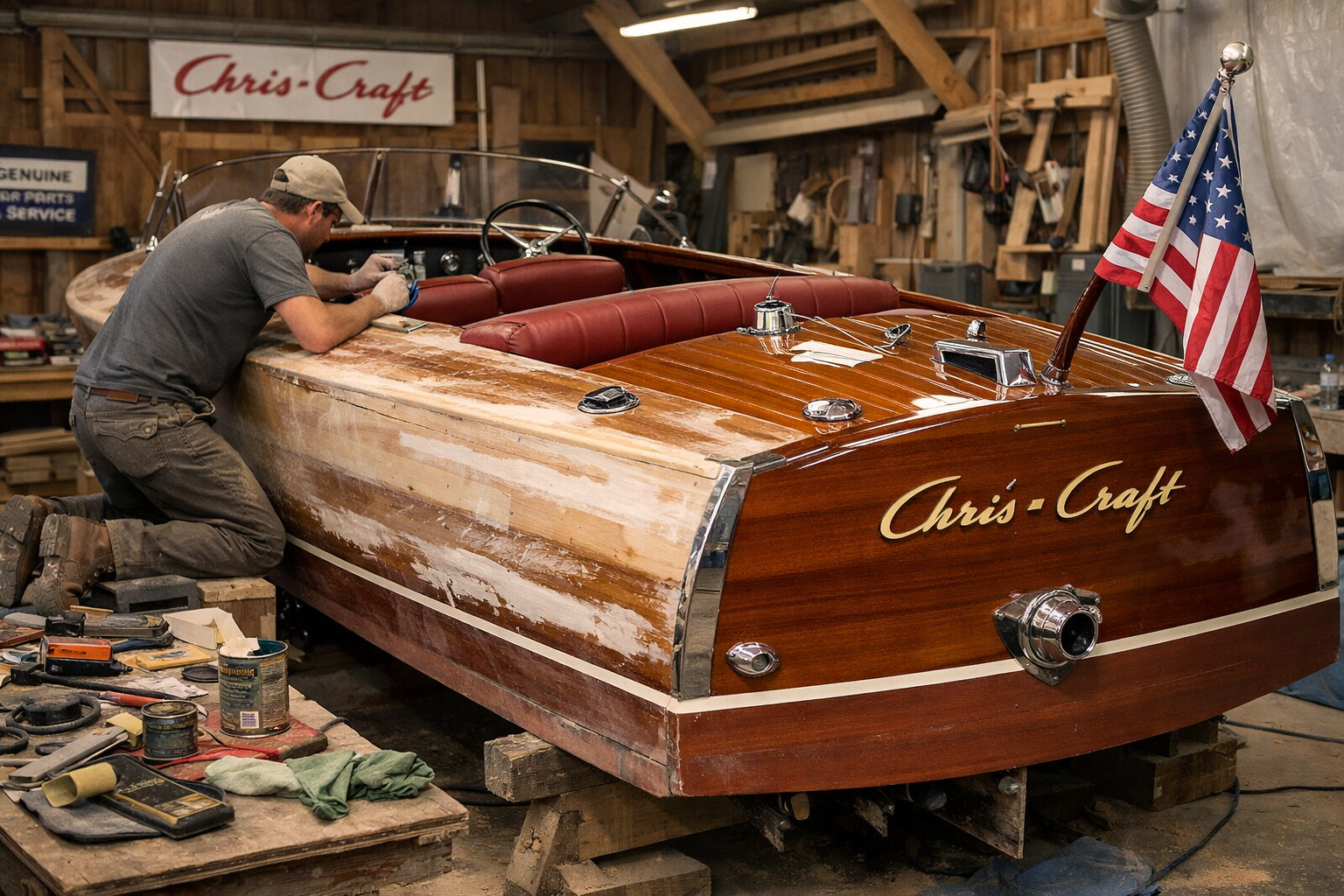
Major restoration does not appear overnight; it grows out of years of small signals that went unanswered. When we evaluate a wooden boat in Lake Tahoe, CA, we combine your on-water observations with what we see in the hull, the fastenings, and the finish patterns. That approach lets us separate boats that still need targeted repair from hulls that truly require deeper work across the bottom, sides, or decks. We listen carefully to the complaints owners hesitate to mention, because those small admissions usually hold the clearest path toward protecting the boat before something fails in a way everyone can see.
When You Want Calm, Straight Answers About Your Boat
If your wooden boat around Lake Tahoe, CA has started riding differently, sounding unfamiliar, or showing the same finish problems over and over, it is time to let us look closer. Call Tahoe Runabout Co. at (775) 315-0309 and we will walk through what you are feeling on the water, match it to what we see in the structure, and explain whether your boat is approaching major restoration or still within reach of more limited work. We listen to the wood so you can keep enjoying the lake with confidence.
The first warning rarely shows up in a photograph; it usually shows up in your stomach during a run across Lake Tahoe, CA. You feel the hull hit a wake differently, or you notice the boat keeps shuddering long after it should have settled. We hear owners describe it as the moment a trusted boat suddenly feels unfamiliar, and that description matters more than they realize. When your boat stops feeling like itself, the structure has already started sending signals that deserve a closer look.
How Tahoe Conditions Push Wooden Hulls To Their Limits
Wooden boats on this lake live with sharp temperature swings, intense high altitude sunlight, and very clear, cold water that exposes every weakness. Those conditions make planks swell hard in spring, dry fast in summer, and shrink more than many owners expect between seasons. We watch for seams that open in long, even lines along the hull, because that pattern usually means the wood has been cycling past its comfort zone. A hull that keeps chasing those extremes for too many years often ends up needing major restoration instead of another quick repair.
Finish Patterns That Point To Deeper Trouble
When varnish fails in the same spots every season, the boat is telling you where the stress lives. We pay attention to cloudy patches along frames, dull rings around fastenings, and strips near the waterline where the gloss never lasts, because those marks usually track moisture moving through the planks. Tahoe sunlight breaks down finish faster on sharp edges and raised grain, and we read that pattern like a weather map for the wood underneath. The taboo truth is that many beautiful boats with fresh varnish are already soft where it matters, so finish alone never tells the whole story.
Fastenings And Frames That Quietly Give The Game Away
If we want to know whether a wooden boat is heading toward major restoration, we start by testing how the fastenings actually hold. We look for bronze screws that have turned black and crusted around the heads, for crushed fibers where hardware has been working loose, and for small gaps around frame landings where there used to be solid contact. Owners rarely see these details because they sit under seats, under trim, and under deck panels that are easy to ignore during routine cleaning. A tired hull is like a hinged door that has lost its frame; it still swings, but it no longer guides the motion safely.
Handling Changes You Should Never Ignore On The Lake
A boat that once tracked straight but now wanders at low speed is giving you useful data, and that data should never be dismissed as simple age. You might notice the bow hunting in small waves, the stern sitting lower than last season, or the boat leaning harder to one side when passengers shift. We connect those behaviors to specific structural areas, such as frames that have lost stiffness or bottoms that have started to relax between supports. Most owners never hear it said plainly, yet postponing real structural work usually means paying more later to chase the same damage across a wider area.
Why Catching These Signs Early Changes The Whole Project
Major restoration does not appear overnight; it grows out of years of small signals that went unanswered. When we evaluate a wooden boat in Lake Tahoe, CA, we combine your on-water observations with what we see in the hull, the fastenings, and the finish patterns. That approach lets us separate boats that still need targeted repair from hulls that truly require deeper work across the bottom, sides, or decks. We listen carefully to the complaints owners hesitate to mention, because those small admissions usually hold the clearest path toward protecting the boat before something fails in a way everyone can see.
When You Want Calm, Straight Answers About Your Boat
If your wooden boat around Lake Tahoe, CA has started riding differently, sounding unfamiliar, or showing the same finish problems over and over, it is time to let us look closer. Call Tahoe Runabout Co. at (775) 315-0309 and we will walk through what you are feeling on the water, match it to what we see in the structure, and explain whether your boat is approaching major restoration or still within reach of more limited work. We listen to the wood so you can keep enjoying the lake with confidence.
Lake Tahoe, CA - How to Tell When Your Wooden Boat Needs Major Restoration
SYNOPSIS: Tahoe Runabout Co. shares clear, practical ways Lake Tahoe owners can spot real signs their wooden boat needs major restoration, based on the same checks used in our shop.
How To Know When Your Wooden Boat Needs Help
BY: Brian Richards, Tahoe Runabout Company
The first warning rarely shows up in a photograph; it usually shows up in your stomach during a run across Lake Tahoe, CA. You feel the hull hit a wake differently, or you notice the boat keeps shuddering long after it should have settled. We hear owners describe it as the moment a trusted boat suddenly feels unfamiliar, and that description matters more than they realize. When your boat stops feeling like itself, the structure has already started sending signals that deserve a closer look.
How Tahoe Conditions Push Wooden Hulls To Their Limits
Wooden boats on this lake live with sharp temperature swings, intense high altitude sunlight, and very clear, cold water that exposes every weakness. Those conditions make planks swell hard in spring, dry fast in summer, and shrink more than many owners expect between seasons. We watch for seams that open in long, even lines along the hull, because that pattern usually means the wood has been cycling past its comfort zone. A hull that keeps chasing those extremes for too many years often ends up needing major restoration instead of another quick repair.
Finish Patterns That Point To Deeper Trouble
When varnish fails in the same spots every season, the boat is telling you where the stress lives. We pay attention to cloudy patches along frames, dull rings around fastenings, and strips near the waterline where the gloss never lasts, because those marks usually track moisture moving through the planks. Tahoe sunlight breaks down finish faster on sharp edges and raised grain, and we read that pattern like a weather map for the wood underneath. The taboo truth is that many beautiful boats with fresh varnish are already soft where it matters, so finish alone never tells the whole story.
Fastenings And Frames That Quietly Give The Game Away
If we want to know whether a wooden boat is heading toward major restoration, we start by testing how the fastenings actually hold. We look for bronze screws that have turned black and crusted around the heads, for crushed fibers where hardware has been working loose, and for small gaps around frame landings where there used to be solid contact. Owners rarely see these details because they sit under seats, under trim, and under deck panels that are easy to ignore during routine cleaning. A tired hull is like a hinged door that has lost its frame; it still swings, but it no longer guides the motion safely.
Handling Changes You Should Never Ignore On The Lake
A boat that once tracked straight but now wanders at low speed is giving you useful data, and that data should never be dismissed as simple age. You might notice the bow hunting in small waves, the stern sitting lower than last season, or the boat leaning harder to one side when passengers shift. We connect those behaviors to specific structural areas, such as frames that have lost stiffness or bottoms that have started to relax between supports. Most owners never hear it said plainly, yet postponing real structural work usually means paying more later to chase the same damage across a wider area.
Why Catching These Signs Early Changes The Whole Project
Major restoration does not appear overnight; it grows out of years of small signals that went unanswered. When we evaluate a wooden boat in Lake Tahoe, CA, we combine your on-water observations with what we see in the hull, the fastenings, and the finish patterns. That approach lets us separate boats that still need targeted repair from hulls that truly require deeper work across the bottom, sides, or decks. We listen carefully to the complaints owners hesitate to mention, because those small admissions usually hold the clearest path toward protecting the boat before something fails in a way everyone can see.
When You Want Calm, Straight Answers About Your Boat
If your wooden boat around Lake Tahoe, CA has started riding differently, sounding unfamiliar, or showing the same finish problems over and over, it is time to let us look closer. Call Tahoe Runabout Co. at (775) 315-0309 and we will walk through what you are feeling on the water, match it to what we see in the structure, and explain whether your boat is approaching major restoration or still within reach of more limited work. We listen to the wood so you can keep enjoying the lake with confidence.