WAYS TO LOWER YOUR HOME HUMIDITY
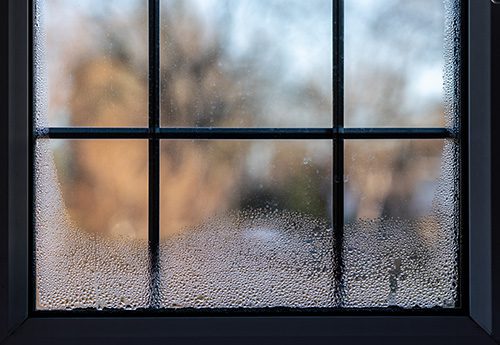
The amount of water vapor in the air does measure by humidity. When the air is humid, it contains a lot of water. Transferring your body heat to water is more complex than moving it to air. Humidity does not indeed raise the temperature inside or outside. Instead, it deceives the body. As humidity levels rise, you may sweat more and feel less comfortable, but you may also experience catastrophic health repercussions ranging from heat exhaustion to heatstroke. Worse, it could endanger the structure and surfaces of your home.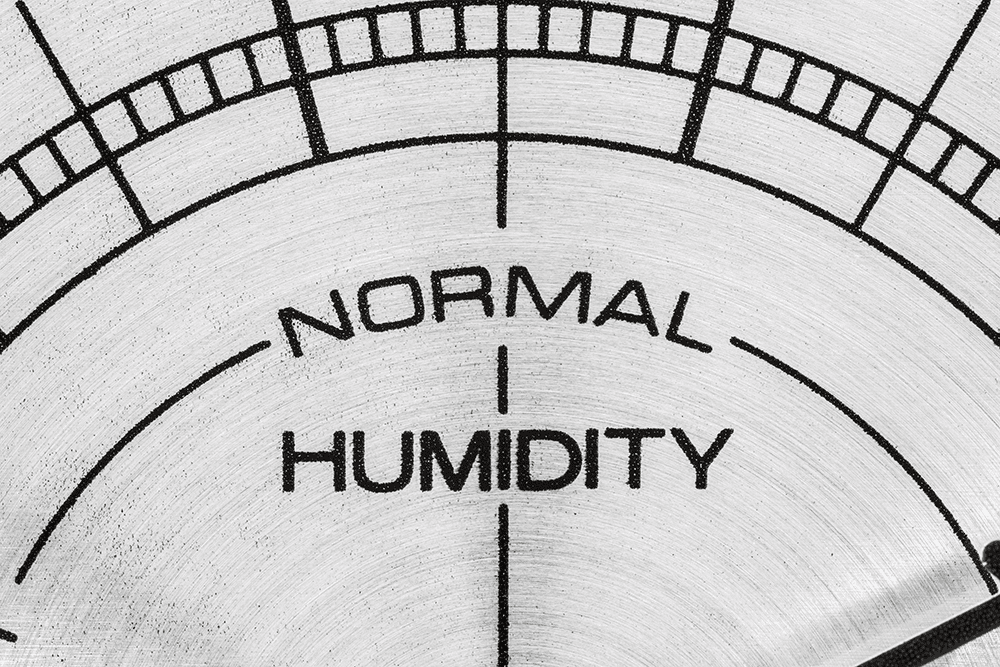
According to energy star, the ideal indoor humidity level, the U.S. Environmental Protection Agency’s voluntary program for energy efficiency, is between 30 and 50 percent. Indoor humidity levels that will appropriately manage provide many advantages. If you use the proper methods to keep your home in the suitable temperature range, you can:
- Control moisture that can damage your home’s wood, paint, and siding; Improve personal comfort
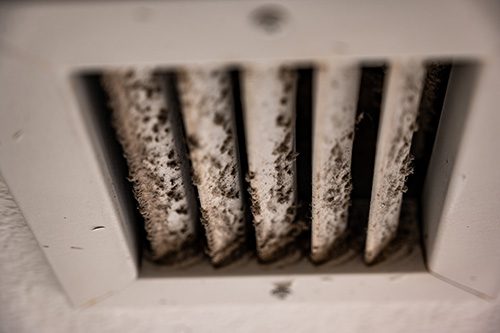
- should avoid mildew growth and odors in clothing and belonging.
- Reduce dust mites, mold, and other allergens in the home to improve indoor air quality;
- Reduce bug infestations and boost your air conditioner’s energy efficiency.
How to Reduce and Control Humidity
For humidity counteraction, Several Southern households run their air conditioners all year. However, for more effective continuous usage of your cooling system, Theo Etzel, CEO of Conditioned Air Corporation of Naples Inc. in Naples, Florida, gives the following suggestions:
- Set the fan to run on its own. Keeping the fan in the “on” position re-humidifies the area when the condenser cycles off by blowing air over a damp coil. When the condenser cycles off.
- A variable-speed air handler is a good investment.
- Installing a whole-house dehumidifier is a good idea.
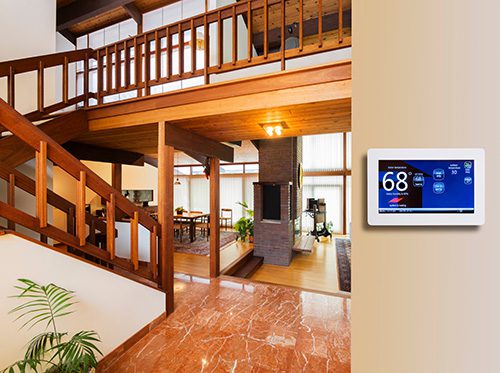
- The thermostat should not be automatically lower. According to Etzel, turning down the thermostat to reduce humidity indicates an excessive air conditioning system. On the other hand, smart thermostats can be used as part of a humidity strategy if you’re using the thermostat.
Methods for Reducing Excessive Humidity
According to Etzel, air conditioning systems, whether they’re conditioning fresh incoming air, recirculating inside air, or both, can only remove the moisture they’re designed to remove.
Here are some suggestions for preventing extra moisture and humidity from entering the house:
- Install kitchen and bathroom exhaust fans.
- Turn on the dehumidifier.
- Install a plastic vapor barrier over dirt floors in crawl areas.
- Should repair air and duct leaks.
- Boston ferns are an excellent choice for absorbing moisture from the air.
- Maintain a clean and unobstructed air conditioner drip pan and drain line.
- Stay away from activities that contribute moisture to the air on humid days, including taking hot showers or boiling water on the stove.
- Avoid activities that contribute moisture to the air on humid days, such as hot showers and boiling the stove.
- Take measurements from the outside. Energy star recommends cleaning gutters and downspouts, extending downspouts further away from home, watering plants only when necessary, and sloping soil away from foundations to avoid water pooling.
Absolute Air offers a wide array of services, including, but not limited to, AC installation, AC repair, heating installation, heating repair, metal fabrication (for all types of ductwork), refrigeration, and gas line installation. Our trained team of technicians can also service and work on equipment brands such as American Standard, Train, Carrier, York, Goodman, Rudd, and Mitsubishi, to name a few.
If you have a service request not mentioned here, give us a call.