Free Consultation | How to adjust your portfolio during covid-19 recession.
 THE OFFER -
 We will provide a second opinion on your portfolio using our software to examine your portfolio's industry risk, and asset (US stocks, international, etc.), stock concentration issues and investment fund expenses. This will include back-ward testing your portfolio to measure the risk during the current covid recession and prior ones.
COVID-19 RECESSION
The S&P 500 entered a bear market on March 12, as worries about the impact of the COVID-19 pandemic, government-ordered shutdowns of businesses, prompted investors to sell stocks and bonds and seek shelter more conservative areas like cash and money market accounts. The S&P 500 is a stock market index that measures the stock performance of 500 largest companies listed on stock exchanges in the United States. The 2020 stock market crash occurred as a result of the COVID-19 pandemic, which is the most impactful pandemic since the flu pandemic of 1918. A bear market, which is commonly referred to as a 20 percent drop from a market, index, is typically marked by pessimism by many investors.
WHAT DO WE KNOW ABOUT BEAR MARKETS?
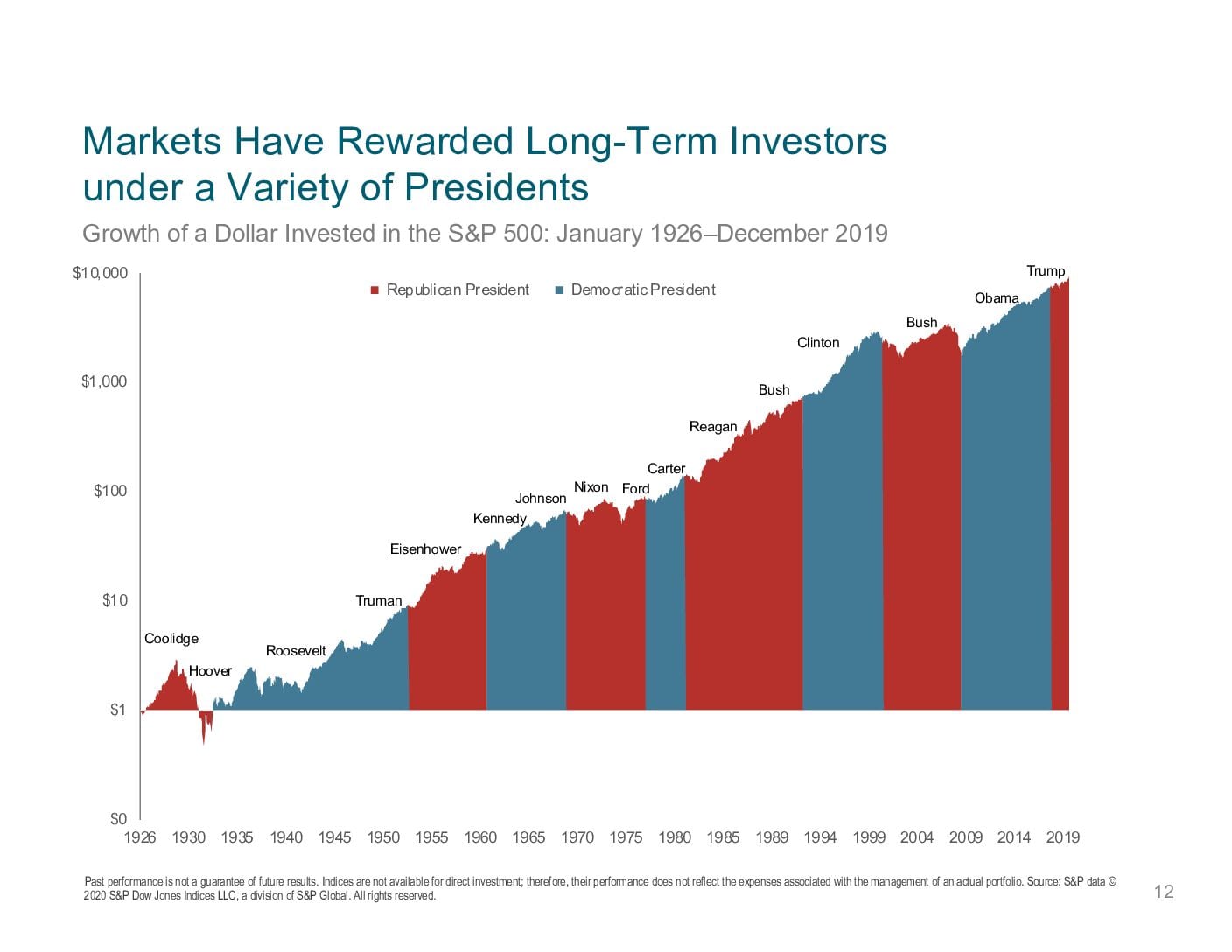
Bear markets are not unprecedented. There have been 15 prior bear markets since 1926 and the stock market eventually returned to a new high. The length of prior bear markets has ranged from a few months to years. The length is measured from the prior peak to the trough, or lowest point. By this measure, the March, 2020 bear market was one of the shortest periods as it just took a little over two months from the market high in January to the market low in March, 2020. What can be possibly good about bear markets?
- You may finally learn your risk tolerance (how much you can stand the variability in your investment portfolio).
- Although not intuitive, bear markets have historically been a good time to invest.
The risk tolerance of your portfolio is how much variability you can stand in your investment portfolio and sleep at night. Financial advisers may typically measure this by the percent of equities (stocks or stock funds) and bonds (bonds or bond funds ) you have. A portfolio with 60% equities and 40% bonds is considered "moderate aggressive" whereas 25% equities and 75% bonds is considered "conservative". Historically, portfolios with more stocks (more aggressive) have done better over long periods pf time. However, if you cannot sleep at night because of the variability of your investments, perhaps you are better off with a more conservative portfolio.
Although not intuitive, bear markets have historically been a good time to invest. Average returns after bear markets have been much higher, because there is no place to go except up! Amazingly, returns on average have gone up a compounded 14.21%, 11.58% and 11.76% in the subsequent 1, 3 and 5 years following bear markets according to a recent study by Eugene Fama and Kenneth French (. For these reasons, we recommend that you re-balance your portfolio to your investment target during a bear market to take advantage of any upturn. This usually means buying more equities if you are below your equity target. Emotionally, this is the last thing you want to do because you are afraid the stock market will keep going down. A lot of high net-worth investors use investment professionals so that there is discipline in the management of their portfolio. Past performance are no guarantee of future results.
The risk tolerance of your portfolio is how much variability you can stand in your investment portfolio and sleep at night. Financial advisers may typically measure this by the percent of equities (stocks or stock funds) and bonds (bonds or bond funds ) you have. A portfolio with 60% equities and 40% bonds is considered "moderate aggressive" whereas 25% equities and 75% bonds is considered "conservative". Historically, portfolios with more stocks (more aggressive) have done better over long periods pf time. However, if you cannot sleep at night because of the variability of your investments, perhaps you are better off with a more conservative portfolio.