Board and care homes, or residential care facilities, are small, state-licensed homes for seniors typically situated in residential neighborhoods. Most board and care homes accommodate a minimum of six tenants at a time. All of the bedrooms in some are private, and others have a combination of shared and private bedrooms depending on layout and availability.
These homes are licensed through the state and meet specific care and safety standards. While they look like ordinary houses from the outside, they’re fully equipped to provide 24/7 care inside.
All-Inclusive Care with No Hidden Fees
One of the things that distinguishes residential care homes is their inclusive pricing. Larger assisted living facilities often quote a base rent and then a separate fee for their care services. In residential homes, however, everything is packaged into a single price for each month.
The price mentioned includes the following:
That means the quoted rate includes the following:
- Room and board
- Personal care (bathing, dressing, toileting, medication management)
- Housekeeping and laundry
- All meals and snacks
- 24/7 caregiver availability
Who Benefits Most from This Type of Care?
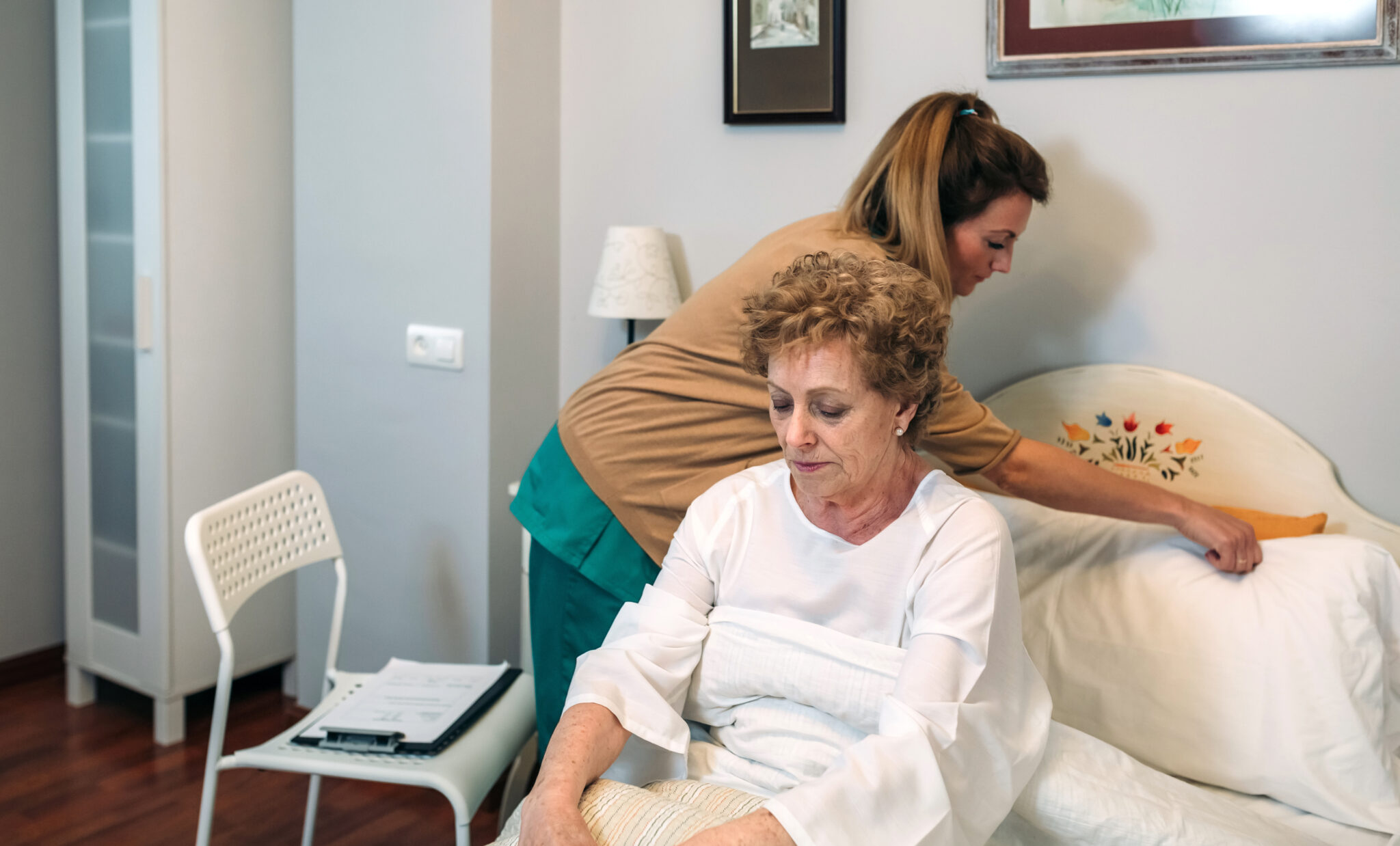
This type of home is most appropriate for older adults who require a great amount of personal supervision and care. This encompasses:
- Those with advanced dementia or memory loss
- Seniors who are at risk of falling or have limited mobility
- Individuals in hospice who require comfort-focused care
- Residents who are bedridden or need help with every aspect of daily life

FULL TRANSCRIPT:
Hi, everyone, this is Mike Awadalla. I am a senior placement advisor. I help people find Senior Living options. Today, we’re going to talk about Residential Care Facilities. They are also well-known as Board and Care homes. These are the smallest size care facilities. Those that are usually in Contra Costa and Alameda County usually license just six seniors. At some, you’ll have six private rooms, six private bedrooms or sometimes you’ll have some private rooms and some shared rooms. Now, Residential Care Facilities is an all-inclusive system. That means when the facility gives a cost to the room that includes all the care provided it’s all included there is no separation between rent and care. They usually also do not charge a community fee. Large assisted living communities do charge a community fee, which is an entry fee, and it can range anywhere from 3 to $10,000 a month. Now, resident care facilities are best for someone who needs one-on-one Personal Care. Someone who needs eyes on all the time. Someone who is falling when they walk, someone who is maybe bedridden, someone who is on hospice, or someone with very Advanced dementia who needs somebody who knows they need caregivers to give them attention all the time. So Residential Care Homes, again, they’re smaller. They look like a regular house it’s a licensed facility. There are two caregivers in the home 24/7. They provide all meals and housekeeping laundry. What makes them different from assisted living and independent living is that the activities and the socializing will be very minimal because some of the residents will be bedridden or in hospice or have major mobility issues. So they are not available to participate or socialize. Anyway, thank you very much.