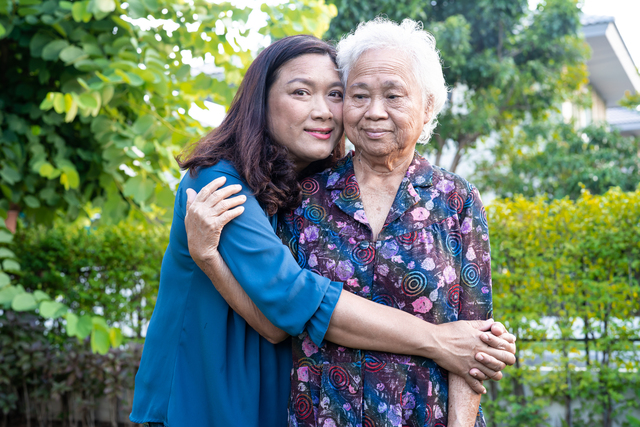
 Your mom was fine at lunch. She ate half a sandwich, asked about the dog, and laughed at something on television. By 5 p.m., she's pacing the hallway, asking to go home while she's standing in her own kitchen. That shift has a name, sundowning, and it's one of the most common patterns in dementia care. A caregiver who's trained for this recognizes the change before it escalates and redirects through familiar music, a calm activity, or a simple change of scenery within the house. A caregiver who isn't trained for it panics, argues, or calls you at work because they don't know what else to do. That gap is where the wrong hire costs families in Walnut Creek weeks of setbacks and stress.
The Mistake Most Families Make on the First Hire
Most families choose a dementia caregiver the same way they'd choose any home care aide: whoever's available soonest, with decent references and a workable schedule. That approach fills a shift, but it doesn't account for the specific demands cognitive decline places on a caregiver's skills and patience. Dementia care requires someone who can sit through two straight hours of the same repeated question without showing frustration. It requires someone who understands that a parent's refusal to eat at dinner isn't stubbornness; it's a symptom that shifts with the time of day and stage of decline. Families who hire for availability instead of dementia-specific skills often restart the search within a month.
What Separates Supervised Training from a Certificate
A training certificate tells you a caregiver finished a curriculum, and that baseline matters. The question families should ask next is whether that person logged supervised hours with patients in middle-stage or late-stage Alzheimer's. A caregiver who spent time with someone who cycles through agitation every evening carries a different composure than one who studied the concept in a classroom. Hands-on experience with mealtime refusal, verbal repetition, and the gradual loss of communication builds a steadiness that coursework alone can't fully replicate. When you're interviewing agencies, ask them to describe their caregivers' clinical hours specifically, because the ones with strong programs will answer that question without hesitating.
Why Your Parent Needs the Same Face Every Morning
Caregiver consistency sounds like a scheduling preference until you've watched what happens when a stranger walks into the home of someone with dementia. A person with cognitive decline builds comfort through repetition: the same voice at the door, the same sequence of morning tasks, the same calm presence during meals. A new face disrupts that rhythm, and the agitation that follows can take days to settle. Agencies that understand dementia care assign one primary caregiver and cross-train a backup who visits often enough that your parent recognizes them before a full shift is ever needed.
The Questions That Reveal an Agency's Real Dementia Expertise
Before you sign a care agreement, ask the agency how they match caregivers to dementia patients at each stage of decline. Ask what their caregiver turnover rate looks like over the past year, because high turnover means your parent will keep meeting new people. Ask how they handle a sudden callout on a dementia patient's shift and whether their backup has met your parent before. Agencies with strong dementia programs answer these questions with specifics drawn from their daily operations, not rehearsed generalities.
Your Parents' Next Caregiver Should Be the Right One
The families who find the best dementia caregivers are the ones who knew which questions to ask before they signed anything. We work with Walnut Creek families every week at CarePatrol of Walnut Creek, matching them with caregivers whose hands-on training and temperament fit the specific stage of their parents' cognitive decline. If you're searching for a dementia caregiver and you want someone who's done this before, call us at (925) 979-8656 and we'll help you find the right person, not just the available one.
Your mom was fine at lunch. She ate half a sandwich, asked about the dog, and laughed at something on television. By 5 p.m., she's pacing the hallway, asking to go home while she's standing in her own kitchen. That shift has a name, sundowning, and it's one of the most common patterns in dementia care. A caregiver who's trained for this recognizes the change before it escalates and redirects through familiar music, a calm activity, or a simple change of scenery within the house. A caregiver who isn't trained for it panics, argues, or calls you at work because they don't know what else to do. That gap is where the wrong hire costs families in Walnut Creek weeks of setbacks and stress.
The Mistake Most Families Make on the First Hire
Most families choose a dementia caregiver the same way they'd choose any home care aide: whoever's available soonest, with decent references and a workable schedule. That approach fills a shift, but it doesn't account for the specific demands cognitive decline places on a caregiver's skills and patience. Dementia care requires someone who can sit through two straight hours of the same repeated question without showing frustration. It requires someone who understands that a parent's refusal to eat at dinner isn't stubbornness; it's a symptom that shifts with the time of day and stage of decline. Families who hire for availability instead of dementia-specific skills often restart the search within a month.
What Separates Supervised Training from a Certificate
A training certificate tells you a caregiver finished a curriculum, and that baseline matters. The question families should ask next is whether that person logged supervised hours with patients in middle-stage or late-stage Alzheimer's. A caregiver who spent time with someone who cycles through agitation every evening carries a different composure than one who studied the concept in a classroom. Hands-on experience with mealtime refusal, verbal repetition, and the gradual loss of communication builds a steadiness that coursework alone can't fully replicate. When you're interviewing agencies, ask them to describe their caregivers' clinical hours specifically, because the ones with strong programs will answer that question without hesitating.
Why Your Parent Needs the Same Face Every Morning
Caregiver consistency sounds like a scheduling preference until you've watched what happens when a stranger walks into the home of someone with dementia. A person with cognitive decline builds comfort through repetition: the same voice at the door, the same sequence of morning tasks, the same calm presence during meals. A new face disrupts that rhythm, and the agitation that follows can take days to settle. Agencies that understand dementia care assign one primary caregiver and cross-train a backup who visits often enough that your parent recognizes them before a full shift is ever needed.
The Questions That Reveal an Agency's Real Dementia Expertise
Before you sign a care agreement, ask the agency how they match caregivers to dementia patients at each stage of decline. Ask what their caregiver turnover rate looks like over the past year, because high turnover means your parent will keep meeting new people. Ask how they handle a sudden callout on a dementia patient's shift and whether their backup has met your parent before. Agencies with strong dementia programs answer these questions with specifics drawn from their daily operations, not rehearsed generalities.
Your Parents' Next Caregiver Should Be the Right One
The families who find the best dementia caregivers are the ones who knew which questions to ask before they signed anything. We work with Walnut Creek families every week at CarePatrol of Walnut Creek, matching them with caregivers whose hands-on training and temperament fit the specific stage of their parents' cognitive decline. If you're searching for a dementia caregiver and you want someone who's done this before, call us at (925) 979-8656 and we'll help you find the right person, not just the available one.
Walnut Creek, CA - How Do I Choose Right In-Home Caregiver for Dementia Care?
SYNOPSIS: CarePatrol of Walnut Creek helps families in Walnut Creek, CA find in-home dementia caregivers whose hands-on training and temperament match the daily demands of cognitive care.
Finding the Right Walnut Creek Dementia Caregiver
BY: ,
Your mom was fine at lunch. She ate half a sandwich, asked about the dog, and laughed at something on television. By 5 p.m., she's pacing the hallway, asking to go home while she's standing in her own kitchen. That shift has a name, sundowning, and it's one of the most common patterns in dementia care. A caregiver who's trained for this recognizes the change before it escalates and redirects through familiar music, a calm activity, or a simple change of scenery within the house. A caregiver who isn't trained for it panics, argues, or calls you at work because they don't know what else to do. That gap is where the wrong hire costs families in Walnut Creek weeks of setbacks and stress.
The Mistake Most Families Make on the First Hire
Most families choose a dementia caregiver the same way they'd choose any home care aide: whoever's available soonest, with decent references and a workable schedule. That approach fills a shift, but it doesn't account for the specific demands cognitive decline places on a caregiver's skills and patience. Dementia care requires someone who can sit through two straight hours of the same repeated question without showing frustration. It requires someone who understands that a parent's refusal to eat at dinner isn't stubbornness; it's a symptom that shifts with the time of day and stage of decline. Families who hire for availability instead of dementia-specific skills often restart the search within a month.
What Separates Supervised Training from a Certificate
A training certificate tells you a caregiver finished a curriculum, and that baseline matters. The question families should ask next is whether that person logged supervised hours with patients in middle-stage or late-stage Alzheimer's. A caregiver who spent time with someone who cycles through agitation every evening carries a different composure than one who studied the concept in a classroom. Hands-on experience with mealtime refusal, verbal repetition, and the gradual loss of communication builds a steadiness that coursework alone can't fully replicate. When you're interviewing agencies, ask them to describe their caregivers' clinical hours specifically, because the ones with strong programs will answer that question without hesitating.
Why Your Parent Needs the Same Face Every Morning
Caregiver consistency sounds like a scheduling preference until you've watched what happens when a stranger walks into the home of someone with dementia. A person with cognitive decline builds comfort through repetition: the same voice at the door, the same sequence of morning tasks, the same calm presence during meals. A new face disrupts that rhythm, and the agitation that follows can take days to settle. Agencies that understand dementia care assign one primary caregiver and cross-train a backup who visits often enough that your parent recognizes them before a full shift is ever needed.
The Questions That Reveal an Agency's Real Dementia Expertise
Before you sign a care agreement, ask the agency how they match caregivers to dementia patients at each stage of decline. Ask what their caregiver turnover rate looks like over the past year, because high turnover means your parent will keep meeting new people. Ask how they handle a sudden callout on a dementia patient's shift and whether their backup has met your parent before. Agencies with strong dementia programs answer these questions with specifics drawn from their daily operations, not rehearsed generalities.
Your Parents' Next Caregiver Should Be the Right One
The families who find the best dementia caregivers are the ones who knew which questions to ask before they signed anything. We work with Walnut Creek families every week at CarePatrol of Walnut Creek, matching them with caregivers whose hands-on training and temperament fit the specific stage of their parents' cognitive decline. If you're searching for a dementia caregiver and you want someone who's done this before, call us at (925) 979-8656 and we'll help you find the right person, not just the available one.