 The most dangerous room in your parents' house probably isn't the one with the grab bars. Families in Pleasant Hill install safety equipment in bathrooms because that's where falls come to mind first, but bedrooms, living rooms, and the stretch of hallway between the bed and the toilet at 5 a.m. account for the majority of serious fall injuries among seniors. A grab bar helps in one room. A home caregiver trained in mobility support is present in every room, every transition, and every moment where balance fails without warning. CarePatrol of Walnut Creek works with Pleasant Hill families to find caregivers whose training matches the specific physical risks inside your parent's home.
What a Trained Caregiver Sees Before Your Parent Stands Up
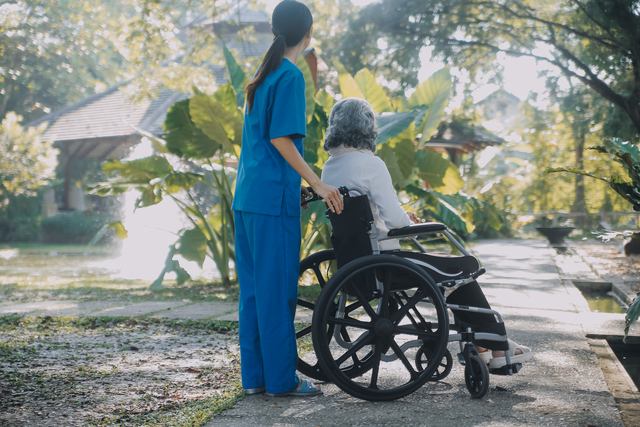
A mobility-trained caregiver pays attention to details that most people would never think to watch. Before your parent rises from a chair, the caregiver notices how their hands grip the armrest, whether their weight shifts forward enough to stand safely, and how long they pause before taking a first step. Grip strength on a given morning tells a trained aide whether today is a day for supervised walking or a day to slow everything down and stay close. That kind of observation can't be installed on a wall or ordered from a medical supply catalog, and it's the reason a caregiver's presence reduces fall risk in ways that equipment alone can't match.
How Conditions Like Parkinson's Change the Schedule
Families dealing with arthritis or post-surgical recovery expect balance to improve gradually over weeks and months. Parkinson's works differently. A parent with Parkinson's can have strong motor function for three hours after their medication takes effect and then experience stiffness, shuffling, or freezing episodes as the dose wears off. Caregivers who understand this cycle learn to schedule physical activity, showers, and transfers during those "on" periods when movement is safest. They also learn which moments call for patience and a steady hand nearby rather than encouragement to keep moving. This kind of condition-specific timing separates a caregiver who prevents falls from one who simply responds after they happen.
The Blind Spot in Every Home Safety Assessment
A professional home safety evaluation catches loose rugs, poor lighting, missing handrails, and cluttered pathways. What it can't catch is behavior. Your parent may skip the walker at 6 a.m. because they're rushing to the bathroom. They may grip the kitchen counter instead of using the rolling walker because it's faster. They may insist on carrying a coffee cup across the living room when their balance can't support the extra weight shift. These patterns only surface when someone is physically present in the home during the hours when they happen. A caregiver who's there at the right time sees what a one-time assessment was never designed to find.
Matching the Caregiver to the Condition
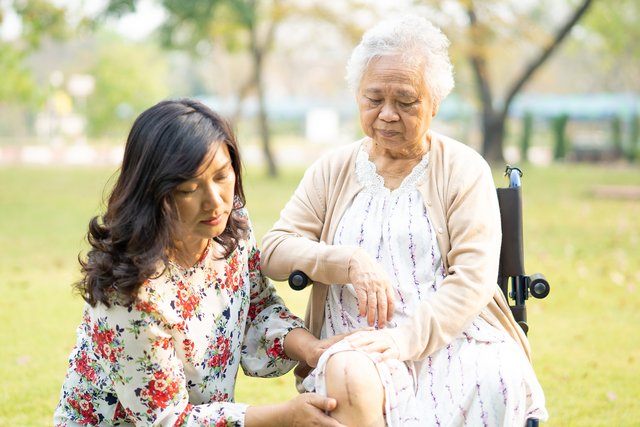
Fall prevention isn't a single skill set, and the caregiver who's right for a post-surgical knee recovery may not be the right match for a parent with advancing Parkinson's. We help Pleasant Hill families at CarePatrol of Walnut Creek identify which mobility challenges their parent faces right now and find caregivers whose specific training and daily experience match those challenges. Don't wait for the fall that forces a bigger decision; call (925) 979-8656 and let's get the right caregiver in place while your parent is still safe at home.
The most dangerous room in your parents' house probably isn't the one with the grab bars. Families in Pleasant Hill install safety equipment in bathrooms because that's where falls come to mind first, but bedrooms, living rooms, and the stretch of hallway between the bed and the toilet at 5 a.m. account for the majority of serious fall injuries among seniors. A grab bar helps in one room. A home caregiver trained in mobility support is present in every room, every transition, and every moment where balance fails without warning. CarePatrol of Walnut Creek works with Pleasant Hill families to find caregivers whose training matches the specific physical risks inside your parent's home.
What a Trained Caregiver Sees Before Your Parent Stands Up
A mobility-trained caregiver pays attention to details that most people would never think to watch. Before your parent rises from a chair, the caregiver notices how their hands grip the armrest, whether their weight shifts forward enough to stand safely, and how long they pause before taking a first step. Grip strength on a given morning tells a trained aide whether today is a day for supervised walking or a day to slow everything down and stay close. That kind of observation can't be installed on a wall or ordered from a medical supply catalog, and it's the reason a caregiver's presence reduces fall risk in ways that equipment alone can't match.
How Conditions Like Parkinson's Change the Schedule
Families dealing with arthritis or post-surgical recovery expect balance to improve gradually over weeks and months. Parkinson's works differently. A parent with Parkinson's can have strong motor function for three hours after their medication takes effect and then experience stiffness, shuffling, or freezing episodes as the dose wears off. Caregivers who understand this cycle learn to schedule physical activity, showers, and transfers during those "on" periods when movement is safest. They also learn which moments call for patience and a steady hand nearby rather than encouragement to keep moving. This kind of condition-specific timing separates a caregiver who prevents falls from one who simply responds after they happen.
The Blind Spot in Every Home Safety Assessment
A professional home safety evaluation catches loose rugs, poor lighting, missing handrails, and cluttered pathways. What it can't catch is behavior. Your parent may skip the walker at 6 a.m. because they're rushing to the bathroom. They may grip the kitchen counter instead of using the rolling walker because it's faster. They may insist on carrying a coffee cup across the living room when their balance can't support the extra weight shift. These patterns only surface when someone is physically present in the home during the hours when they happen. A caregiver who's there at the right time sees what a one-time assessment was never designed to find.
Matching the Caregiver to the Condition
Fall prevention isn't a single skill set, and the caregiver who's right for a post-surgical knee recovery may not be the right match for a parent with advancing Parkinson's. We help Pleasant Hill families at CarePatrol of Walnut Creek identify which mobility challenges their parent faces right now and find caregivers whose specific training and daily experience match those challenges. Don't wait for the fall that forces a bigger decision; call (925) 979-8656 and let's get the right caregiver in place while your parent is still safe at home.
Pleasant Hill, CA - How Can Home Caregivers Help Seniors with Mobility Issues?
SYNOPSIS: CarePatrol of Walnut Creek helps Pleasant Hill, CA families find home caregivers trained in mobility support, fall prevention, and the daily physical assistance that keeps seniors safe.
Home Caregivers and Senior Fall Prevention
BY: ,
The most dangerous room in your parents' house probably isn't the one with the grab bars. Families in Pleasant Hill install safety equipment in bathrooms because that's where falls come to mind first, but bedrooms, living rooms, and the stretch of hallway between the bed and the toilet at 5 a.m. account for the majority of serious fall injuries among seniors. A grab bar helps in one room. A home caregiver trained in mobility support is present in every room, every transition, and every moment where balance fails without warning. CarePatrol of Walnut Creek works with Pleasant Hill families to find caregivers whose training matches the specific physical risks inside your parent's home.
What a Trained Caregiver Sees Before Your Parent Stands Up
A mobility-trained caregiver pays attention to details that most people would never think to watch. Before your parent rises from a chair, the caregiver notices how their hands grip the armrest, whether their weight shifts forward enough to stand safely, and how long they pause before taking a first step. Grip strength on a given morning tells a trained aide whether today is a day for supervised walking or a day to slow everything down and stay close. That kind of observation can't be installed on a wall or ordered from a medical supply catalog, and it's the reason a caregiver's presence reduces fall risk in ways that equipment alone can't match.
How Conditions Like Parkinson's Change the Schedule
Families dealing with arthritis or post-surgical recovery expect balance to improve gradually over weeks and months. Parkinson's works differently. A parent with Parkinson's can have strong motor function for three hours after their medication takes effect and then experience stiffness, shuffling, or freezing episodes as the dose wears off. Caregivers who understand this cycle learn to schedule physical activity, showers, and transfers during those "on" periods when movement is safest. They also learn which moments call for patience and a steady hand nearby rather than encouragement to keep moving. This kind of condition-specific timing separates a caregiver who prevents falls from one who simply responds after they happen.
The Blind Spot in Every Home Safety Assessment
A professional home safety evaluation catches loose rugs, poor lighting, missing handrails, and cluttered pathways. What it can't catch is behavior. Your parent may skip the walker at 6 a.m. because they're rushing to the bathroom. They may grip the kitchen counter instead of using the rolling walker because it's faster. They may insist on carrying a coffee cup across the living room when their balance can't support the extra weight shift. These patterns only surface when someone is physically present in the home during the hours when they happen. A caregiver who's there at the right time sees what a one-time assessment was never designed to find.
Matching the Caregiver to the Condition
Fall prevention isn't a single skill set, and the caregiver who's right for a post-surgical knee recovery may not be the right match for a parent with advancing Parkinson's. We help Pleasant Hill families at CarePatrol of Walnut Creek identify which mobility challenges their parent faces right now and find caregivers whose specific training and daily experience match those challenges. Don't wait for the fall that forces a bigger decision; call (925) 979-8656 and let's get the right caregiver in place while your parent is still safe at home.