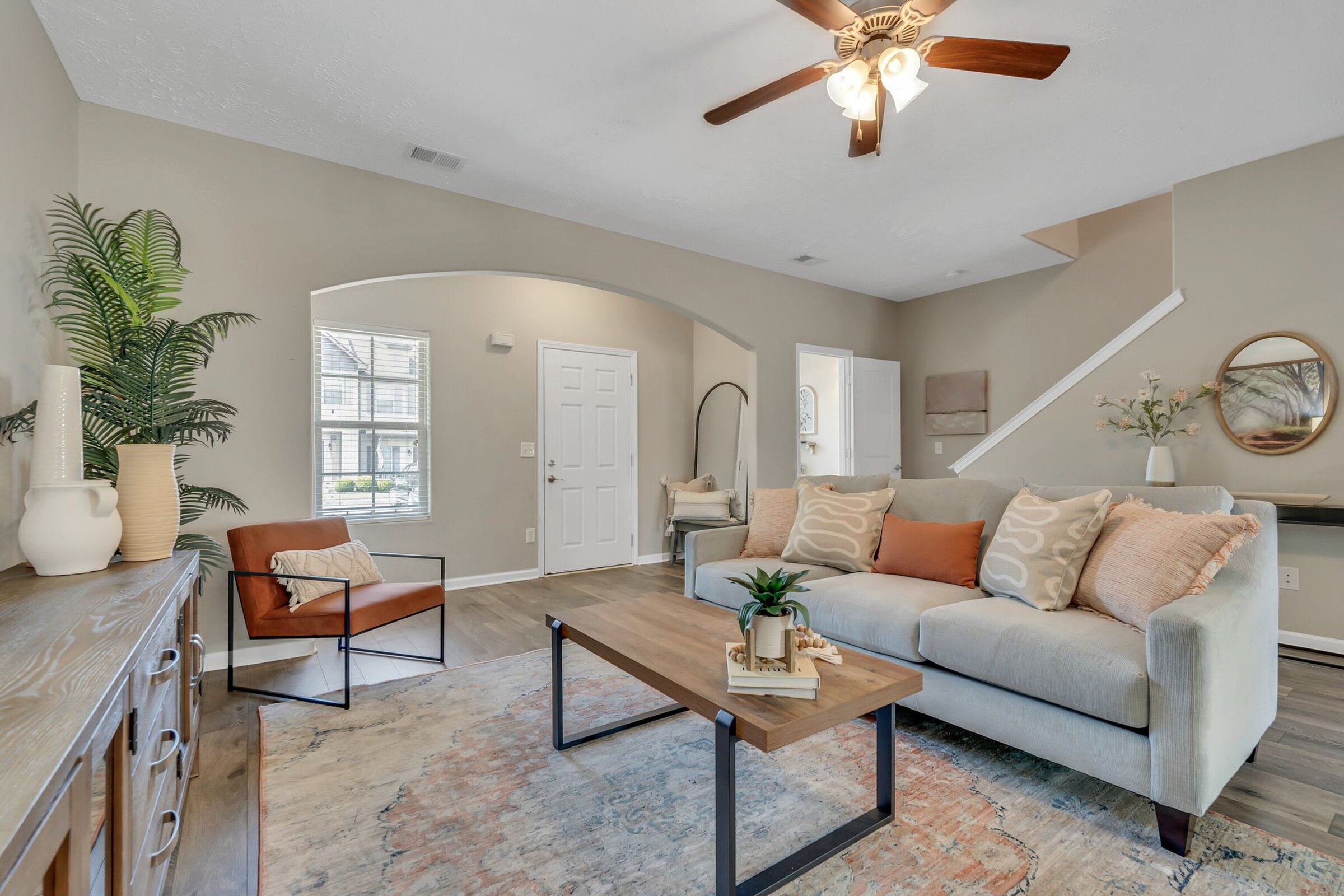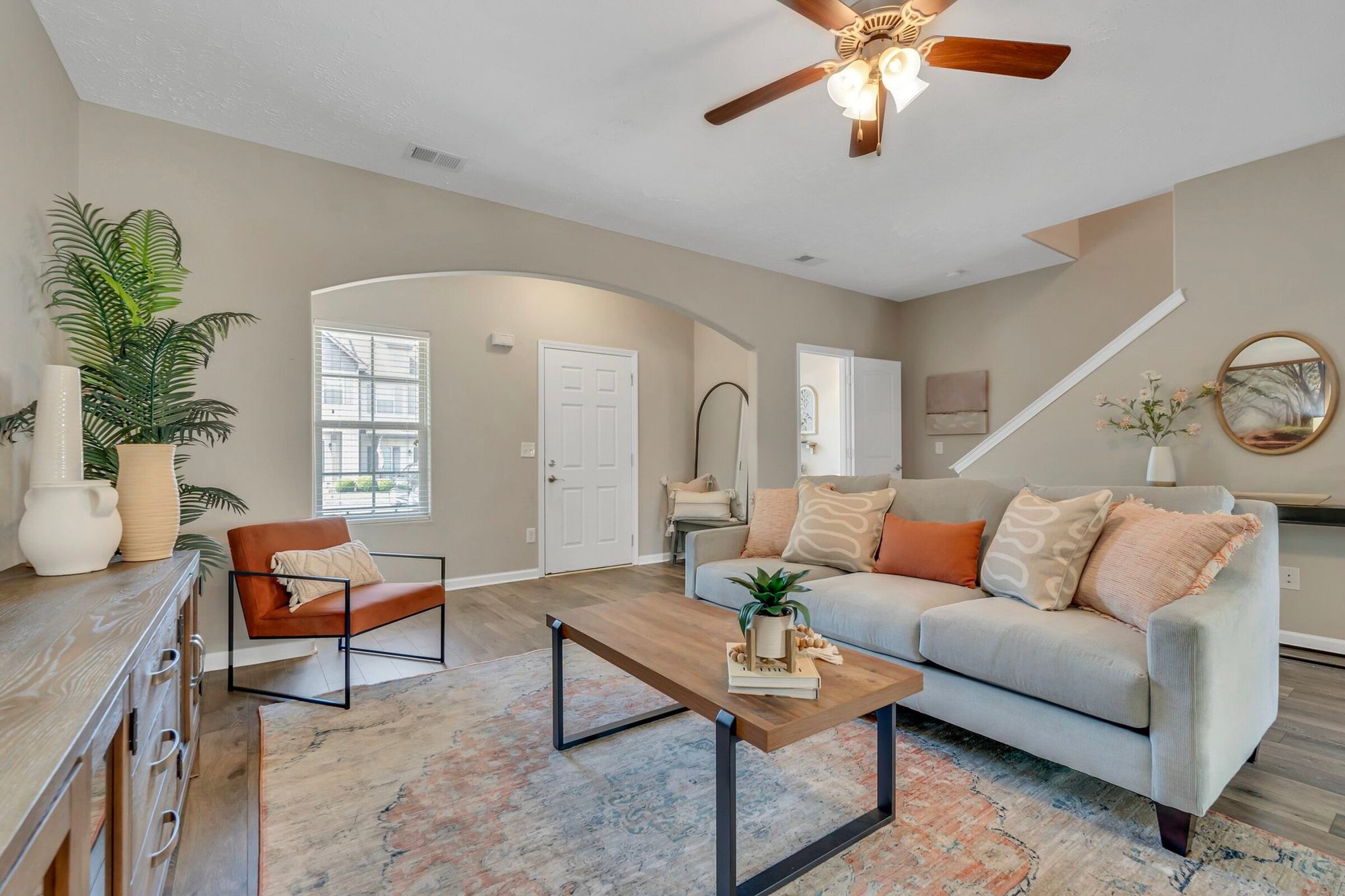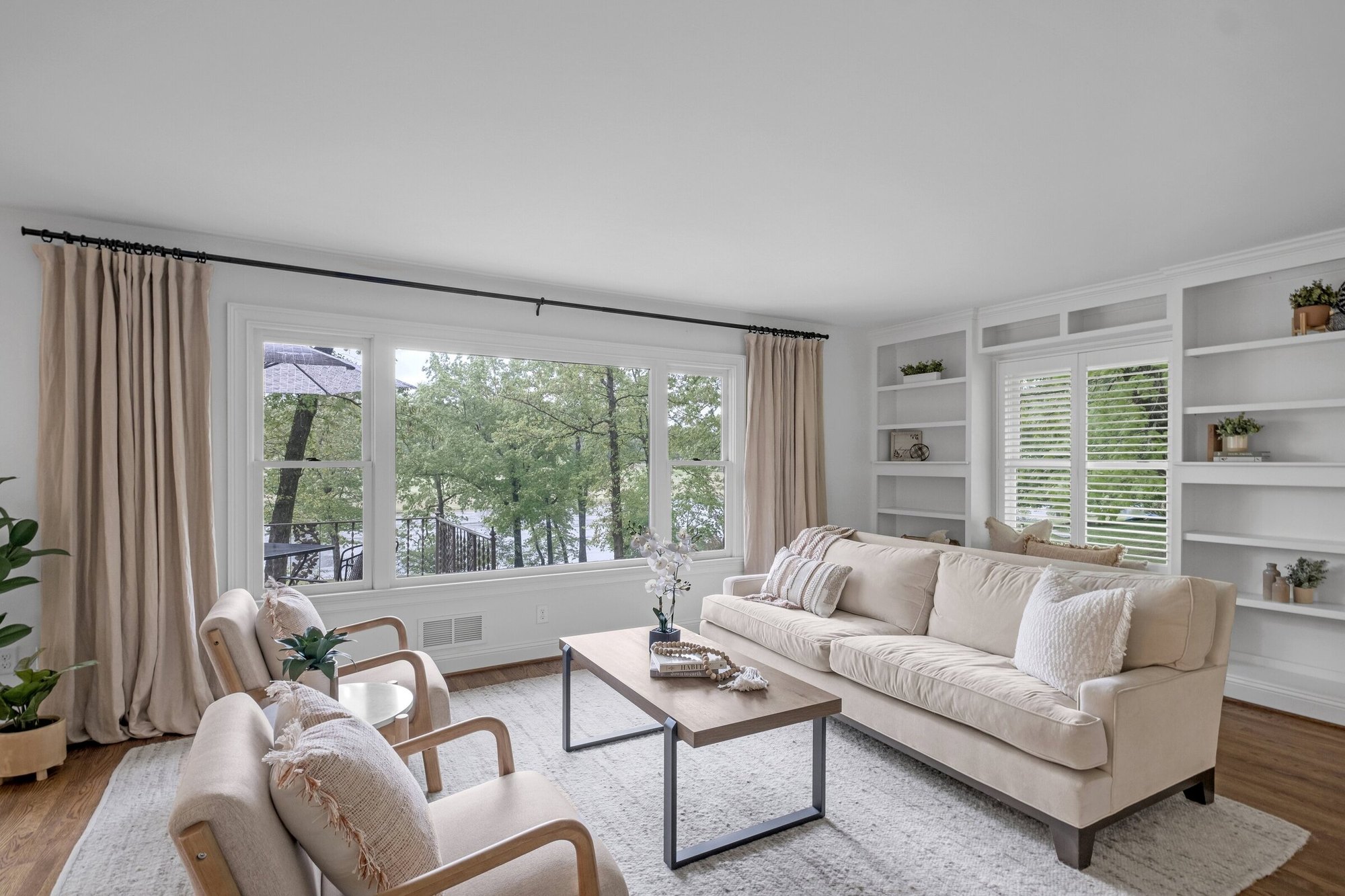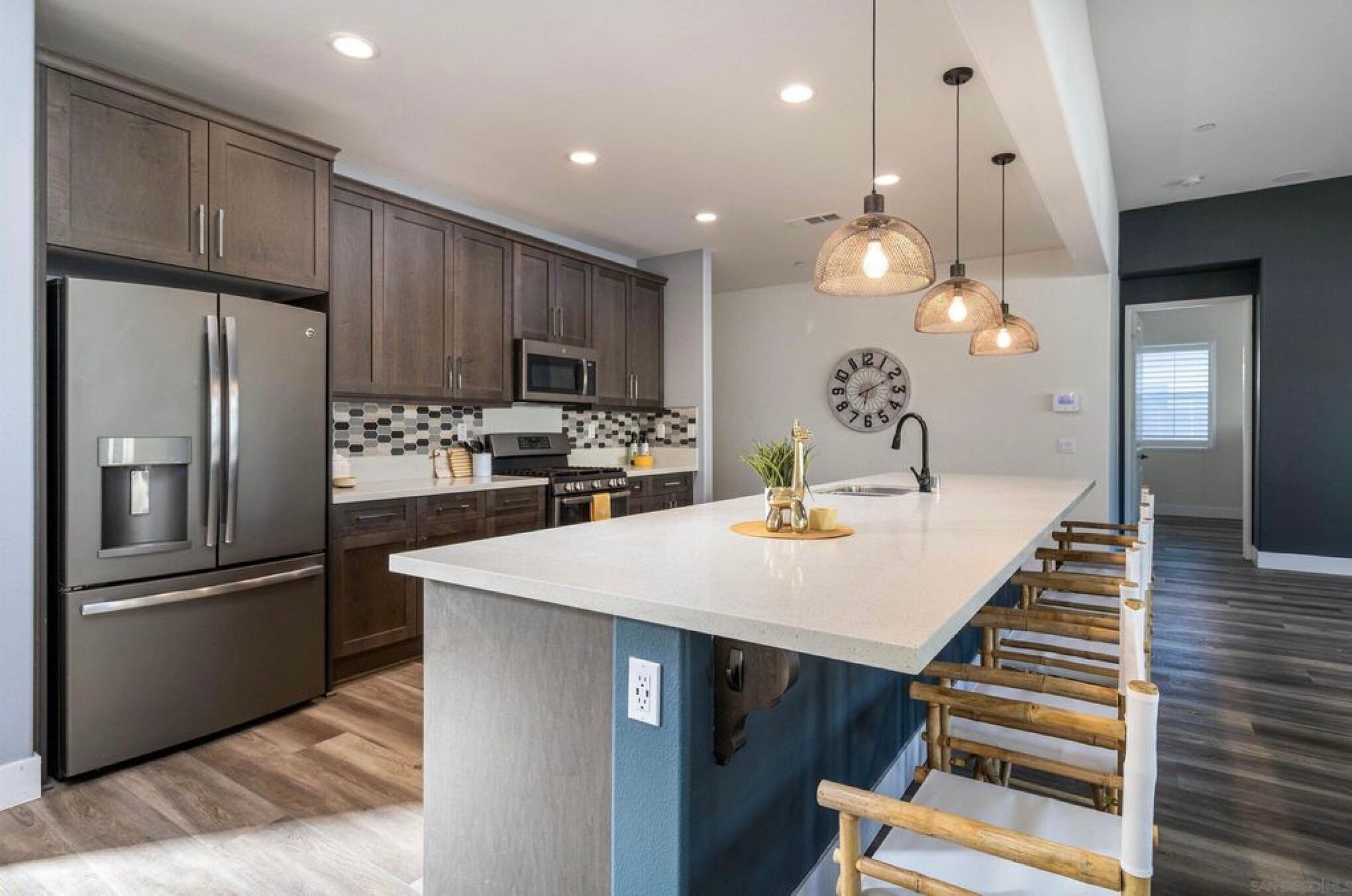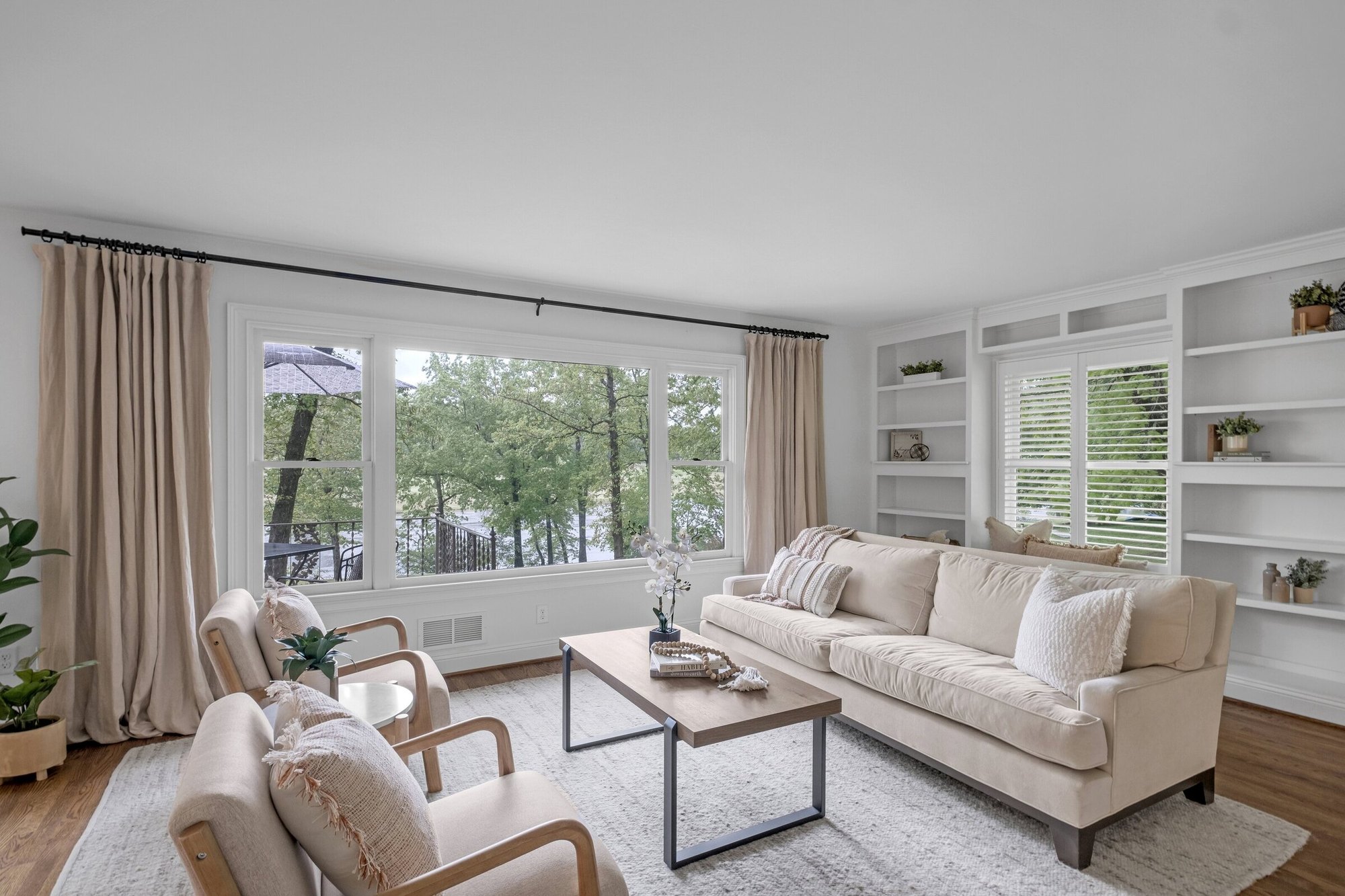
A room you have only seen in daylight is not the room an evening buyer walks into. When the clocks go back in November, the last showing of the day moves out of dusk and into full dark, and nothing about the house has changed. Your listing photographs still get taken around noon. The showings that follow them do not. Almost every fall staging problem is one version of that gap. Here at 27 Stage, we plan fall listings around the light the rooms will be shown in. What follows starts with what your house does once the sun is down.
Walk the House at Showing Time
Pick the hour an evening showing is most likely to happen and walk the house then. Do the walk on a weekday, since that is when most evening showings land. Bring a notepad, because you'll forget which corner it was by the time you come back downstairs. Use the lamps you'd leave on and open each room from its doorway. Rooms that looked complete at noon will show you a dark corner or an unlit path. Write down where the far wall goes soft and where a fixture drops a hard pool of light. That list is the whole fall plan, and nothing on it costs money yet.
Add Lamps Before You Add Anything Else
A fall listing needs more than one bright fixture in the middle of the ceiling. Two smaller lamps at seating height do more for an evening showing than one brighter bulb overhead. Put lamps near the seating and in the corners that vanish after sunset. Then check that every bulb in the room matches, and understand why it matters more now than in June. Your eye corrects for mixed light without telling you, while a camera picks one setting for the whole frame. One warm lamp beside one cool window turns half your photograph orange. Match the bulbs and the room looks planned instead of patched together for an evening appointment.
Keep the Pumpkins Smaller Than the Mantel
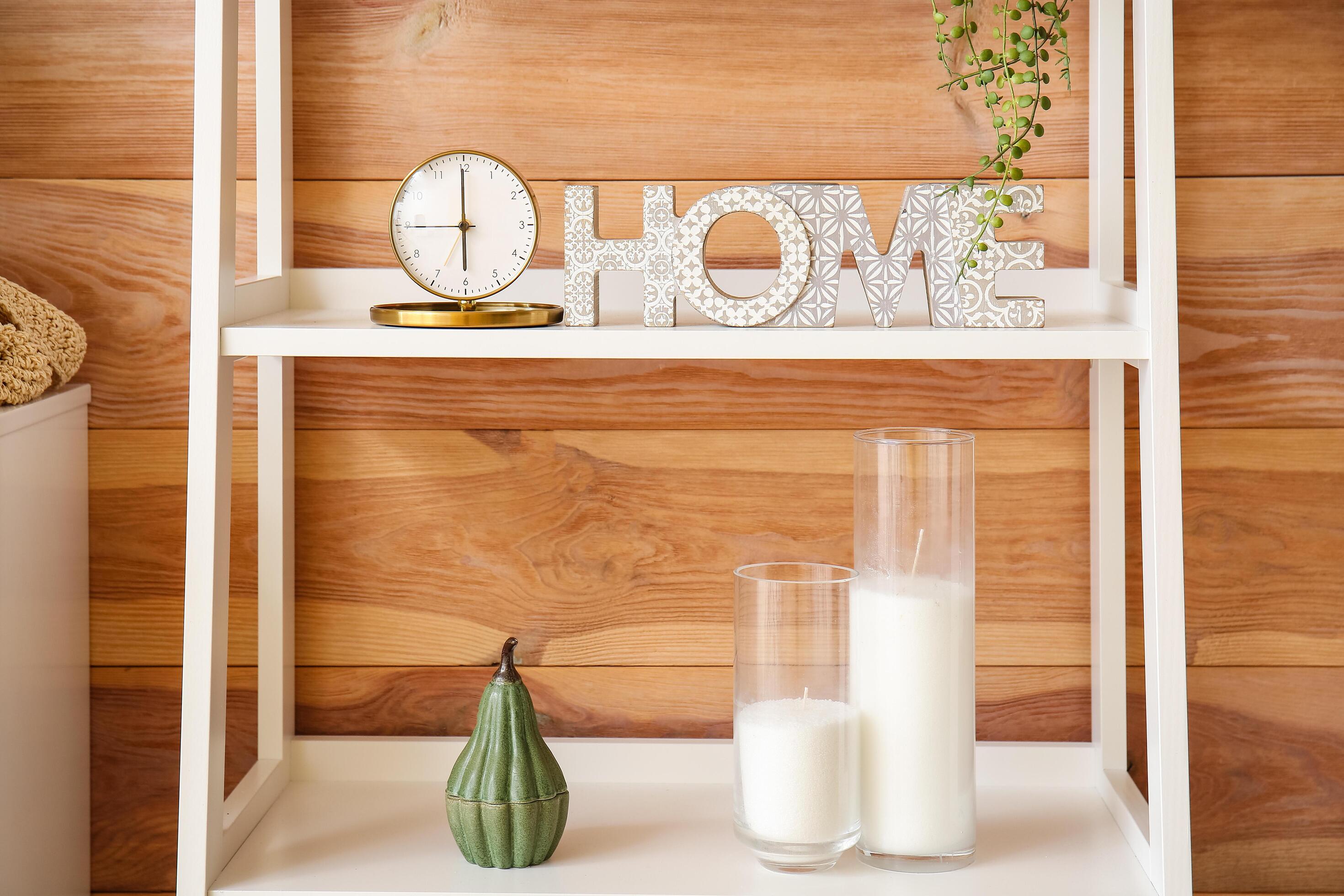
A few fall details make an occupied house feel current, and they stop working the moment they become the subject. Set a large display in front of the fireplace and the photograph stops being about the fireplace. One arrangement on a table is usually enough when the surfaces around it stay bare. Outside, move anything that narrows the walk to the front door. Sellers ask whether to decorate at all while listed, and the answer is yes, at about a third of what you'd normally put out. Take the outdoor decorations in before they weather, because a faded pumpkin on the step dates the whole listing.
Add Weight, Not Objects
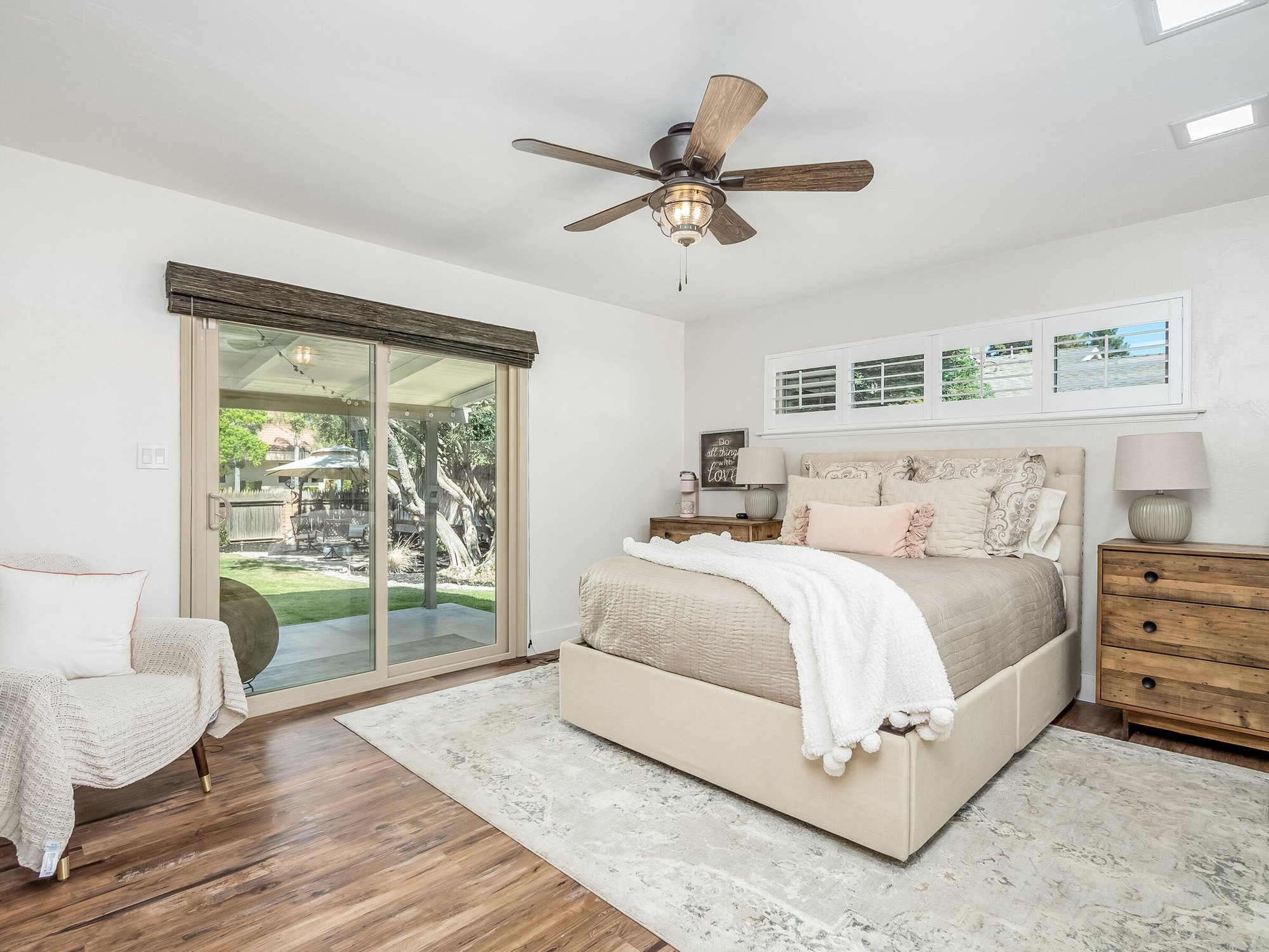
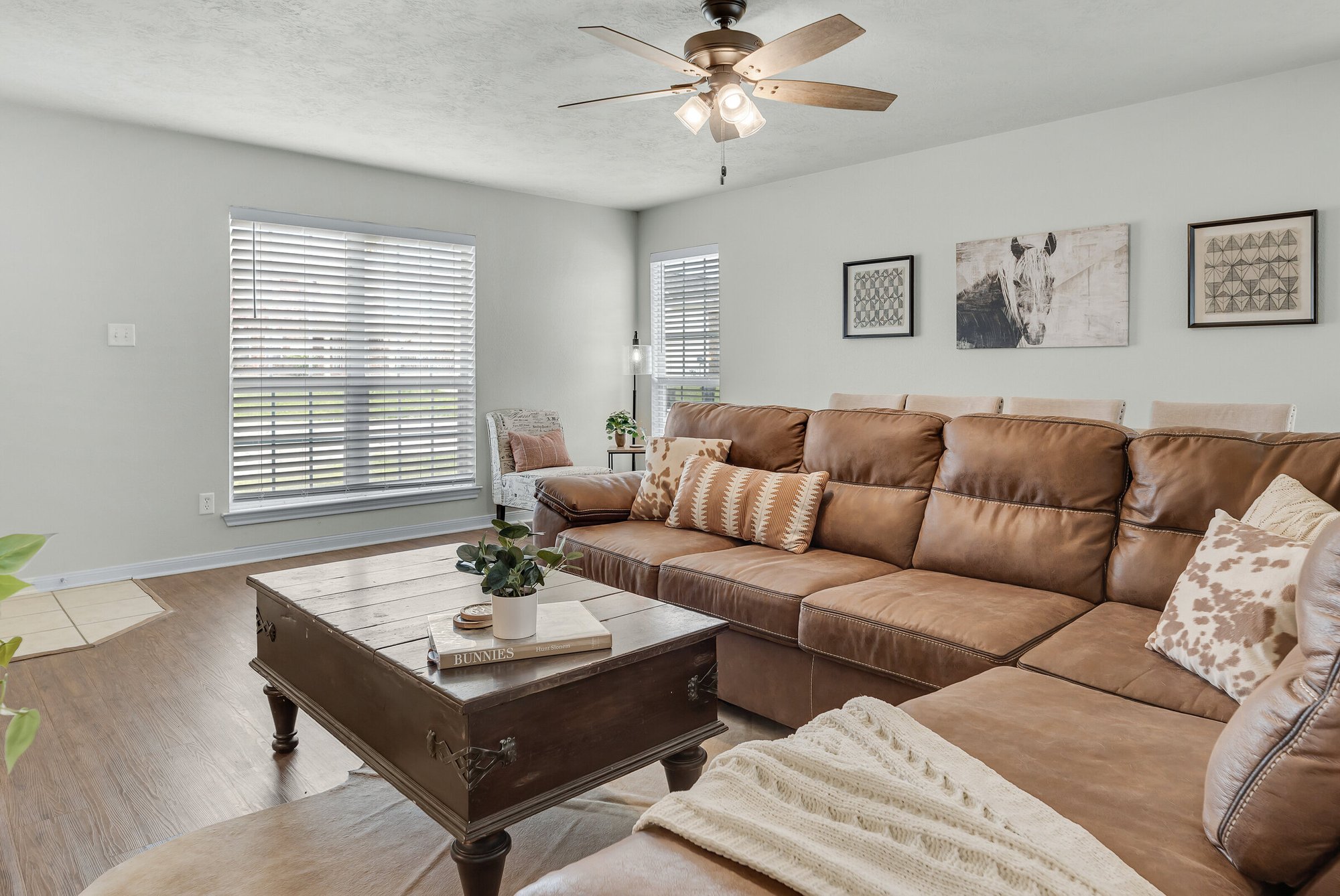
Fall staging can use heavier bedding or a textured throw without loading every seat with accessories. Swap several small pillows for fewer pieces that fit the sofa. Use a rug only when its size pulls the furniture together instead of adding another island of color. In a bedroom, layered bedding builds up the bed without burying the furniture around it. Each thing you add should make the room easier to read from the doorway. A throw over one arm of the sofa does more than four new pillows. Nothing in this section needs a shopping trip.
Settle the Rooms Before the Photographer Comes
Seasonal staging works when the furniture and the lighting are settled before the listing photos are made. Last-minute decorating changes surfaces and leaves scale and placement exactly where they were. Here at 27 Stage, we start by deciding which rooms get furniture and which only get rearranged. Our inventory covers the gaps, and in fall that's usually lamps and bedding. Furniture rental sits inside the staging agreement instead of a second contract you have to manage. The pieces stay in place until the house closes.
Get the Fall Version of Your House Ready
After work, buyers see a different house from the one you see at noon. Reach us at (629) 277-8243 before your Tullahoma listing reaches the market. We'll build the plan around what still reads once the daylight is gone. Give yourself two or three weeks between that first call and the photographs, then count backward from your listing date. The lamps and the bedding usually come from us, and you'll do the rest of the fall work in an afternoon. You probably won't be home during the showing, which means the house has to do this on its own.