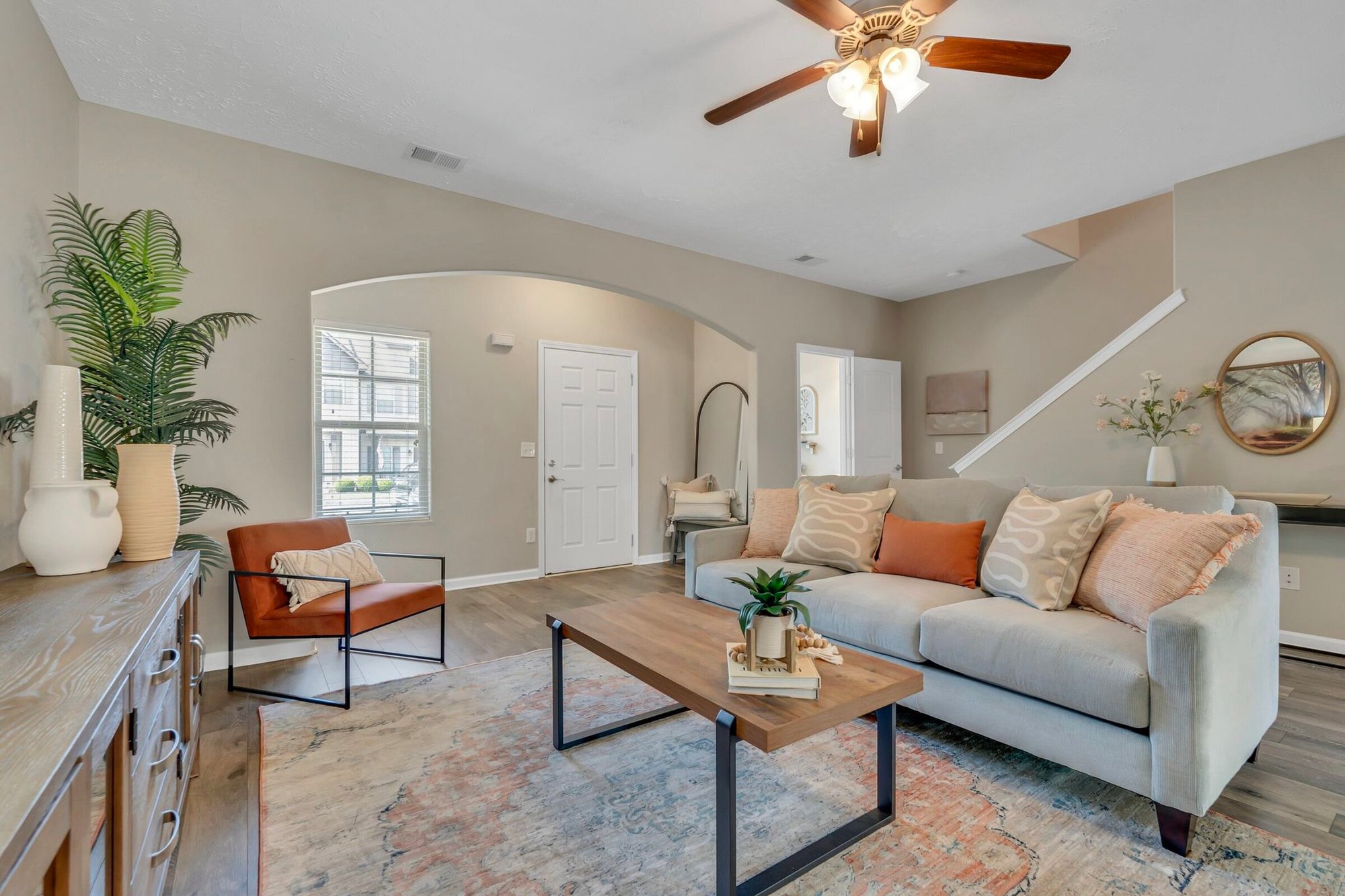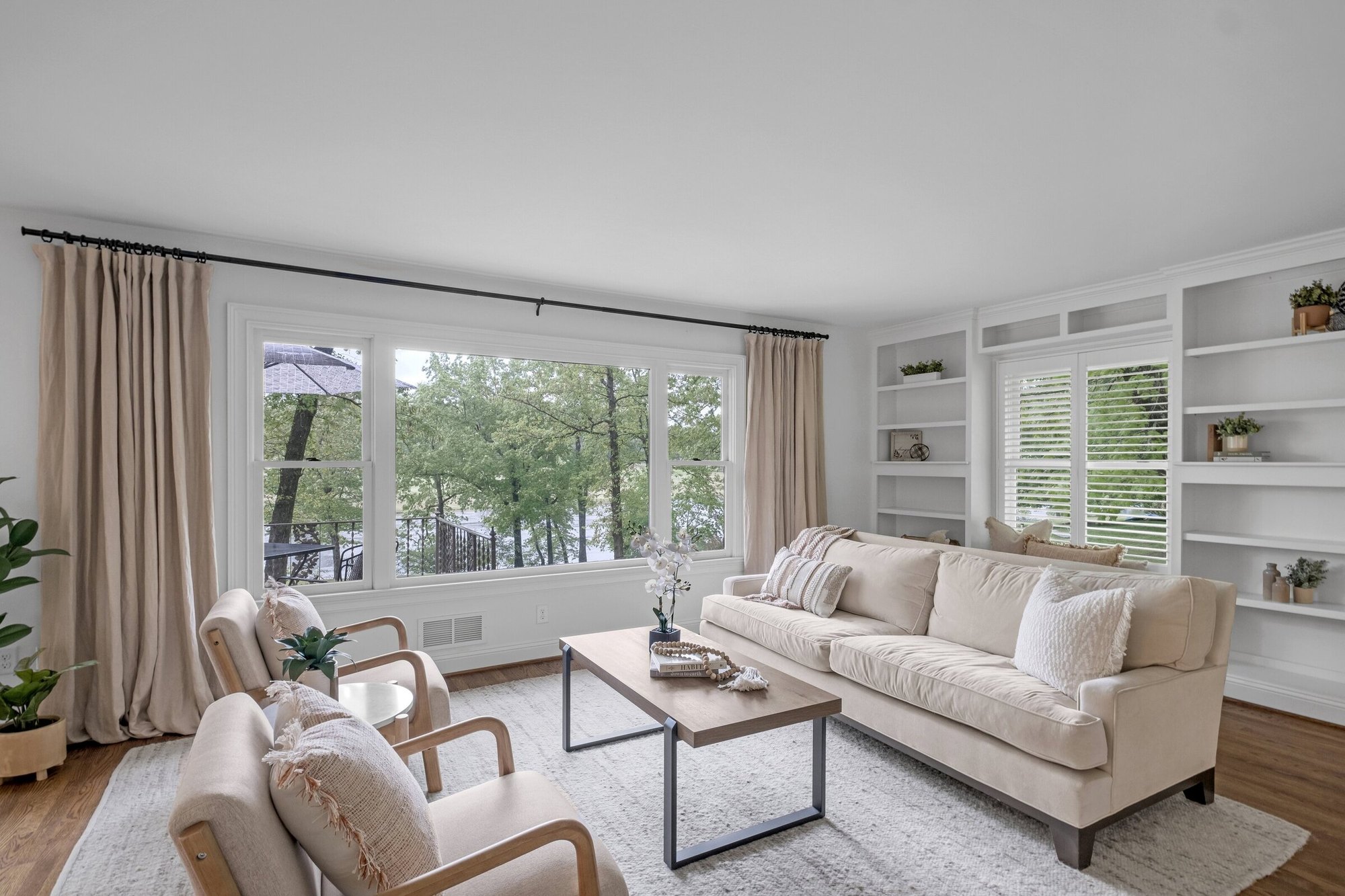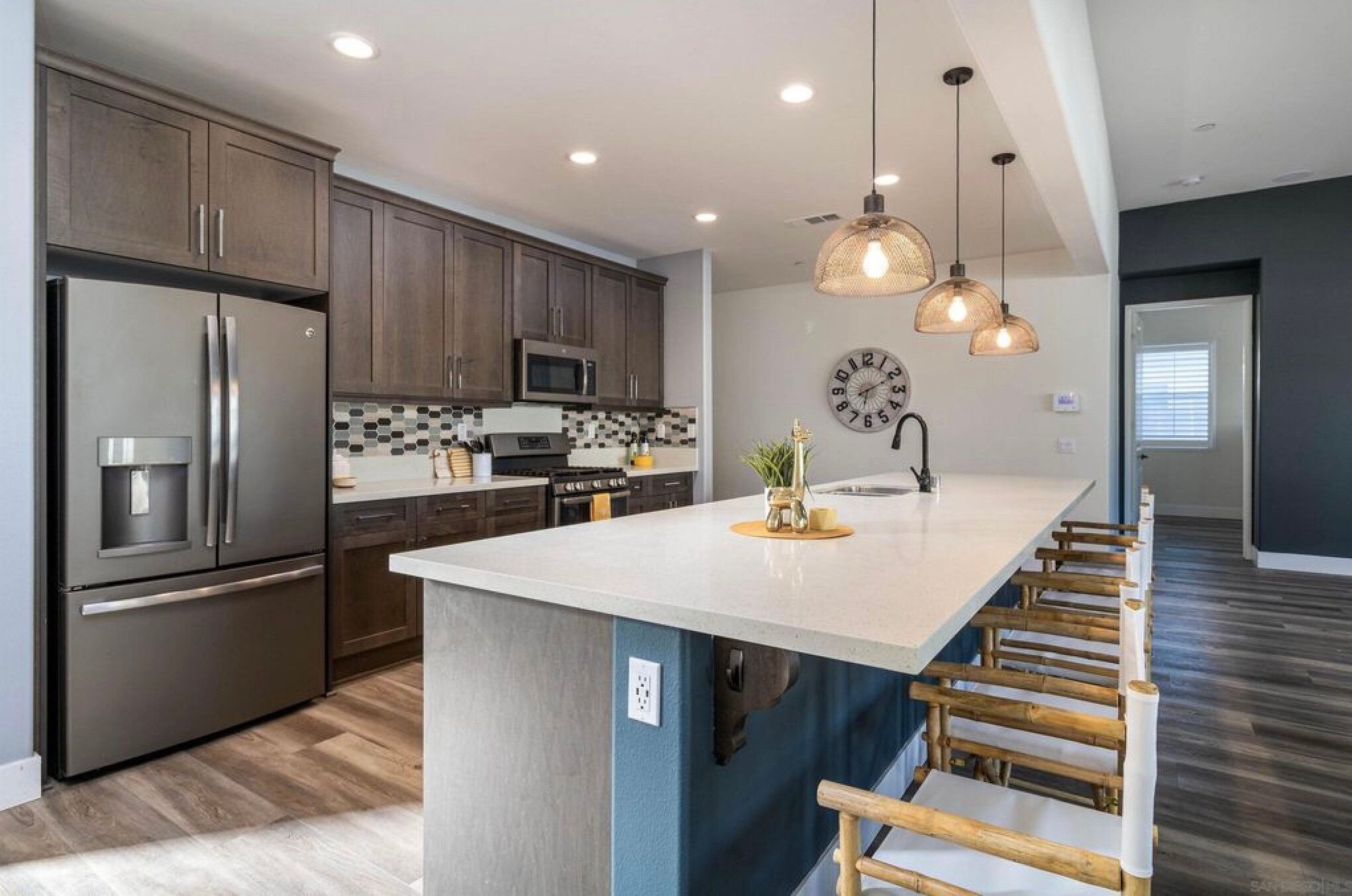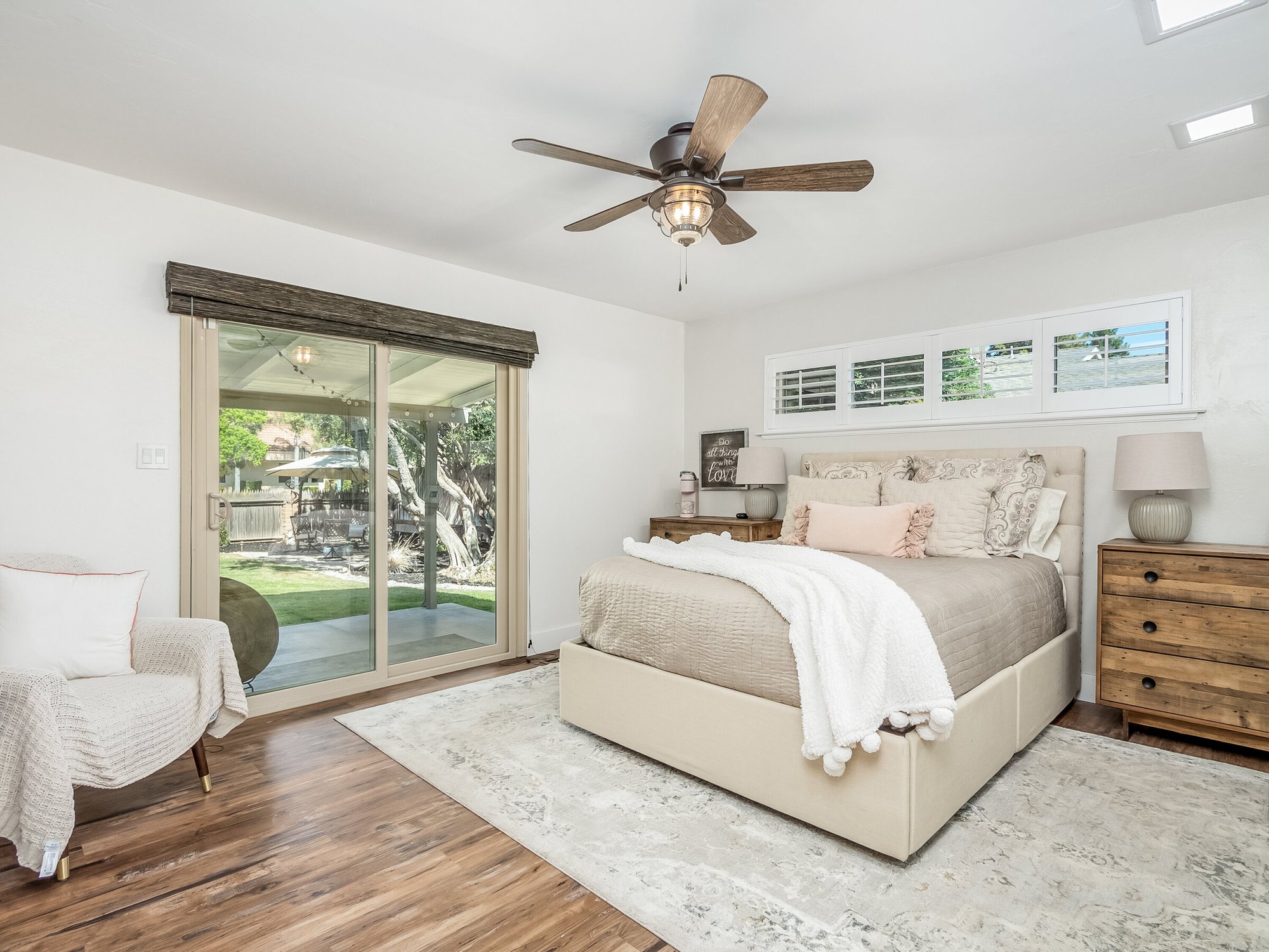
A historic home offers something new construction cannot reproduce: details shaped by another era. Original woodwork, substantial doors, fireplaces, and distinctive room layouts can give a property real personality. Yet those same features may become harder to appreciate when rooms feel dark, crowded, or dated. At 27 STAGE, we help Manchester sellers present established homes with thoughtful furniture placement, color guidance, and styling designed to showcase character without making buyers feel they must live in the past.
Let Original Details Lead the Design
The first rule of staging an older home is knowing when to step aside. A carved mantel, built-in cabinetry, or original trim should remain visible rather than competing with oversized furniture and busy accessories.
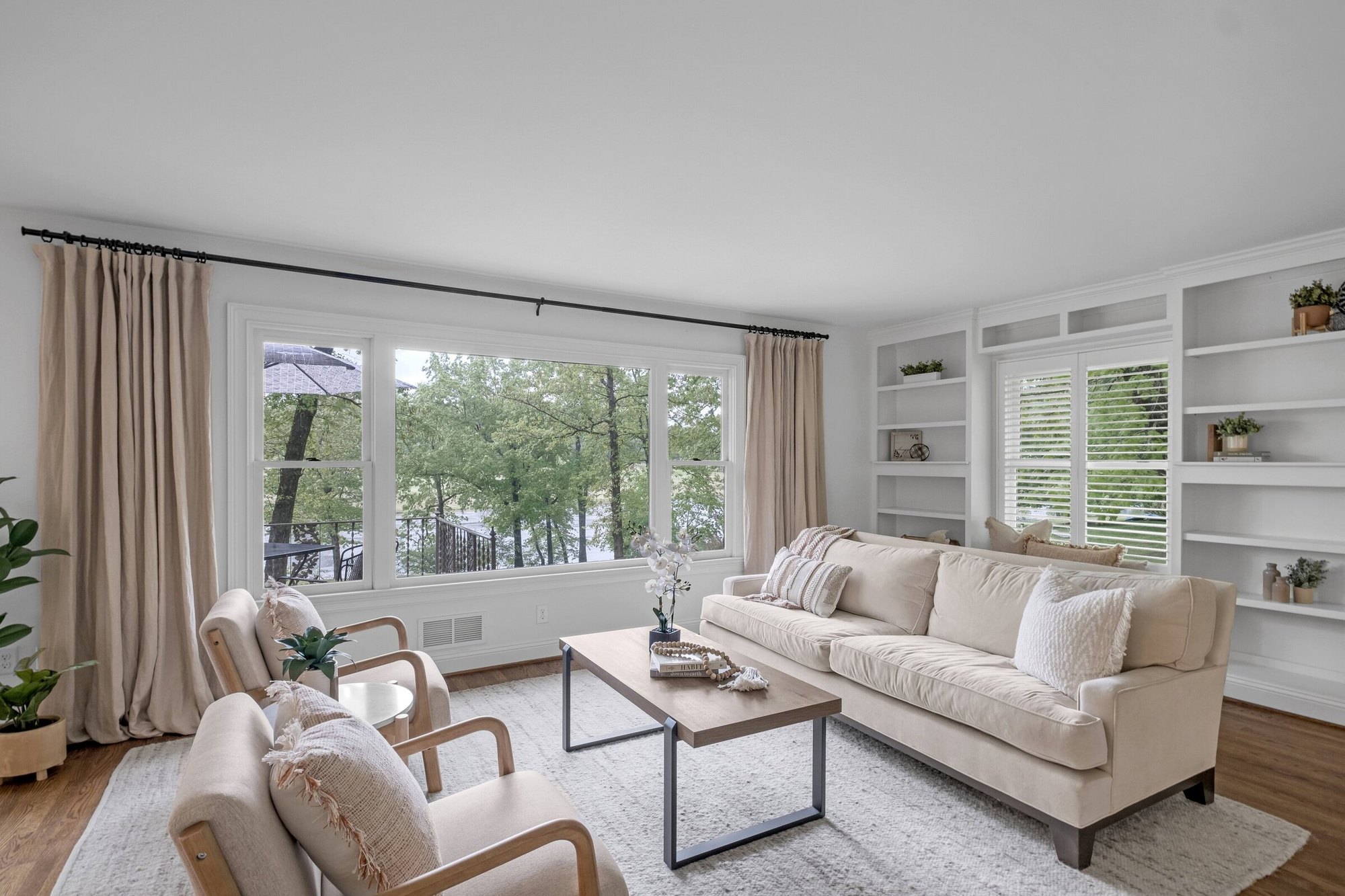
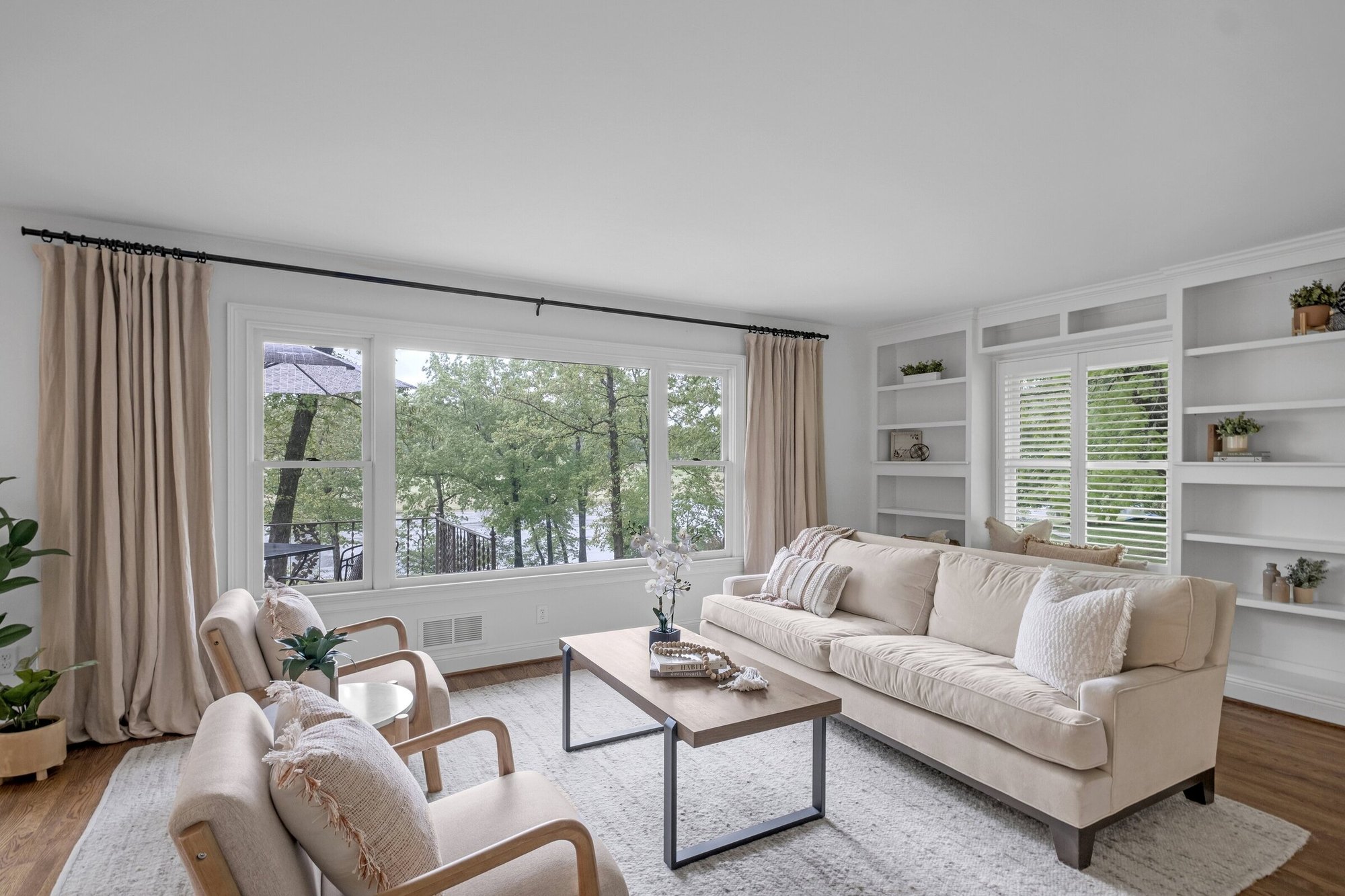
We begin by identifying the details worth highlighting. Seating can frame a fireplace without blocking it. Simple accessories can draw attention to built-in shelves without filling every surface. A restrained arrangement gives buyers time to notice craftsmanship and understand what makes the home different.
Balance Period Character With Everyday Comfort
Historic charm is appealing, but buyers also want practical rooms. A formal parlor might need a seating arrangement showing how the space works for conversation today. A smaller dining room should prioritize comfortable movement around the table rather than showcase the largest available furniture.
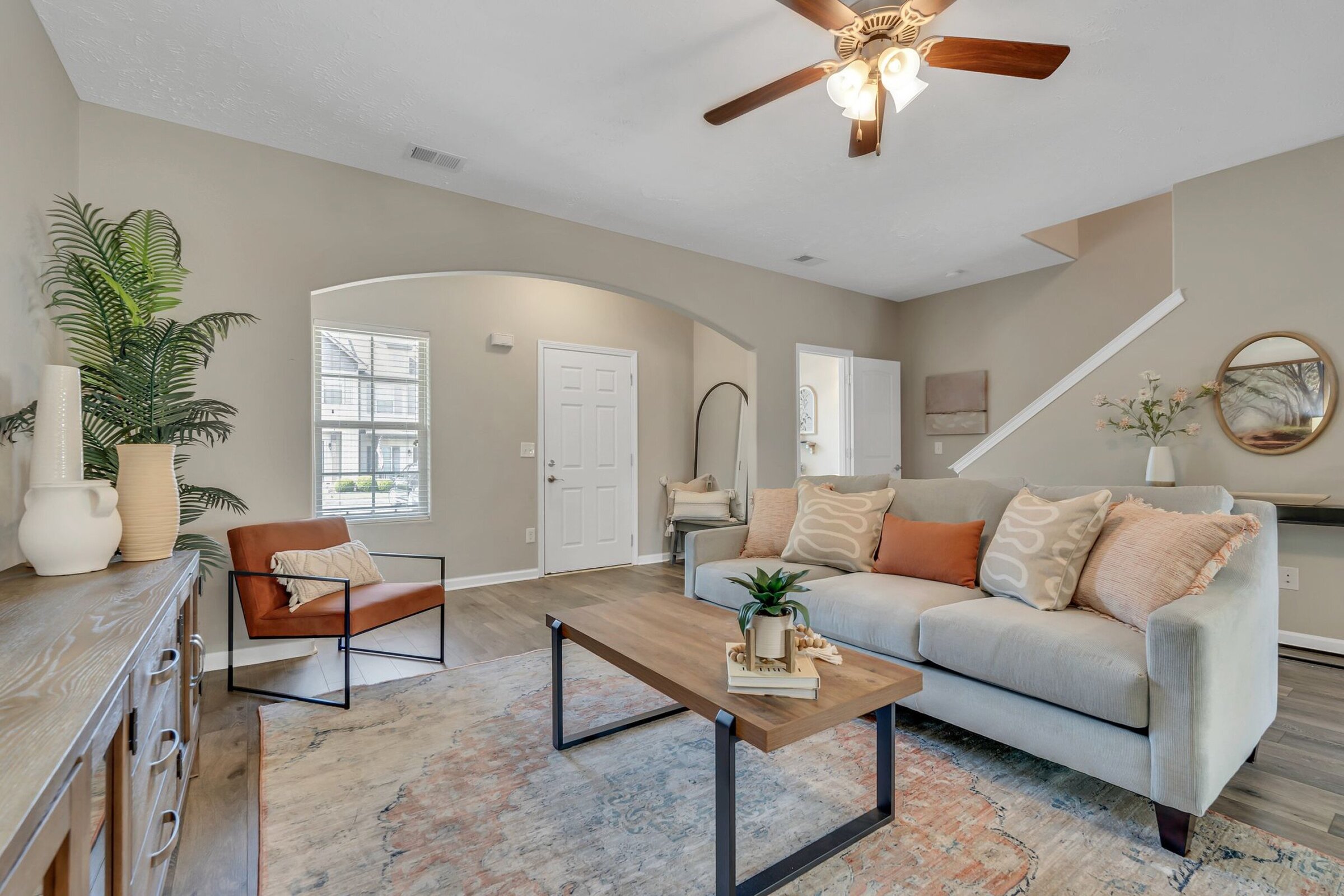
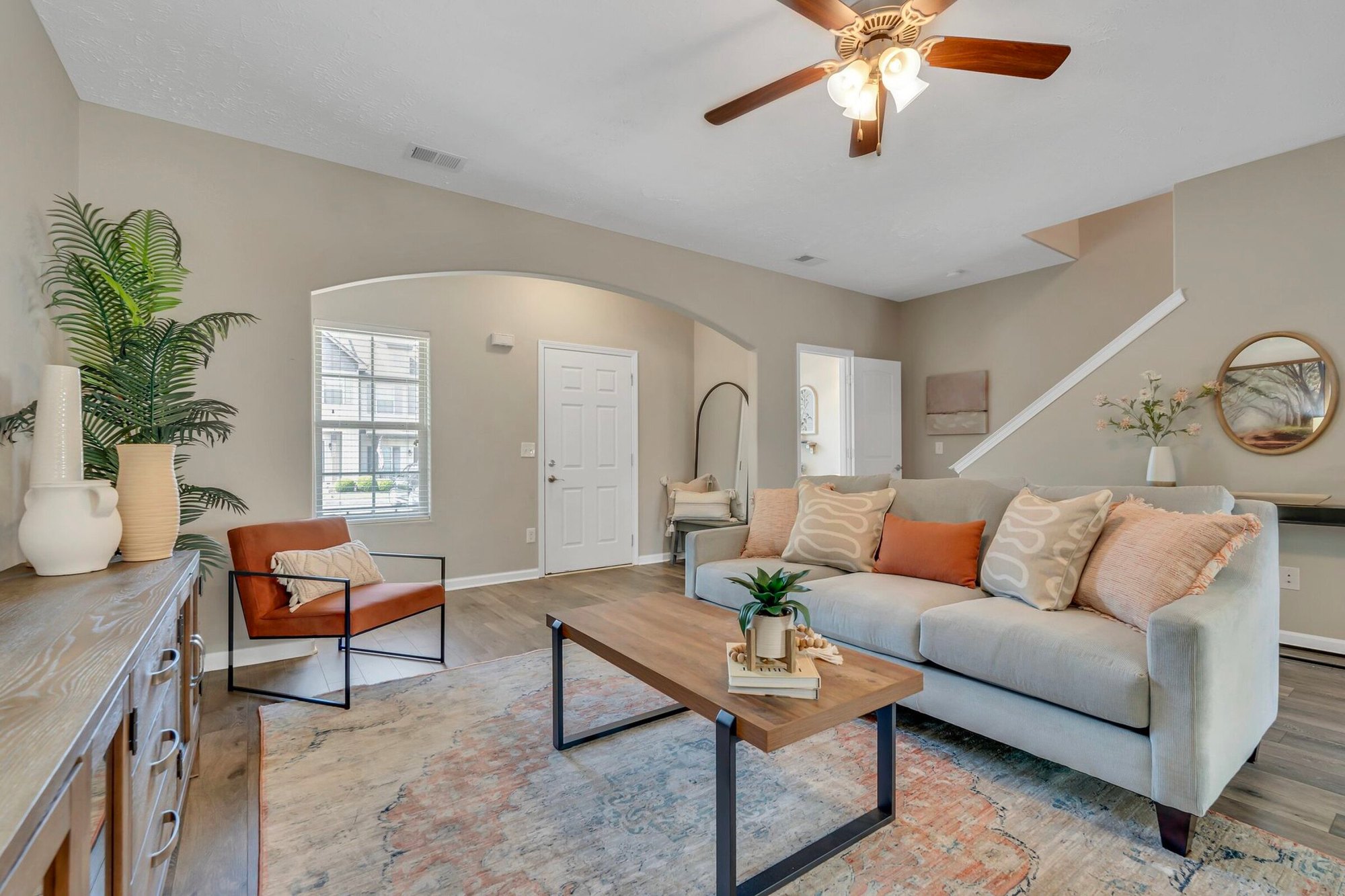
We choose pieces with appropriate scale and familiar function, then add texture through rugs, pillows, and artwork. The aim is not to recreate a museum. It is to show how daily routines will fit naturally around the home's original features.
Use Color to Connect Old and New
Paint is often where sellers feel pressure to modernize everything. However, covering every surface in stark white may flatten the warmth of woodwork and make a historic interior lose its personality.
Our color consultations consider existing finishes, lighting, and how rooms relate to one another. Soft neutrals, muted greens, or warm creams may provide a suitable backdrop, depending on the home's materials and natural light. Where original finishes are sound, careful styling may be wiser than repainting. Any changes to significant historic materials deserve proper evaluation before work begins.
Improve Light and Flow Without Erasing Character
Older homes may have separate rooms, narrower entries, or fewer large windows than modern floor plans. Staging cannot change the architecture, but it can make movement clearer.
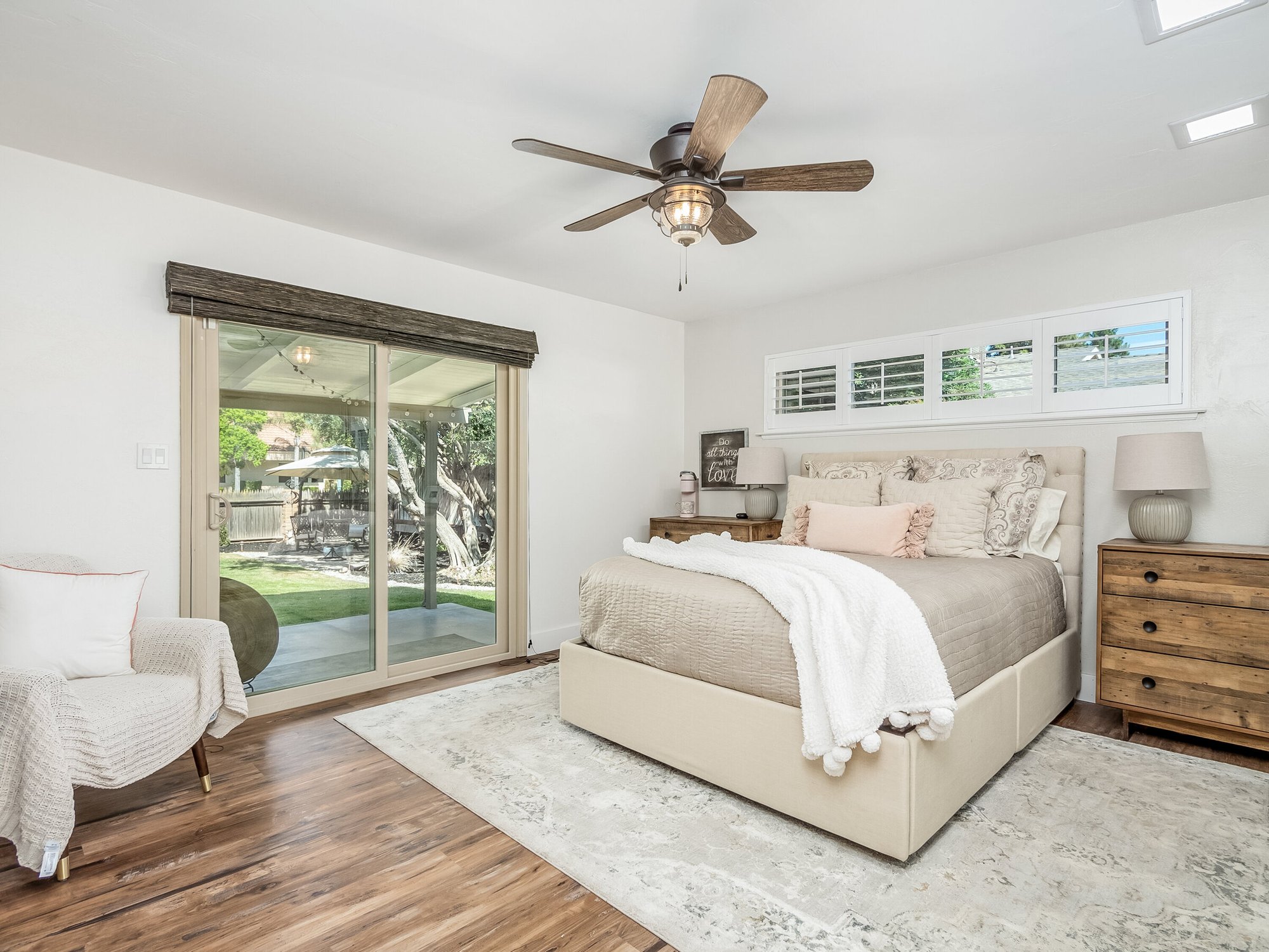
Removing extra furniture opens walking paths. Lighter window treatments allow more daylight into rooms. Lamps brighten corners, while rugs and smaller furniture groupings communicate scale. These adjustments help buyers understand a traditional floor plan without suggesting the home must become open-concept to feel livable.
Prepare a Story Buyers Can See in Photos
Photos need to capture both the home's character and its everyday usefulness. We look for angles showing preserved details alongside comfortable furniture, rather than photographing empty corners or overly decorated rooms.
For an occupied property, our staging consultation can help owners work with existing furniture. In a vacant home, furnishings and décor can provide the context that empty rooms lack. Both approaches support a more welcoming presentation without claiming every historic home needs a major renovation.
At 27 STAGE, we believe the most effective staging honors what makes a property distinctive while making its future feel possible. If you're preparing a historic or traditional home for sale in Manchester, contact us today to discuss a staging plan built around its architecture, condition, and strongest selling points.