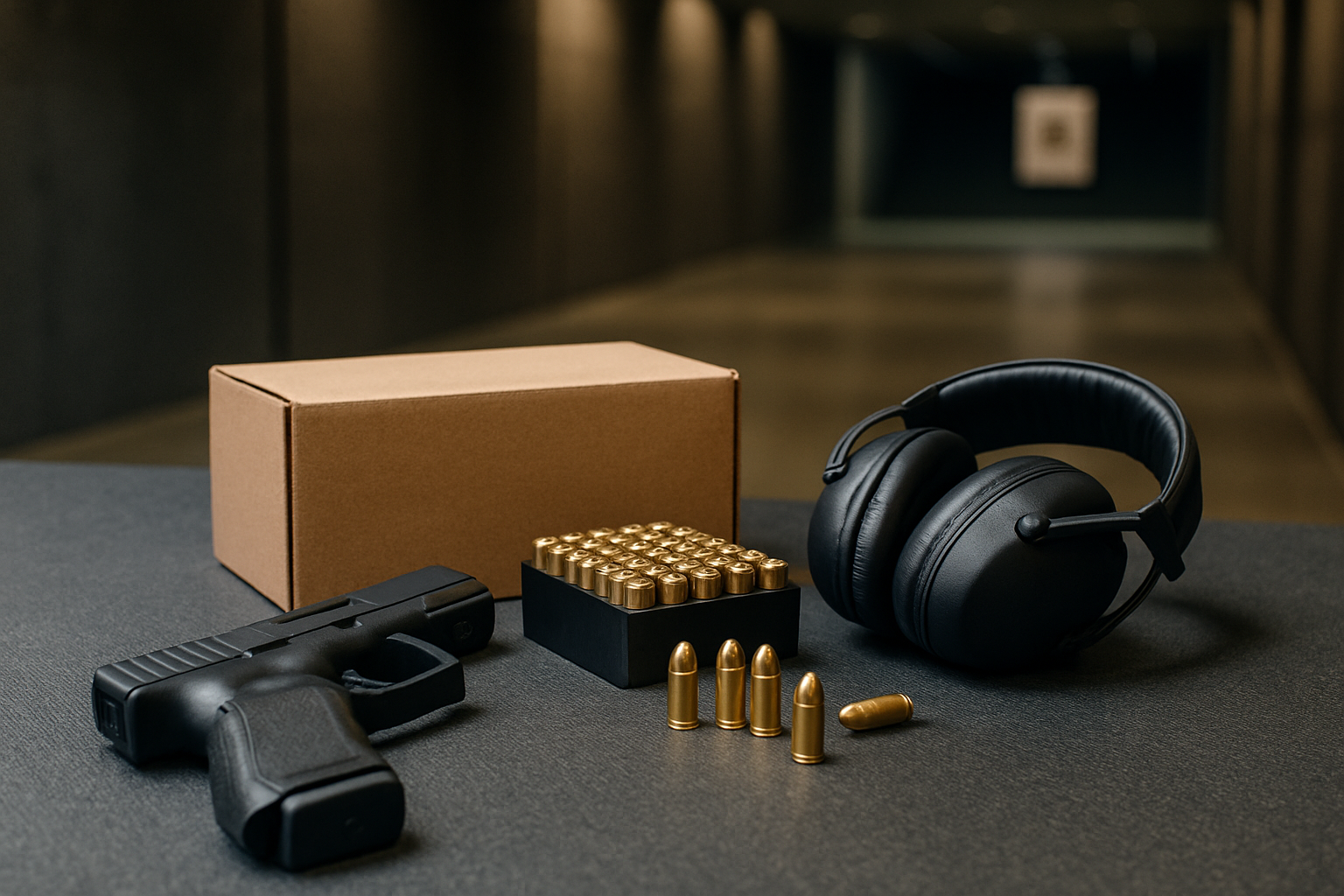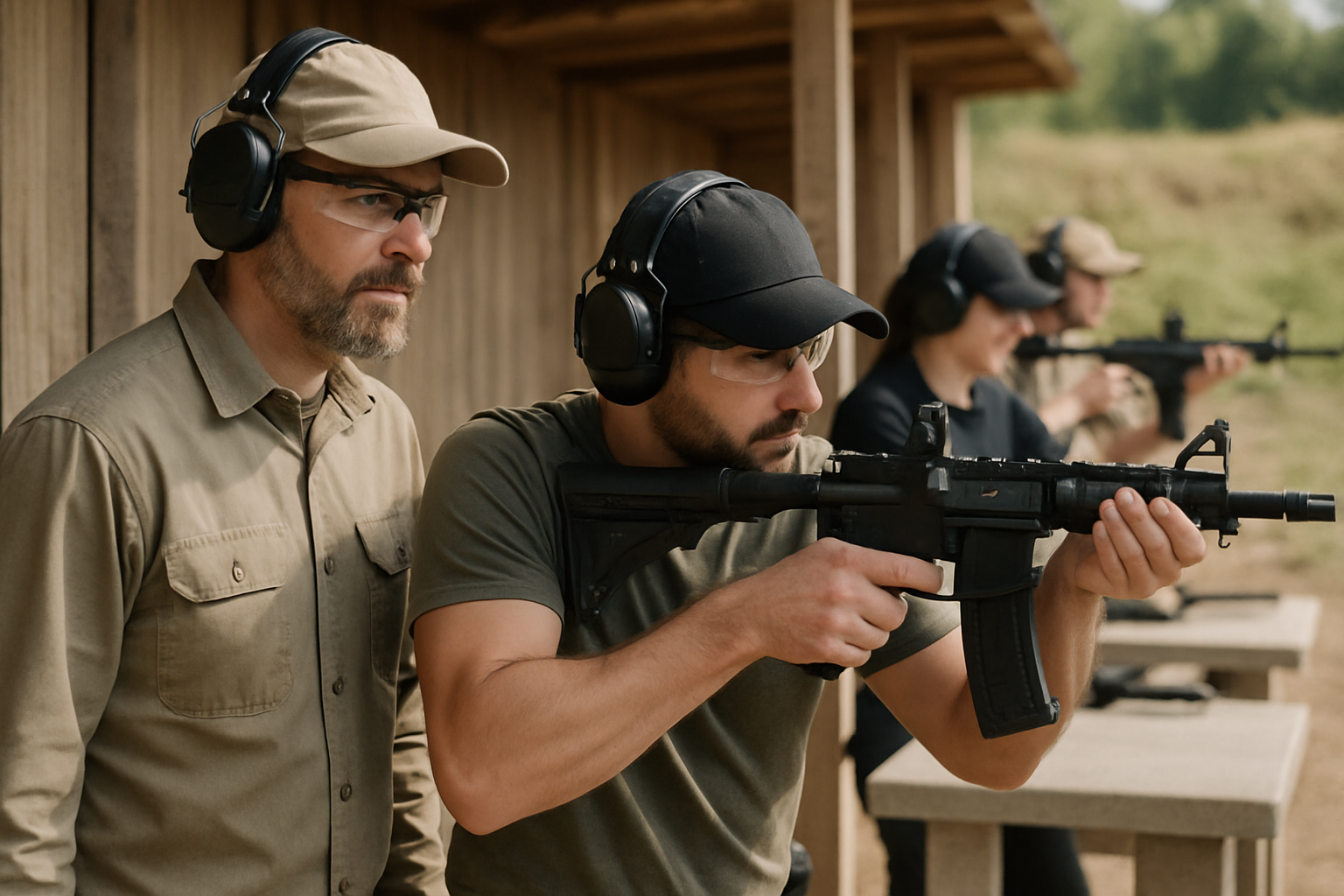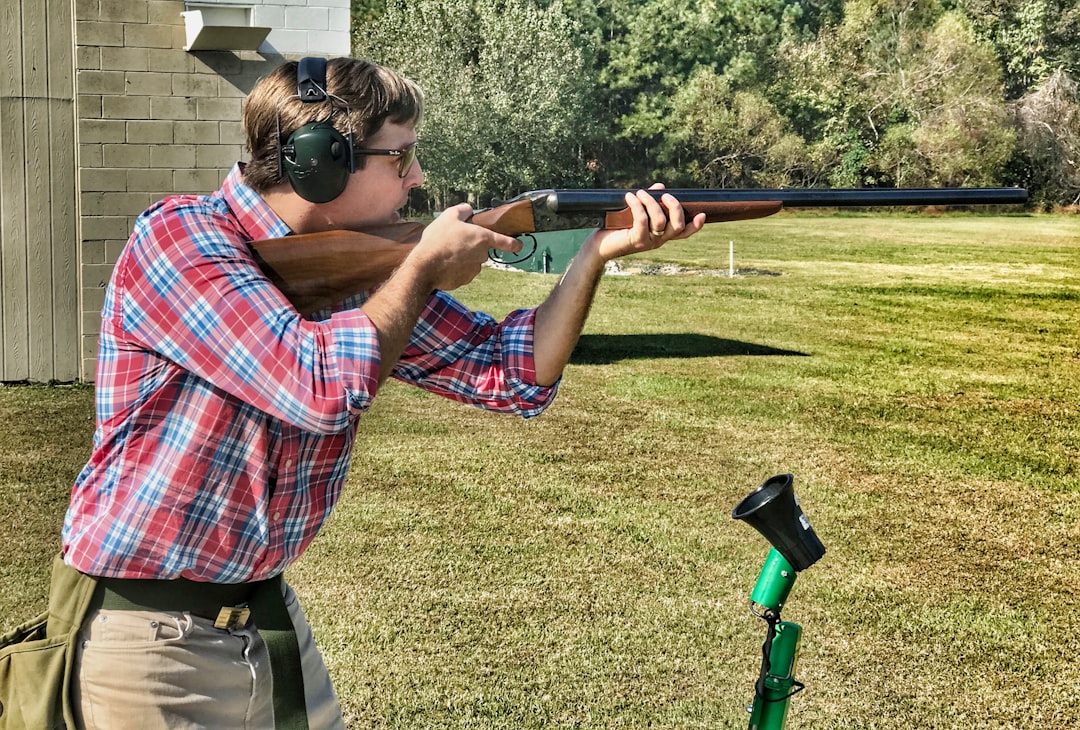
Most of us are familiar with static shooting ranges. These feature a stationary lane where the shooter remains in a fixed position while aiming and shooting specific objects like paper targets, grids, plates, or dummies.
While static shooting ranges allow shooters to practice safe handling, sight alignment, and recoil management, interactive shooting ranges can give users a more variable, scenario-driven way for users to put their firearms skills into practice. Thus, they offer many benefits static shooting ranges don’t offer:
Realistic Shooting Scenarios
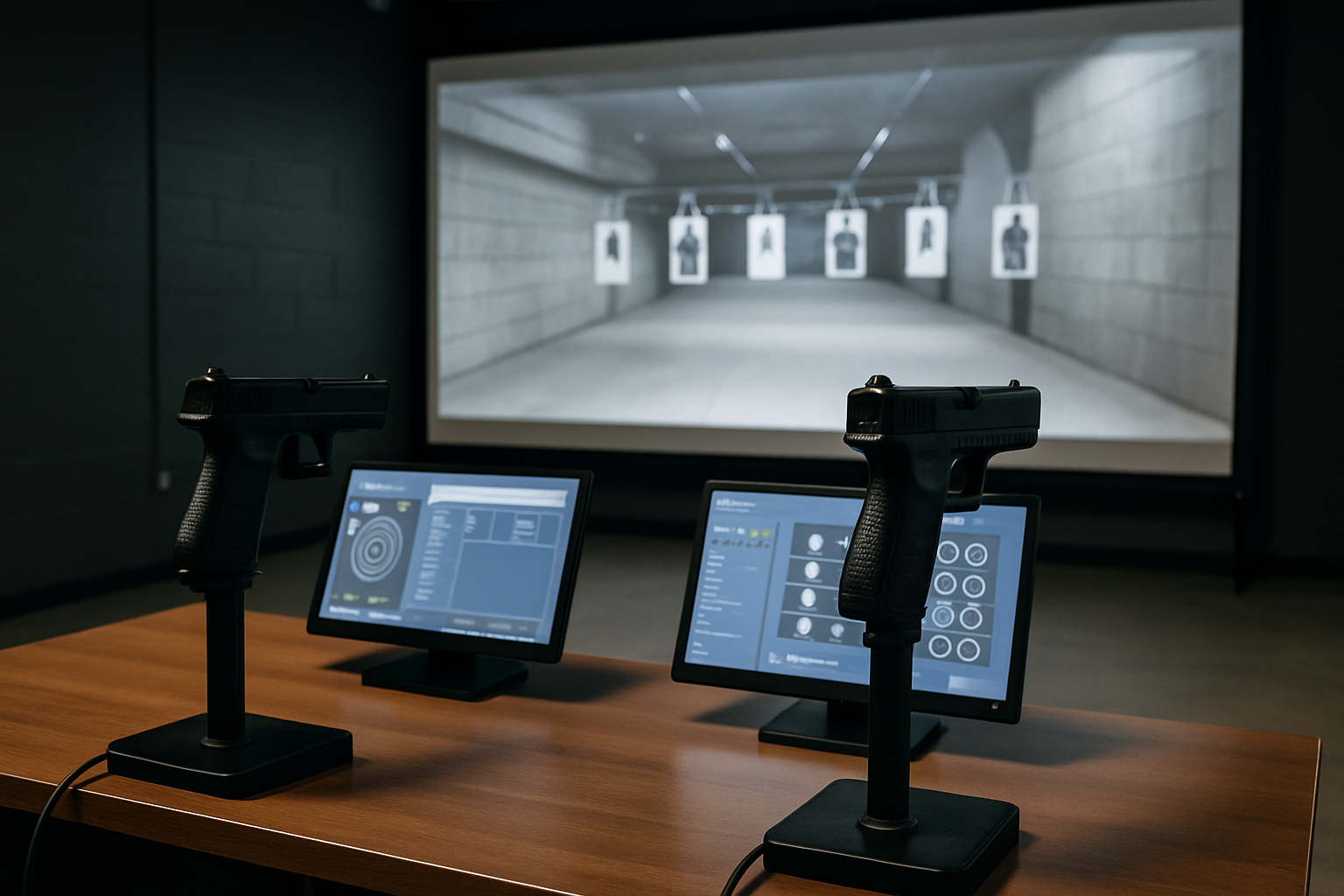
In interactive shooting simulations, trainers undergo somewhat realistic shooting situations, which are designed to mimic the unpredictability and time pressure of actual scenarios.
At some interactive shooting ranges, moving targets appear at random, sometimes in multiples, and quickly disappear, thus requiring participants to recognize targets and make quick decisions, just as they would in a real-life situation.
Improves Judgment Under Stress
When engaging in interactive shooting training, users can practice making good (and fast) judgments when in controlled stress situations. Participants are forced to engage in quality recognition and make real-time decisions during a short period of time where mistakes are highly possible.
By repeating interactive shooting training, participants will eventually learn how to recognize patterns, build emotional control while under pressure, and act quickly without acting prematurely.
Boosts Cognitive-Motor Coordination
Your cognition and motor control both equally matter when managing an emergency situation. When one struggles, the other tends to follow. In turn, this can put your safety at risk.
Interactive shooting experiences can help build both your cognitive and motor coordination during rapid and unpredictable situations. This training can teach adequate multitasking, enhanced hand-eye coordination, reaction accuracy, and reduced delay between decision making and movement.
Safe Exposure to Adrenaline-Surging Situations
Simply aiming and firing at a stationary object isn’t considered adrenaline-inducing. In fact, for many, the latter can be a relaxing, concentration-focused pastime activity. For this reason, static shooting experiences aren’t enough to help one develop the skills necessary for real-world scenarios.
However, in interactive shooting situations, there is a small level of adrenaline surge which somewhat mimics the stress of a realistic situation, brought by fast pace, unpredictability, strong room for error, and limited time.
With many interactive shooting experiences having different levels of proficiency, users can slowly build their tolerance to adrenaline-inducing situations, learning to become calmer and more strategic as the scenario gets more complicated.
More Dynamic Than Static Shooting
Static shooting ranges give firearm learners the ability to grasp introductory skills like proper aiming. However, it’s the dynamic, fast-paced element of interactive shooting ranges which give learners the ability to practice more of their skills than they would when practicing static shooting.
Being dynamic, interactive shooting ranges can help trainers learn how to properly adapt when under stress, strengthen their reaction time, and improve the way they manage their cognitive load.
At C2 Tactical, we offer a range of different types of courses and training sessions for beginners, intermediate learners, and even advanced firearm users. Call us today to discuss our options.