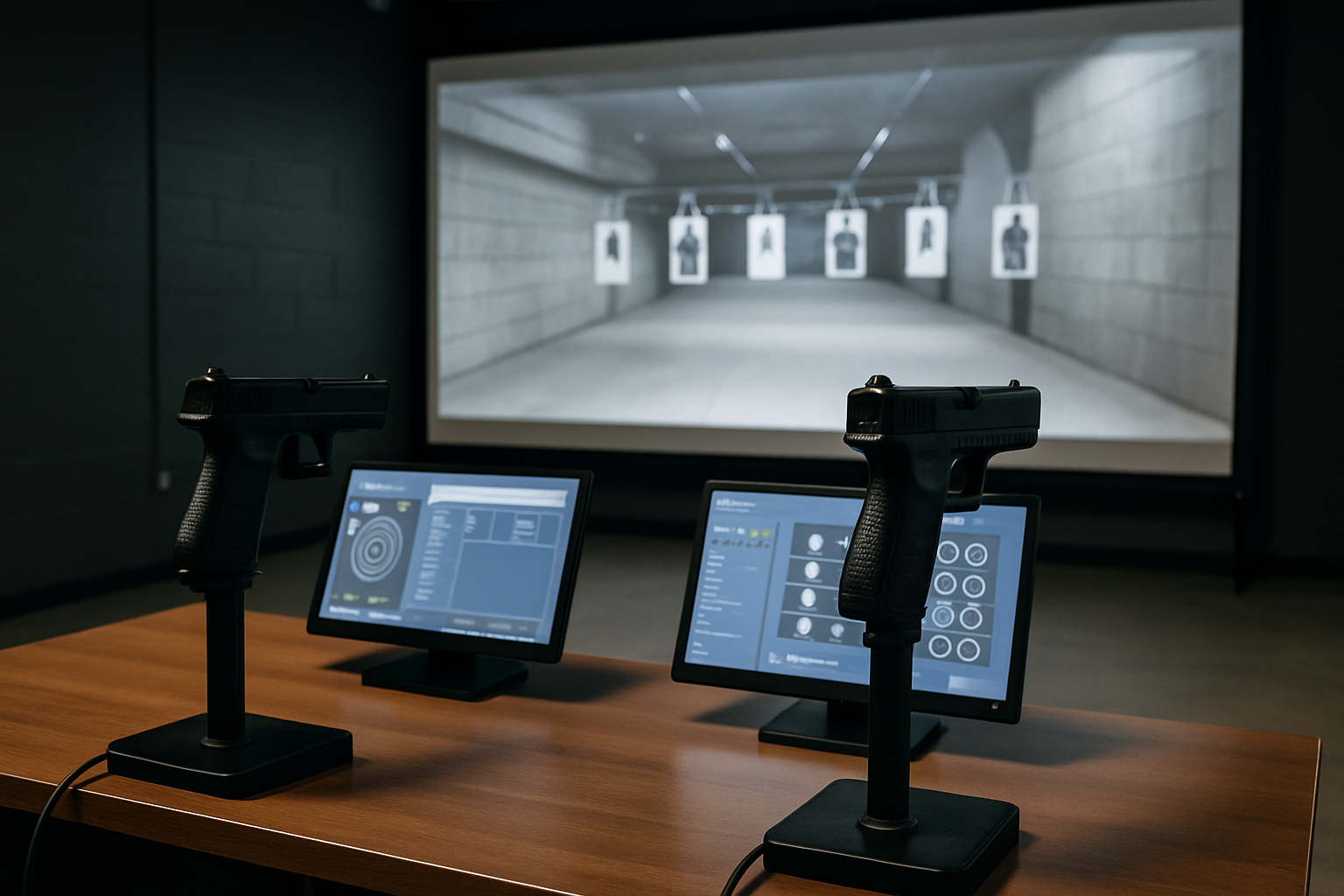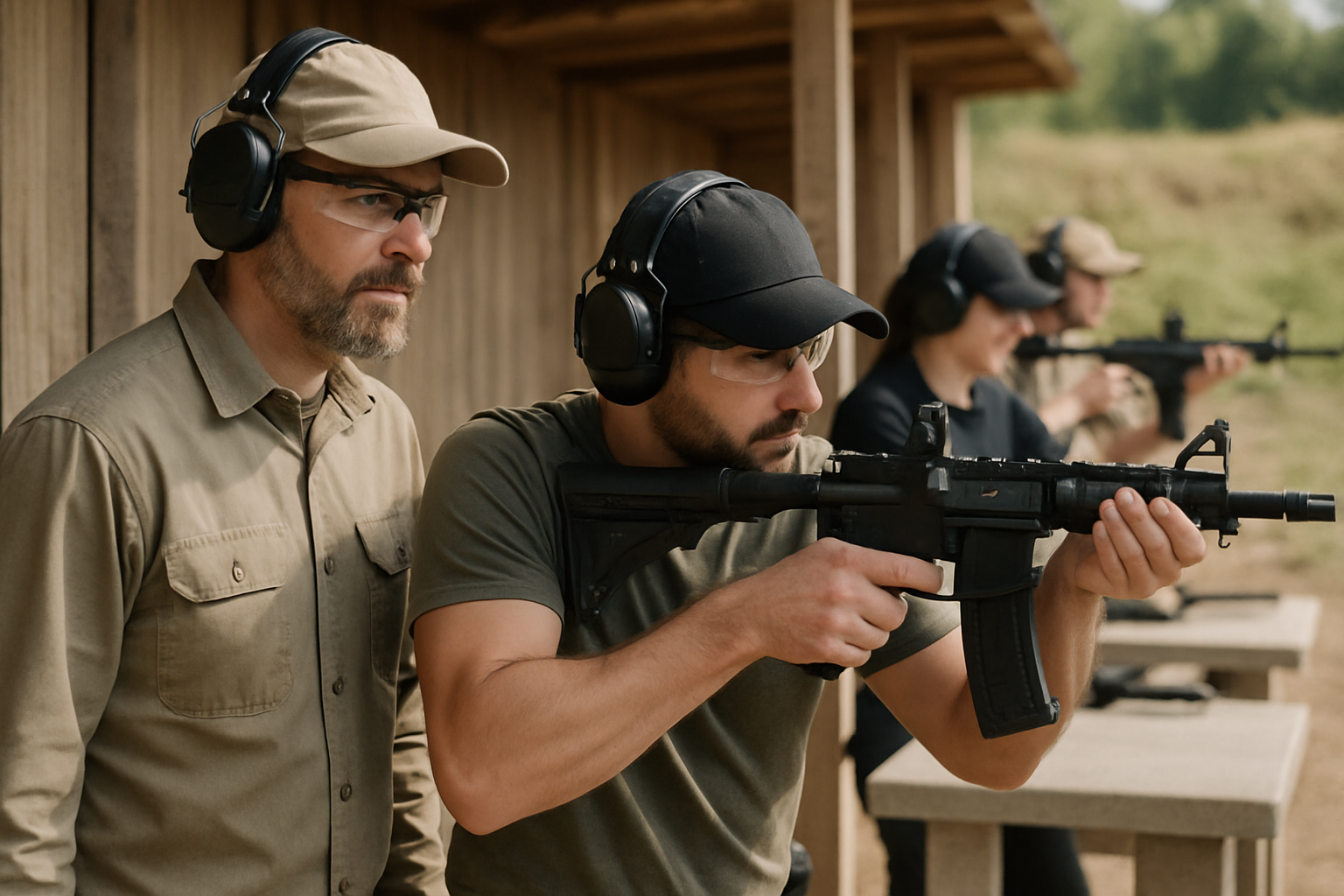
Our tactical program helps students understand how things like movement, decision-making, defensive awareness, and firearm handling in emergency situations. We help students find greater confidence, cultivate defensive readiness, and improve firearm proficiency with a structured approach.
One of the major differences between civilian tactical instruction and traditional range shooting is the advanced firearm handling skills they use. Rather than standing in one position shooting at a stationary target, tactical program students work on a wide range of firearms skills. This includes working from concealment, reloading under pressure, moving between positions, and engaging threats with a non-traditional shooting stance. This includes learning how to take shots from kneeling and prone positions, as well as moving around barriers while changing positions.
We also spend time working on how to adapt to high-pressure situations. Students learn how to stay cool while dealing with things like a firearm malfunction, clearing a jam, and low-light exercises. Practicing movement and firearm handling in this way helps our tactical students develop better control when things go wrong.
A lot of civilian tactical programs also work on basic close-quarters battle concepts (CQB). This type of training teaches students how to move safely through confined environments while reading everything going on in the area.
This includes understanding angles, identifying potential visual blind spots, moving around corners, and recognizing potential threats inside structures. Our instructors focus on awareness, preparation, and sound decision-making to prevent reckless behavior.
Tactical training also recognizes how most defensive situations start at a distance. We help students learn how to spot potential threats before they become close encounters. Then practice situation management skills and defense strategies, as the potential problem comes closer.
The final sequence involves techniques to ensure weapon retention, navigate close-range encounters, and basic self-defense in physical confrontations. This type of close-quarters ground defense focuses on common environments like hallways, vehicles, and crowded areas.
Most civilian tactical programs also include force-on-force simulation exercises. This puts students into realistic defensive scenarios where they practice nonlethal training tools. They learn how to role-play with potential adversaries in circumstances where they have to make split-second decisions under pressure. This helps improve communication, awareness, reaction time, and judgment within legal regulations.
The best civilian tactical training programs also include some degree of casualty care and training. Students learn basic first aid, such as how to apply tourniquets, control severe bleeding, and stabilize someone in shock.
We believe tactical training works best when paired with responsible instruction, practical repetition, and safety-focused instruction. Our goal is to help students build confidence, defensive situational awareness, and strengthen practical decision-making through realistic scenarios.
If you want to improve your defensive preparedness, polish your firearm skills, or build confidence in emergency situations, contact C2 Tactical today to learn more about our civilian tactical training programs.