 Why Transition Drills Are Worth Your Time
In a perfect world, your rifle never runs dry, and nothing ever jams. But real-world situations are messy. Whether you’re in a competitive match, a defensive scenario, or a training environment, knowing how to switch from long gun to sidearm quickly could be the difference between reacting in time and falling behind.
C2 Tactical near Gilbert teaches these transition drills not just to look cool, but to give you real confidence when Plan A falls apart.
When and Why You’d Switch Weapons
Most transitions happen for one of two reasons. Either your rifle stops working, or the situation suddenly calls for something smaller and more maneuverable. Maybe you’re in tight quarters. Maybe you ran out of ammo. Maybe there’s no time to reload. Learning when to switch is just as important as learning how.
Smooth Movements Start With Good Sling Work
A sling is more than just a strap. It’s your control point when switching from rifle to handgun. Without proper sling setup and body mechanics, your rifle can get in the way, block your draw, or slow you down.
In transition training at C2 Tactical, you’ll work on:
- Proper rifle placement when going hands-free
- Sling tension and length for fast movement
- Securing your rifle without fumbling
It all comes down to keeping the rifle controlled while drawing the pistol cleanly. Small adjustments make a big difference.
Drawing Your Handgun With Confidence
Once your rifle is out of play, your handgun needs to be ready right now. That means your draw has to be consistent, your grip needs to lock in fast, and your first shot needs to count.
Transition drills at the range help you:
- Clear your cover garment or plate carrier smoothly
- Establish your grip before the muzzle clears the holster
- Fire controlled, accurate rounds under pressure
It’s about speed and efficiency. The fastest draw is the one that doesn’t waste motion.
Building Muscle Memory With Reps and Pressure
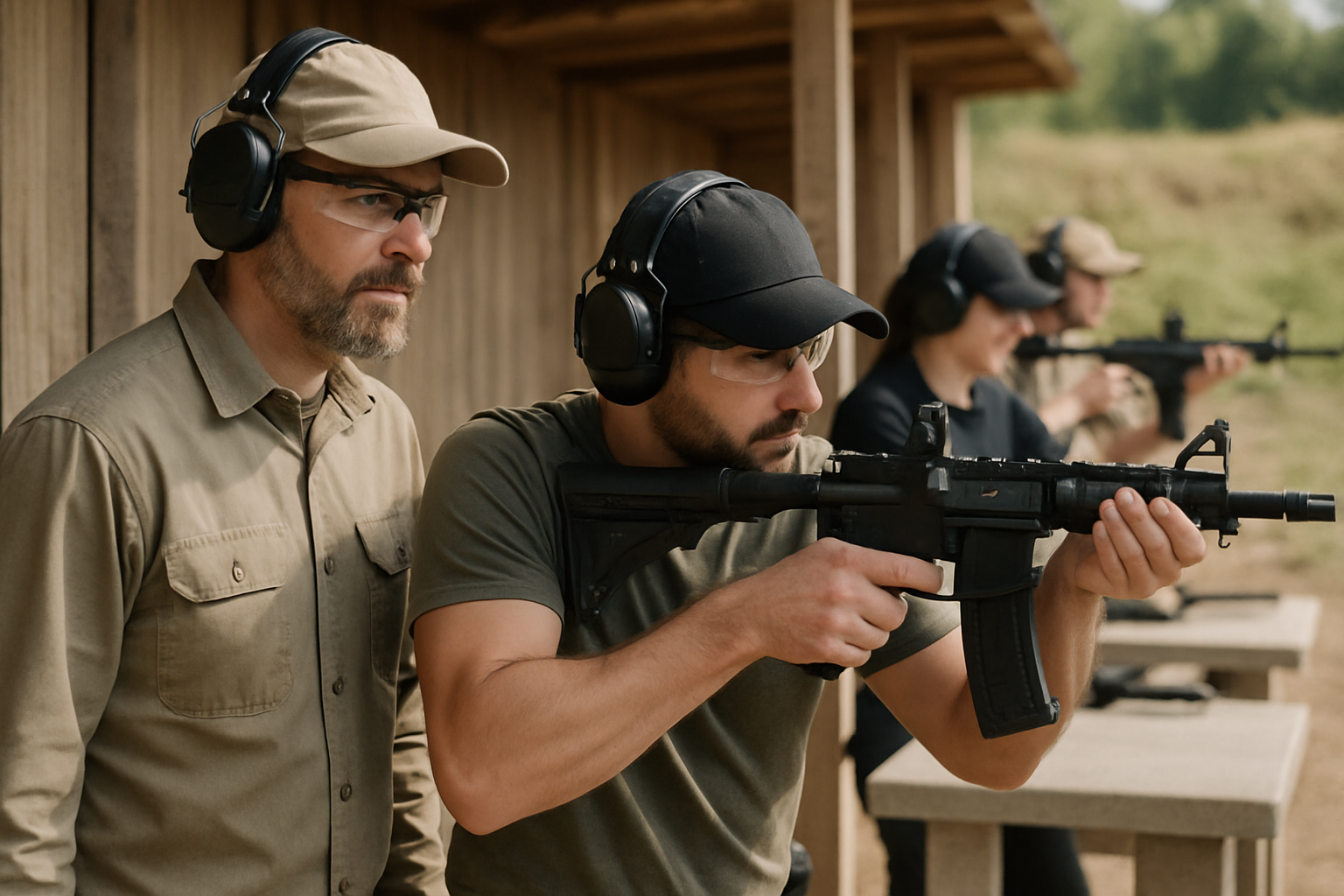
Transitions only feel smooth after repetition. C2 Tactical gives you the time, coaching, and safe environment to run the drill again and again. You’ll practice under different conditions: static lanes, timed sets, and moving targets.
By the end, the movements stop feeling clunky. They start feeling natural. That’s muscle memory kicking in, and it stays with you long after the session ends.
Learn to Adapt Fast
At C2 Tactical of Tempe, transition training is about more than just speed. It’s about staying calm under pressure, fixing failures without freezing, and knowing how to flow from one weapon to the next without hesitation.
Whether you’re training for defense, sport, or skill-building, this drill belongs in your toolbox.