Pinch a key. Open a jar lid. Turn a doorknob. If the base of your thumb aches doing those, basal joint arthritis is a likely culprit.
It's one of the most common spots for arthritis in the hand. The joint at the base of the thumb takes a beating over a lifetime of pinching and gripping.
Why The Thumb Base Wears Out
That joint is built for a huge range of motion, which is what lets your thumb do so much. The trade-off is stability. Over the years the cartilage wears thin, the joint gets loose, and bone starts rubbing bone.
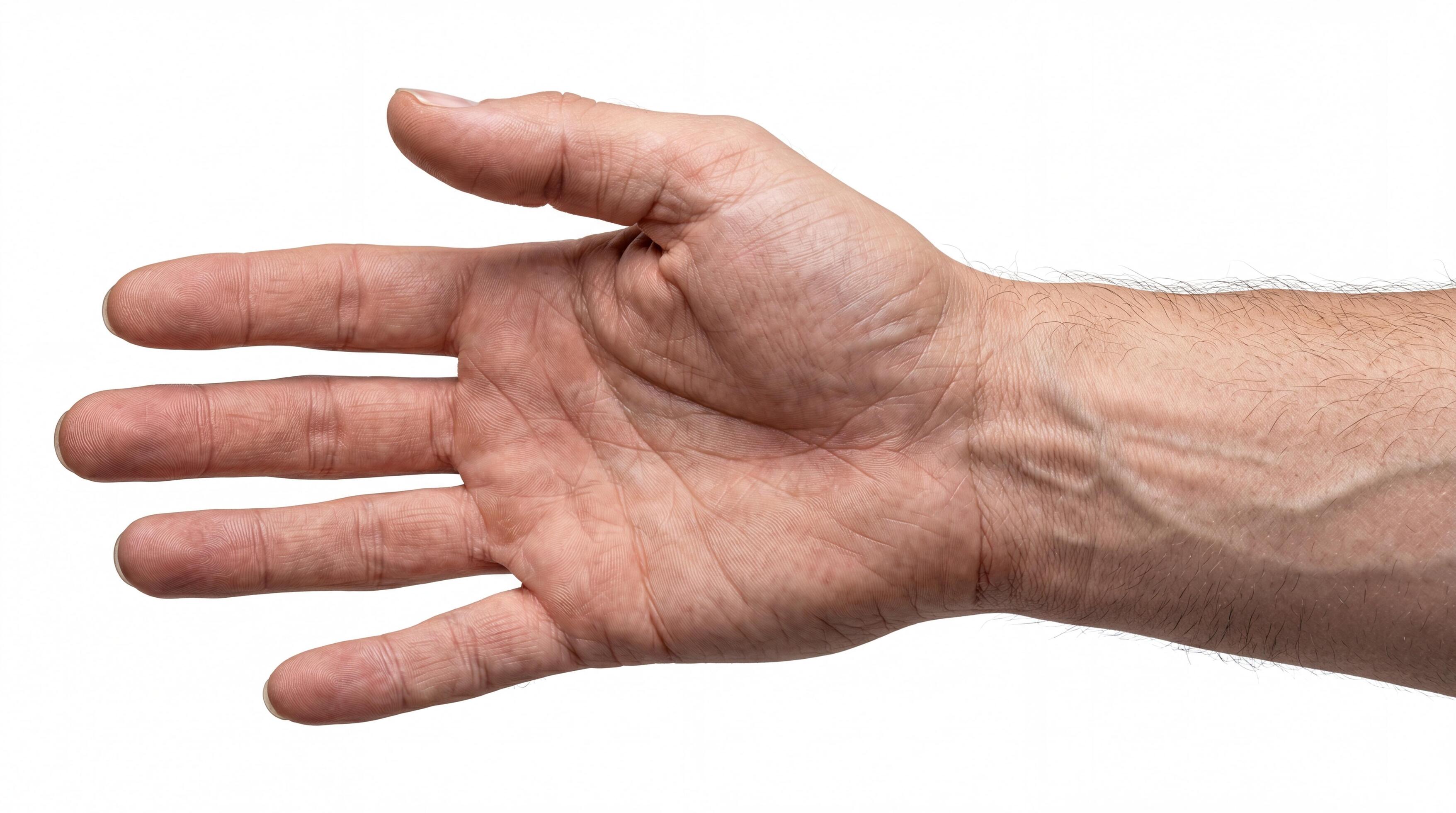
You feel it most when you pinch or grip. Some people notice a bump forming at the base of the thumb, or the thumb starting to sit at an odd angle.
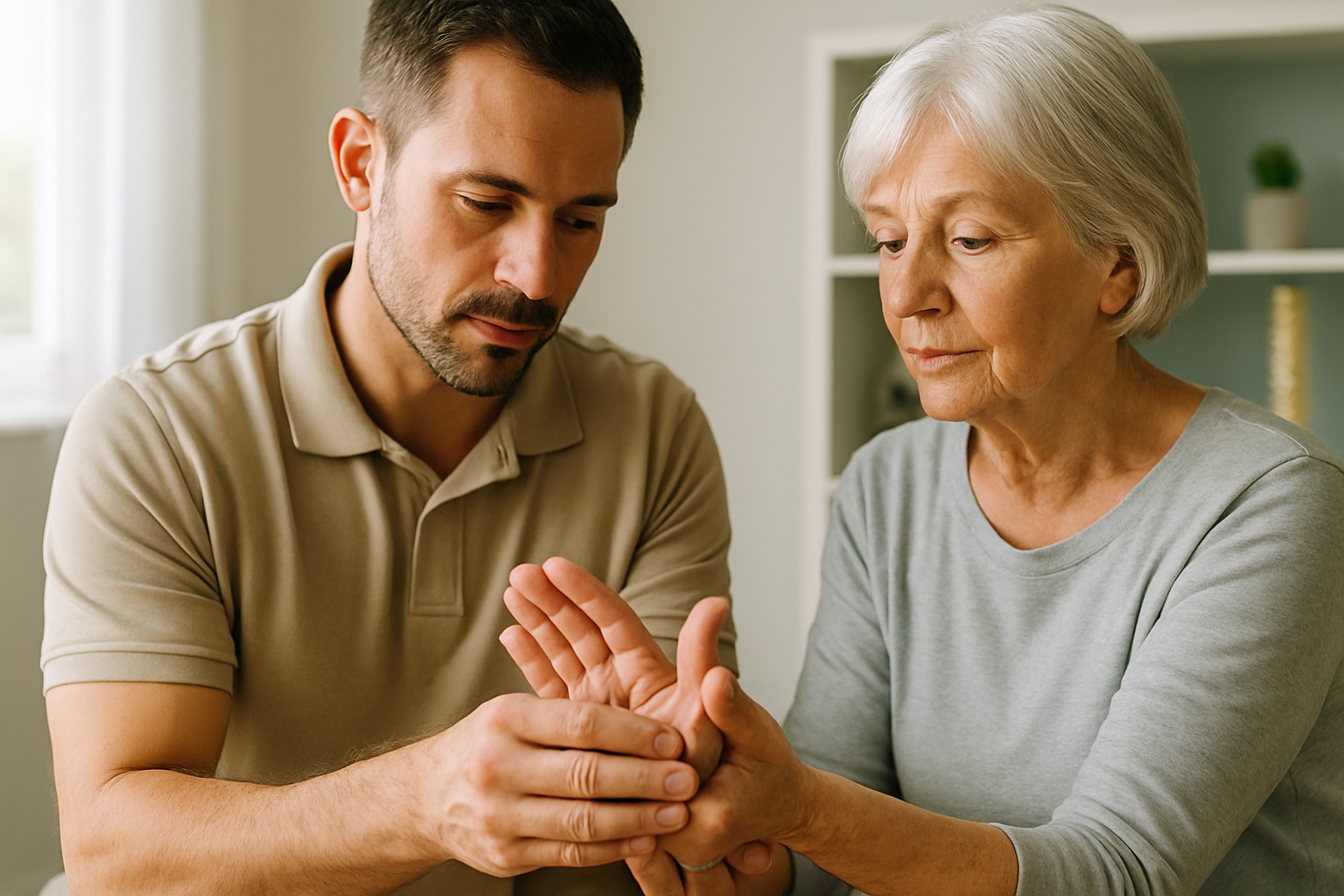
How Therapy Helps Without Surgery
We can't regrow cartilage. What we can do is take load off the joint and build support around it so it hurts less and works better.
- A supportive splint that rests the joint during painful tasks
- Joint protection habits so daily activities stop grinding it down
- Strengthening for the muscles that stabilize the thumb
- Gentle motion work to keep the joint from getting stiff
- Tips on tools and grips that spare the thumb
Joint protection is the part people underrate. Small changes in how you hold a pen, open a jar, or carry a bag add up over a day. We teach you those so the joint isn't fighting you constantly.
The Tools That Make Daily Life Easier
A lot of relief comes from swapping how you do ordinary things. A jar opener that grips the lid for you. Fatter pen barrels that don't force a tight pinch. Key turners that give you leverage. Bags carried on your forearm instead of pinched in your fingers. None of it is fancy, but these small switches take a real bite out of the daily wear on that joint, and people are often surprised how much better the thumb feels once they stop grinding it down all day.
What To Expect
Therapy won't make the arthritis disappear. It manages it. Most people get meaningful pain relief and hold onto function for a long time with the right splint, exercises, and habit changes.
If the joint is far gone, there are surgical options, and we'll be straight with you about that. But plenty of people do well without ever getting there.
The Night Splint Question
A lot of folks wonder about wearing a splint to bed. For some, a nighttime splint calms the morning pain and stiffness. For others, daytime support during heavy tasks matters more. We fit it to how your thumb behaves.
Thumb pain that shows up every time you pinch or grip is worth addressing before it limits you more. Schedule with Modern Medicine of Surprise, AZ today and we'll build a plan around your thumb.