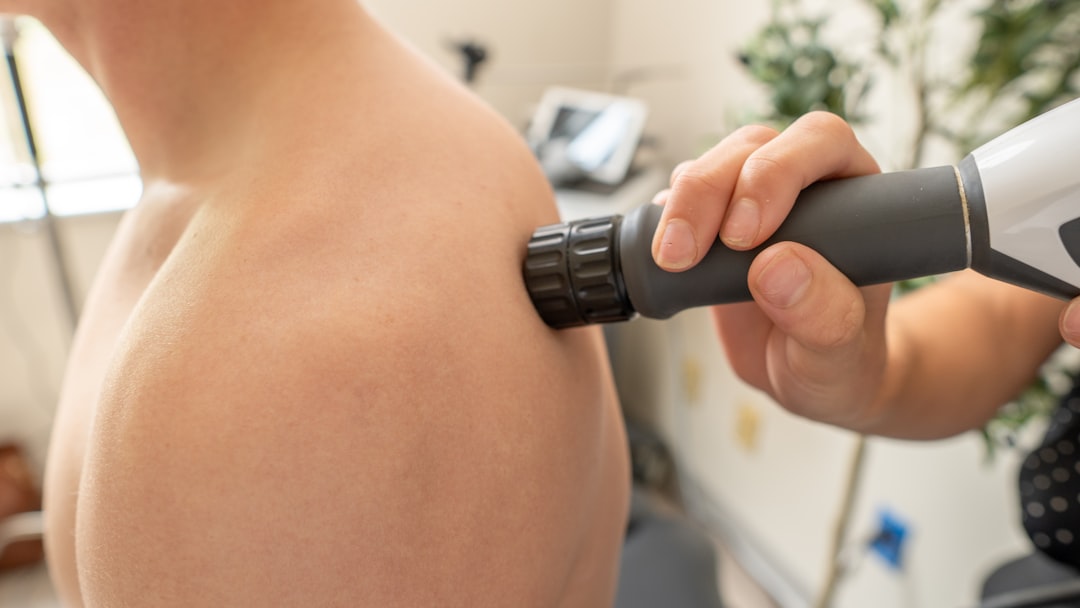
 Why Shoulders Can Lose Their Range
The shoulder trades stability for movement. That huge range is what makes it useful, and also what leaves it prone to stiffening when something goes wrong. The common reasons for mobility slips:
- Frozen shoulder, where the joint capsule tightens and locks down
- Rotator cuff problems that make the joint guard and stiffen
- Arthritis wears on the joint surface over time
- Old injuries that healed but left the shoulder tight
- Tight muscles and tissue around the joint from underuse
- Poor posture, pulling the shoulder out of good position
The reason behind it shapes the treatment. A frozen shoulder needs a different approach than one stiff from a healing rotator cuff, which is why sorting out the cause comes first.
Natural Treatments That Restore Mobility
Getting shoulder range back doesn't usually require surgery. A handful of non-surgical treatments, used together, do the job for most people. What the work typically involves:
- Hands-on joint mobilization to free up a stiff, restricted shoulder
- Targeted stretching to lengthen the tight tissue limiting motion
- Strengthening the rotator cuff and shoulder blade muscles
- Range-of-motion exercises that gradually expand how far you move
- Posture work, since the upper back and neck affect the shoulder
- Soft tissue treatment to release tightness around the joint
The combination is what matters. Stretching alone won't fix a shoulder if the muscles steering it are weak. Strengthening alone won't help if the joint itself is stiff and stuck. The right plan addresses both the mobility and the strength holding it back, and it builds gradually so the gains actually stick.
A big part is consistency in the small daily work. Shoulder mobility comes back through regular, steady effort, not occasional hard pushes. The exercises between sessions move the needle as much as the sessions themselves.
Why the Natural Route Works for Most Shoulders
Surgery has its place for shoulders, but it's the far end of the line, not the starting point. Most mobility problems come from tightness, weakness, and stiffness, all of which respond to the right conservative work. There's no joint surface to repair in those cases, just range to restore and strength to rebuild, and hands-on treatment does that well.
There's also a timing advantage. A shoulder treated early, before it stiffens severely, comes back faster and more fully. Frozen shoulder especially has a window, where early treatment shortens what can otherwise turn into a year-long ordeal. Starting conservative care sooner keeps the easier options open and often makes surgery unnecessary entirely.
Even in cases where surgery eventually proves necessary, the rehab work isn't wasted. A stronger, more mobile shoulder heading into a procedure tends to recover better afterward. There's little downside to trying the natural route first when the shoulder allows for it.
Get the Shoulder Looked At Early
A stiff shoulder rarely fixes itself, and the longer it stays locked up, the harder the road back. If your range has been slipping or the joint catches on everyday reaches, that's worth checking before it settles in for good.
Modern Medicine of Surprise, AZ, evaluates shoulder mobility problems and builds non-surgical plans to restore movement. Call today to schedule an evaluation and have your shoulder assessed.