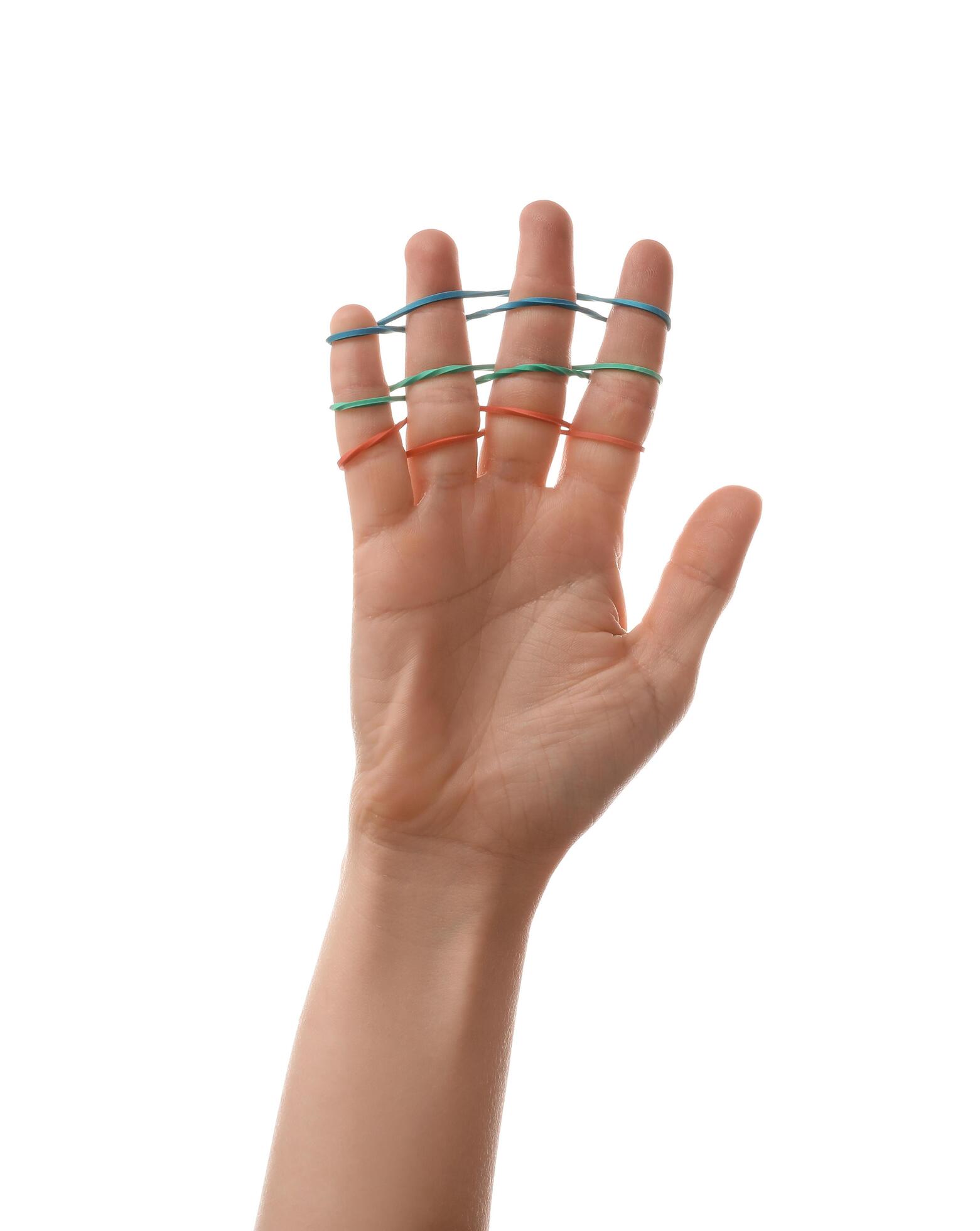
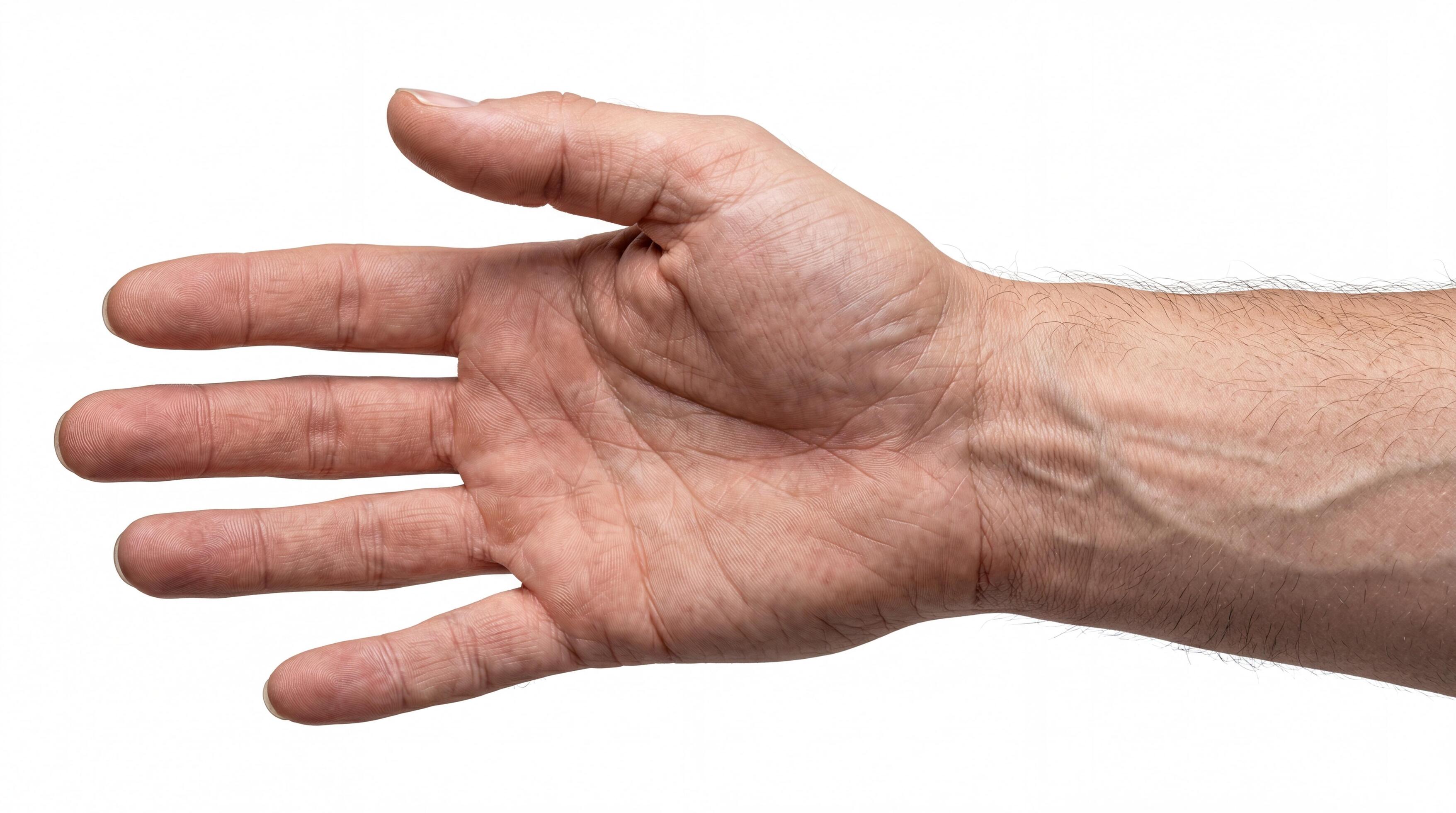
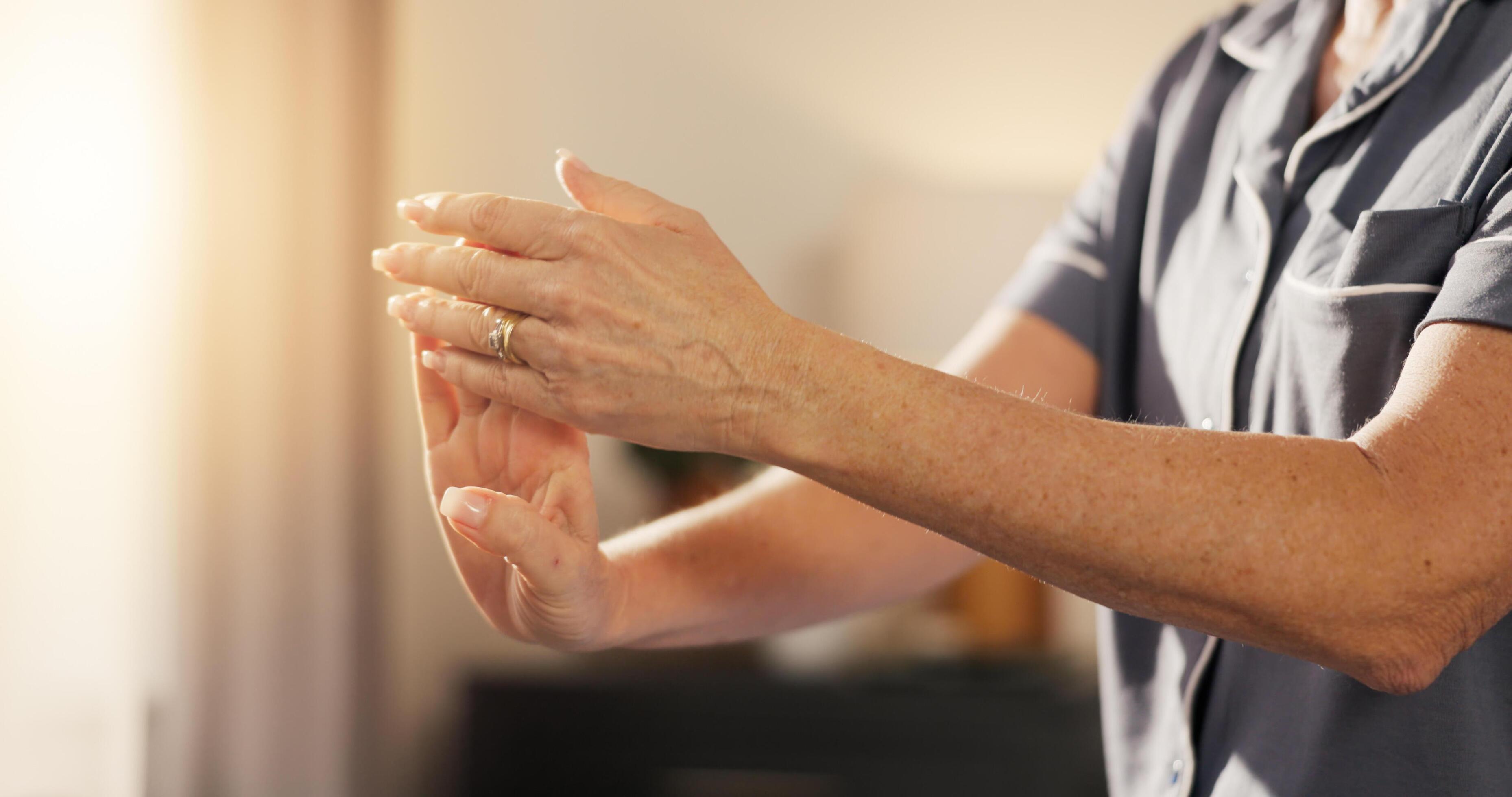
It starts small. A firm little lump in the palm, usually near the base of the ring or pinky finger. Easy to ignore at first. Then over months or years, a cord forms under the skin and slowly pulls the finger down toward the palm.
One day you go to lay your hand flat on a table and it won't go.
If a finger has started curling in on you, a certified hand therapist can help you manage it and hold onto function.
What Dupuytren's Really Is
The tissue just under the skin of your palm thickens and tightens. It forms cords that tug the fingers into a bent position. Doctors call it Dupuytren's contracture. It runs in families, shows up more in men, and tends to arrive after middle age.
It's usually not painful. The problem is the loss of motion. A hand that won't open flat makes shaking hands, wearing gloves, and reaching into a pocket harder than they should be.
Where Hand Therapy Fits In
Therapy doesn't erase the cords. But it plays a real role, especially around any procedure to release the contracture.
- Stretching and splinting to keep the fingers extended as long as possible
- Scar and wound care after a release procedure
- Range-of-motion work to regain what the contracture took
- Strengthening so the hand functions once it's straighter
- Splint wear at night to hold the gains you make
After a needle release or surgery, a certified hand therapist is a big part of getting a good result. The procedure opens the hand. Therapy keeps it open and working.
The Everyday Signs It's Getting Worse
Most people don't track this by the numbers. They notice it in small daily moments. Gloves stop fitting right. Washing your face, a finger digs into your eye. Reaching into a tight pocket snags. Clapping feels off. Those little frustrations are often the real clue that the contracture is progressing, more than any measurement. When they start piling up, it's worth getting the hand looked at.
Catching It Early Matters
The tabletop test is a simple check. Lay your hand flat on a table. If it won't lie flat, that's worth having evaluated. The earlier a contracture gets attention, the more options tend to be on the table.
Not every case needs a procedure right away, either. Some get watched. A hand therapist helps you track it and decide when to act.
Living With It Day To Day
Small adjustments help. Different grips, tool changes, and stretches keep you functional while you and your provider decide on next steps. You don't have to just watch your hand close up.
If a finger's been pulling toward your palm and you're around El Mirage, get it checked before it tightens further. Call Modern Medicine of Surprise, AZ and we'll look at where your hand stands.