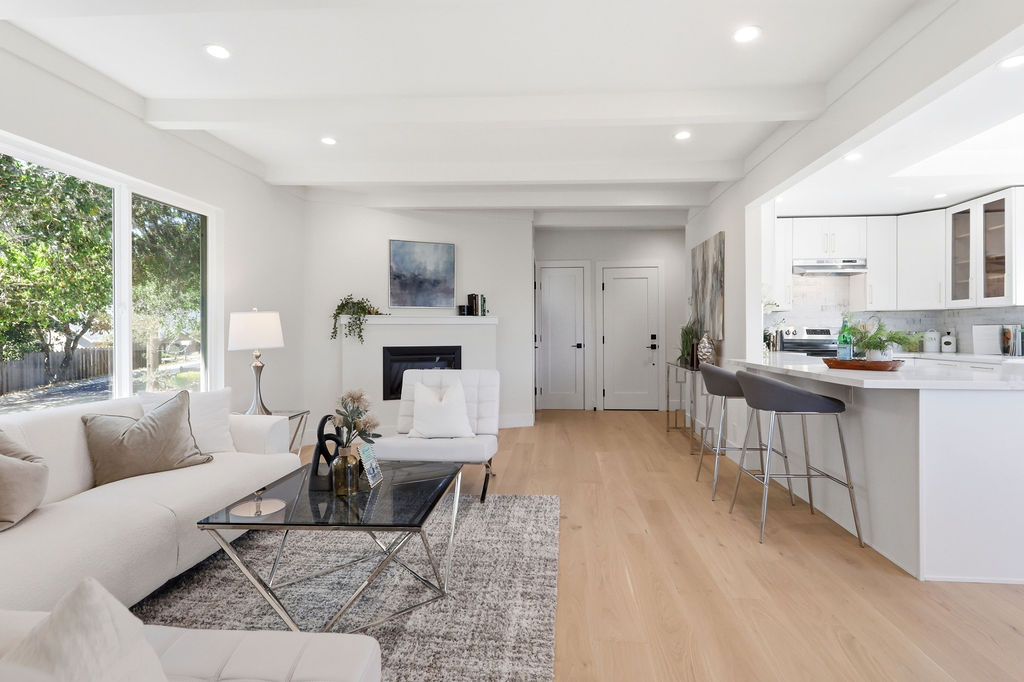
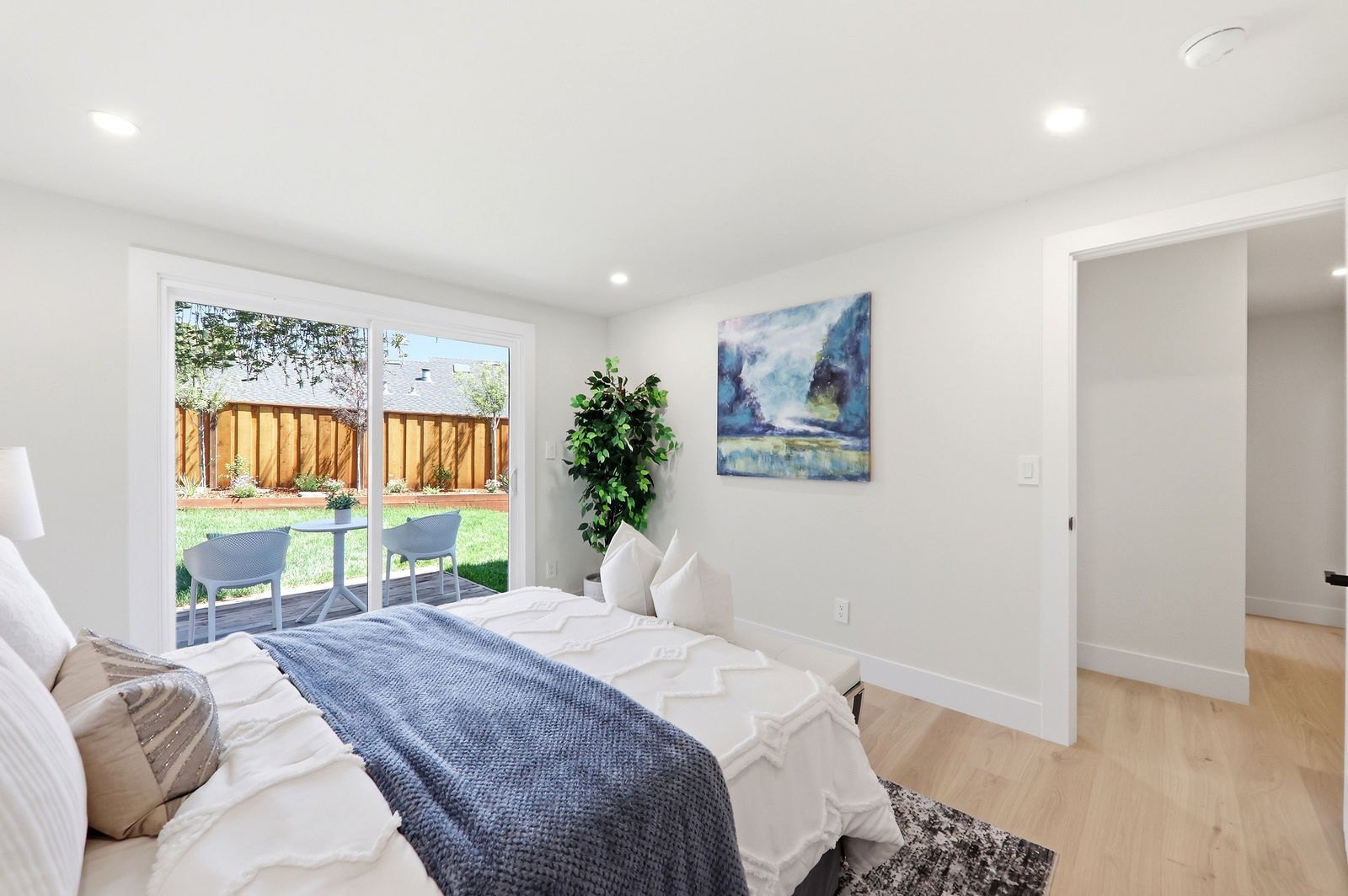
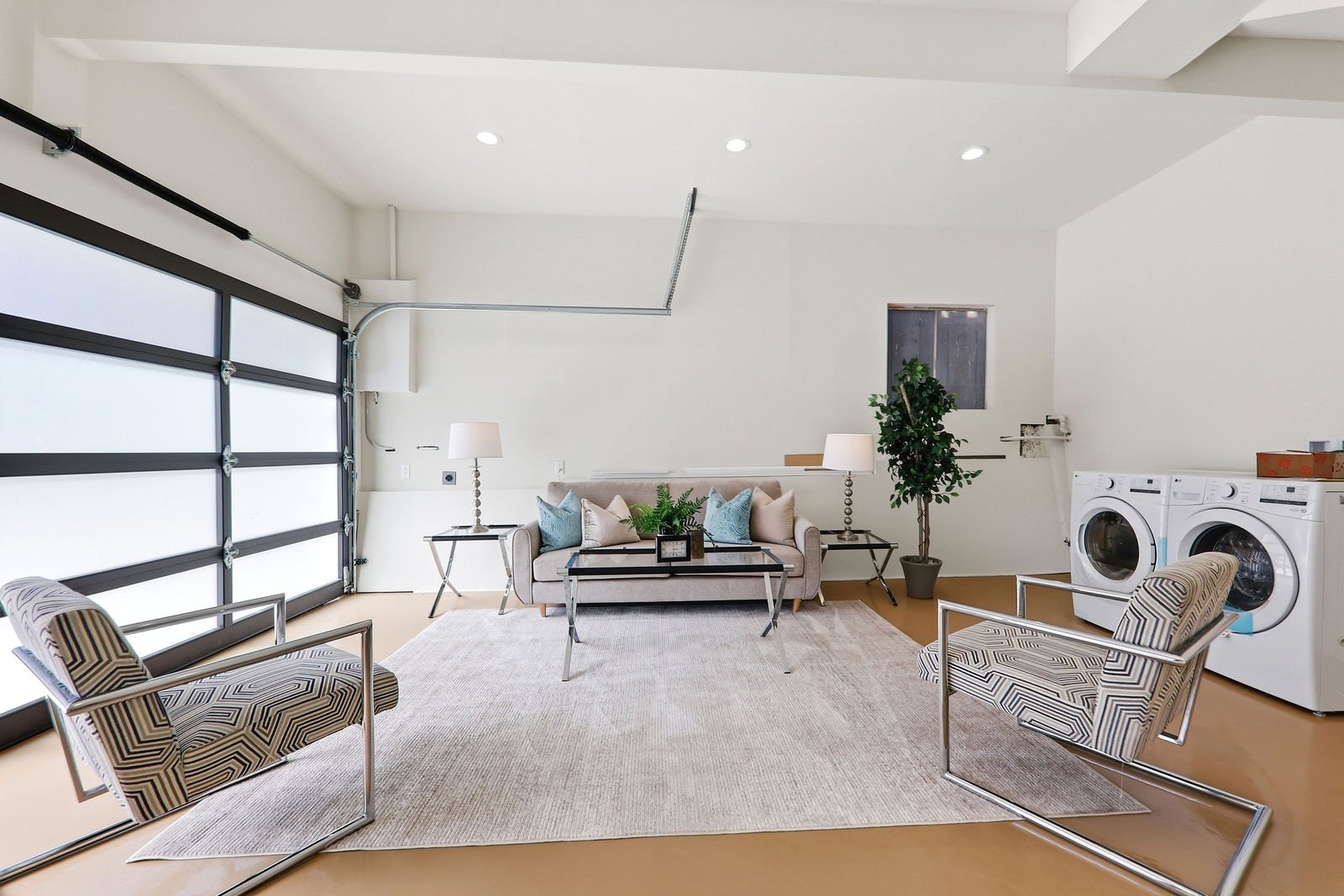
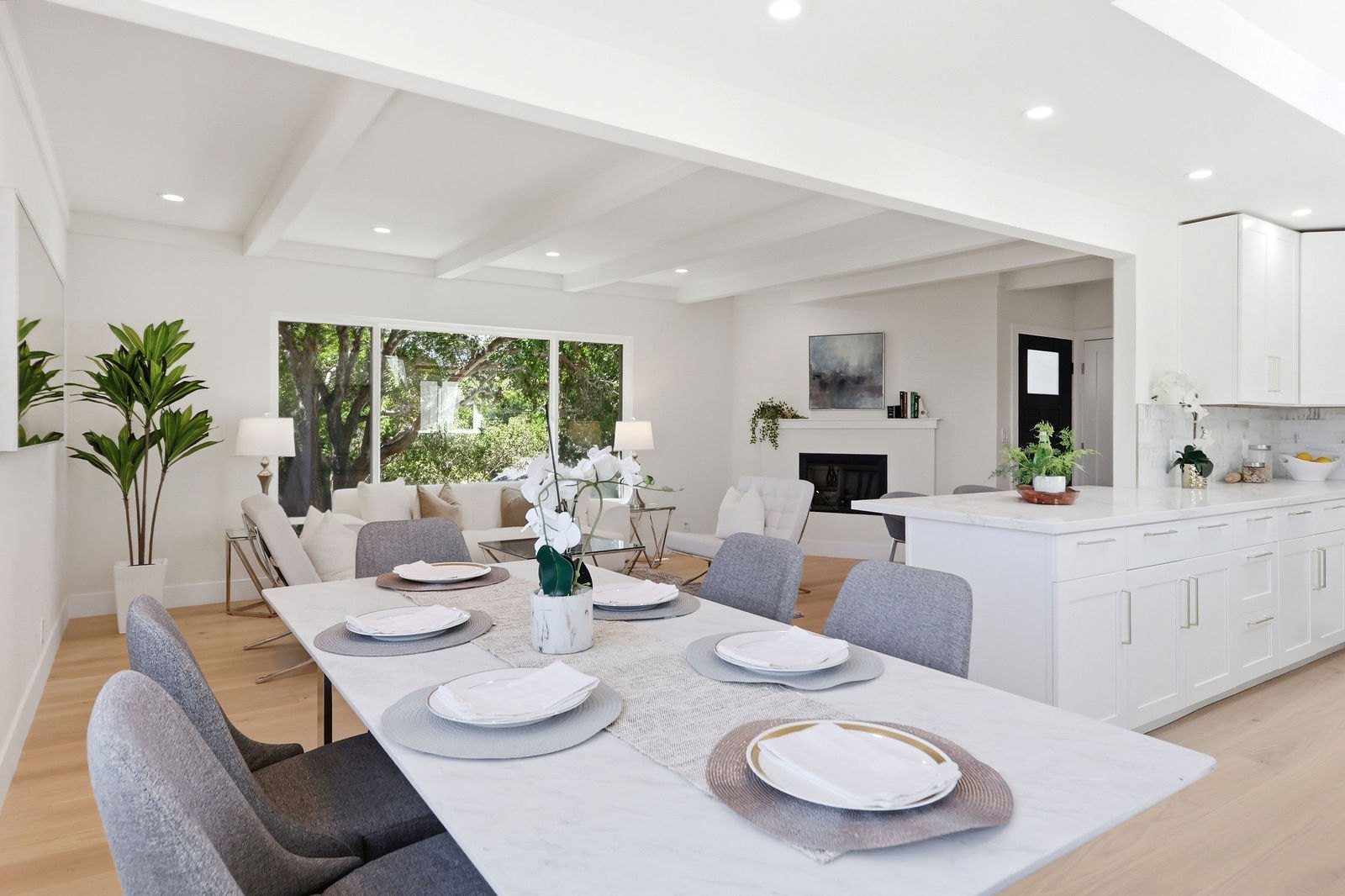
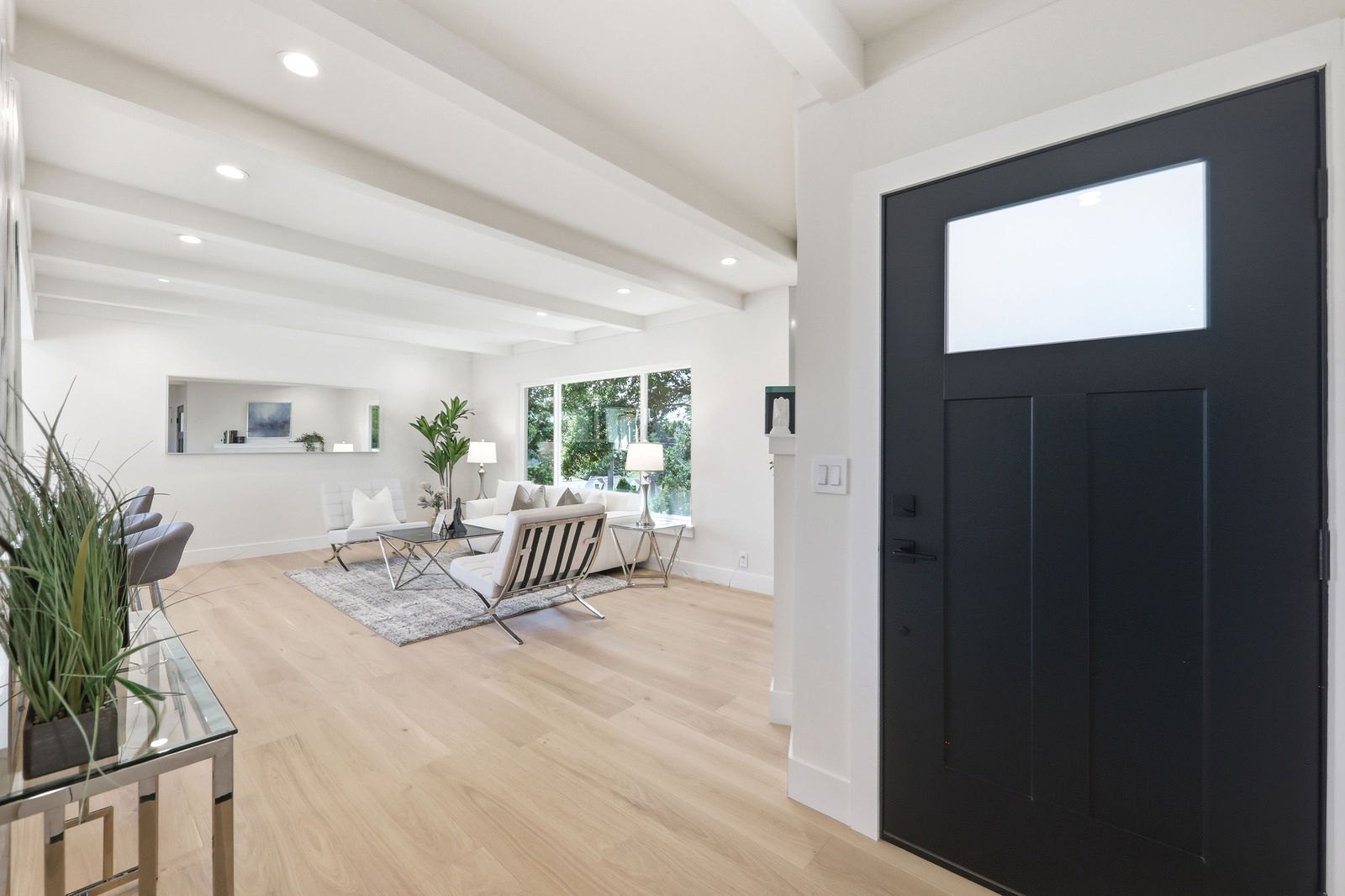
For many San Francisco sellers, the cost of preparing a property arrives at an already expensive time. Repairs, cleaning, photography, moving, and carrying costs add up quickly. Virtual home staging offers one way to improve listing photos without physically furnishing every room. It digitally places furniture, artwork, rugs, and accessories into images of vacant or lightly furnished spaces.
At Let’s Stage It, we understand why buyers need visual context. Empty rooms may look smaller online, and buyers can struggle to understand how furniture will fit. When sellers compare staging options, it helps to know where virtual staging saves money and where physical staging still delivers an advantage.
No Furniture Delivery or Monthly Rental Fees
Traditional vacant staging requires furniture selection, transportation, installation, and removal. Sellers may also pay rental charges while the home remains listed. Virtual staging avoids those physical expenses because the furnishings exist only in the listing photographs.
This makes it possible to create a polished online presentation without moving sofas, beds, dining tables, and accessories into the property. For sellers working with a limited preparation budget, eliminating delivery and rental costs may leave more money available for cleaning, repairs, photography, or other listing priorities.
Sellers Can Focus on Important Rooms
Not every room needs a digitally staged image. Sellers may choose a few spaces buyers care about most, such as the living room, primary bedroom, dining area, or home office. This focused approach keeps costs under control while still showing scale and possible room use.
A vacant bonus room, for example, may appear confusing in an ordinary photograph. Virtual staging can present it as an office, guest room, or reading area. Buyers gain a clearer idea of how the space might support their lifestyle without requiring a full-home furniture installation.
Design Changes Are Easier to Make
Physical staging changes require labor. Furniture must be moved, replaced, or rearranged before new photographs are taken. With virtual staging, designers can digitally revise furniture styles, layouts, or accessories.
This flexibility allows sellers and agents to choose a presentation suited to the home’s architecture and target buyer. It may also reduce the cost of correcting a design choice after the first draft. However, the final images should remain realistic and should never hide permanent defects or misrepresent the property.
Virtual Staging Strengthens Online Marketing
Most buyers begin their search online. Virtual staging helps empty rooms look warmer and more understandable in listing photos, which may encourage buyers to pause, view additional images, and schedule a showing.
Still, virtual staging only improves the photographs. When buyers visit, the rooms will remain empty unless physical staging has also been completed. Digitally staged images should be identified clearly so buyers understand what they are viewing. Honest presentation protects trust and prevents disappointment during tours.
Choose the Right Level of Staging
Virtual staging is not automatically the best choice for every property. Physical staging creates an in-person experience, while virtual staging focuses on digital presentation. Some sellers may benefit from staging key rooms physically and using a lighter approach in other rooms.
Let’s Stage It provides consultations, vacant property staging, furniture rental, redesign services, and professional guidance throughout the San Francisco Peninsula. We help sellers evaluate their home, priorities, and budget before choosing a plan.
If you are preparing a San Francisco property for market, contact Let’s Stage It for a complimentary quote. We will help you build a cost-conscious staging strategy designed to improve presentation and support a confident launch.