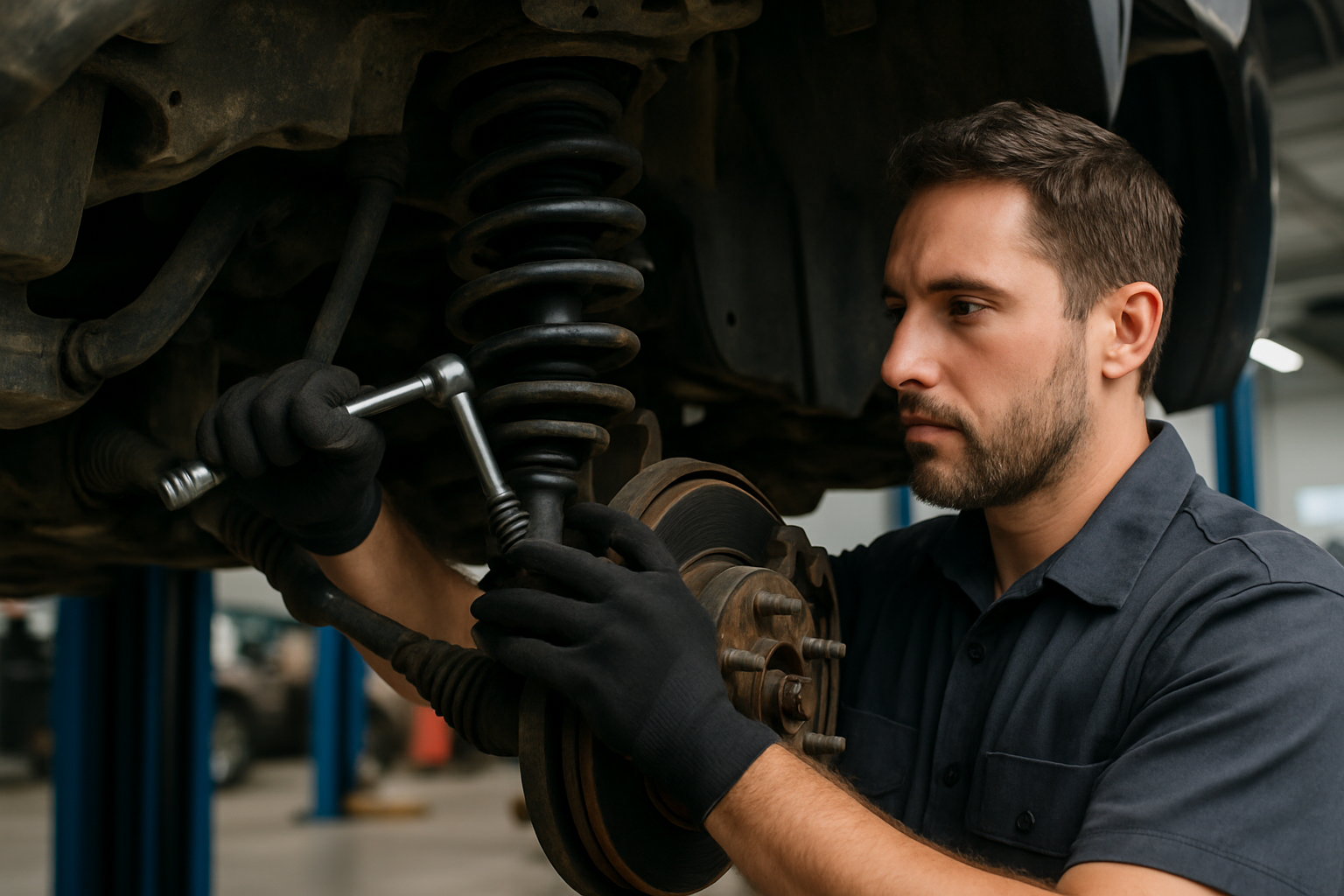
If your 2016 Toyota 4Runner has started clunking over bumps, bouncing more than usual, pulling to one side, or wearing tires unevenly, the suspension deserves an inspection. Suspension problems often develop gradually, so the vehicle may still feel drivable while worn parts continue affecting control and tire life.
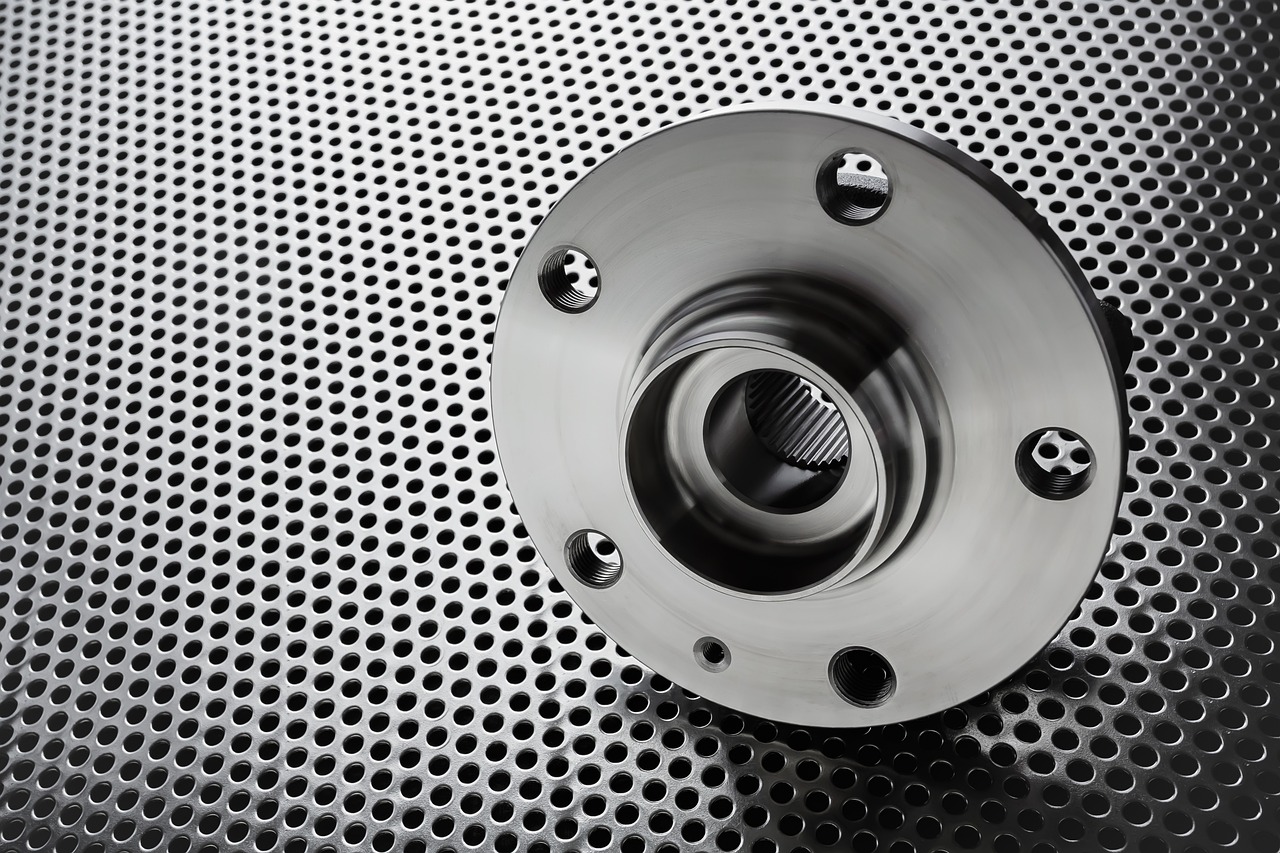
At Driven Auto Care of Fremont, CA, we serve Warm Springs drivers from our Fremont shop. Our suspension services include diagnosis, shock replacement, ball joint replacement, tie rod replacement, wheel bearing replacement, and wheel alignment.
Clunks Can Point to Worn Joints
A clunk from the front end over bumps or during turns may come from worn ball joints, bushings, steering links, or another loose component. Toyota’s 2016 4Runner maintenance guide calls for inspecting suspension and steering linkage ball joints for looseness and damage and checking dust covers for deterioration.
We inspect for play, torn boots, damaged rubber, and loose connections before recommending replacement. One noise may have several causes, so replacing parts based on a single noise alone is not a reliable diagnosis.
Excess Bouncing May Mean Worn Shocks
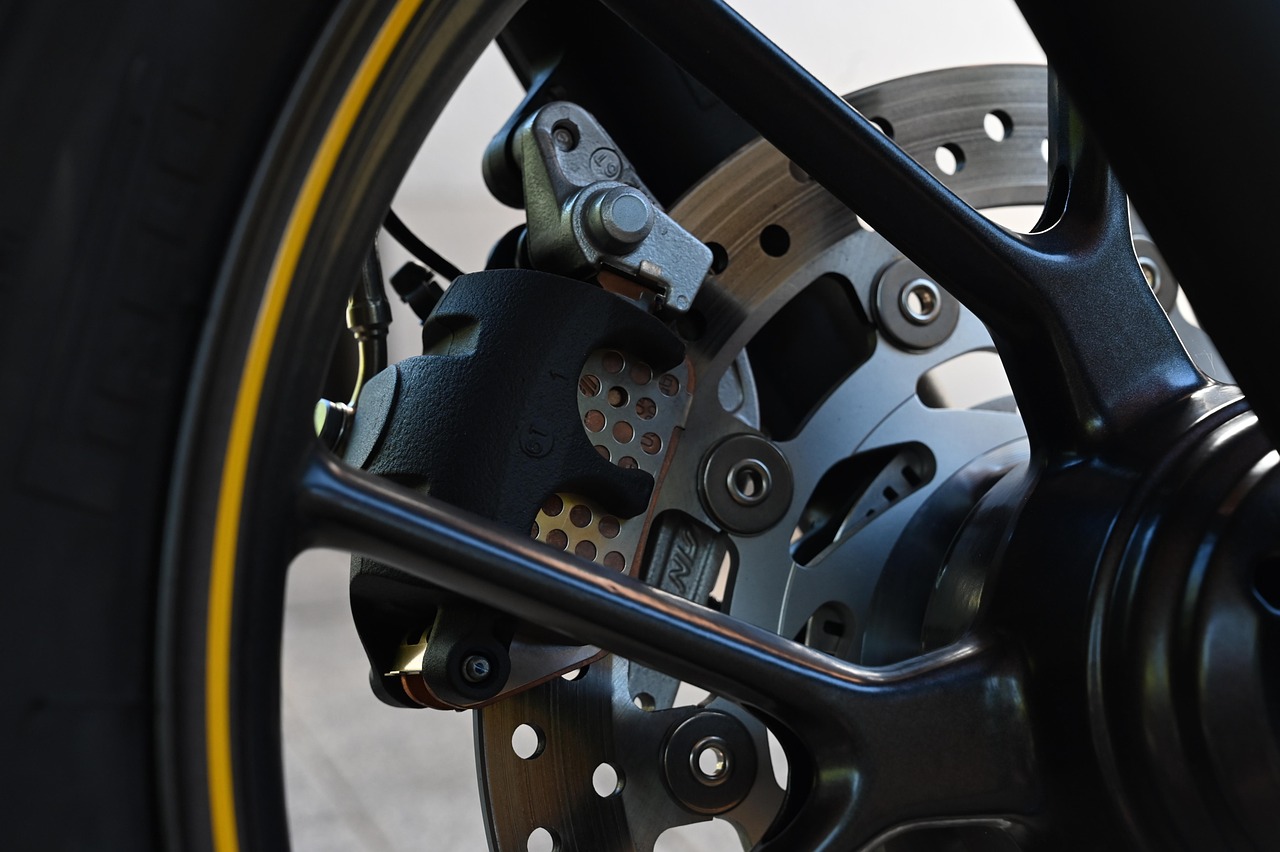
Shocks control how quickly the body settles after the tires hit a bump. As they wear, the 4Runner may bounce longer, feel floaty on uneven pavement, nose-dive more during braking, or roll more in turns.
Driven Auto Care notes worn shocks may affect tire contact and handling. We road-test the vehicle and inspect it for leaks, damage, and reduced control before deciding whether replacement is needed.
Uneven Tire Wear Can Reveal Suspension Trouble
Uneven tread wear is not always an alignment problem. Worn ball joints, tie rods, bushings, wheel bearings, or other loose components may allow wheel angles to change while driving.
Toyota also calls for additional suspension and steering inspections under certain operating conditions, including on dirt roads or dusty roads. If your 4Runner spends time on rough roads, trails, or uneven pavement, those components deserve closer attention.
Pulling or Wandering Needs More Than Alignment
If your 4Runner pulls, wanders, or feels vague on the highway, an alignment may be part of the solution, but we first check the parts responsible for holding alignment.
A worn tie rod or ball joint can allow movement after the wheels are adjusted. Our suspension process includes checking tire wear, steering links, joints, bushings, shocks, and other front-end components before recommending repairs.
Steering Play Can Become a Safety Concern
Excess steering play, delayed response, or a front-end shimmy may indicate wear in steering or suspension parts. These symptoms deserve attention, especially if they are getting worse.
We inspect tie rods, ball joints, wheel bearings, steering components, and related hardware. If a loose part is found, we explain the wear and whether it needs immediate repair or continued monitoring.
Suspension Repairs Should Follow the Inspection
Suspension repair is not one standard job. One 4Runner may need shocks, while another may need a ball joint, tie rod, wheel bearing, bushing, or alignment after worn parts are corrected.
Driven Auto Care of Fremont, CA begins with a road test and a physical inspection to ensure the repair matches the actual problem. We look for looseness, leaks, damaged rubber, uneven tire wear, and other signs, rather than replacing parts in the dark.
Schedule Toyota Suspension Service Near Warm Springs
Driven Auto Care of Fremont, CA provides suspension diagnosis and repair from our Fremont location and serves Fremont, Warm Springs, Milpitas, Sunol, and surrounding East Bay communities.
If your 2016 Toyota 4Runner clunks, bounces, pulls, wanders, or wears tires unevenly, schedule an inspection. We will identify the worn component first, explain what we find, and recommend only the suspension repair your 4Runner needs.