If your 2017 Honda Accord needs oil added well before the next scheduled service, the engine deserves more than another top-off. Rapid oil loss may result from an external leak, a crankcase ventilation problem, or internal oil consumption. The first step is to measure how quickly the level drops and determine where the oil is going.
At Driven Auto Care of Fremont, CA, we serve Warm Springs drivers from our Fremont shop. Our Honda services include oil leak diagnosis, engine repair, tune-ups, and computer diagnostics.
Start by Tracking the Oil Level
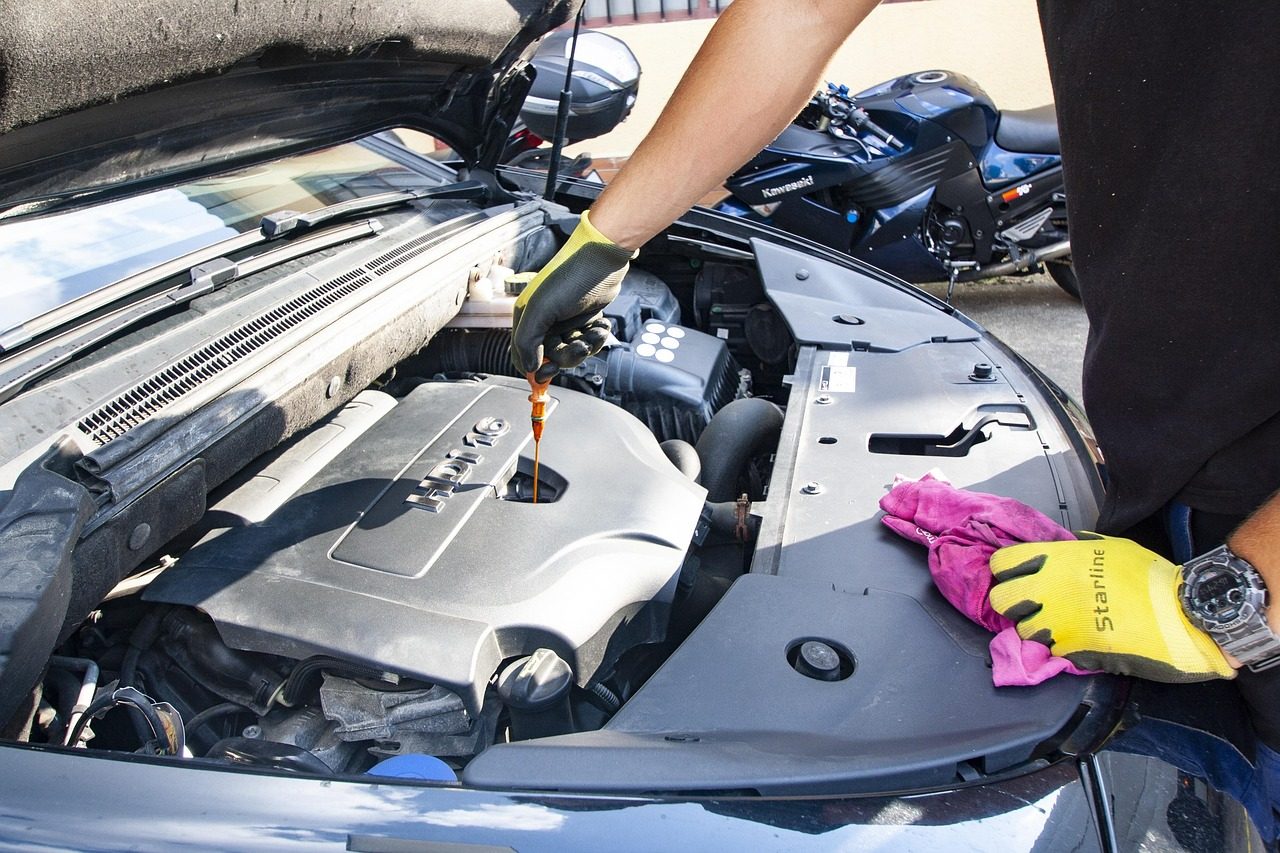
Honda’s 2017 Accord owner’s manual recommends checking the engine oil level every time you refuel. Park on level ground and wait about three minutes after shutting the engine off before checking the dipstick.
If the level keeps falling between services, note the mileage each time you add oil. A consistent record helps separate a one-time low reading from an ongoing problem.
Look for an External Leak First
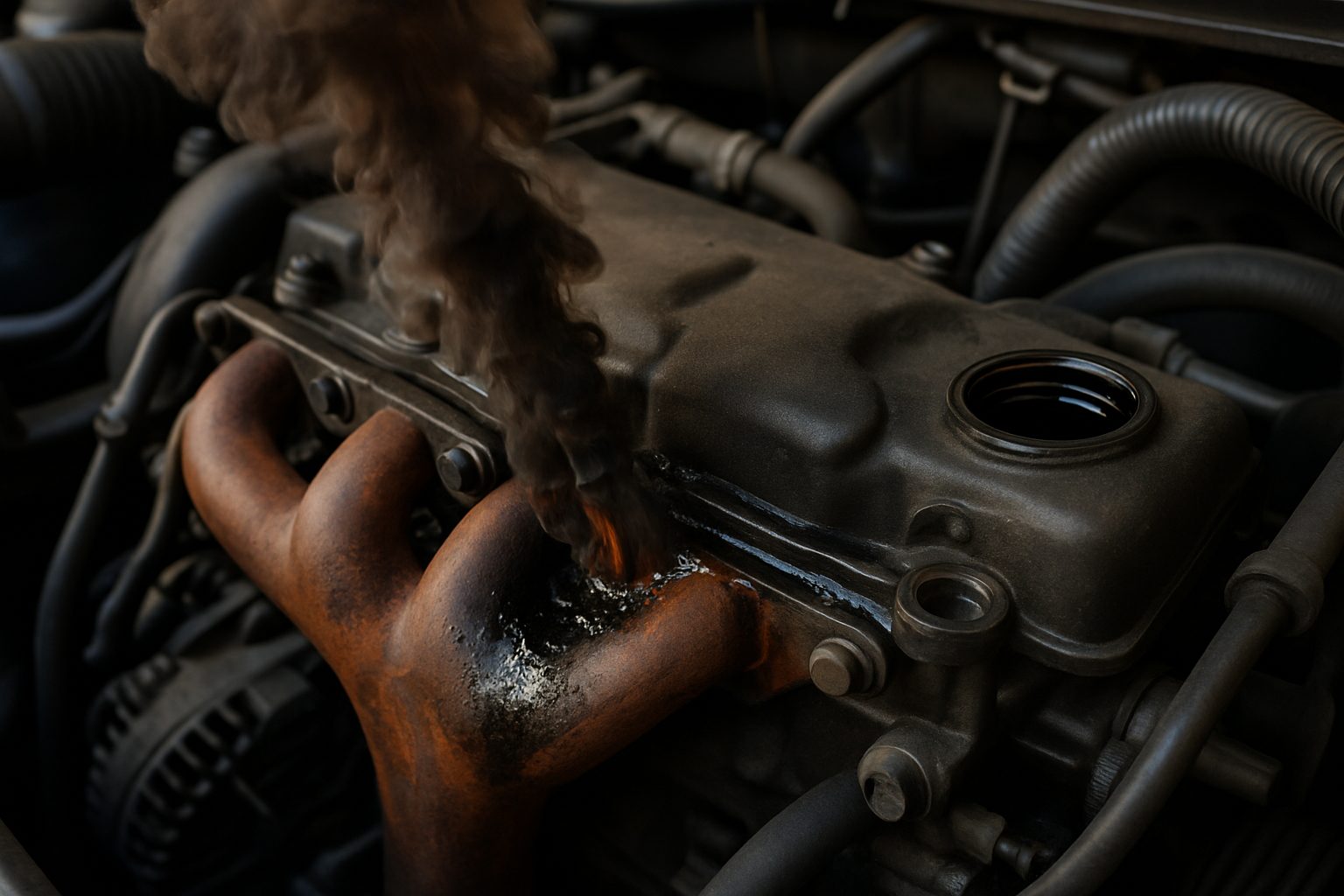
Oil leaving the engine does not always burn through the combustion chambers. Valve cover gaskets, oil pan seals, timing-cover areas, and other seals may leak slowly enough to lower the dipstick without leaving a large puddle.
Driven Auto Care notes that oil can spread across engine surfaces, making the source difficult to identify. We inspect for fresh seepage and trace the leak before recommending internal engine work.
Burning Oil May Leave Other Clues
If oil enters the combustion chamber, you may notice a blue-gray exhaust haze, an oily smell, spark plug fouling, or a steadily dropping oil level without an obvious external leak.
Not every engine shows visible smoke, so oil consumption should be measured instead.
PCV Problems Can Affect Oil Consumption
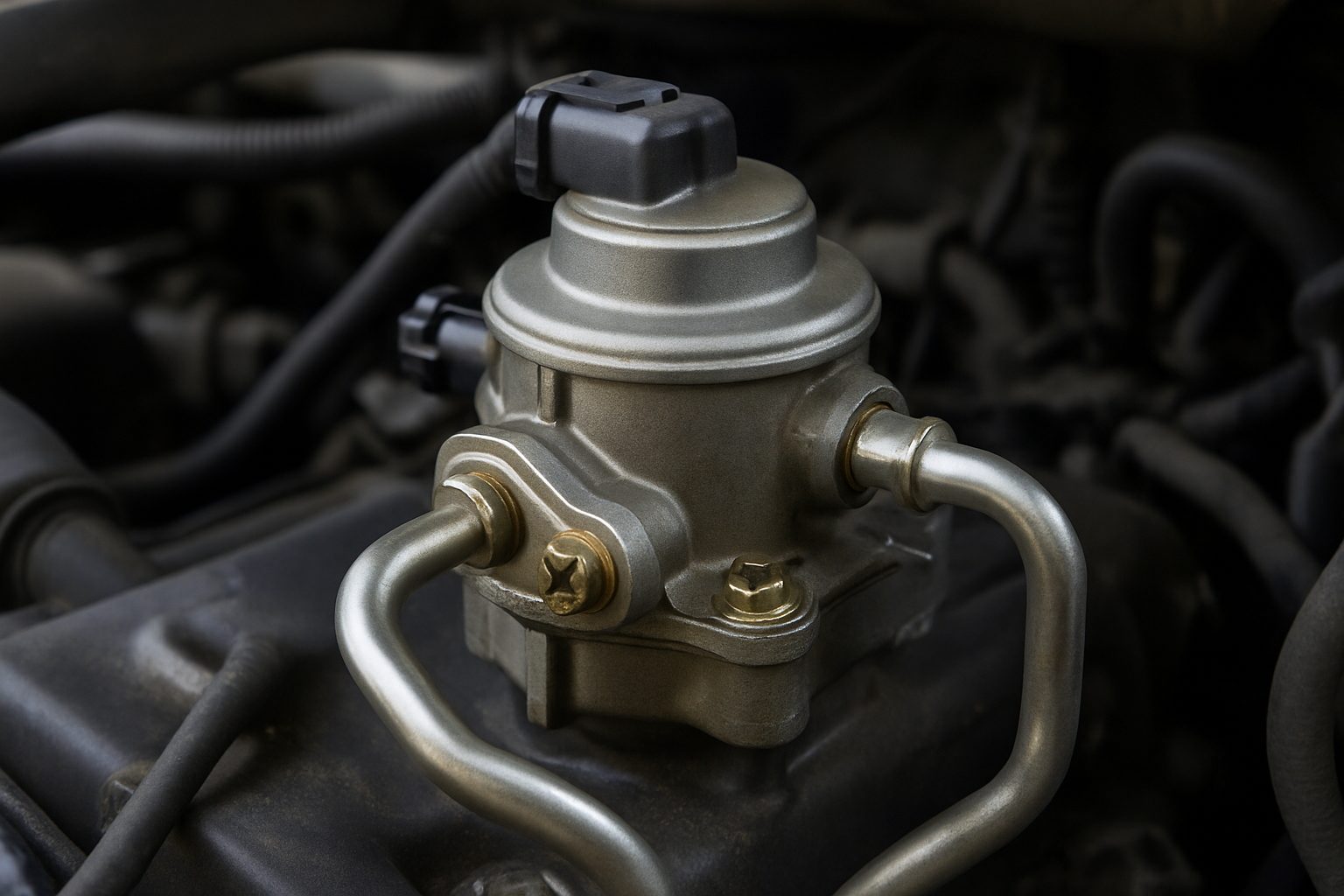
The Positive Crankcase Ventilation system helps control pressure and vapors inside the engine. If the PCV valve or related passages malfunction, oil may be drawn into the intake, or pressure may cause leaks.
Because the symptoms can overlap with internal wear, we inspect the ventilation system before assuming piston rings or valve seals are responsible.
Do Not Apply an Older Accord Bulletin Automatically
Honda issued an oil-consumption service bulletin for certain 2013–2014 four-cylinder Accords involving oil control rings affected by carbon deposits. The bulletin does not list the 2017 Accord.
This distinction matters. A 2017 Accord using oil quickly should be diagnosed on its own evidence rather than assumed to have the same problem as an older model.
Low Oil Can Damage the Engine
Engine oil lubricates bearings, cylinder walls, valvetrain components, and other moving parts. Allowing the level to drop too far increases the risk of wear and low oil pressure.
Honda instructs owners to add oil when the dipstick level approaches or falls below the lower mark. If the engine repeatedly needs oil before the next service, the cause needs attention rather than repeated top-offs.
Oil Consumption Testing Gives Us a Baseline
When no obvious leak explains the loss, we may establish a measured starting oil level and monitor consumption over a known mileage interval. We also inspect spark plugs, PCV operation, engine condition, and related symptoms.
A measured pattern gives us better information than a single low dipstick reading.
Schedule Honda Oil-Loss Diagnosis Near Warm Springs
Driven Auto Care of Fremont, CA services Honda Accords and serves Fremont, Warm Springs, Milpitas, Sunol, and surrounding East Bay communities.
If your 2017 Honda Accord is burning oil quickly between oil changes, schedule an inspection. We will check for external leaks, review oil-loss history, inspect related engine systems, and recommend the repair supported by what we find.