If your 2020 Chevy Silverado feels loose, wanders across the lane, or needs constant steering correction, the front end deserves an inspection. A vague steering feel may come from tire pressure, alignment, worn tie rods, ball joints, wheel bearings, or a steering-system problem. Because looseness often develops gradually, it may go unnoticed until handling or tire wear worsens.
At Driven Auto Care of Fremont, CA, we serve Milpitas drivers from our Fremont shop. Our suspension and steering services include diagnosis, tie rod replacement, ball joint replacement, steering rack replacement, wheel bearing replacement, and wheel alignment.
Tire Pressure and Alignment Can Change Steering Feel
Start with the tires. Low pressure, uneven pressure from side to side, abnormal tread wear, or mismatched tire condition can make a truck feel less stable or responsive.
Chevrolet says wheel alignment does not require routine adjustment, but an alignment check makes sense when unusual tire wear appears, or the vehicle pulls significantly to one side. GM also notes that vibration on a smooth road may point to tire or wheel balance rather than alignment.
If your Silverado recently hit a pothole or curb, or the steering wheel sits off-center, we check tire condition and alignment measurements first.
Worn Tie Rods Can Create Steering Play
Tie rods connect steering movement to the front wheels. When an inner or outer tie rod develops play, steering input may feel delayed, vague, or less precise.
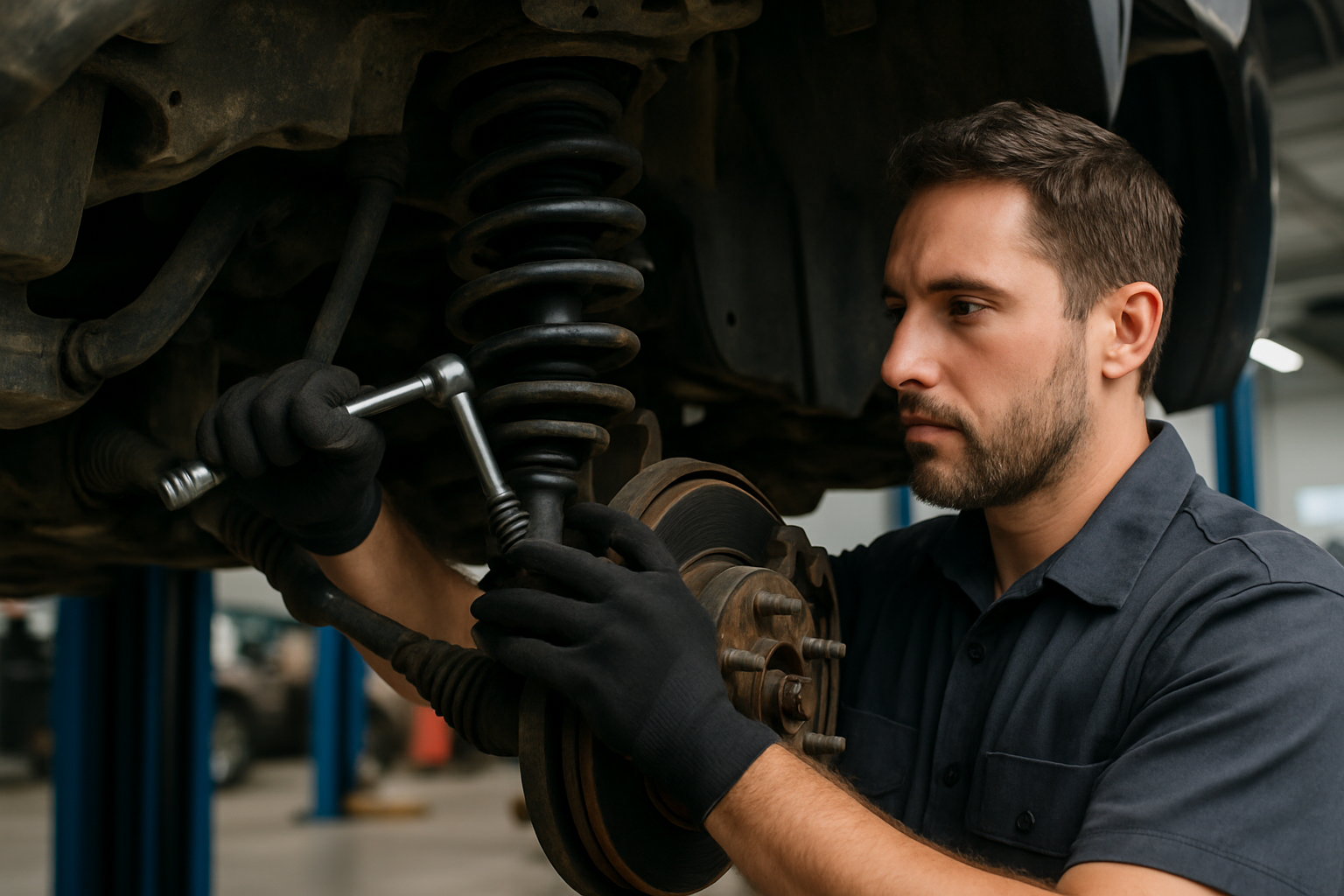
Driven Auto Care identifies loose steering, vibration, alignment problems, and knocking during turns as signs worth checking. We inspect both sides for play, damaged boots, and movement before recommending replacement.
A worn tie rod may also keep an alignment from holding properly, so the damaged component should be repaired first.
Ball Joints and Bearings Can Affect Stability
Ball joints allow suspension movement while keeping the steering knuckle controlled. Wear may contribute to clunks, steering pull, front-end shimmy, or uneven tire wear.
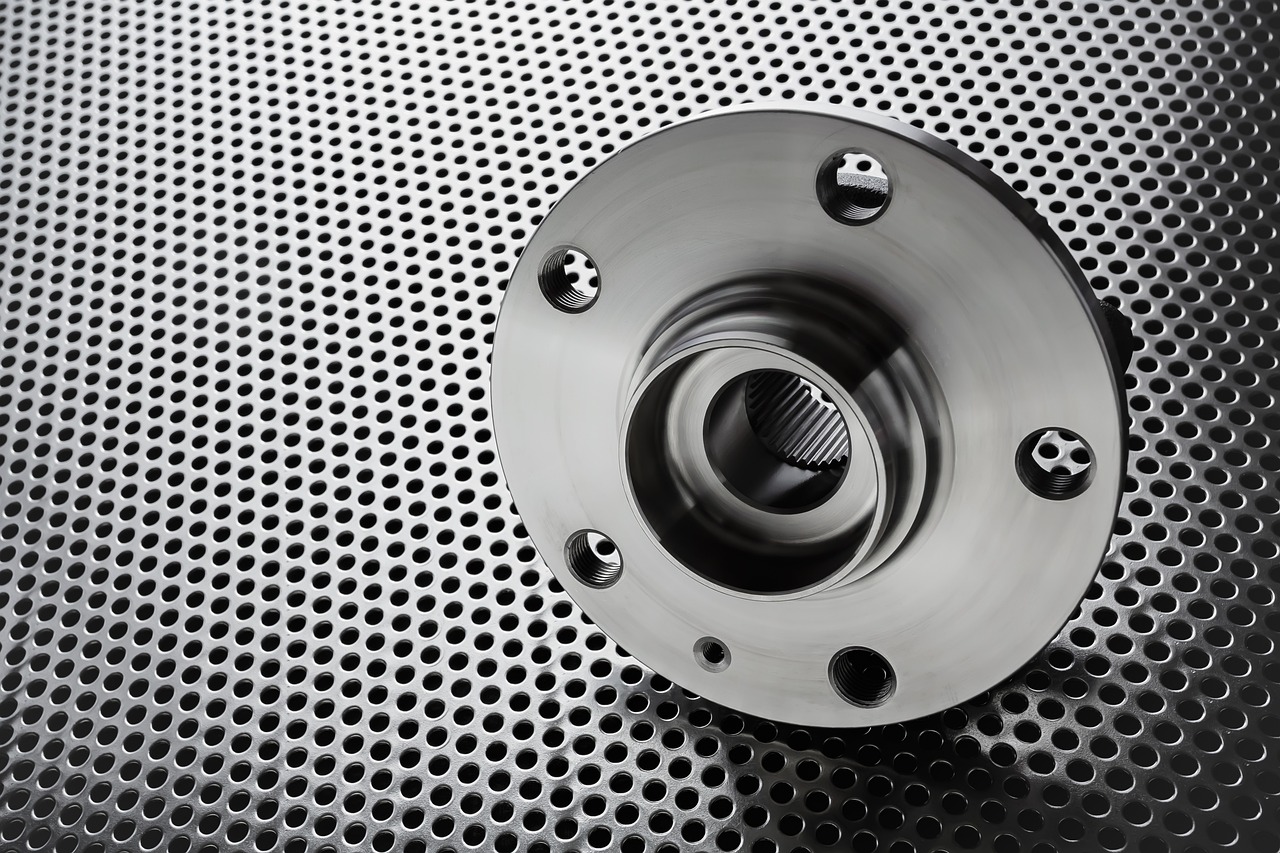
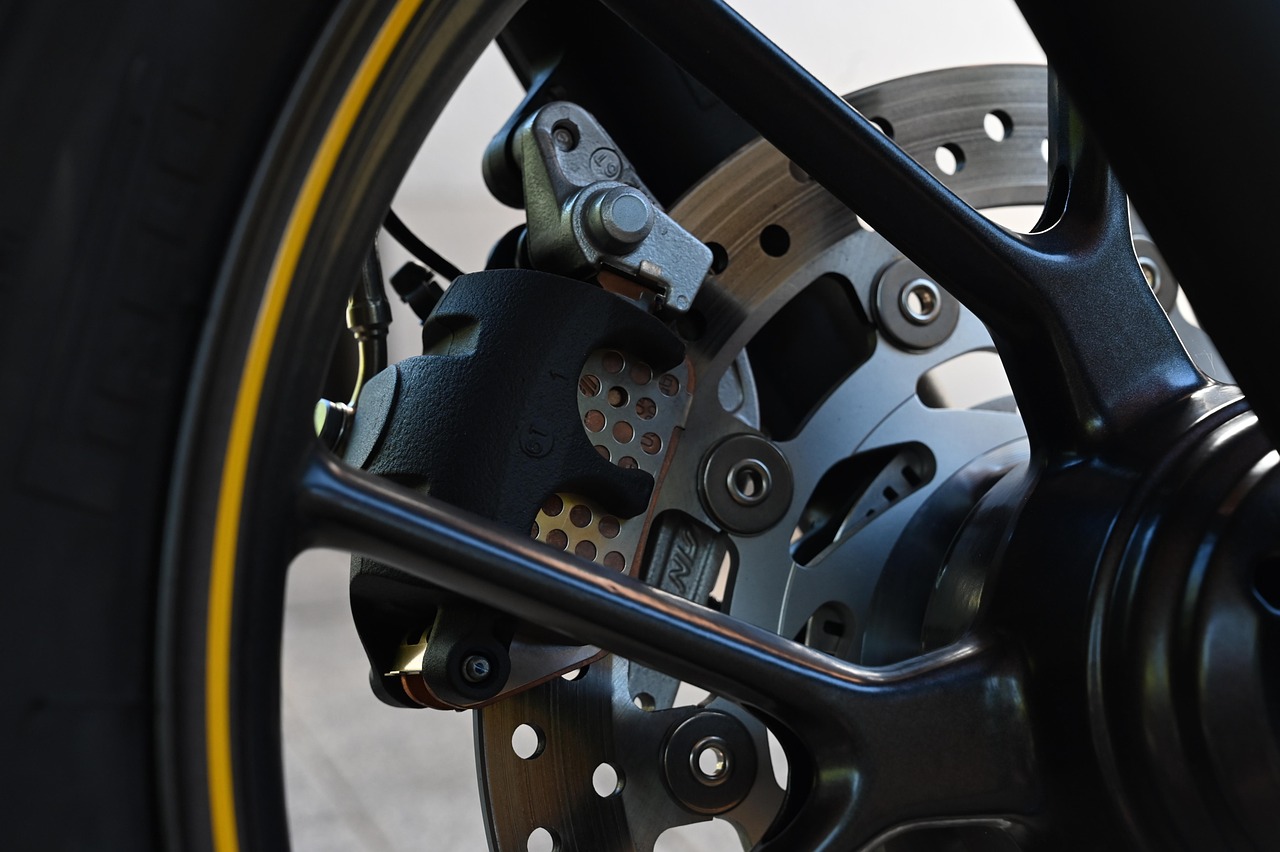
Wheel-bearing wear may also add looseness, noise, or vibration. We check these components together because replacing one part without inspecting the rest of the front end may leave the original complaint unresolved. Driven Auto Care includes both ball joint and wheel bearing replacement among its Fremont suspension services.
Silverado 1500 Models Use Electric Power Steering
For 2020 Silverado 1500 models, Chevrolet says the truck uses electric power steering and does not have power steering fluid. Routine fluid maintenance is not required. If steering assist is lost because of a system malfunction, steering effort may increase.
This distinction matters. A vague steering complaint on a Silverado 1500 should not automatically lead to a power-steering-fluid flush. We first determine whether the problem comes from mechanical looseness, alignment, tires, or electronic steering assist.
New Wandering or Excess Play Needs Attention
Some road crown or surface variation may create a slight pull, and Chevrolet notes this can be normal. Excess wandering, large steering corrections, clunking, or obvious free play is different.
If the truck no longer tracks as confidently as it used to, we road test it and inspect the steering and suspension. Waiting may allow tire wear to increase or looseness to become more pronounced.
Schedule Silverado Steering Service Near Milpitas
Driven Auto Care of Fremont, CA offers suspension diagnosis, tie rod replacement, ball joint replacement, steering rack service, wheel bearing replacement, tire service, and wheel alignment from our Fremont location. We serve Fremont, Milpitas, Warm Springs, Sunol, and surrounding East Bay communities.
If your 2020 Chevy Silverado feels loose, vague, unstable, or slow to respond, schedule an inspection. We will check the tires, alignment, steering linkage, suspension, and steering assist system first, then recommend the repair supported by what we find.