If your 2017 Toyota RAV4 still has old brake fluid or its service history is unclear, a brake fluid flush may be worth scheduling. Brake fluid transfers hydraulic pressure from the pedal to the brakes, so its condition matters every time you stop. Over time, moisture and contamination can reduce the fluid’s ability to perform consistently.
At Driven Auto Care of Fremont, CA, we serve Warm Springs drivers from our Fremont shop. We inspect the braking system and fluid condition before recommending service, rather than replacing fluid based on age alone.
Brake Fluid Absorbs Moisture Over Time
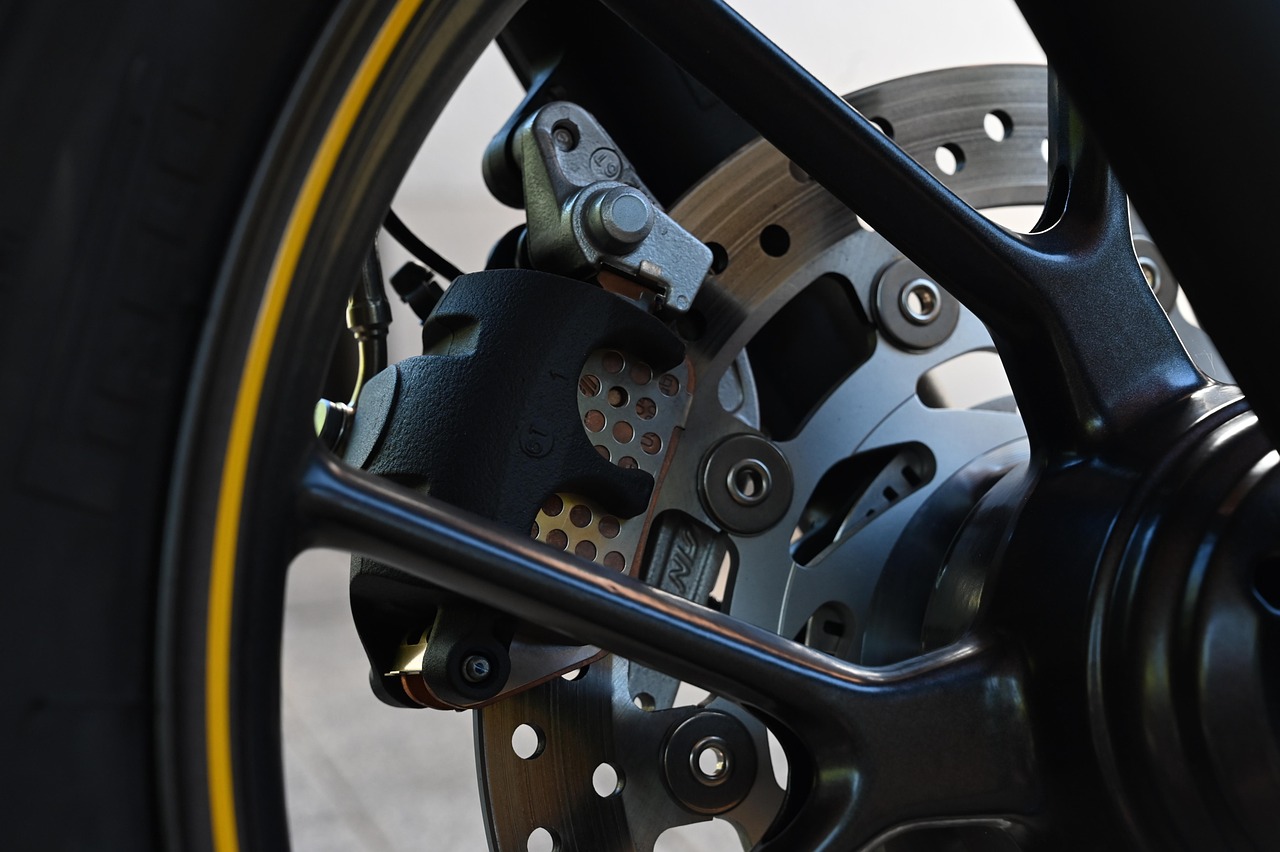
Brake fluid absorbs moisture as it ages. Driven Auto Care explains that increasing water content can lower the fluid’s boiling point and contribute to internal corrosion in components such as calipers and wheel cylinders.
This matters because braking creates heat. If contaminated fluid reaches its boiling point, vapor can form inside the hydraulic system. Vapor compresses more easily than liquid, which may contribute to a soft or sinking pedal when braking demands are high.
A Flush Replaces More Than Reservoir Fluid
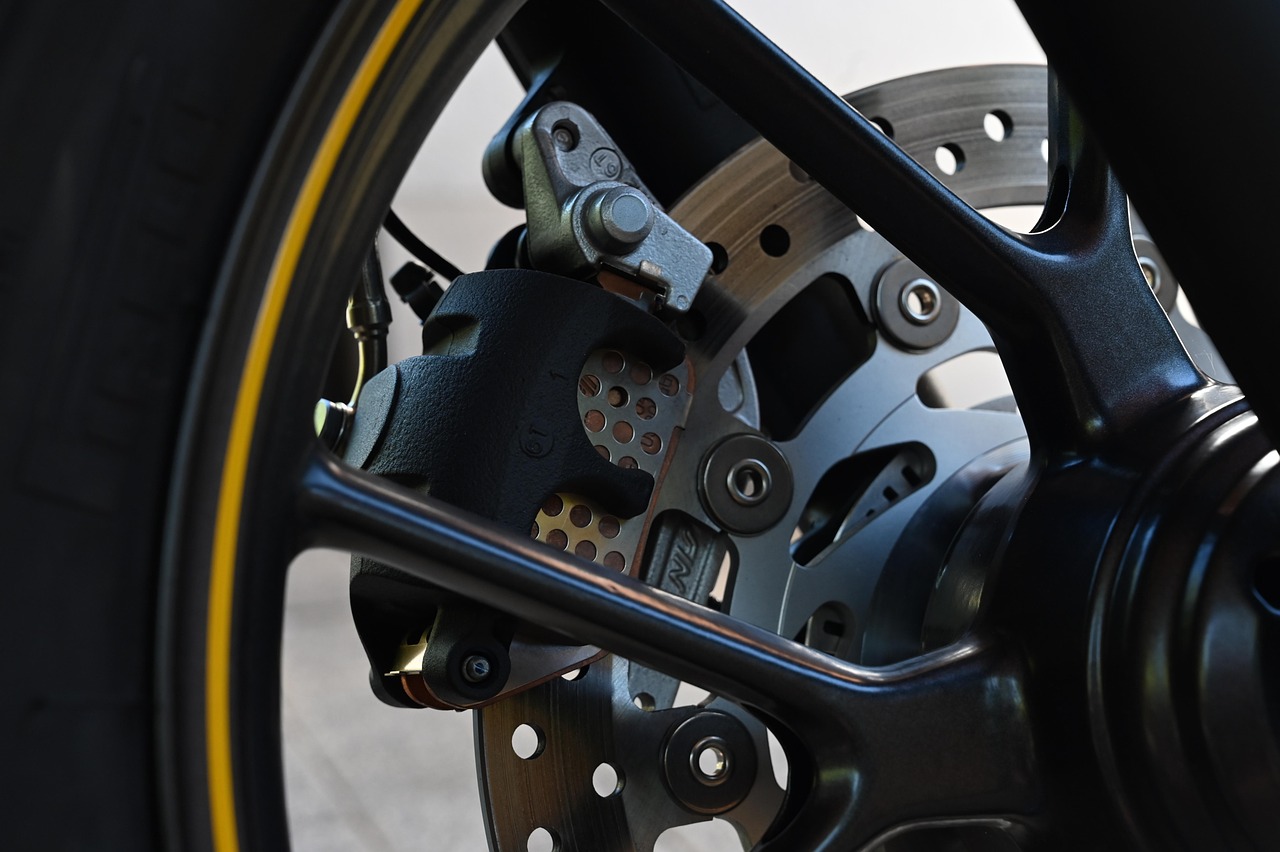
Adding fresh fluid to the master-cylinder reservoir does not remove old fluid from the rest of the braking system. A proper brake fluid flush moves fresh fluid through the hydraulic system so contaminated fluid is replaced rather than diluted.
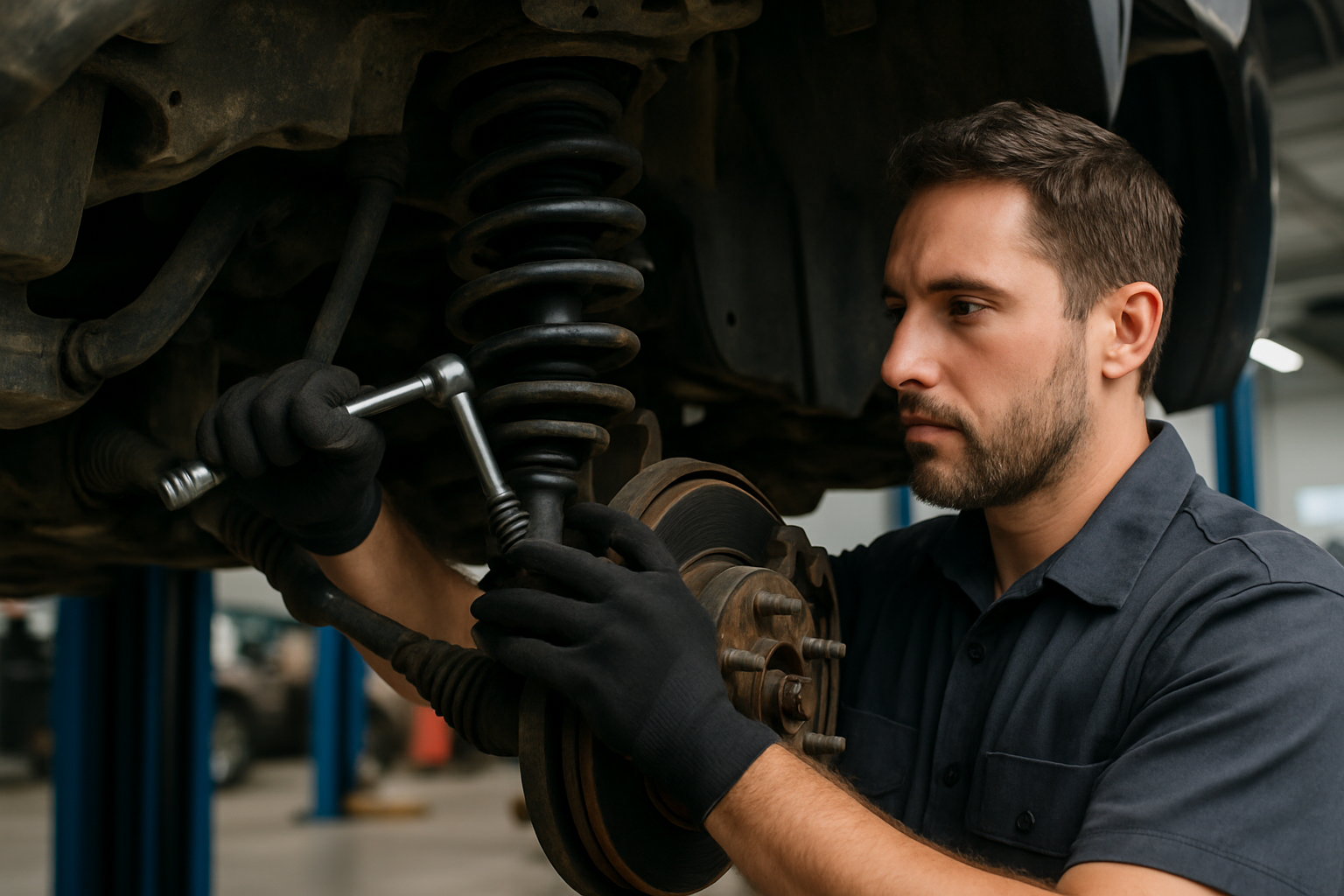
We also inspect for leaks, damaged hoses, corrosion, and other brake-system concerns during service. Fresh fluid will not repair a leaking line or worn component, so those problems need to be identified separately.
Dark Fluid Is a Reason for Inspection
Brake fluid often darkens as it collects contaminants and ages. Color alone does not tell the entire story, but very dark fluid is a useful reason to check its condition and service history. Driven Auto Care notes fresh fluid normally appears nearly clear with a slight yellow tint.
If you do not know when the fluid was last changed, inspection gives us a better starting point. We consider fluid condition along with pedal feel, brake performance, visible leaks, and the rest of the hydraulic system before recommending a flush.
Toyota Calls for Regular Brake Inspections
Toyota’s 2017 RAV4 maintenance guide calls for repeated inspections of the brake pads and discs, along with periodic inspections of brake lines and hoses. At 60,000 miles or 72 months, for example, Toyota includes brake lines, hoses, pads, and discs among the components requiring inspection.
The guide does not list a specific routine brake-fluid replacement interval for the 2017 RAV4. This makes fluid condition, previous service history, and professional inspection important when deciding whether a flush is appropriate.
Do Not Ignore Changes in Pedal Feel
A brake pedal that suddenly feels soft, sinks farther than normal, or changes from its usual response needs prompt attention. Contaminated fluid may be involved, but air in the system, a leak, hydraulic failure, or another brake problem can create similar symptoms.
Do not assume a flush will solve every pedal complaint. We inspect the system first because braking problems need a confirmed cause.
Schedule Brake Fluid Service Near Warm Springs
Driven Auto Care of Fremont, CA provides brake inspections, brake fluid flushes, brake pad and rotor service, brake line repair, brake hose replacement, and ABS repair from our Fremont location. We serve Warm Springs, Milpitas, Sunol, and surrounding East Bay communities.
If your 2017 Toyota RAV4 has an unknown brake-fluid history, dark fluid, or changes in braking feel, schedule an inspection. We will determine whether a fluid flush is appropriate and check the rest of the system before recommending repairs.