If your 2018 Toyota Camry still has its original brake pads, or you are unsure when they were last replaced, now is a good time to have them measured. Brake pads do not follow one fixed replacement interval because wear depends on mileage, traffic, driving habits, rotor condition, and stop-and-go use. Toyota’s maintenance guide calls for visual inspection of the brake pads and discs at regular maintenance intervals instead of giving one universal replacement mileage.
At Driven Auto Care of Fremont, CA, we inspect the braking system before recommending parts. A noise or vibration may come from the pads, rotors, calipers, hardware, or another part of the system.
Thin Brake Pads Reduce Your Margin for Safety
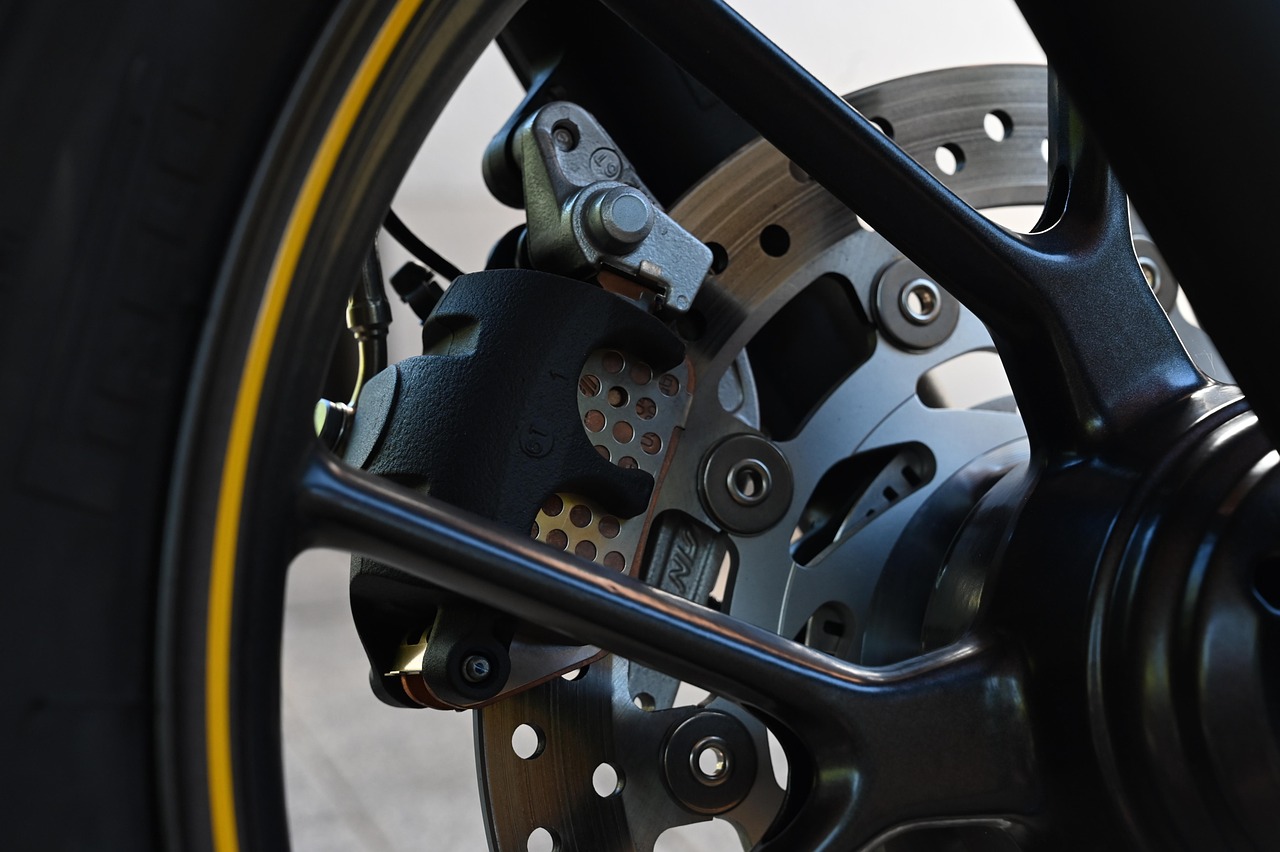
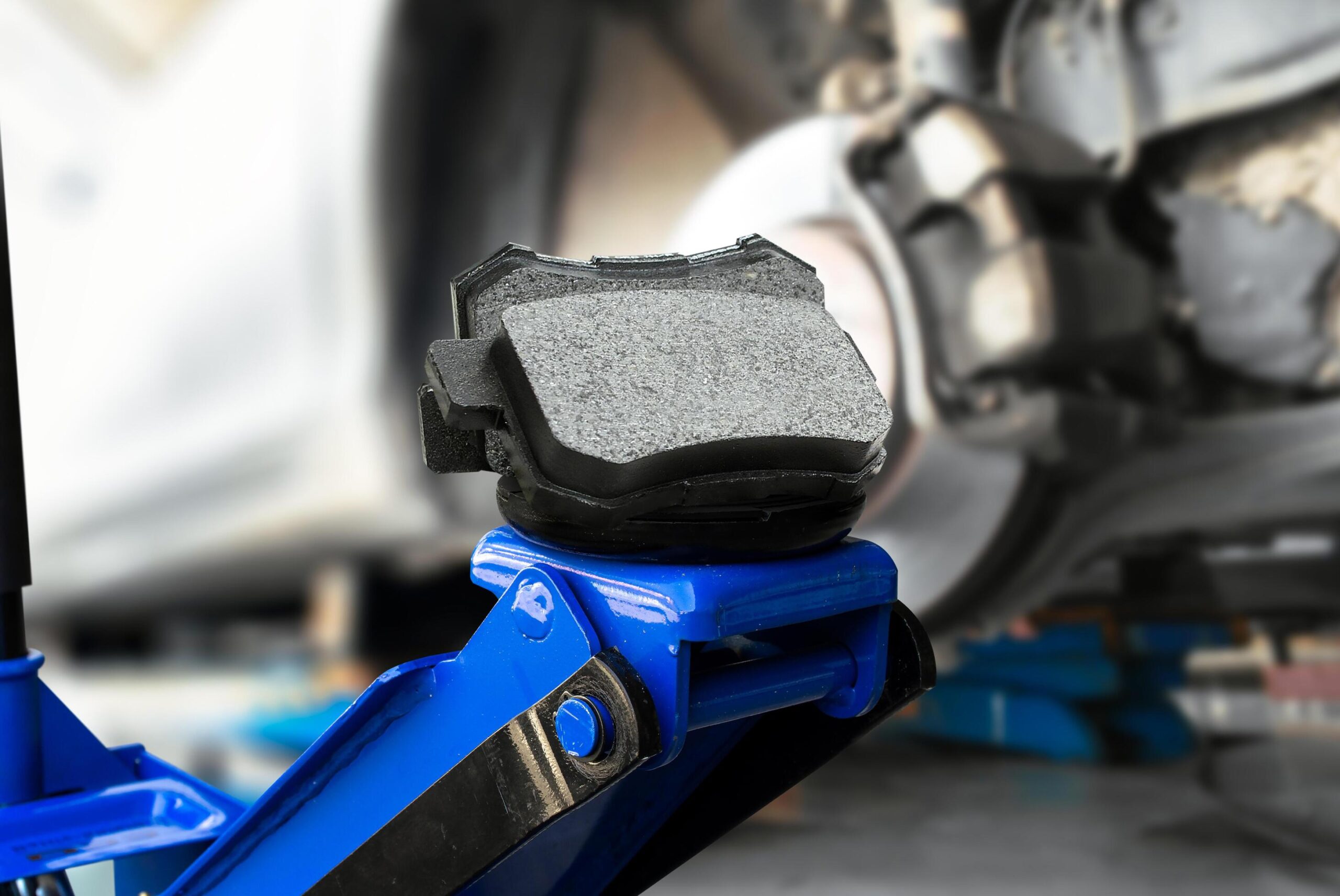
Brake pads create friction against the rotors every time you slow down. As the friction material wears away, the remaining pad becomes thinner and has less material available to absorb heat and provide consistent braking.
The car may still stop normally for a while, but low pad thickness leaves less margin before the metal backing plate reaches the rotor. Once metal contacts metal, rotor damage usually follows quickly. Replacing pads before this point will often prevent a larger repair.
Squealing or Grinding Needs an Inspection
A high-pitched squeal may come from a wear indicator contacting the rotor, but it can also result from glazing, debris, or brake hardware. Grinding is more serious because it may mean the friction material is gone and metal parts are contacting the rotor.
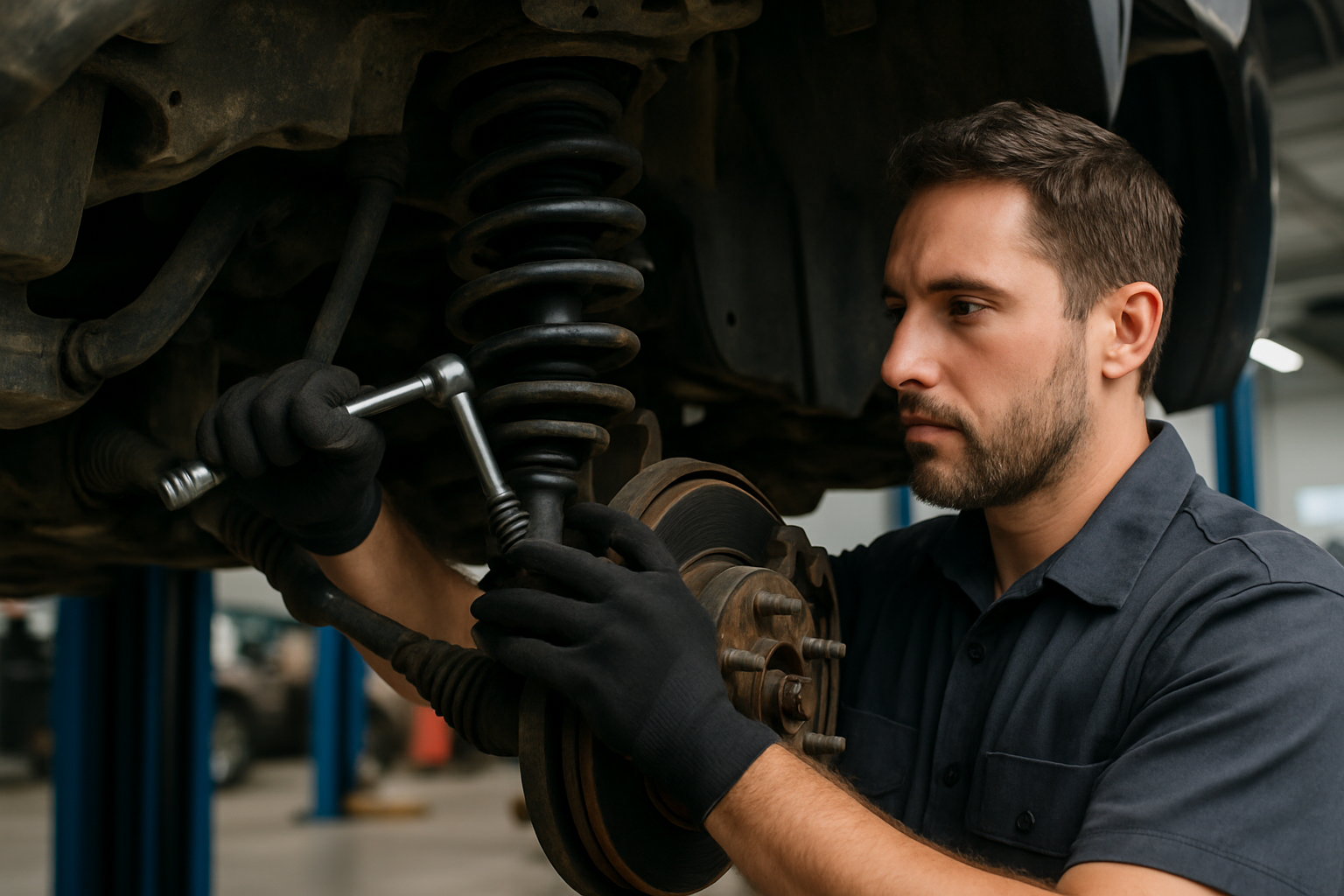
Do not assume the pads have failed until the system is inspected. We remove the wheels, measure pad thickness, compare inner and outer pad wear, and check the rotors for scoring or excessive wear. Uneven wear may point to a caliper slide or hardware problem rather than normal pad wear alone.
Steering Wheel Shake May Point to Rotor Problems
If the steering wheel or brake pedal vibrates during braking, the pads may not be the only concern. Rotor thickness variation, heat damage, or an uneven friction surface may create pulsation.
Installing new pads without checking the rotors may leave the original symptom unchanged. We measure rotor condition before deciding whether resurfacing, replacement, or pad service makes sense.
Your Driving Habits Affect Pad Life
Fremont and East Bay driving can be hard on brakes. Frequent stops, congestion, short trips, hills, and repeated freeway slowdowns create more braking events than long stretches of open highway.
Two 2018 Camrys with the same mileage may have very different pad thicknesses. This is why mileage alone does not answer whether your Toyota is due. Measurement does.
Do Not Wait for Warning Signs to Get Worse
Brake service is easier to plan when you catch wear early. If your Camry has squealing, grinding, pulling, vibration, longer stopping distance, or a pedal feel that has changed, schedule an inspection soon.
Even if the car feels normal, a brake check during routine maintenance will show how much pad material remains and whether other components need attention.
Schedule Toyota Brake Service in Fremont
Driven Auto Care of Fremont, CA provides brake inspections, brake pad replacement, rotor service, caliper repair, brake-fluid service, and related Toyota maintenance from our Fremont shop. We serve Fremont, Milpitas, Warm Springs, Sunol, and surrounding East Bay communities.
If you are wondering whether your 2018 Toyota Camry needs brake pads now, we will measure first and recommend replacement only when the condition of the system supports it.