Milpitas, CA — Why Is Your 2016 Audi Q7 Air Suspension Sagging Overnight?
Overnight Q7 Sag Needs Suspension Testing
Synopsis: A 2016 Audi Q7 sagging overnight may have an air spring leak, valve block fault, weak compressor, sensor issue, or suspension control problem.
A 2016 Audi Q7 sitting low after being parked overnight is usually more than a cosmetic issue. If your Q7 has adaptive air suspension, the system uses air pressure, height sensors, valves, and a compressor to manage ride height. Audi’s Q7 platform has offered adaptive air suspension to adjust ride height and damping, and if one part fails to hold pressure, the vehicle may settle while parked.
Air Spring Leaks Are The First Suspect
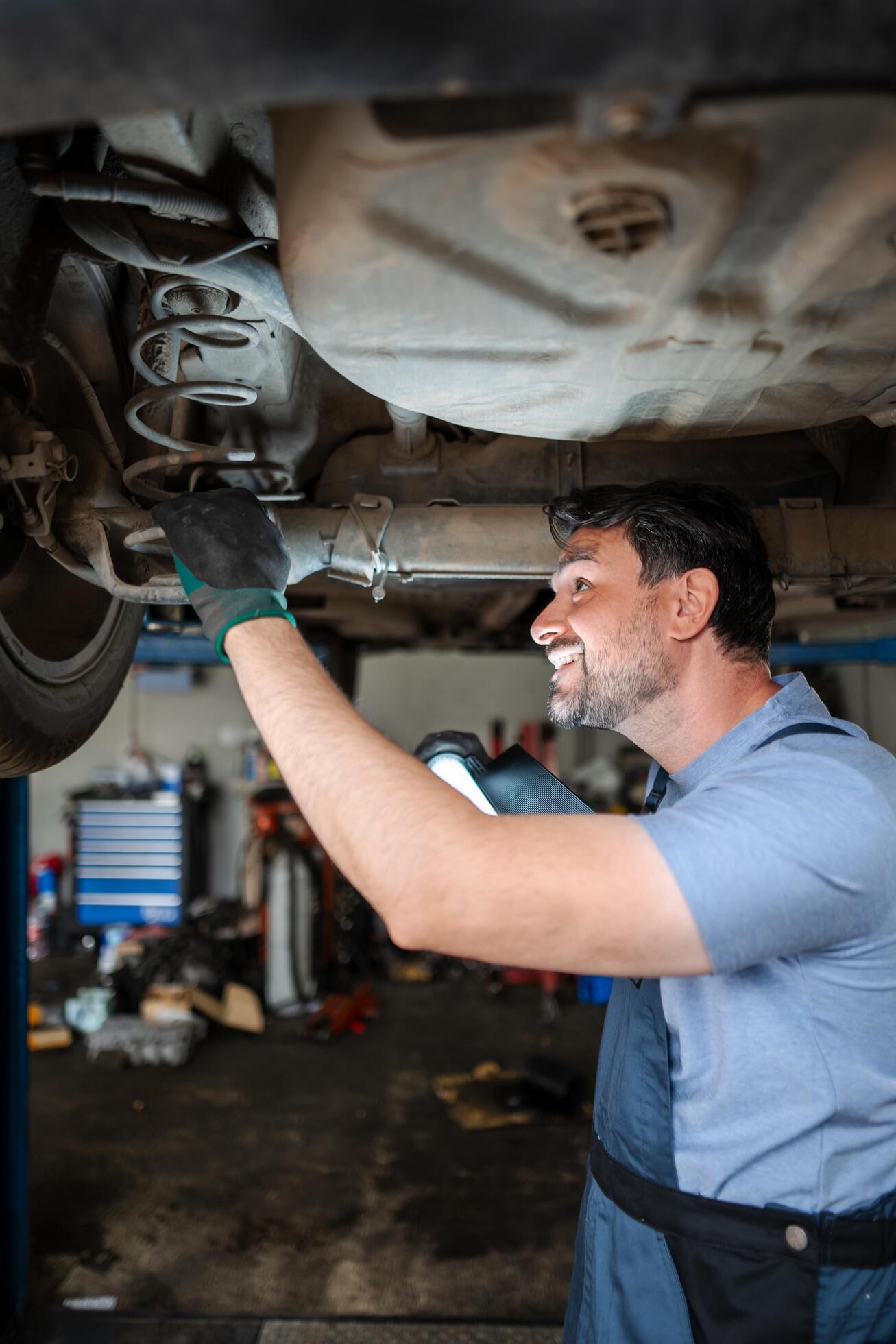
When one corner drops overnight, an air spring or air strut leak is often at the top of the list. The vehicle may look normal after startup because the compressor refills the system, then sag again after hours of sitting. Air suspension specialists commonly identify a low rear or low corner on an Audi Q7 as a possible issue with a leaking airbag or solenoid valve. The danger is not only the sag. Each refill forces the compressor to work harder, and repeated strain can turn a single leaking part into a more expensive system repair.
Valve Block Problems Can Let Air Bleed Back
The valve block directs air to the suspension corners. If a valve sticks open or fails to seal, air may bleed out slowly while the Q7 is parked. This can cause the vehicle to drop overnight, even when the air spring itself is not the only problem. A valve issue can also cause uneven ride height or trigger a system warning if the control module detects height readings outside its expected range. This is why we test the air circuit before recommending parts. Replacing an air spring will not fix a valve block leak if the valve is the real cause.
A Weak Compressor May Hide The Real Problem
A compressor usually does not fail for no reason. It often wears out after trying to compensate for a leak somewhere else in the system. Go-Parts notes that air suspension sag after overnight parking often points to an air spring leak, which can force the compressor to run constantly until it burns out. If your Q7 takes too long to raise, makes louder compressor noise, or displays suspension warnings, the compressor may already be under stress. We look for the leak first so a new compressor does not get overworked by the same unresolved problem.
Height Sensors Can Send The Wrong Message
Air suspension also relies on ride-height sensors. If a sensor or wiring fault provides the control module with incorrect information, the Q7 may sit too high or too low, or fail to adjust properly. Go-Parts notes that Audi Q7 and Q8 owners often see air suspension malfunctions tied to faulty ride-height sensors, with one corner stuck high or low. A sensor fault can look mechanical from the driver’s seat, but the repair path is different. Proper scan data and physical inspection help separate air loss from control-system confusion.
Suspension Warnings Should Not Be Ignored
Audi warning-light guidance for air suspension faults can include reduced ground clearance, limited steering clearance, restricted stability, or a speed-limited drive warning. Those warnings matter because a sagging Q7 may have less clearance, less predictable handling, and extra stress on suspension components. If the vehicle is visibly low, avoid hard driving, potholes, and freeway speeds until it is inspected.
Get The System Tested Before Costs Climb
Driven Auto Care of Fremont, CA, serves Milpitas and the surrounding East Bay, and our Audi service page lists Q7 service among the models we handle. We inspect air leaks, compressor operation, valve behavior, height sensor data, and related suspension components before recommending repairs. If your 2016 Audi Q7 sags overnight, schedule service now. The sooner we find the leak or control fault, the better your chance of avoiding compressor failure and a larger suspension bill.